LPS corals can look fine for weeks, then decline fast. A simple checklist helps you spot issues early. Use this routine weekly, and after any equipment change.
1) Visual health check: tissue, inflation, and feeding
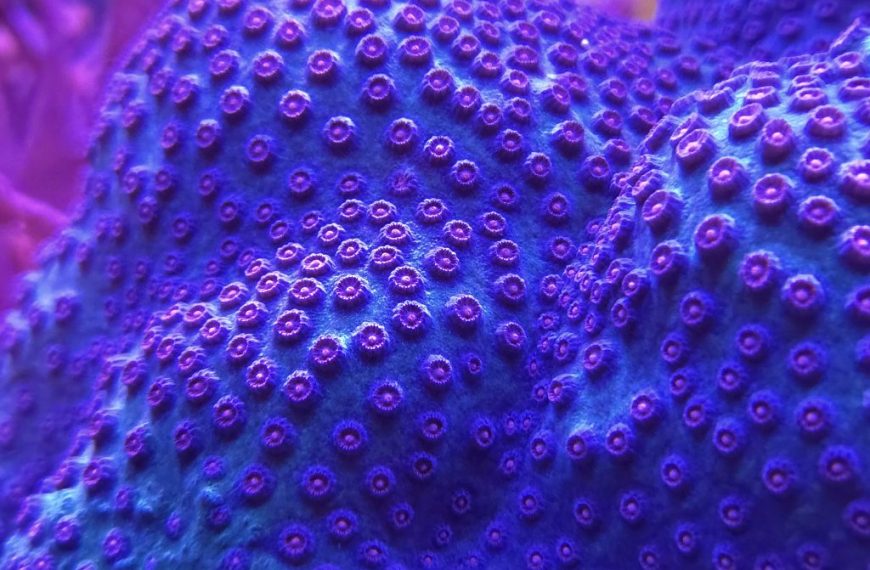
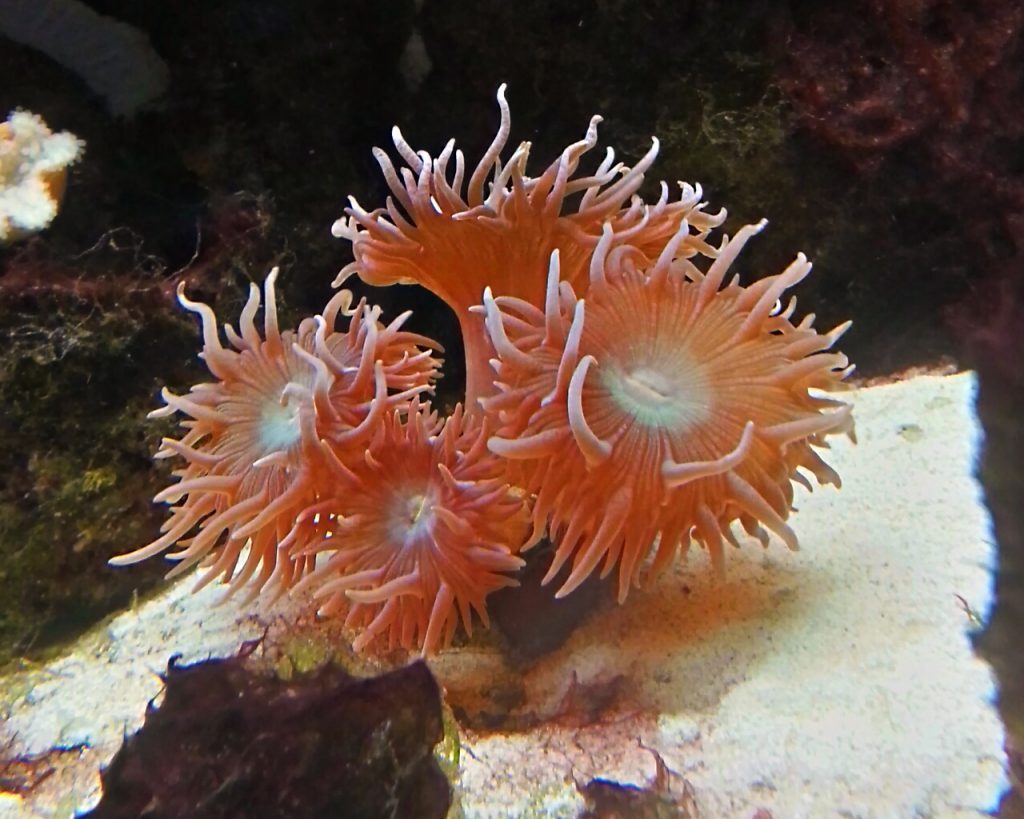
Start with a five-minute look before you test water. Healthy LPS show full tissue and even color. You should see steady inflation during the light cycle. Some species extend feeder tentacles after dusk.
Look for recession at the skeleton edge. Check for exposed white skeleton or sharp “bite” marks. Inspect for brown jelly on euphyllia and gonis. If you see it, act the same day. Isolate the coral and siphon the slime.
Confirm feeding response once per week. Offer a small portion of thawed mysis or reef blend. Target feed with pumps off for 10 minutes. LPS that never grab food may be stressed. They may also be underfed.
Use a quick placement check too. LPS often need moderate flow and stable footing. A wobbling frag can tear tissue on the skeleton. Move it to a flat rock or use reef-safe putty.
- Healthy signs: even inflation, clean tissue edge, normal color, feeding response
- Warning signs: sudden deflation, gaping mouths, stringy mucus, brown jelly, rapid recession
- Fast action: isolate, siphon debris, increase aeration, and run fresh carbon
For deeper behavior cues, review our reef coral feeding guide. If pests are suspected, see coral dip protocol.
2) Water parameters checklist for stable LPS growth
Stability matters more than chasing perfect numbers. Test alkalinity at least twice weekly in growing systems. Keep alkalinity 8.0–9.0 dKH for most mixed reefs. Avoid swings over 0.3 dKH per day.
Keep calcium 400–450 ppm and magnesium 1250–1400 ppm. Low magnesium can cause alkalinity instability. Maintain salinity at 1.025–1.026 specific gravity. Use a calibrated refractometer or digital meter.
Target temperature 25–26°C (77–79°F) with under 0.5°C daily swing. Keep pH 8.0–8.3 if possible. Improve pH with fresh air and surface agitation. Avoid sudden buffer dosing.
Nutrients should not be zero. Aim nitrate 5–15 ppm and phosphate 0.03–0.10 ppm. Ultra-low nutrients can cause pale tissue and poor feeding. High nutrients can fuel algae and irritate tissue. If you change filtration, do it slowly.
- Weekly test set: alkalinity, nitrate, phosphate, salinity, temperature log
- Monthly test set: calcium, magnesium, pH probe calibration, ICP if needed
- Red flag pattern: stable numbers but declining coral often means flow or light issues
If dosing is new to you, read alkalinity and calcium dosing basics. It helps prevent common swing mistakes.
3) Light, flow, and common troubleshooting mistakes
LPS prefer moderate light in many tanks. A practical PAR range is 80–150 for most brains, acans, and favias. Euphyllia often do well around 100–180 PAR. Measure if you can. If not, move corals slowly and watch inflation.
Flow should move tentacles but not whip them. Use indirect, random flow. Aiming a powerhead at an LPS can cause tissue tears. Too little flow traps detritus. That can lead to brown jelly and infection.
Common mistake one is fast parameter correction. Raising alkalinity 2 dKH in a day can burn tips. Common mistake two is aggressive dips on stressed corals. Dip only when pests or infection are likely. Common mistake three is placing sweepers too close.
Use real spacing rules. Give euphyllia 15–20 cm (6–8 in) from neighbors. Give galaxea 20–30 cm (8–12 in) due to long sweepers. If a coral recedes on one side, check for stings at night with a flashlight.
- After a light change, reduce intensity 10–20% for one week
- Blow detritus weekly with a turkey baster before water changes
- Quarantine new LPS for 14–30 days when possible
Sources: Borneman, E. “Aquarium Corals” (TFH); Delbeek & Sprung, “The Reef Aquarium” Vol. 1–3; NOAA Coral Reef Conservation Program (general coral biology guidance).
LPS corals reward steady care and small adjustments. Use this checklist to catch problems early. Track changes in a log, and change only one variable at a time.
Was this helpful?
Related Posts
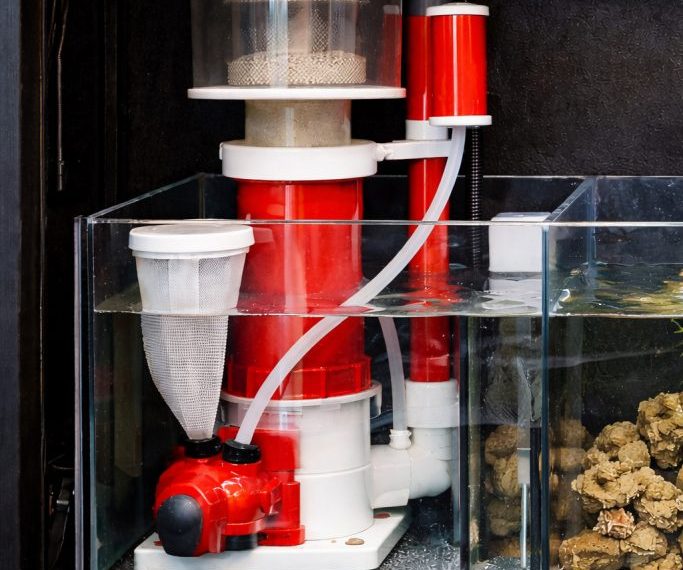
Protein Skimmer Reef Tank Guide
Learn how a protein skimmer works, how to size one, and how to tune it for a cleaner,…
 By
By
Reef Aquarium Water Parameters
Learn the ideal reef aquarium water parameters, safe ranges, and how to keep salinity, alkalinity, nutrients, and pH…