
Feeding corals improves growth, color, and resilience when done correctly. Most reef tanks benefit from a mix of fish feeding, dissolved nutrients, and targeted coral foods. The best approach depends on the coral type, tank maturity, and your nutrient control strategy.
Many beginners hear that corals get all their energy from light. That is only part of the story. Reef corals host zooxanthellae, which produce sugars through photosynthesis. Corals also capture plankton, absorb dissolved organics, and consume suspended particles. In aquariums, smart feeding can speed growth and improve polyp extension. It can also create problems if you overdo it. This guide explains what corals eat, which corals need direct feeding, how often to feed, and how to avoid nutrient spikes. You will also learn practical methods that work in real reef tanks.
Quick Reference Table
| Coral Type | Need for Direct Feeding | Best Foods | Feeding Frequency | Notes |
|---|---|---|---|---|
| Soft corals | Low to moderate | Phytoplankton, fine particulate foods | 1-3 times weekly | Many rely heavily on light and dissolved nutrients |
| LPS corals | Moderate to high | Mysis, brine, pellets, reef roids, chopped seafood | 1-3 times weekly | Target feeding often boosts growth |
| SPS corals | Low to moderate | Zooplankton, amino acids, fine particulate foods | 2-4 times weekly | Prefer small foods and stable nutrients |
| Non-photosynthetic corals | Very high | Phyto, rotifers, copepods, baby brine, fine meaty foods | Daily or more | Advanced care only in most tanks |
| Mushrooms and zoanthids | Low | Fine particulate foods, occasional meaty bits | Optional, 1-2 times weekly | Too much food can foul the tank |
What Do Corals Eat?
Corals use several food sources at once. Light is the biggest source for many species. Their symbiotic algae produce energy during the day. That is why lighting matters so much in reef tanks. Still, feeding remains important for many corals.
Corals also catch plankton from the water column. Large polyp stony corals do this well. Think acans, blastos, scolys, and euphyllia. Small polyp stony corals capture much smaller particles. They often feed on suspended zooplankton, bacteria, and dissolved organics. Soft corals vary widely. Some are mostly photosynthetic. Others benefit from regular phytoplankton and microfoods.
Fish feeding also helps corals indirectly. Fish waste adds nitrogen and phosphorus. Those nutrients support coral metabolism and zooxanthellae. In many healthy mixed reefs, corals thrive from a balance of light, fish food leftovers, and stable water chemistry. Direct feeding is useful, but it is not always required for every species.
Which Corals Benefit Most From Feeding?
LPS corals usually show the clearest response to feeding. They have larger mouths and fleshy tissue. They can grab mysis shrimp, pellets, and other meaty foods. Regular feeding often leads to faster growth, thicker tissue, and better coloration.
SPS corals also benefit, but in a different way. They prefer tiny foods and dissolved nutrition. Heavy target feeding rarely works well with SPS. Instead, broadcast feeding small particle foods can help. So can amino acid supplements in low nutrient systems. The key is restraint. SPS tanks often react badly to excess nutrients.
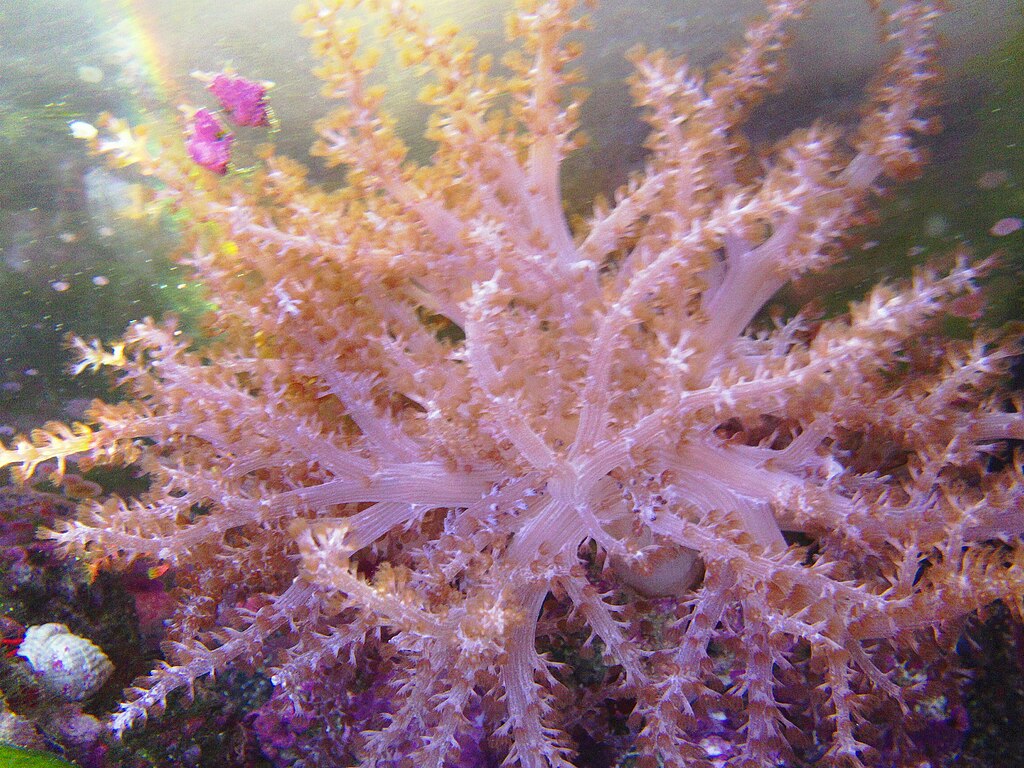
Soft corals range from easy to demanding. Zoanthids, leather corals, and mushrooms can do well without direct feeding. Gorgonians, carnations, and sun corals often need much more. Non-photosynthetic corals are a separate category. They require frequent feeding and careful nutrient export. These species are beautiful, but they are not ideal for most beginners.
Best Foods for Feeding Corals
The best coral food depends on coral size and feeding style. LPS corals do well with frozen mysis, enriched brine shrimp, small sinking pellets, and finely chopped seafood. Many hobbyists also use powdered coral foods. These mix into a cloud of fine particles that many corals can catch.
SPS corals usually respond better to smaller foods. Rotifers, copepod products, powdered zooplankton blends, and reef snow style foods are common choices. Phytoplankton works best for filter feeders and some soft corals. It also supports pods and microfauna. That can benefit the whole tank over time.
Choose foods that match your coral size. A scoly can take a larger piece. An acropora cannot. Rinse frozen food if it is very dirty. Start with small amounts. Watch your nitrate and phosphate after feeding changes. If nutrients climb fast, reduce portions or feed less often. Good foods help corals. Excess food feeds algae and cyanobacteria.
How to Feed Corals Step by Step
Start by identifying your coral types. This matters more than the brand of food. LPS, SPS, soft corals, and non-photosynthetic corals all feed differently. Once you know what you keep, you can choose the right method.
- Turn off or reduce return flow for a few minutes.
- Leave gentle internal flow on if possible.
- Thaw frozen food in tank water if needed.
- Mix powdered foods lightly. Do not make a heavy paste.
- Use a turkey baster, pipette, or feeding syringe.
- Broadcast feed fine foods for SPS and soft corals.
- Target feed larger meaty foods to LPS mouths.
- Wait 10 to 15 minutes before restoring full flow.
- Remove uneaten large food if corals reject it.
- Test nutrients over the next week.
Feed at the same time of day when possible. Many corals extend feeders after lights dim. Some learn a feeding schedule. If your fish steal food, distract them first with a small fish feeding on the opposite side. This simple trick works well in busy community reefs.
How Often Should You Feed Corals?
Most reef tanks do not need daily coral feeding. Two or three sessions per week work well for many mixed reefs. LPS corals often respond best to one to three target feedings weekly. SPS systems may do better with smaller broadcast feedings several times each week. Non-photosynthetic corals are the exception. They often need daily feeding.
Your tank nutrients should guide your schedule. If nitrate and phosphate are near zero, corals may benefit from more feeding. If algae is growing fast, feed less. If phosphate is already elevated, reduce heavy powdered foods. Stable, moderate nutrients usually produce better results than chasing ultra-low numbers.
Watch the coral, not just the bottle label. Healthy signs include stronger feeding response, fuller tissue, and steady growth. Bad signs include brown slime, tissue recession, or a sudden algae bloom. More food is not always better. Corals need consistency more than excess.
Water Quality and Nutrient Control
Feeding corals always affects water quality. Every extra particle becomes waste if it is not eaten. That waste breaks down into nitrate and phosphate. In moderation, those nutrients are useful. In excess, they fuel nuisance algae and stress sensitive corals.
Use strong export systems if you feed heavily. A good protein skimmer helps a lot. So does regular filter sock maintenance. Refugiums, macroalgae, and media like GFO can also help if phosphate climbs. Water changes remain a simple safety net. They remove dissolved waste and restore trace elements.
Do not make large feeding changes overnight. Increase slowly and test often. Track nitrate and phosphate weekly when adjusting your routine. Many successful reef keepers aim for detectable nutrients, not zero. Corals often look better with some available nitrogen and phosphorus. The trick is keeping them stable and in range.
Compatibility With Fish, Inverts, and Other Corals
Tank mates can affect coral feeding success. Active fish often steal food from LPS corals. Tangs, wrasses, clownfish, and shrimp are common thieves. Cleaner shrimp are especially bold. They will pull food right from a coral mouth. Use a feeding dome or distract them with fish food if needed.
Coral placement also matters. Aggressive corals can sting neighbors during feeding time. Long sweeper tentacles often come out after dark. Give LPS corals enough space. This prevents tissue damage and feeding stress. SPS corals usually need less direct food competition, but they still need good flow to keep particles suspended.
Microfauna help too. Copepods, amphipods, and bacteria process leftovers and create natural food webs. A mature reef often feeds itself better than a new one. That is one reason older tanks can support more demanding corals. Stability and biodiversity matter as much as the food you add.
Common Problems
Why are my corals not eating?
Corals may ignore food if flow is too strong, food is too large, or the coral is stressed. Check salinity, alkalinity, and temperature first. Try feeding after lights dim. Offer smaller foods. Some corals simply feed less often than expected. A healthy coral does not need to grab food every time.
Why did feeding cause algae?
You likely added too much food for your export system. Reduce portions first. Clean mechanical filtration more often. Test nitrate and phosphate. If phosphate stays high, consider stronger export. Also review fish feeding. Many tanks get more excess from fish food than coral food.
Why is my LPS spitting food out?
The food may be too large or fed too quickly. Try smaller pieces. Feed when tentacles are extended. Avoid blasting the coral with strong flow right after feeding. If the coral keeps rejecting food, check for tissue damage, pests, or unstable alkalinity.
Can you overfeed corals?
Yes. Overfeeding is common. It clouds the water and raises nutrients. It can also irritate corals if large foods rot on tissue. Start small. Increase only if corals respond well and water quality stays stable.
Frequently Asked Questions
Do all corals need to be fed?
No. Many corals survive well from light, fish feeding, and dissolved nutrients. Direct feeding is most useful for many LPS and non-photosynthetic corals.
Is feeding corals at night better?
Often, yes. Many corals extend feeding tentacles after lights dim. Night feeding can improve response, especially with LPS species.
Should I turn off pumps when feeding corals?
Usually, reduce return flow briefly. Keep some gentle circulation if possible. Corals need contact with food, but stagnant water is not ideal.
Can fish food feed corals too?
Yes. Fine fish food particles and fish waste support many corals. In some tanks, this is enough for good growth.
What is the best coral food for beginners?
Start simple. Use frozen mysis for LPS and a quality fine powdered food for mixed reefs. Feed lightly and monitor nutrients.
Final Tips for Feeding Corals Successfully
The best coral feeding plan is simple and repeatable. Match the food to the coral. Feed lightly at first. Watch nutrient trends. Let the tank tell you what works. Most problems come from excess, not shortage.
If you keep a mixed reef, focus on overall balance. Strong lighting, stable alkalinity, good flow, and moderate nutrients matter more than any single coral food. Feeding is a useful tool, not a magic fix. Used correctly, it can improve color, growth, and long-term health.
For more reef care help, see reef tank water parameters, best coral for beginners, reef tank lighting guide, and how to lower phosphate in a reef tank.
Was this helpful?
Related Posts
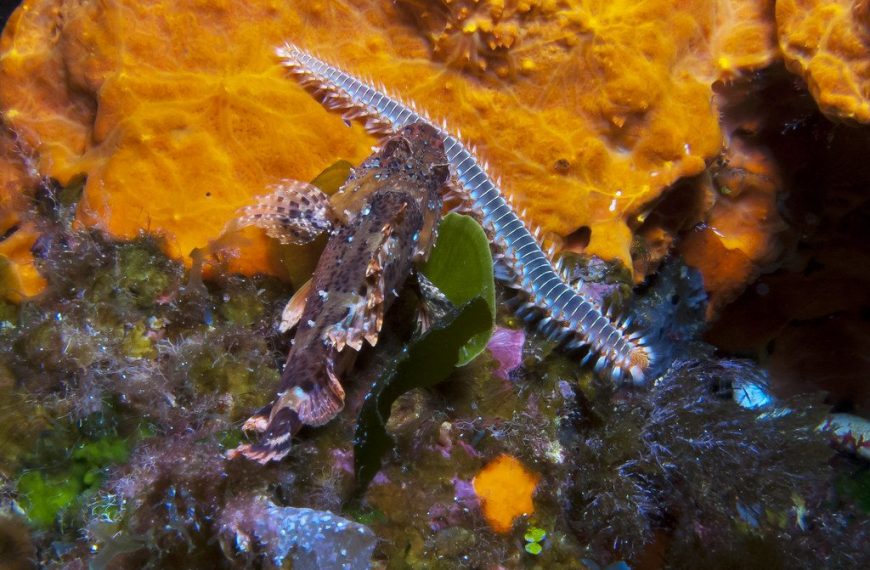
Bristleworms
Bristleworms are usually helpful reef tank scavengers. Learn how to identify them, control numbers, and spot the rare…
 By
By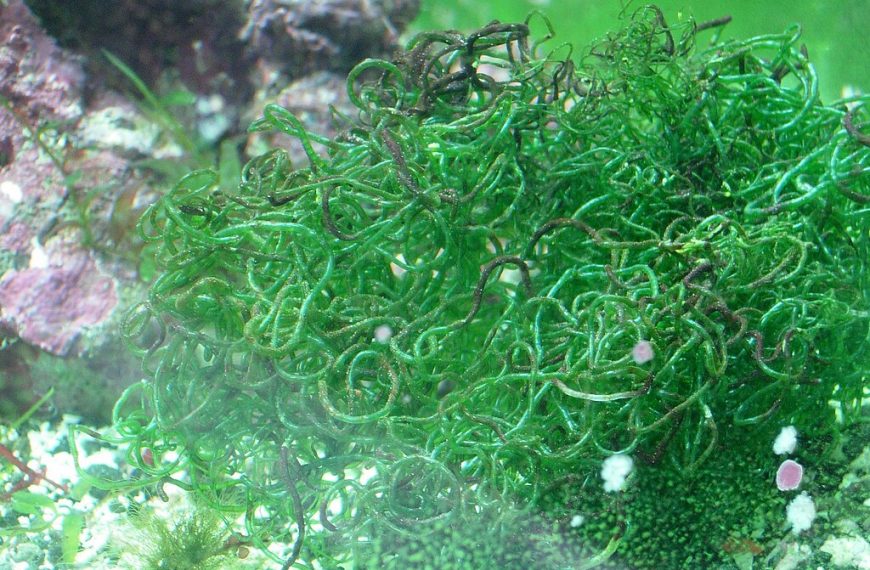
What is a Chaeto Reactor, and How Does it Help Control Nutrients?
A chaeto reactor grows macroalgae in a sealed chamber to remove nitrate and phosphate, helping reef tanks control…