

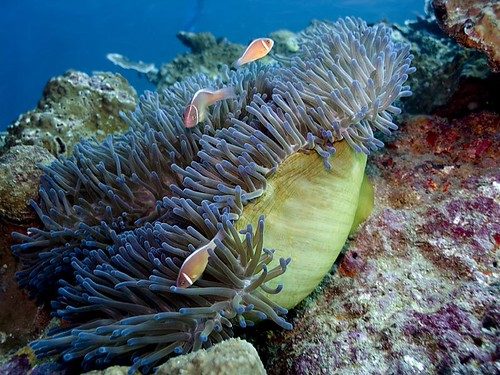
The Magnifica anemone (Heteractis magnifica), also called the Ritteri anemone, is one of the most iconic host anemones in the reef hobby. It is also one of the most demanding. When it thrives, it becomes a showpiece with long, flowing tentacles and strong hosting behavior for clownfish. When conditions are off, it can wander, shrink, or deteriorate quickly. This guide focuses on practical husbandry: tank maturity, placement, lighting and flow targets, feeding, compatibility, and troubleshooting so you can keep a Magnifica anemone healthy long-term.
Quick care overview
| Difficulty | Advanced |
| Recommended tank age | 6–12+ months (stable, mature reef) |
| Minimum tank size | 75 gallons (larger is better) |
| Lighting | High (PAR ~200–350+ at oral disc) |
| Flow | Strong, chaotic, indirect |
| Placement | High on rockwork, secure foot, near intense light |
| Feeding | 1–2x weekly (small meaty marine foods) |
| Reef safety | Reef-safe but can sting neighbors; needs space |
| Clownfish hosting | Common (especially Amphiprion percula/ocellaris and larger species) |
Natural history and why Magnifica needs “top of the reef” conditions
In the wild, Heteractis magnifica is typically found high on exposed reef slopes and pinnacles where sunlight is intense and water movement is constant. This habitat explains most care requirements in captivity: it wants bright light, strong oxygenation, and a stable place to anchor its foot deep in rock crevices. Unlike some sand-dwelling anemones, Magnifica is a rock anemone that often climbs upward until it finds a “sweet spot.” If your tank cannot provide that combination of light, flow, and stability, it will keep moving and may get injured by pumps or powerheads.
Tank requirements
Tank size and maturity
A Magnifica anemone is best reserved for stable, established reef systems. While you may see them offered for smaller aquariums, they can reach well over 12–20 inches across depending on conditions and strain, and they react poorly to swings in salinity, temperature, and nutrient levels.
- Minimum practical size: 75 gallons
- Ideal: 120 gallons or larger for stability and space
- Tank age: 6–12+ months with consistent parameters
Aquascape and placement strategy
Plan your rockwork with a dedicated “anemone zone.” Magnificas prefer to attach their foot (pedal disc) deep into a crack or hole in rock, then expand their oral disc into high light and high flow. If the foot cannot secure properly, the anemone may detach and wander.
- Create a high ledge or pinnacle near the top third of the tank.
- Provide multiple crevices where the foot can wedge in.
- Leave a wide buffer around it. Magnifica tentacles can sting corals and other anemones.
- Stabilize rockwork. A large anemone can shift loose rocks as it expands and contracts.
Critical safety: cover intakes and protect the anemone from pumps
Magnifica anemones are notorious for wandering during acclimation or after changes in lighting and flow. Unprotected pump intakes are one of the most common causes of catastrophic losses.
- Use foam guards or mesh covers on powerheads and overflows.
- Avoid placing a Magnifica in a tank with strong, unguarded propeller pumps in its likely path.
- Consider running a temporary anemone acclimation box or using a guarded low-flow period until it firmly attaches.
Water parameters for Magnifica anemone
Magnifica anemones demand stability more than “perfect numbers.” Keep parameters consistent week to week. Sudden salinity shifts, alkalinity swings, and overheating are common triggers for deflation cycles and wandering.
| Parameter | Recommended range | Notes |
|---|---|---|
| Temperature | 77–79°F (25–26°C) | Avoid spikes above 80–81°F |
| Salinity | 1.025–1.026 SG | Keep stable; match during water changes |
| pH | 8.1–8.4 | Stability matters more than chasing a number |
| Alkalinity | 8–9.5 dKH | Avoid rapid changes; steady dosing |
| Calcium | 400–450 ppm | Supports overall reef stability |
| Magnesium | 1250–1400 ppm | Helps maintain ionic balance |
| Ammonia/Nitrite | 0 | Non-negotiable |
| Nitrate | 2–15 ppm | Ultra-low nutrients can lead to pale, weak animals |
| Phosphate | 0.03–0.10 ppm | Keep measurable but controlled |
Lighting requirements
Magnifica anemones are high-light animals that rely heavily on their symbiotic zooxanthellae. In captivity, inadequate light is one of the most common reasons they climb, stretch, lose color, or fail to thrive. Aim for strong, broad-spectrum reef lighting and place the anemone high on the rockwork.
- Target PAR: roughly 200–350+ at the oral disc (some thrive higher if acclimated)
- Photoperiod: 8–10 hours of strong peak light
- Spectrum: blue-heavy reef spectrum with adequate white for balanced growth and coloration
Acclimation tip: If you are upgrading from weaker lighting or the anemone arrived stressed, use a ramp-up schedule (lower intensity at first, then increase over 2–3 weeks). Sudden jumps in PAR can trigger deflation and roaming.
Water flow: strong, indirect, and oxygen-rich
In nature, Magnifica anemones live where waves and surge constantly flush the reef with oxygen and food. In aquariums, they do best with strong, chaotic flow that moves the tentacles but does not blast the oral disc directly. Too little flow can lead to poor gas exchange, detritus settling on the oral disc, and repeated deflation. Too much direct laminar flow can cause the anemone to retract or move.
- Aim for randomized flow patterns using multiple pumps or wave modes.
- Position pumps so flow crosses in front of the anemone rather than firing straight at it.
- Ensure the tank has excellent surface agitation for oxygenation, especially at night.
Feeding Magnifica anemones
Even under high light, supplemental feeding improves growth, resilience, and recovery after shipping. Feed small portions that are easy to digest. Overfeeding or offering oversized chunks is a common cause of regurgitation and water quality issues.
Best foods
- Thawed mysis shrimp
- Chopped raw shrimp or scallop (marine origin preferred)
- Small pieces of silversides or marine fish (sparingly, not huge chunks)
- Quality frozen reef blends
How often to feed
For most established, well-lit systems: 1–2 times per week is a good target. If the anemone is newly imported, pale, or recovering, you can feed smaller portions more frequently (every 3–4 days) while closely monitoring nutrients.
Feeding technique
- Turn off or reduce pumps for 5–10 minutes so food is not blown away.
- Use feeding tongs to place food on the tentacles near the mouth.
- Watch for a strong, sticky feeding response. Weak adhesion can indicate stress.
- Restart flow once the food is clearly being moved to the mouth.
Compatibility and tankmates
Clownfish hosting
Magnifica is a natural host for several clownfish species. Hosting can be a positive sign, but very large or overly aggressive clowns can irritate a newly introduced anemone. If the anemone is still settling, consider separating the clownfish temporarily or adding the anemone before the clowns.
Corals and other anemones
Magnifica anemones have a potent sting and need space. Keep them away from LPS, soft corals, and especially other anemones. Chemical warfare and direct contact can lead to rapid decline in one or both animals.
- Give 8–12 inches of clearance minimum, more for large specimens.
- Avoid mixing with Bubble Tip Anemones and other host anemones in smaller tanks.
- Use activated carbon and strong skimming if you keep multiple stinging animals.
Fish and invertebrates to be cautious with
- Angelfish (some nip tentacles)
- Butterflyfish (many are anemone pickers)
- Large wrasses and triggers (may harass or rearrange rock)
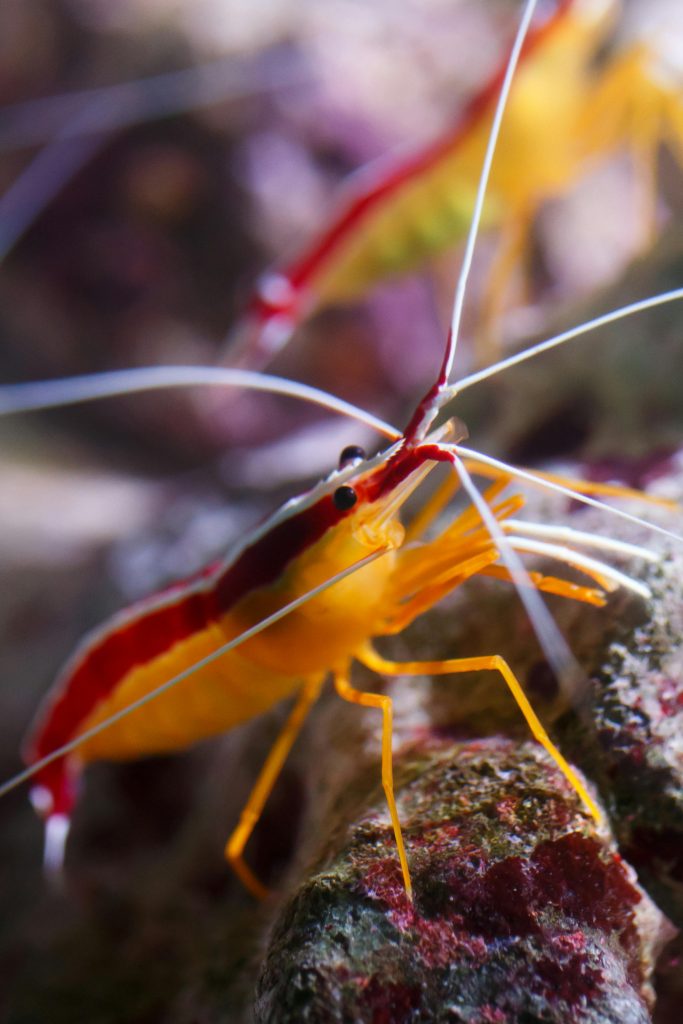
- Cleaner shrimp and peppermint shrimp (can steal food from the mouth)
Common problems and troubleshooting
Why is my Magnifica anemone wandering?
Wandering is usually a sign the anemone is searching for better light, flow, or a secure place for its foot. It can also happen after major parameter changes.
- Check light intensity: low PAR often triggers climbing.
- Check flow: too weak (stagnant) or too direct (blasting) both cause movement.
- Check salinity and temperature stability: even small swings can trigger roaming.
- Provide a better crevice: a deep, shaded crack with strong light above it is ideal.
- Protect pumps immediately: wandering can turn dangerous fast.
Deflation cycles: when is it normal and when is it a red flag?
Periodic deflation can be normal as anemones expel waste and refresh internal water. A healthy Magnifica typically reinflates within a few hours. Repeated, prolonged deflation or gaping is a warning sign.
- Often normal: brief deflation once in a while, then full reinflation and sticky tentacles.
- Concerning: deflated for most of the day, repeated daily, loss of stickiness, or a persistently open mouth.
If you see prolonged deflation, test ammonia (even trace is harmful), verify temperature stability, increase oxygenation, and avoid further major changes for a few days.
Gaping mouth or “inside-out” look
A slightly open mouth during feeding is normal. A wide, gaping mouth combined with limp tentacles and frequent deflation often indicates severe stress, infection, or damage from shipping. This is one of the most urgent symptoms.
- Verify ammonia is zero and salinity is correct.
- Increase aeration and ensure strong, indirect flow.
- Stop feeding until the mouth tightens and the anemone is holding inflation.
- Consider a hospital tank only if the display is unsafe (pump risk) or water quality is compromised. Moving a stressed Magnifica repeatedly can worsen outcomes.
Bleaching or loss of color
Bleaching is the loss of zooxanthellae or pigments, often from shipping stress, sudden lighting changes, or unstable parameters. A bleached Magnifica can recover, but it needs careful acclimation, stable water, and appropriate feeding.
- Do not blast a bleached anemone with maximum light on day one. Acclimate up to higher PAR.
- Feed small meals 2x weekly (or smaller amounts more often) to support energy needs.
- Keep nutrients measurable (avoid ultra-low nitrate and phosphate).
Not sticky, won’t take food
Healthy Magnifica tentacles are typically tacky and grab food readily. Lack of stickiness often points to stress from poor water quality, insufficient light, low oxygen, or recent damage.
- Recheck salinity calibration (a miscalibrated refractometer is common).
- Confirm alkalinity stability and avoid large corrections.
- Increase random flow and surface agitation.
- Pause feeding for a few days if it is regurgitating or gaping.
Propagation and splitting
Heteractis magnifica can reproduce asexually in captivity, but it is not as predictably “splitting” as Bubble Tip Anemones. Intentional cutting is generally not recommended for most hobbyists because Magnifica anemones can crash quickly if stressed or infected. If your anemone splits on its own, focus on stability and give each clone space, strong light, and protected pump intakes as they reattach and recover.
Buying tips and acclimation checklist
Many Magnifica losses trace back to poor initial specimen quality. Choose the healthiest animal you can and acclimate slowly.
What to look for at purchase
- Firm attachment to rock or a surface (good sign)
- Closed, tight mouth
- Good inflation and responsive tentacles
- Consistent color (not stark white unless you are prepared for a recovery project)
- Avoid specimens that are limp, gaping, or repeatedly collapsing
Acclimation basics
- Match temperature first.
- Use a slow drip acclimation if salinity differs significantly.
- Handle gently and avoid tearing the foot. Never pull it off rock forcefully.
- Place it on a prepared rock crevice in the upper tank with guarded pumps.
- Dim lights for the first day, then ramp up intensity.
FAQ
Is a Magnifica anemone good for beginners?
Not usually. Magnifica anemones need strong lighting, strong flow, and very stable water chemistry. They are best for intermediate to advanced reef keepers with mature systems.
How big does a Magnifica anemone get?
In aquariums, many reach 12–20 inches across when fully expanded, sometimes larger. Plan for significant space and keep corals at a safe distance.
What clownfish will host a Magnifica anemone?
Many clownfish species may host it, especially those that naturally associate with Heteractis magnifica. Even common ocellaris and percula often accept it, though behavior varies by individual fish.
Why is my Magnifica anemone climbing to the top?
Climbing is typically a response to insufficient light or suboptimal flow. Magnifica anemones naturally prefer high, brightly lit positions with strong, oxygen-rich water movement.
How often should I feed my Magnifica anemone?
Most do well with small meaty foods 1–2 times per week. If it is pale or recovering, feed smaller portions a bit more frequently while keeping nutrients under control.
Was this helpful?
Related Posts
Juvenile Orange Shoulder (acanthurus Olivaceus)
Juvenile orange shoulder tangs are bright, hardy, and reef safe, but they grow large and need a spacious…
 By
By
Best Filtration Systems
Best Filtration Systems for a Healthy Saltwater Aquarium Choosing the best filtration system for your saltwater aquarium is…
[favorite_button]
My Bookmarks:
To see full list click here
[user_favorites user_id="" include_links="true" site_id="" post_types="" include_thumbnails="true" thumbnail_size="thumbnail" include_excerpt="false"]