

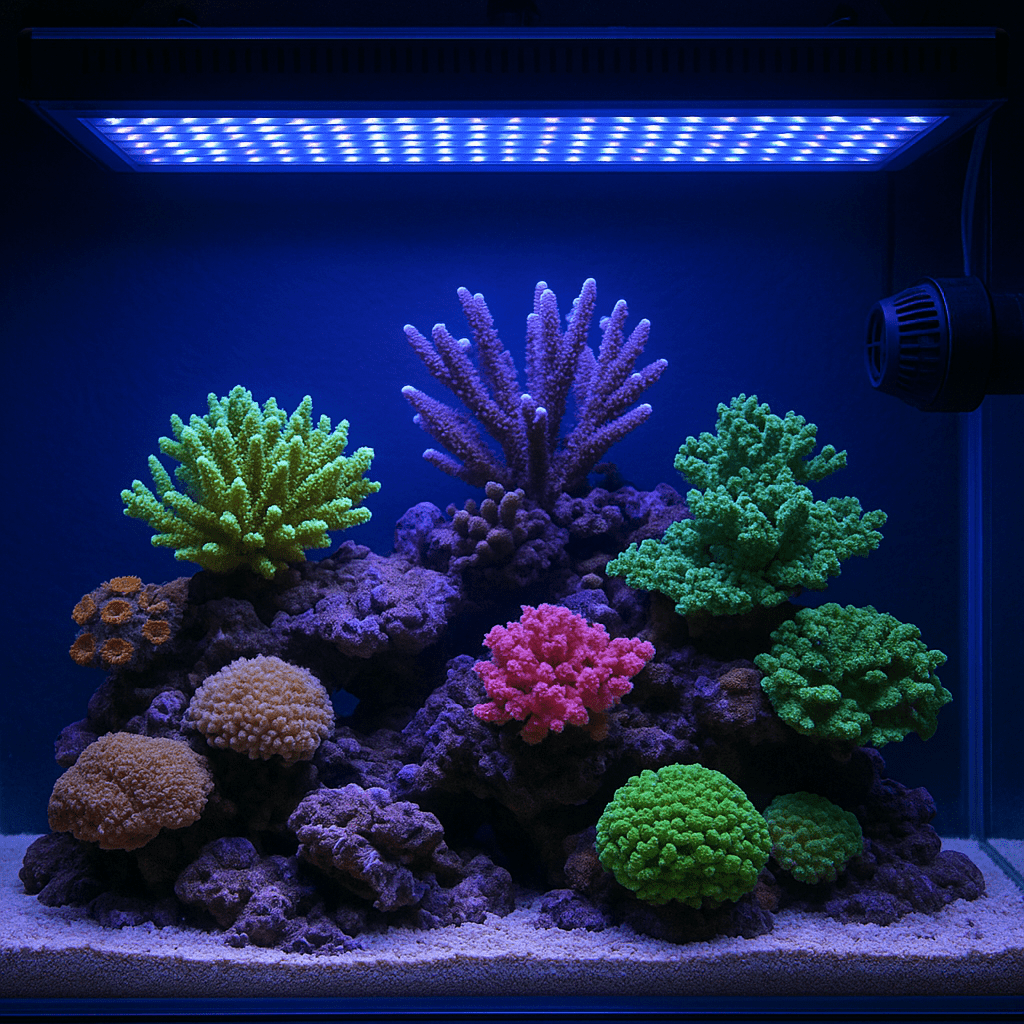
Marine aquarium fish care starts with stable water, proper stocking, and species-appropriate feeding. Healthy saltwater fish need a mature tank, low stress, and careful observation. Learn how to choose fish, set up the aquarium, feed correctly, and prevent common problems before they become losses.
Keeping marine fish is exciting, but it can feel intimidating at first. Saltwater species often come from stable ocean environments. They react poorly to sudden change. That is why success depends on consistency more than expensive equipment. In this guide, you will learn the basics of marine aquarium fish care in simple terms. We will cover tank setup, water chemistry, feeding, compatibility, quarantine, and troubleshooting. If you follow these core practices, you can avoid many beginner mistakes and keep your fish active, colorful, and long-lived.
Quick Reference Table
| Care Area | Best Practice |
|---|---|
| Tank maturity | Cycle the tank fully before adding fish |
| Temperature | Keep 76–78°F stable |
| Salinity | Maintain 1.024–1.026 specific gravity |
| Ammonia and nitrite | Always 0 ppm |
| Nitrate | Keep as low and stable as practical |
| Quarantine | Quarantine all new fish before display entry |
| Feeding | Feed varied foods in small portions |
| Stocking pace | Add fish slowly over time |
| Flow | Provide strong oxygenation without exhausting weak fish |
| Observation | Watch fish daily for behavior and appetite changes |
This table covers the basics, but each point matters more than many hobbyists expect. Most marine fish losses happen from rushed setup, poor acclimation, or unstable conditions. Start simple. Build good habits early. Your fish will reward you with better color, stronger feeding response, and fewer disease issues.
Natural Habitat and Why It Matters
Most marine aquarium fish come from coral reefs, lagoons, seagrass beds, or rocky coastal zones. These habitats are stable compared to many freshwater systems. Salinity changes little. Temperature swings are mild. Oxygen levels stay high. Water quality remains consistent.
This matters because reef fish do not handle sudden change well. A clownfish, wrasse, goby, or tang may survive poor conditions briefly. Long term, stress weakens the immune system. That opens the door to parasites, bacterial infections, and poor feeding response.
Habitat also shapes behavior. Some fish hover near rock crevices. Others cruise open water all day. Some sift sand. Others graze algae from hard surfaces. If your aquarium matches those needs, fish settle faster and show more natural behavior. Before buying any species, learn where it lives and how it feeds in nature. That one step prevents many compatibility and care mistakes.
Aquarium Setup for Marine Fish
Choose the largest tank your space and budget allow. Bigger tanks are easier to stabilize. Small tanks change fast. That makes mistakes harder to correct. For beginners, a 40-gallon breeder or larger is often a good starting point. It gives room for rockwork, equipment, and a modest fish community.
Use quality live rock or dry rock with a mature biological filter. Fish need hiding places. Rockwork reduces stress and creates territories. Leave open swimming space too. Active fish need room to move. Add a lid or mesh screen. Many marine fish jump, especially wrasses, gobies, and firefish.
Essential equipment includes a heater, thermometer, powerheads, protein skimmer, and reliable filtration. A sump helps, but it is not required. Strong surface agitation is important. Marine fish need oxygen-rich water. Use reef-safe salt mix and RODI water when possible. That reduces nuisance algae and unwanted contaminants.
If you are still planning your system, read these guides: reef tank setup guide, saltwater aquarium cycling, and best clean up crew for reef tank.
Water Parameters and Stability
Stable water beats chasing perfect numbers. Marine fish tolerate a range, but they dislike rapid swings. Keep temperature between 76 and 78°F. Maintain salinity at 1.024 to 1.026 specific gravity. Ammonia and nitrite must stay at zero. Nitrate should remain controlled and stable.
pH usually falls between 8.0 and 8.4. Do not make sudden pH corrections unless there is a clear problem. Test salinity with a calibrated refractometer. Swing-arm hydrometers are less reliable. Top off evaporation with fresh water, not saltwater. Salt stays behind when water evaporates.
Regular water changes help maintain stability. They also dilute waste and replenish trace elements. Many fish-only or mixed reef tanks do well with 10 to 15 percent weekly changes. The exact schedule depends on stocking and feeding. Test often at first. Once the tank is stable, focus on trends instead of random single readings.
Lighting Requirements for Marine Fish Tanks
Fish do not need intense reef lighting unless you also keep demanding corals. For fish care, the goal is a natural day and night rhythm. Moderate lighting works well for most marine aquariums. Sudden bright light can stress shy species. Use a ramp-up feature if your light supports it.
Give fish a consistent schedule. Eight to ten hours of full lighting is enough in many systems. Ambient room light before and after the main photoperiod helps reduce startle responses. If fish dart wildly when lights switch on, the transition is too abrupt.
Too much light can also fuel algae if nutrients are high. That is not directly harmful to fish, but it can reduce enjoyment and create maintenance issues. Match lighting to the full system. In fish-only tanks, simple and stable is usually best.
Water Flow and Oxygenation
Marine fish need good circulation and strong gas exchange. In nature, reef water moves constantly. In the aquarium, flow keeps oxygen high and waste suspended for filtration. Aim for visible surface movement. Dead spots should be limited.
That said, not every fish likes blasting current. Tangs and anthias handle stronger flow well. Firefish and some gobies prefer calmer zones. Build varied flow areas with rock placement and pump direction. Fish should be able to rest without struggling.
If fish gasp at the surface, check oxygen first. High temperature, poor surface agitation, and heavy stocking all reduce oxygen. This issue often appears at night, especially in crowded tanks. Extra aeration and better flow can solve it quickly.
Feeding Marine Aquarium Fish
Feed a varied diet. That is one of the most important rules in marine aquarium fish care. Different species need different foods. Clownfish and many community fish accept pellets, frozen mysis, brine shrimp, and finely chopped seafood. Herbivores need algae sheets and plant-based foods. Planktivores often prefer smaller, more frequent meals.
Feed small portions once or twice daily for most tanks. Only offer what fish can eat quickly. Overfeeding drives up nutrients and harms water quality. Underfeeding causes weight loss, aggression, and weak immune response. Watch body shape. A pinched belly often means the fish needs more food or the wrong food type.
Soak foods occasionally in vitamins if fish are stressed or newly imported. Rotate brands and food types. That helps cover nutritional gaps. If you keep algae grazers, provide constant access to nori several times per week. For more help, see best food for saltwater fish.
Compatibility and Stocking Choices
Compatibility is more than whether fish fight. It includes adult size, swimming style, feeding speed, and territory needs. A peaceful fish can still fail in the wrong community. Slow feeders may starve beside aggressive eaters. Shy fish may hide constantly with boisterous tankmates.
Research adult size before buying. Many juvenile fish look harmless in stores. Some outgrow small aquariums quickly. Add peaceful fish first. Add territorial fish later. Avoid combining similar-shaped species in small tanks, especially tangs and some dwarf angels.
Reef safety matters too. Some fish nip corals, clams, or ornamental invertebrates. Others prey on shrimp or small crustaceans. Always check species-specific behavior. If you want a mixed reef, choose proven community fish and stock conservatively. Good planning prevents aggression far better than trying to fix it later.
Step-by-Step Guide to Adding New Marine Fish
Follow a repeatable process every time you add a fish. This reduces stress and disease risk.
- Research the species fully. Confirm tank size, diet, and temperament.
- Inspect the fish before purchase. Avoid fish with spots, torn fins, or rapid breathing.
- Quarantine the fish in a separate tank. Observe and treat if needed.
- Make sure the display tank is cycled and stable.
- Acclimate for temperature and salinity carefully.
- Dim the lights during introduction.
- Offer hiding places immediately.
- Feed lightly after the fish settles.
- Monitor behavior, breathing, and appetite daily.
- Add new fish slowly. Let the biofilter adjust.
This simple routine prevents many common losses. Quarantine is especially important. It protects your display tank from parasites and gives new fish time to recover from shipping stress.
Quarantine and Disease Prevention
Quarantine is one of the best habits in marine fishkeeping. New fish often arrive stressed. Some carry ich, velvet, flukes, or bacterial infections without obvious symptoms. If you place them straight into the display, every fish becomes exposed.
A basic quarantine tank can be simple. Use a bare tank, heater, sponge filter, cover, and a few inert hiding places. Observe the fish for several weeks. Watch for flashing, scratching, excess mucus, heavy breathing, or appetite loss. Treat only when needed, or follow a preventive protocol if you have experience.
Also quarantine invertebrates and corals when possible. While they do not host every fish disease the same way, they can still complicate pest control and system stability. A careful quarantine plan saves money, time, and livestock in the long run. For a deeper look, visit how to quarantine saltwater fish.
Common Problems
Fish Are Breathing Fast
Rapid breathing often points to low oxygen, ammonia exposure, parasites, or shipping stress. Test ammonia first. Check temperature and salinity. Increase surface agitation. If only one fish is affected, inspect for gill disease or bullying. If several fish are affected, suspect water quality or oxygen shortage.
Fish Won’t Eat
New fish often refuse food for a few days. Stress is the usual cause. Offer the right food type for the species. Try frozen foods, live blackworms where appropriate, or algae sheets for herbivores. Reduce aggression and provide cover. Persistent refusal may signal disease or internal parasites.
White Spots on Marine Fish
White spots can indicate marine ich, but not always. Sand grains, lymphocystis, and other issues can look similar. Watch breathing rate and behavior. If spots spread and fish scratch, act quickly. Move fish to treatment if possible. Do not medicate the display reef casually.
Aggression in the Tank
Aggression usually comes from crowding, poor stocking order, or territory disputes. Rearranging rockwork can help. So can adding visual breaks. In severe cases, remove the aggressor. Some species simply do not mix in smaller tanks.
Fish Keep Dying After Purchase
Look for patterns. The tank may not be fully cycled. Salinity may swing too much. Acclimation may be rushed. Disease may be entering without quarantine. Test water, slow stocking, and buy from trusted sources. Most repeated losses trace back to process problems, not bad luck.
Frequently Asked Questions
How often should I feed marine aquarium fish?
Most marine fish do well with one or two small meals daily. Active planktivores may need more frequent feeding. Keep portions small and varied.
What is the best beginner marine fish?
Captive-bred clownfish are among the best beginner choices. They are hardy, widely available, and adapt well to aquarium foods.
Do all saltwater fish need quarantine?
Yes, quarantine is strongly recommended for all new marine fish. It lowers disease risk and helps fish recover before joining the display tank.
Can marine fish live in a small tank?
Some species can, but small tanks are less stable. Nano systems require careful stocking and close attention to salinity and temperature.
Why is stable salinity so important?
Marine fish regulate body fluids against salty water. Sudden salinity swings create stress fast. Stable salinity supports health and reduces disease risk.
Good marine aquarium fish care is built on patience and consistency. Start with a stable tank. Choose compatible fish. Feed the right foods. Quarantine every new arrival. Watch your fish every day. Those simple habits matter more than chasing trends. When the basics are strong, saltwater fishkeeping becomes far more rewarding and much less stressful.
Was this helpful?
Related Posts
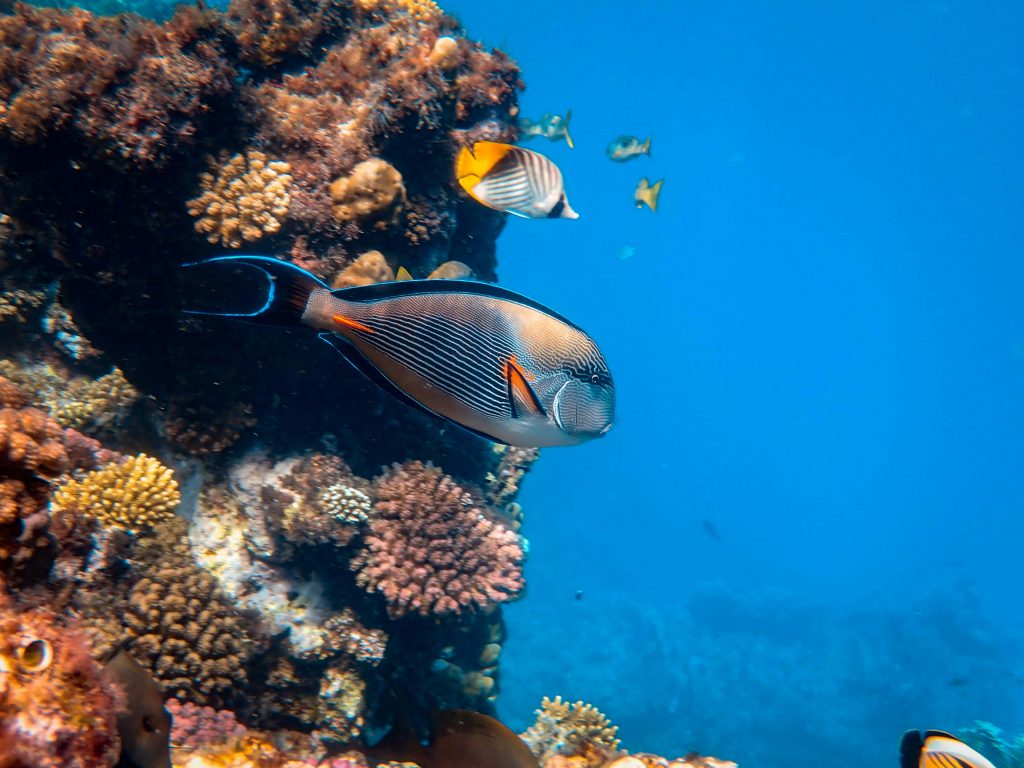
Sohal Tang (Acanthurus Sohal)
Sohal Tang care centers on space, heavy feeding, and aggression control. Learn tank size, diet, compatibility, and common…
 By
By
Reef Safe Fish Guide
Learn which reef safe fish work best in coral tanks, plus species to avoid, compatibility tips, and beginner-friendly…
[favorite_button]
My Bookmarks:
To see full list click here
[user_favorites user_id="" include_links="true" site_id="" post_types="" include_thumbnails="true" thumbnail_size="thumbnail" include_excerpt="false"]