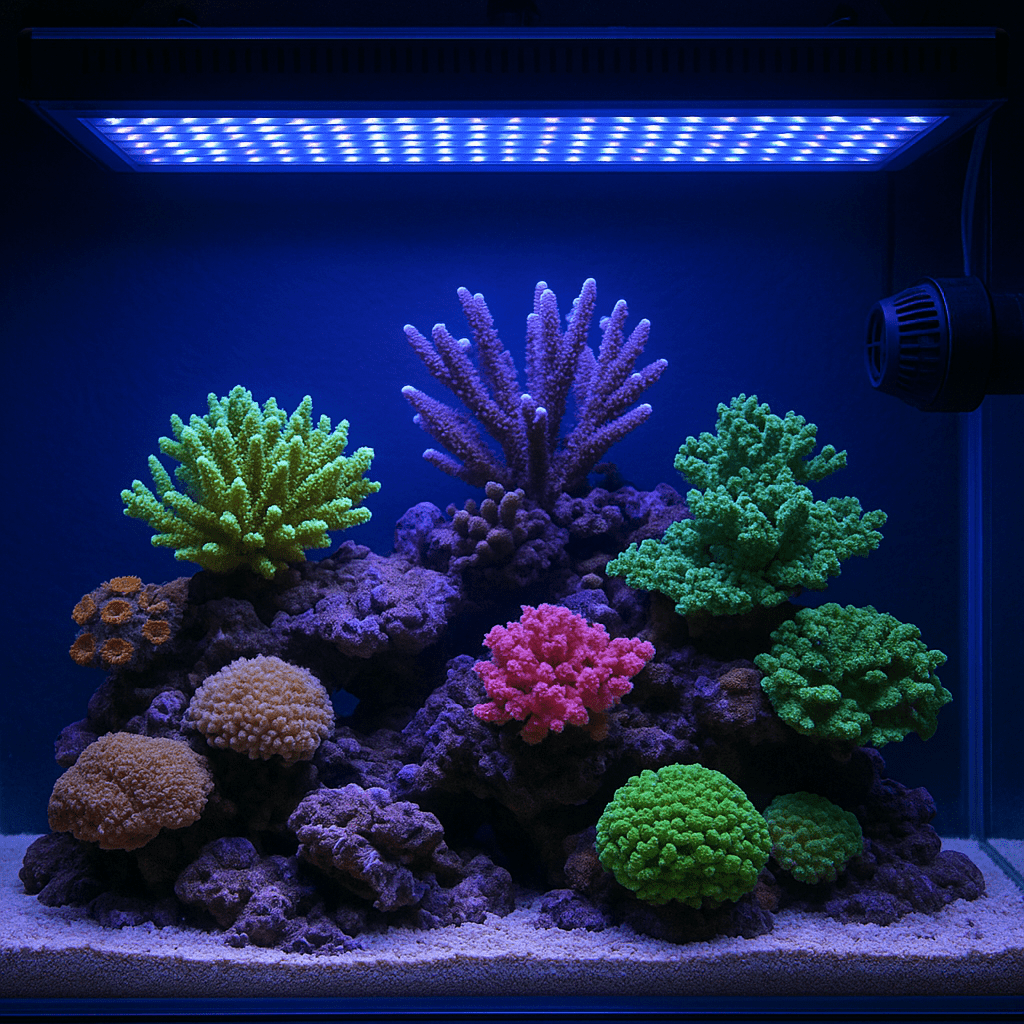
Proper nutrition planning keeps reef tanks stable, colorful, and growing. Fish, corals, and invertebrates all need different foods. A good plan prevents starvation, excess waste, and nuisance algae. It also helps you feed with purpose instead of guessing at every meal.
Many reef problems start with feeding mistakes. Some tanks are underfed. Fish become thin and corals lose tissue. Other tanks are overfed. Nutrients rise and algae takes over. This guide explains how to build a simple feeding plan for your reef. You will learn what to feed, how often to feed, and how to match nutrition to your livestock. We will also cover target feeding, nutrient balance, supplements, and common feeding problems. If you want healthier fish, better coral color, and steadier water quality, nutrition planning is one of the best skills to master.
Quick Reference Feeding Table
| Livestock Type | Main Foods | Feeding Frequency | Key Tip |
|---|---|---|---|
| Community reef fish | Pellets, frozen mysis, brine, chopped seafood | 1 to 3 times daily | Feed small portions that finish quickly |
| Herbivores | Nori, algae pellets, spirulina foods | Daily | Provide frequent plant matter |
| LPS corals | Mysis, reef roids, minced meaty foods | 1 to 3 times weekly | Target feed with pumps slowed |
| SPS corals | Fine planktonic foods, amino support | 2 to 4 times weekly | Keep nutrients stable, not zero |
| Soft corals | Dissolved nutrients, fine plankton foods | 1 to 2 times weekly | Avoid heavy feeding unless needed |
| Filter feeders | Phytoplankton, zooplankton blends | Several small doses weekly | Match food size to the animal |
Use this table as a starting point. Every reef tank is different. Your stocking level, filtration, and coral mix will change the final plan.
Why Proper Nutrition Planning Matters
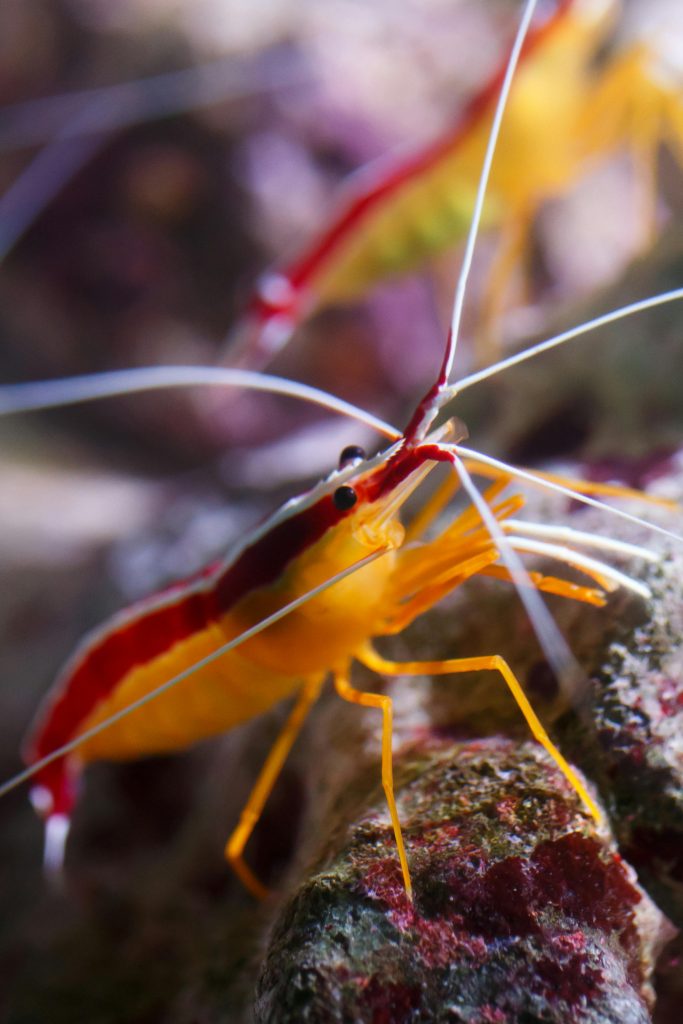
Nutrition affects nearly every part of reef husbandry. Fish need calories, protein, fats, vitamins, and trace minerals. Corals also need energy. Many corals rely on light, but most also benefit from feeding. Invertebrates have their own needs too. Cleaner shrimp, crabs, snails, and clams all use nutrients differently.
A planned approach creates consistency. Consistency is what reef tanks love most. Random feeding causes swings in nitrate and phosphate. It also makes fish behavior harder to read. With a plan, you can watch body condition, coral extension, and nutrient trends over time. Then you can adjust with confidence.
Proper feeding also improves disease resistance. Well-fed fish handle stress better. They maintain stronger immune function. Corals with enough energy recover faster from fragging, shipping, and parameter swings. Good nutrition will not fix poor water quality. Still, it gives your livestock a better chance to thrive.
Know What Your Reef Actually Needs
Start by listing every animal in the tank. Group them by feeding style. This step sounds simple, but it changes everything. A mixed reef with clownfish, wrasses, acans, and trochus snails needs a different plan than an SPS system with anthias.
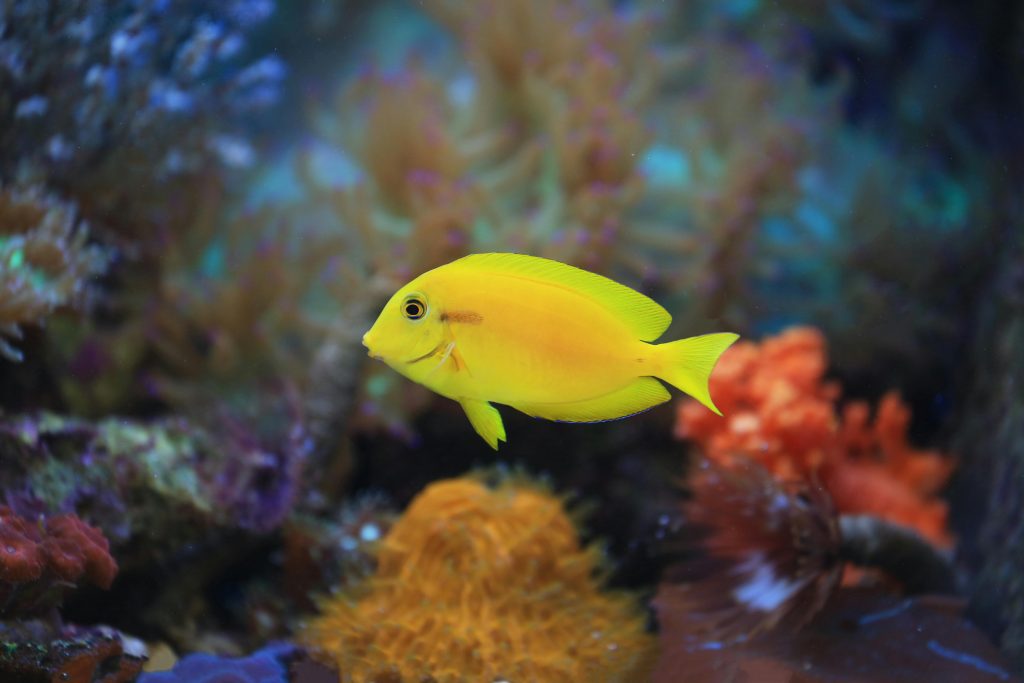
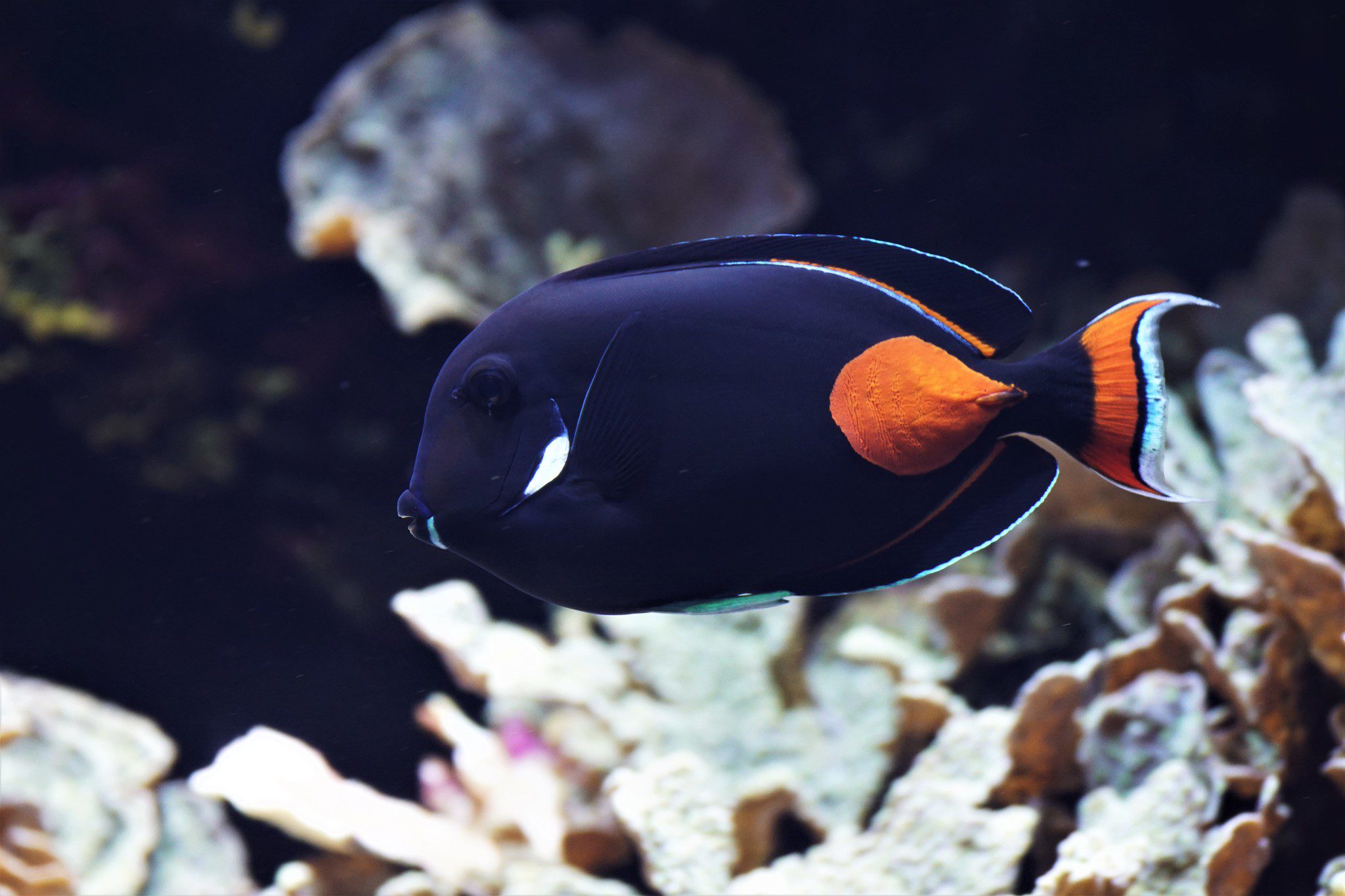
Fish can be divided into herbivores, omnivores, and carnivores. Tangs and rabbitfish need regular algae. Wrasses and hawkfish prefer meaty foods. Clownfish usually accept almost anything. Anthias need frequent small meals. Mandarins need live pods unless trained onto prepared foods.
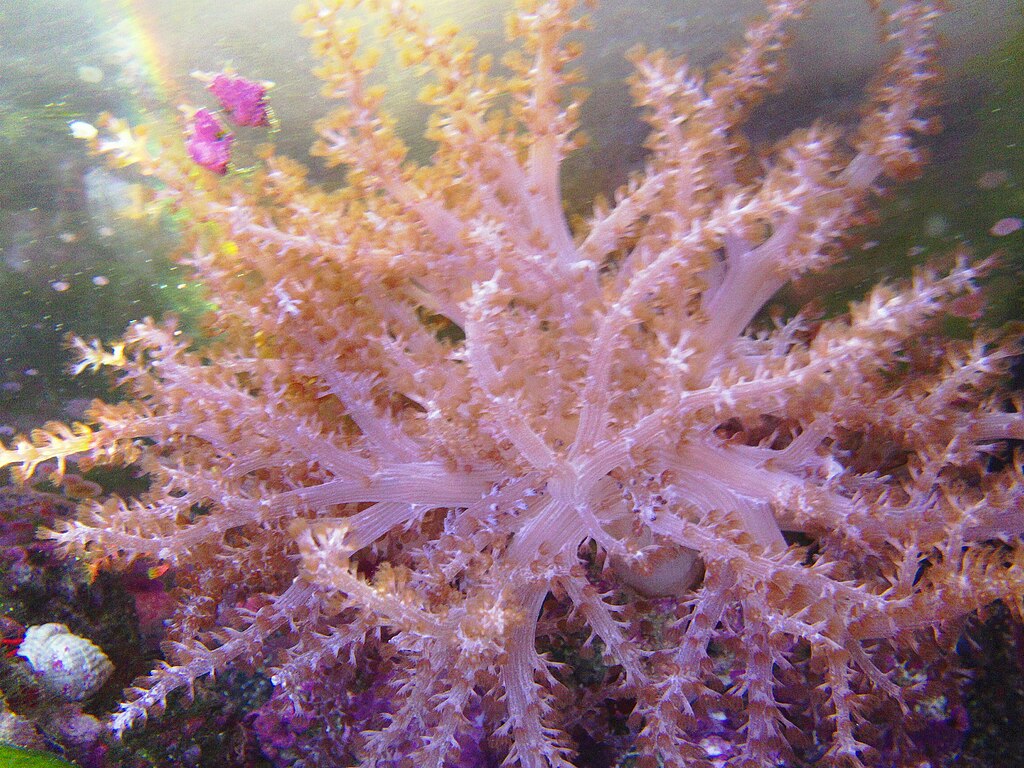
Corals also vary. Many soft corals are less dependent on direct feeding. LPS corals often respond well to target feeding. SPS corals benefit from very fine foods and stable nutrient availability. Non-photosynthetic corals need dedicated feeding and advanced care. If you feed every coral the same way, you will waste food and miss important needs.
For more help with livestock choices, see reef tank compatibility guide and beginner reef tank setup.
Build a Step-by-Step Feeding Plan
A good feeding plan should be simple enough to repeat. Complicated plans often fail after a few weeks. Use these steps to build one that lasts.
- List all fish, corals, and invertebrates.
- Assign each animal a feeding category.
- Choose two or three staple foods.
- Add one algae food if you keep herbivores.
- Add one coral food if your corals benefit from it.
- Set a daily fish feeding schedule.
- Set a weekly coral feeding schedule.
- Test nitrate and phosphate every week.
- Adjust portions before changing food types.
- Record what works in a tank journal.
Most reef tanks do well with small, frequent fish feedings. One large feeding often creates more waste. Corals usually need less food than beginners expect. Feed fish enough to maintain body weight and activity. Feed corals enough to support growth without clouding the tank with leftovers.
If you use an auto feeder, test it before relying on it. Many pellet foods absorb moisture and clump. Check output often. Pair dry food with frozen foods for variety. Variety helps prevent gaps in nutrition.
Best Foods for Reef Fish
High-quality pellets are one of the easiest staples. They are clean, consistent, and easy to portion. Look for marine-based ingredients first. Frozen foods add variety and usually trigger a strong feeding response. Mysis shrimp is a favorite for many species. Enriched brine shrimp works well as part of a rotation, but it should not be the only food.
Herbivores need algae every day. Nori sheets are simple and effective. Spirulina flakes and algae pellets also help. Carnivores benefit from chopped shrimp, clam, krill, or quality frozen blends. Omnivores do best with mixed diets.
Do not chase expensive foods just for marketing. Read ingredients instead. Look for protein sources from marine animals. Avoid foods packed with fillers. Also watch particle size. Tiny fish need tiny foods. Large chunks can cause waste and missed meals.
If you are working on fish health, read reef fish quarantine guide. Nutrition and quarantine work best together.
Feeding Corals Without Polluting the Tank
Coral feeding should match coral type. LPS corals often accept meaty foods. Acanthastrea, blastomussa, and scolymia usually respond well to target feeding. Use small portions. Large chunks can rot if the coral drops them. Feed after lights dim if feeding response is weak.
SPS corals usually prefer smaller foods. Broadcast feeding fine plankton foods can work well. Keep portions light. SPS tanks often react badly to heavy feeding if export is weak. Soft corals may benefit from dissolved nutrients and occasional fine particulate foods. Many will thrive without direct feeding in a balanced reef.
Turn off return pumps if needed during target feeding. Leave a little flow so food stays suspended. Restart pumps after ten to fifteen minutes. Watch your skimmer too. Some coral foods cause strong skimmer reactions. If nutrients rise quickly, reduce frequency first. Do not cut all feeding at once.
You can learn more about nutrient balance in reef tank water parameters.
Nutrition, Water Chemistry, and Nutrient Export
Feeding and water chemistry are tightly linked. Every food added to the tank becomes nutrition or waste. If export cannot keep up, nitrate and phosphate rise. If export is too aggressive, corals can pale and stall. The goal is balance, not starvation.
Protein skimmers remove dissolved organics. Filter socks catch particles. Refugiums and algae scrubbers absorb nutrients. Water changes dilute buildup. These tools let you feed more safely. Still, they do not excuse sloppy feeding. Uneaten food should be rare.
Test nitrate and phosphate regularly. If both are near zero and corals look pale, the tank may be underfed. If both climb and algae spreads, feeding may be too heavy. Adjust one thing at a time. Reduce portion size before cutting feeding frequency. Stable routines are easier on fish.
Supplements, Aminos, and Vitamins
Supplements can help, but they are not magic. Vitamin soaks may benefit picky fish or recent imports. Amino acid products can improve coral response in some systems. Phytoplankton helps certain filter feeders. None of these products replace a sound feeding plan.
Use supplements carefully. Start with low doses. Watch nutrient trends and coral behavior. If a product causes cloudy water, bacterial film, or algae growth, back off. Many tanks do very well with simple foods and good consistency. Fancy bottles are optional. Strong basics are not.
Calcium, alkalinity, and magnesium are also part of nutrition in a broad sense. Corals need them for skeleton growth. They are not foods, but they support growth driven by feeding and light. If coral growth increases after better feeding, demand for these elements may rise too.
Common Problems
Fish look hungry all the time
Many reef fish act hungry even when well fed. This is normal behavior. Check body shape instead. Sunken bellies suggest underfeeding. Aggression at feeding time can also mean food is too limited or particle size is wrong. Try smaller meals twice daily.
Nitrate and phosphate keep rising
Overfeeding is common, but hidden waste also matters. Check filter socks, rock crevices, and low-flow zones. Rinse frozen foods if they are messy. Feed less per meal. Improve export if the tank is heavily stocked. Test after each change.
Corals are pale despite good lighting
Pale corals can signal low nutrients or inadequate feeding. Review nitrate and phosphate first. If both are bottomed out, the tank may be too clean. Increase fish feeding slightly. Add a fine coral food once or twice weekly. Make changes slowly.
Target-fed corals spit food out
The food may be too large or too frequent. Try smaller pieces. Feed when tentacles are extended. Reduce flow briefly during feeding. Some corals simply do not need direct feeding as often as hobbyists expect.
Pods and microfauna disappear
Heavy predation is the usual cause. Mandarins, wrasses, and some gobies can reduce pod populations fast. Add refugium space if possible. Feed pod-eating fish more often with suitable prepared foods. Seed pods again if needed.
Frequently Asked Questions
How often should I feed reef fish?
Most reef fish do well with one to three small meals daily. Active planktivores may need more frequent feeding.
Do corals need to be fed?
Many corals benefit from feeding, but not all need direct feeding. Match the method to the coral type.
Is frozen food better than pellets?
Neither is always better. A mix of quality pellets and frozen foods usually gives the best balance of convenience and variety.
Should I rinse frozen food?
Rinsing can reduce excess juices and fine waste. It is most useful in smaller tanks or nutrient-sensitive systems.
What is the biggest feeding mistake in reef tanks?
The biggest mistake is inconsistency. Random portions and random foods make both livestock health and nutrient control harder.
Final Thoughts
Proper nutrition planning is not about feeding the most. It is about feeding the right foods in the right amounts. Start simple. Use a few quality staples. Match foods to the animals you keep. Then watch body condition, coral response, and nutrient levels. Over time, your reef will tell you what works. A steady feeding routine often leads to better color, stronger growth, and fewer avoidable problems.
Was this helpful?
Related Posts
Easy Corals for Small Reef Tanks
Easy corals for small reef tanks that stay hardy and colorful. Get simple picks, placement tips, and stable…
Green Star Polyps Care
Green star polyps are easy, fast-growing corals that love moderate light and flow. Learn how to keep them…