

Marine ich signs usually start as small white spots, scratching, and fast breathing. Early detection matters. Quick action can prevent heavy losses and help you confirm whether the problem is truly marine ich or another common saltwater fish disease.
Marine ich is one of the most searched reef tank disease topics for a reason. It is common, stressful, and often misunderstood. Many hobbyists first notice a few white dots and assume the worst. Sometimes they are right. Sometimes the fish has velvet, lymphocystis, sand stuck to mucus, or another issue. In this guide, you will learn the most reliable marine ich signs, how symptoms change over time, and how to tell ich apart from similar problems. You will also learn what to do next, why reef-safe cures fail, and how to protect the rest of your tank.
Quick Reference Table
| Topic | What to Look For |
|---|---|
| Typical appearance | Small white dots like salt grains on fins, body, or gills |
| Early behavior signs | Scratching, flashing, hiding, reduced appetite, mild lethargy |
| Serious warning signs | Rapid breathing, clamped fins, severe weakness, staying near flow |
| Common confusion | Marine velvet, lymphocystis, sand, stress spots, brooklynella |
| Most affected fish | Tangs, angelfish, butterflies, wrasses, and newly added fish |
| Where it lives | On fish briefly, then in the tank as part of its life cycle |
| Reef tank treatment | Remove fish for proven treatment; leave display tank fallow |
| Best prevention | Quarantine, observation, stable water quality, low stress |
What Is Marine Ich?
Marine ich is caused by the parasite Cryptocaryon irritans. It infects saltwater fish and irritates the skin and gills. The parasite does not stay visible at all times. That detail confuses many reef keepers. White spots can appear, fall off, and then return in larger numbers later.
The visible stage is only part of the life cycle. After feeding on the fish, the parasite drops off and reproduces in the tank. New infectious stages then search for another host. This is why a fish may look better for a few days, then crash later. The disease was never gone. It was simply between visible stages.
Stress makes outbreaks worse. Shipping, aggression, poor diet, unstable salinity, and temperature swings all reduce resistance. Healthy fish can still get ich, but stressed fish show signs faster. In reef tanks, the parasite can persist if fish remain present.
Most Common Marine Ich Signs
The classic sign is small white spots. They look like fine grains of salt. Spots often appear on the fins first. They may also show on the body, around the eyes, or near the gill covers. Some fish show only a few visible dots even during a serious infection.
Behavior changes often appear before heavy spotting. Fish may scratch against rock or sand. This is called flashing. They may twitch, dart, or shimmy. Some fish hide more than usual. Others stop competing for food. Tangs often lose confidence early.
Respiratory signs are especially important. If the gills are affected, the fish may breathe faster. You may see stronger gill movement. The fish may hover near powerheads or the surface. Heavy gill involvement can become deadly before many body spots appear. That is why breathing rate matters as much as visible dots.
How Marine Ich Progresses Over Time
Early infections can look mild. You may see one or two spots and normal swimming. The fish may still eat. At this stage, many hobbyists wait too long. They hope the problem will pass. That delay often allows the parasite population to multiply.
Next, the fish often shows more irritation. Flashing increases. Appetite drops. Fins may clamp. The fish may isolate itself. In some cases, the white spots disappear for a short period. This fools people into thinking the fish recovered. In reality, the parasites likely dropped off to reproduce.
Later waves are often worse. More fish may show signs. Breathing may become rapid. The infected fish may look dull, thin, or weak. Secondary bacterial infections can follow. A severe outbreak can spread through the whole tank. Mortality rises sharply when gills are involved or when another disease is present at the same time.
How to Tell Marine Ich From Similar Diseases
Marine velvet is the most dangerous lookalike. Velvet often causes very fine dusting rather than distinct salt-like spots. Fish usually breathe fast much earlier. They may stop eating quickly. The disease often kills faster than ich. If fish decline within a day or two, suspect velvet first.
Lymphocystis looks different. It causes irregular white or cream nodules. These growths are often larger than ich spots. They usually appear on fins or skin and do not come and go in waves like ich. Sand can also stick to a fish’s slime coat after sleeping or digging. Those grains usually fall off quickly.
Brooklynella often causes excess mucus, skin sloughing, and severe distress. Clownfish are common victims. Bacterial issues may cause cloudy patches rather than clean white dots. If you are unsure, watch the breathing rate, speed of decline, and spot texture. Those clues help narrow the cause.
Fish Most Likely to Show Signs First
Tangs are famous for showing marine ich signs early. Their thin slime coat may make spots easier to notice. Powder Blue Tangs, Achilles Tangs, and Powder Brown Tangs are especially notorious. Angelfish and butterflyfish also stress easily after shipping and often show symptoms quickly.
Wrasses can be tricky. Some species hide symptoms well. Others dive into sand, which makes visual diagnosis harder. Clownfish can get ich, but they are also prone to brooklynella, so careful observation matters. Gobies and blennies may show fewer visible spots but still suffer gill irritation.
New fish are the highest risk. A fish added without quarantine can carry the parasite even if it looks clean. Existing fish may then become infected days or weeks later. This delayed pattern is common in display tanks. It is one reason quarantine remains the best prevention tool.
Step-by-Step: What to Do When You See Marine Ich Signs
First, observe carefully. Count spots. Watch breathing. Check appetite. Note whether more than one fish is affected. Take clear photos if possible. This helps you compare changes over the next day. It also helps if you ask for expert advice.
Second, test water quality. Poor conditions increase stress. Check temperature, salinity, ammonia, nitrite, nitrate, and pH. Correct obvious problems slowly. Do not make sudden swings. Stability matters. Stress reduction helps fish cope, but it will not remove the parasite.
Third, prepare a quarantine or hospital tank. Proven ich treatment does not happen in a reef display. Copper and hyposalinity are not reef-safe. Invertebrates, live rock, and substrate complicate treatment. Move fish to a treatment system if you confirm or strongly suspect ich.
Fourth, leave the display tank fallow if all fish are removed. Without fish hosts, the parasite life cycle eventually ends. This process takes time. Many hobbyists fail because they return fish too early. Patience is essential. One shortcut can restart the whole problem.
Why Reef-Safe Ich Remedies Usually Fail
Many bottled products claim to be reef-safe ich cures. Most do not reliably eliminate Cryptocaryon irritans. Some may slightly reduce stress or support mucus production. That can make fish look better briefly. It does not mean the parasite is gone.
The problem is the parasite’s life cycle. Effective treatment must target the vulnerable stage. In a reef tank full of rock, sand, corals, and invertebrates, that is difficult. Safe doses for corals are often too weak for the parasite. Stronger doses harm the reef.
Garlic, herbal blends, and water conditioners may improve feeding response. They are not reliable cures. Use them only as supportive tools, not primary treatment. If your goal is eradication, use a separate treatment tank and a proven protocol. That is the practical truth behind most successful cases.
Common Problems
White spots disappeared overnight
This often happens with marine ich. The spots did not heal instantly. The parasites likely dropped off the fish. They may now be reproducing in the tank. Expect another wave later unless treatment begins. Keep watching breathing and appetite.
Fish has no spots but breathes fast
Gill infection may be present. Marine velvet is also possible. Test water first to rule out ammonia or oxygen issues. If breathing is severe, act fast. Visible spots are not required for a dangerous parasitic infection.
Only one fish shows signs
That is common early on. Sensitive fish often show symptoms first. Others may be infected but not yet obvious. Continue observing the whole tank. Do not assume the problem is isolated to one fish.
Fish keeps getting ich after treatment
Reinfection is likely. Common causes include returning fish too early, incomplete fallow periods, contaminated equipment, or incorrect treatment levels. Cross contamination between tanks also causes many repeat outbreaks.
Prevention Tips for Future Outbreaks
Quarantine every new fish. This single habit prevents many disasters. Observe new arrivals before they reach the display. Use dedicated equipment for quarantine tanks. Avoid sharing nets, hoses, and specimen containers between systems.
Keep nutrition strong. Feed varied, high-quality foods. Include marine algae for herbivores. Use frozen foods, pellets, and vitamin support when needed. Healthy fish handle stress better. They still can get ich, but resilience improves.
Maintain stable parameters. Avoid salinity swings. Keep temperature steady. Reduce aggression with proper stocking and aquascaping. Fish under chronic stress break down faster. Prevention is easier than treatment in every reef system.
Frequently Asked Questions
Can fish survive marine ich without treatment?
Some do for a while. Many do not. The parasite often persists in the tank and returns during stress. Survival does not equal cure.
Do cleaner shrimp remove marine ich?
No. Cleaner shrimp may reduce loose debris and encourage grooming behavior. They do not eradicate marine ich from a tank.
Can corals get marine ich?
No. Marine ich infects fish, not corals. However, corals and invertebrates can carry water or surfaces that move the parasite between systems.
How fast does marine ich spread?
It can spread within days, but visible timing varies. Stress, fish species, and parasite load all affect how quickly signs appear.
Is every white spot marine ich?
No. Velvet, lymphocystis, sand, and injuries can all mimic ich. Look at breathing, behavior, and how the spots change over time.
Final Thoughts
Marine ich signs are easy to miss early and easy to misread later. White dots matter, but behavior matters more. Scratching, hiding, appetite loss, and rapid breathing often tell the real story. If you suspect ich, act methodically and do not rely on reef-safe cure claims. Fast observation, proper diagnosis, and proven treatment give your fish the best chance.
reef fish quarantine guide
marine velvet vs ich
hospital tank setup
reef tank water parameters
how to acclimate saltwater fish
Was this helpful?
Related Posts
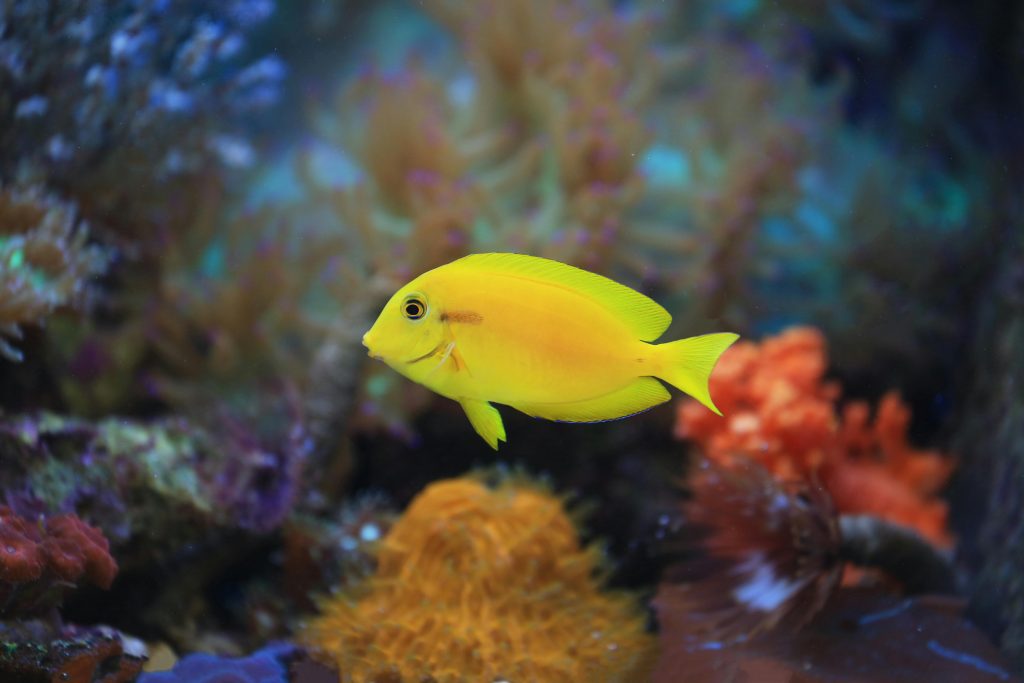
Juvenile Orange Shoulder (acanthurus Olivaceus)
Juvenile orange shoulder tangs are bright, hardy, and reef safe, but they grow large and need a spacious…
 By
ByBest Filtration Systems
Best Filtration Systems for a Healthy Saltwater Aquarium Choosing the best filtration system for your saltwater aquarium is…
[favorite_button]
My Bookmarks:
To see full list click here
[user_favorites user_id="" include_links="true" site_id="" post_types="" include_thumbnails="true" thumbnail_size="thumbnail" include_excerpt="false"]