

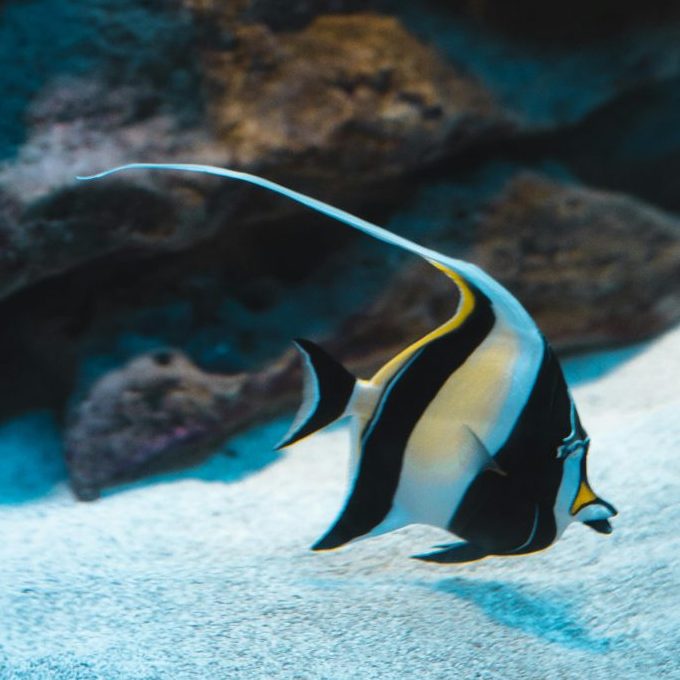
The Moorish Idol is one of the most recognized marine fish in the world. It is also one of the hardest fish to keep long term. Most hobbyists should admire it in public aquariums or the ocean. Advanced keepers can succeed, but only with a large, stable tank and a strong feeding plan.
The appeal of Zanclus cornutus is obvious. Its bold black, white, and yellow pattern stands out in any aquarium. Its long dorsal streamer adds even more elegance. Yet beauty does not equal ease. This species ships poorly, stresses easily, and often refuses prepared foods. In this guide, you will learn what makes the Moorish Idol difficult, what setup it needs, how to feed it, and when it is better to choose a hardier lookalike instead.
Moorish Idol Care Quick Reference
| Common name | Moorish Idol |
| Scientific name | Zanclus cornutus |
| Care level | Expert only |
| Temperament | Generally peaceful, can be assertive with similar fish |
| Adult size | Up to 8–9 inches |
| Minimum tank size | 180 gallons, larger preferred |
| Diet | Omnivore with heavy sponge and algae grazing needs |
| Reef safe | Unreliable, may nip corals and invertebrates |
| Temperature | 75–79°F |
| Specific gravity | 1.024–1.026 |
| pH | 8.1–8.4 |
| Flow | Moderate to strong |
| Lighting | No special need, matched to reef system |
The chart above gives the short answer. The longer answer matters more with this fish. A Moorish Idol needs mature rockwork, open swimming space, and frequent feeding. It also needs excellent water quality. Small mistakes add up fast. This is not a fish for a new tank or a new reefer.
Natural Habitat
Moorish Idols occur across a huge Indo-Pacific range. They are found from East Africa to Hawaii. They also occur around Japan, Australia, and many tropical islands. In nature, they cruise reef slopes, lagoons, and surge zones. Juveniles and adults often pick at surfaces all day.
Their wild diet helps explain their poor aquarium survival. They graze constantly on sponges, tunicates, filamentous algae, and tiny attached organisms. This diet is hard to copy in captivity. Wild fish also cover large areas each day. That makes cramped tanks a serious problem. A Moorish Idol may look calm in a store tank, but it is built for constant movement. Understanding its natural behavior is key. This is not a fish that thrives on flakes once daily. It needs variety, grazing opportunities, and room to swim.
Aquarium Setup
A 180-gallon tank is the bare minimum for one adult. Bigger is better. A 220-gallon or larger tank gives much better swimming room. Tank length matters more than height. Choose a long aquarium with open lanes and stable rockwork.
Use mature live rock with natural growth. The fish will spend much of its day picking at surfaces. Include caves and overhangs for retreat, but avoid cluttered layouts. Leave broad open areas in front for cruising. Strong filtration is essential. This species produces waste and needs frequent feeding. A quality skimmer helps a lot. Stable salinity and temperature are critical. Sudden changes often trigger stress and feeding refusal. Quarantine is ideal, but it must be handled carefully. Many idols decline in sterile quarantine tanks. If you quarantine, provide hiding spots, strong aeration, and food access from day one. You can also read our guides on reef tank setup and marine fish quarantine for planning details.
Lighting Requirements
Moorish Idols do not need special lighting for their own health. Standard reef lighting works fine. The real lighting choice depends on the corals and algae growth in the tank. Moderate to bright lighting can help support natural film algae on rock surfaces. That can encourage grazing behavior.
Avoid sudden lighting changes. Newly imported idols often arrive stressed and thin. Very intense light over a bare environment can make them feel exposed. Acclimate them as you would other sensitive fish. Start with a calm photoperiod if the fish seems shy. Then return to your normal reef schedule. If the fish is housed in a fish-only system, use enough light to maintain a natural day and night rhythm. The goal is not high PAR for the fish. The goal is a stable environment that supports feeding and normal behavior.
Water Flow
Moderate to strong flow is ideal. In nature, Moorish Idols live around active reef zones with steady water movement. Good flow supports oxygen levels and keeps waste suspended for export. It also helps mimic the fish’s natural environment.
Do not blast the entire tank with harsh, direct jets. Create varied flow instead. Give the fish calm areas to rest and stronger areas to swim through. Random flow patterns work well in large reef tanks. Surface agitation is important too. This species handles oxygen-rich water better than stagnant conditions. If your fish breathes heavily, first check oxygen, temperature, and ammonia. Poor gas exchange can quickly stress a Moorish Idol. Large active fish need clean, moving water at all times.
Feeding
Feeding is the biggest challenge with this species. Many Moorish Idols die from slow starvation. They may peck at rock and still lose weight. A full belly matters. So does food variety. Offer food at least three times daily. More frequent small meals are even better.
Start with highly tempting foods. Try frozen mysis, enriched brine, clam, blackworms, and finely chopped seafood. Add sponge-based angelfish formulas early. Dried algae sheets can help, but they are not enough alone. Some idols accept pellets, but many do not. Clip nori in several spots and soak foods in vitamins. Watch body shape closely. A pinched head or sunken sides means the fish is losing ground. Mature live rock helps between feedings. So does a refugium that supports natural microfauna. Review our best food for reef fish and reef tank water parameters guides if heavy feeding starts affecting nutrients.
Compatibility
Moorish Idols are usually peaceful with unrelated fish. They do best with calm tankmates that do not outcompete them at feeding time. Avoid aggressive tangs, triggers, and large angels unless the tank is very large. Fast, pushy feeders often prevent idols from getting enough food.
Be cautious with similar-shaped fish. Tangs, bannerfish, and other open-water grazers may trigger territorial behavior. Keep only one Moorish Idol unless the system is extremely large and the pair is established. Reef safety is mixed. Some individuals ignore corals. Others nip at LPS, soft corals, zoanthids, sponges, feather dusters, and clam mantles. That makes this fish a gamble in coral-heavy displays. If your reef contains prized fleshy corals, think carefully before adding one. In many home aquariums, a Heniochus species is the safer alternative. It offers a similar look with much better long-term odds.
Step-by-Step Acclimation Guide
Successful acclimation starts before purchase. Choose a fish that is already eating prepared foods. Avoid thin specimens. Avoid fish with frayed streamers, cloudy eyes, or rapid breathing. Ask the store to feed it in front of you. If it refuses everything, pass.
- Prepare a mature tank before the fish arrives.
- Match salinity and temperature carefully.
- Use slow acclimation, but do not prolong shipping stress.
- Keep lights dim during introduction.
- Offer food within the first few hours.
- Feed several small meals each day.
- Monitor body weight every week.
- Check for bullying during every feeding.
The first two weeks are critical. A fish that eats aggressively and explores the tank has a much better chance. A fish that hides and pecks weakly is in danger. Act early with food variety, lower stress, and improved access to grazing surfaces.
Propagation and Breeding
Moorish Idols are not bred in home aquariums. There are no practical fragging or propagation methods for this species. In the wild, they are pelagic spawners. Eggs and larvae drift in open water. That life stage is extremely difficult to raise in captivity.
For hobbyists, the focus should stay on ethical sourcing and long-term survival. Buy only healthy, feeding specimens. Support vendors who condition fish before sale. Because this species has such a poor survival record, careful buying decisions matter. If your goal is a durable display fish with a similar profile, research bannerfish instead of forcing success with an unsuitable species.
Common Problems
Why is my Moorish Idol not eating?
Stress is the most common cause. Shipping damage is also common. Poor oxygen, bullying, and sterile surroundings can worsen refusal. Offer live or highly palatable frozen foods first. Reduce aggression. Improve hiding options. Keep water pristine. If the fish was not eating at the store, recovery odds are low.
Why is it getting skinny despite feeding?
It may be eating the wrong foods or too little overall. This species needs frequent feeding and broad variety. Internal parasites are also possible. Watch for stringy waste and continued weight loss. Review feeding competition too. A fish can appear to eat while still being outcompeted.
Why is it nipping my corals?
Some idols simply do this. Hunger increases the risk. Try increasing feeding frequency and offering sponge-based foods. Even then, some individuals remain unsafe. If nipping continues, removal may be the only solution.
Why is the dorsal streamer damaged?
Damage often comes from shipping, netting, or aggression. Poor water quality slows healing. Keep conditions stable and avoid rough handling. The streamer may regrow if the fish is otherwise healthy.
Frequently Asked Questions
Is the Moorish Idol reef safe?
Not reliably. Some ignore corals. Others nip soft corals, LPS, clams, and worms.
How big does a Moorish Idol get?
Most reach around 8 inches. Some can grow larger in ideal conditions.
What is the minimum tank size for a Moorish Idol?
A 180-gallon tank is the minimum. Larger tanks give much better long-term results.
Can beginners keep a Moorish Idol?
No. This is an expert-only fish with a poor survival record in home aquariums.
What fish looks like a Moorish Idol but is easier to keep?
Several Heniochus bannerfish species offer a similar look and are usually much hardier.
The Moorish Idol is a dream fish for many reef keepers. In practice, it is a specialist species with demanding needs. Most hobbyists will have better success with a hardier alternative. If you still want to try one, start with a large mature tank, a proven feeding specimen, and realistic expectations. With this fish, preparation is everything.
Was this helpful?
Related Posts
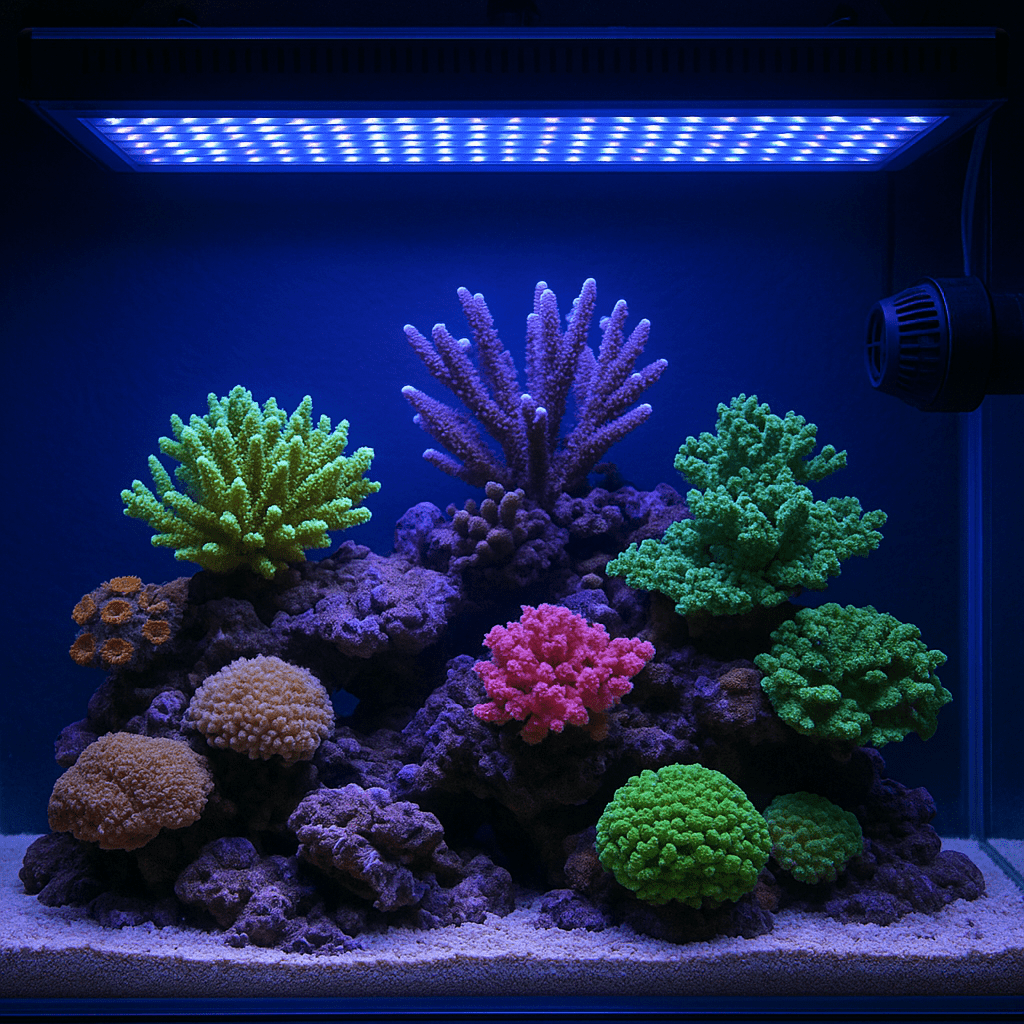
Reef Tank Basics
Learn reef tank basics, from setup and cycling to lighting, flow, and water chemistry, so your first reef…
 By
By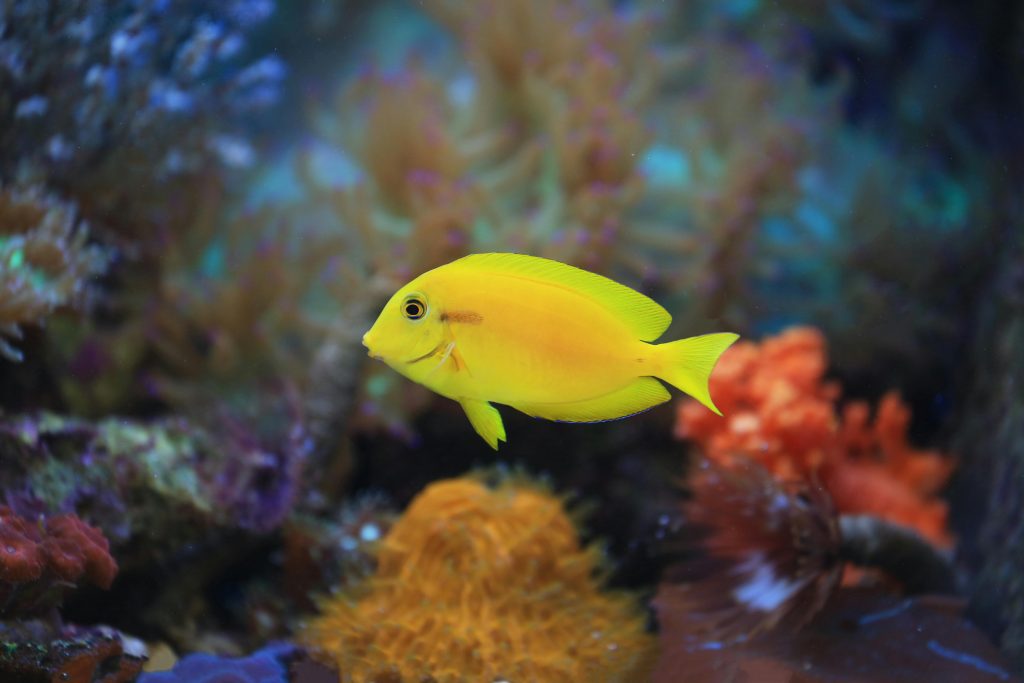
Juvenile Orange Shoulder (acanthurus Olivaceus)
Juvenile orange shoulder tangs are bright, hardy, and reef safe, but they grow large and need a spacious…
[favorite_button]
My Bookmarks:
To see full list click here
[user_favorites user_id="" include_links="true" site_id="" post_types="" include_thumbnails="true" thumbnail_size="thumbnail" include_excerpt="false"]