

Bringing home a new saltwater fish is exciting. It is also a risky moment. A poor acclimation process can stress the fish fast. It can also introduce disease into your reef tank. This checklist shows you exactly what to do before, during, and after acclimation. You will learn how to reduce stress, protect your display, and improve survival rates from day one.
Many losses happen in the first 24 to 72 hours. Most are preventable. New fish face shipping stress, ammonia exposure, low oxygen, and sudden changes in salinity. Reef keepers often focus only on floating the bag. That is not enough. A better process includes preparation, quarantine, observation, and slow adjustment to your system. This guide gives you a practical new fish acclimation checklist for reef aquariums. It covers what to prepare, how to acclimate safely, when to use drip acclimation, and what mistakes to avoid.
Quick Reference Table
| Step | What to Do | Why It Matters |
|---|---|---|
| Prepare tank | Match temperature and stable salinity | Reduces osmotic shock |
| Lights off | Dim display and room lights | Lowers stress during transfer |
| Inspect bag | Check breathing, leaks, and water odor | Identifies urgent problems |
| Temperature float | Float sealed bag for 10 to 15 minutes | Equalizes temperature safely |
| Test salinity | Measure bag water and tank water | Determines acclimation speed |
| Use quarantine | Transfer fish to QT, not display | Prevents disease spread |
| Discard bag water | Never pour shipping water into tank | Avoids ammonia and pathogens |
| Observe closely | Watch breathing and swimming for hours | Catches stress early |
| Feed lightly | Offer small meal after settling | Prevents extra waste |
| Monitor daily | Check spots, appetite, and behavior | Finds disease before it spreads |
Before the Fish Arrives
Good acclimation starts before the delivery box opens. Prepare a quarantine tank first. This is one of the best habits in reef keeping. A simple bare-bottom tank works well. Add a heater, lid, sponge filter, and hiding places. Use PVC elbows or small inert shelters. Match the quarantine salinity to the vendor when possible. Many online fish arrive in lower salinity. This lowers shipping stress.
Have tools ready before you begin. You will need a clean bucket, airline tubing, a valve or knot for drip control, a refractometer, thermometer, fish net or specimen container, and paper towels. Keep room traffic low. Turn off bright lights. Stress rises fast under strong lighting and movement. Check that ammonia alert badges or test kits are available. Freshly shipped fish can crash quickly if the process drags on. Preparation keeps the transfer smooth and calm.
Step-by-Step New Fish Acclimation Checklist
1. Dim the lights. Turn off display lights and lower room lighting. This helps the fish settle.
2. Inspect the bag. Look for cloudy water, foul odor, heavy breathing, or the fish lying over. These signs matter.
3. Float the sealed bag. Float it for 10 to 15 minutes. This equalizes temperature only.
4. Test salinity. Open the bag after floating. Test bag water salinity and compare it to your quarantine tank.
5. Decide on acclimation speed. If salinity is close, use a short acclimation. If the difference is large, acclimate more slowly.
6. Transfer to a bucket. Pour the fish and bag water into a clean container. Keep the fish covered and calm.
7. Start drip acclimation if needed. Use airline tubing from the quarantine tank. Aim for a slow drip. Acclimate for 20 to 45 minutes in most cases.
8. Do not overextend the process. Shipping water often contains rising ammonia once opened. Long acclimation can do harm.
9. Move the fish without bag water. Use a specimen cup or soft net. Place the fish into quarantine only.
10. Observe quietly. Watch breathing, posture, and swimming. Leave the fish alone for several hours.
When to Use Drip Acclimation
Drip acclimation is useful, but it is not always the best choice. Many hobbyists use it for every fish. That can be a mistake. If a fish has been in a shipping bag for many hours, the water may be unstable. Carbon dioxide drops once the bag opens. Then pH rises. This can make ammonia more toxic. A very long drip can expose the fish to worsening water conditions.
Use drip acclimation when salinity differences are meaningful. A difference of 0.002 to 0.004 specific gravity may justify a short drip. If the difference is larger, a careful drip into quarantine helps. Keep it efficient. Most reef fish do well with 20 to 45 minutes. Sensitive species may need more caution. These include wrasses, anthias, and some dwarf angels. If the fish looks distressed, speed up the transfer. Clean, stable quarantine water is often safer than old bag water.
Quarantine Setup and Why It Matters
A quarantine tank protects your reef. It also protects the new fish. New arrivals often carry parasites even when they look healthy. Common issues include marine ich, velvet, flukes, and bacterial infections. Adding a fish directly to the display can infect every fish you own. Catching and treating fish in a reef tank is much harder later.
Your quarantine tank does not need to be fancy. It needs to be stable. Use a cycled sponge filter if possible. Keep ammonia at zero. Match temperature closely to your main system. Add a lid because many fish jump after shipping. Use simple hiding places. This reduces panic and injury. Observe the fish for several weeks. Watch appetite, breathing, waste, and skin condition. If you prophylactically treat, follow a proven protocol. If you prefer observation only, stay disciplined and check the fish daily.
Water Parameters That Affect Acclimation
Temperature and salinity matter most during acclimation. Sudden shifts in either can shock a fish. Aim for stable temperature between 76 and 78 degrees Fahrenheit for most reef species. Salinity should be known, not guessed. Always use a calibrated refractometer. Store water from some vendors can be much lower than reef display salinity. That is why testing matters.
pH, ammonia, and oxygen also affect outcomes. Fish from long shipments often arrive in low pH water. Once the bag opens, chemistry changes fast. This is why endless acclimation is risky. Strong aeration in quarantine helps after transfer. Keep ammonia detoxifier on hand if needed, but do not rely on it as your whole plan. Stable, clean water beats reactive fixes. If your quarantine tank is not cycled, delay the purchase. New fish should never be the first test subject in an unprepared system.
Compatibility and First-Day Behavior
Compatibility starts before the fish enters your home. Research adult size, aggression, and feeding style. Some fish acclimate poorly because tankmates bully them fast. Tangs, dottybacks, damsels, and established clownfish can be rough on newcomers. A fish that survives shipping may still fail from harassment. This is another reason quarantine helps. It gives the fish time to regain strength before social pressure begins.
On the first day, expect shy behavior. Hiding is normal. Refusing food is also common. Heavy breathing, laying on the bottom, or crashing into walls is more concerning. Use a dark background or side cover if the fish spooks easily. Avoid chasing it with a net. Keep hands out of the tank. Offer food later, not right away. Small amounts of mysis, brine, pellets, or nori may work depending on species. Remove uneaten food quickly to protect water quality.
Common Problems
Fish breathing fast after acclimation
Fast breathing can signal shipping stress, ammonia burn, low oxygen, or parasites. Check temperature first. Then check ammonia and aeration. Add extra surface movement in quarantine. If breathing stays rapid and the fish shows flashing or mucus, consider flukes or velvet. Act quickly. These diseases can kill within days.
Fish will not eat
Many new fish skip the first meal. That alone is not unusual. Offer the right food for the species. Try frozen mysis, live blackworms where available, enriched brine, pellets, or algae sheets. Feed small portions. Keep the environment quiet. If the fish refuses food for several days, inspect for disease or bullying.
Fish dies soon after release
Sudden death often points to severe shipping stress, salinity shock, ammonia poisoning, or hidden disease. Review your process. Did you test salinity? Did you prolong acclimation in dirty bag water? Was the quarantine tank cycled? These details matter. Losses are painful, but they often teach what to fix next time.
White spots appear after a few days
Stress can reveal diseases that were already present. White spots may be marine ich, but velvet can look similar early on. Observe breathing and progression. Quarantine allows treatment before the display is exposed. Never assume a fish is clean because it looked fine on arrival.
Best Practices That Improve Survival
Buy from trusted vendors with strong packing practices. Ask about salinity before shipping. Avoid ordering delicate fish during extreme weather. Acclimate fish one shipment at a time if possible. Label your tools and keep quarantine equipment separate from display equipment. This lowers cross contamination risk.
Patience matters more than speed, but speed still matters in the right places. Move with purpose. Do not rush the fish around the room. Do not let the fish sit in shipping water for hours. Keep your process consistent every time. A written checklist helps. It reduces mistakes when you are excited or distracted. Many experienced reef keepers lose fewer fish simply because their routine is repeatable and calm.
Frequently Asked Questions
How long should I acclimate a new saltwater fish?
Usually 20 to 45 minutes is enough. Temperature equalization takes about 10 to 15 minutes. Salinity differences determine the rest. Avoid very long acclimation in opened shipping water.
Should I drip acclimate every marine fish?
No. Drip acclimation is helpful when salinity differs. It is not always needed. Long drips can be harmful if bag water quality is poor.
Can I add a new fish straight to my reef tank?
You can, but it is risky. Quarantine is strongly recommended. It prevents disease outbreaks and gives the fish time to recover from shipping stress.
Do I pour bag water into the aquarium?
No. Never add shipping water to your quarantine or display tank. It may contain ammonia, waste, medications, or pathogens.
When should I feed a newly acclimated fish?
Wait until the fish has settled. A few hours is usually enough. Offer a small meal and remove leftovers. Some fish may not eat until the next day.
Related Reading
- quarantine tank setup
- marine fish disease guide
- reef tank salinity guide
- how to cycle a saltwater tank
- reef fish compatibility chart
A careful new fish acclimation checklist can save fish and protect your reef. Keep the process simple. Prepare in advance. Test salinity. Use quarantine. Watch the fish closely in the first few days. Those steps prevent many common losses. In reef keeping, consistency beats guesswork every time.
Was this helpful?
Related Posts
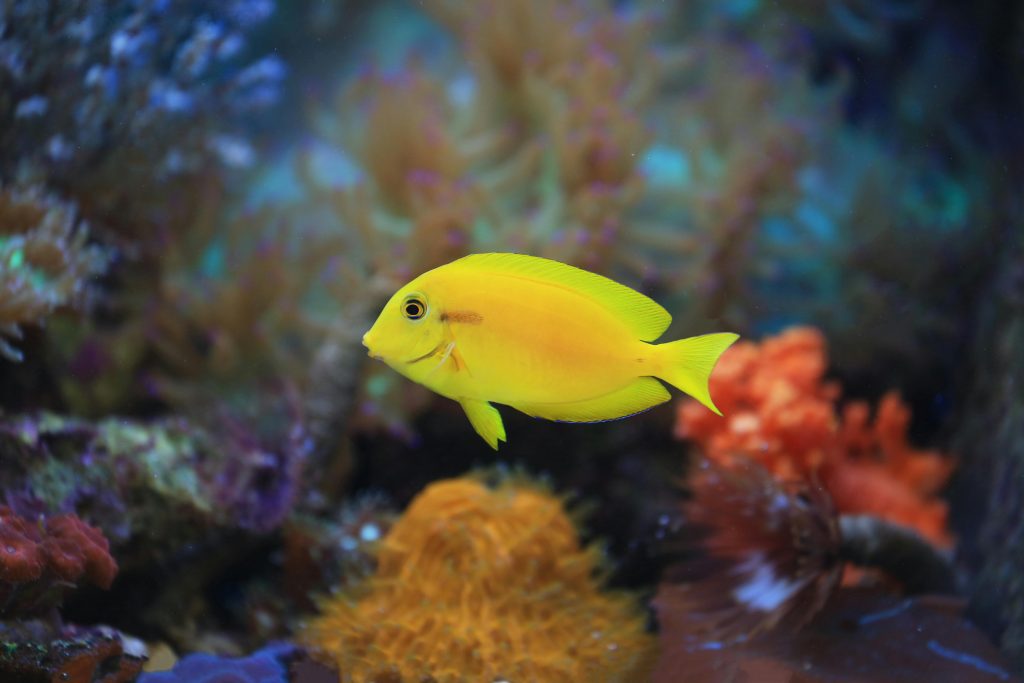
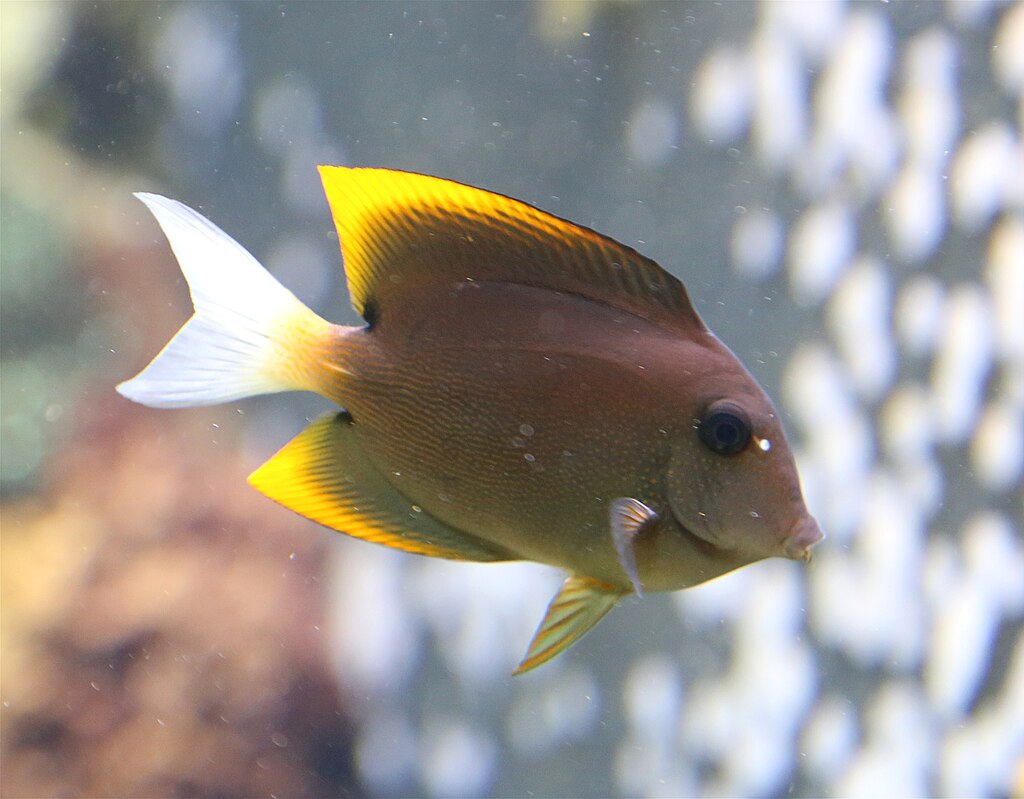
Juvenile Orange Shoulder (acanthurus Olivaceus)
Juvenile orange shoulder tangs are bright, hardy, and reef safe, but they grow large and need a spacious…
 By
ByBest Filtration Systems
Best Filtration Systems for a Healthy Saltwater Aquarium Choosing the best filtration system for your saltwater aquarium is…
[favorite_button]
My Bookmarks:
To see full list click here
[user_favorites user_id="" include_links="true" site_id="" post_types="" include_thumbnails="true" thumbnail_size="thumbnail" include_excerpt="false"]