

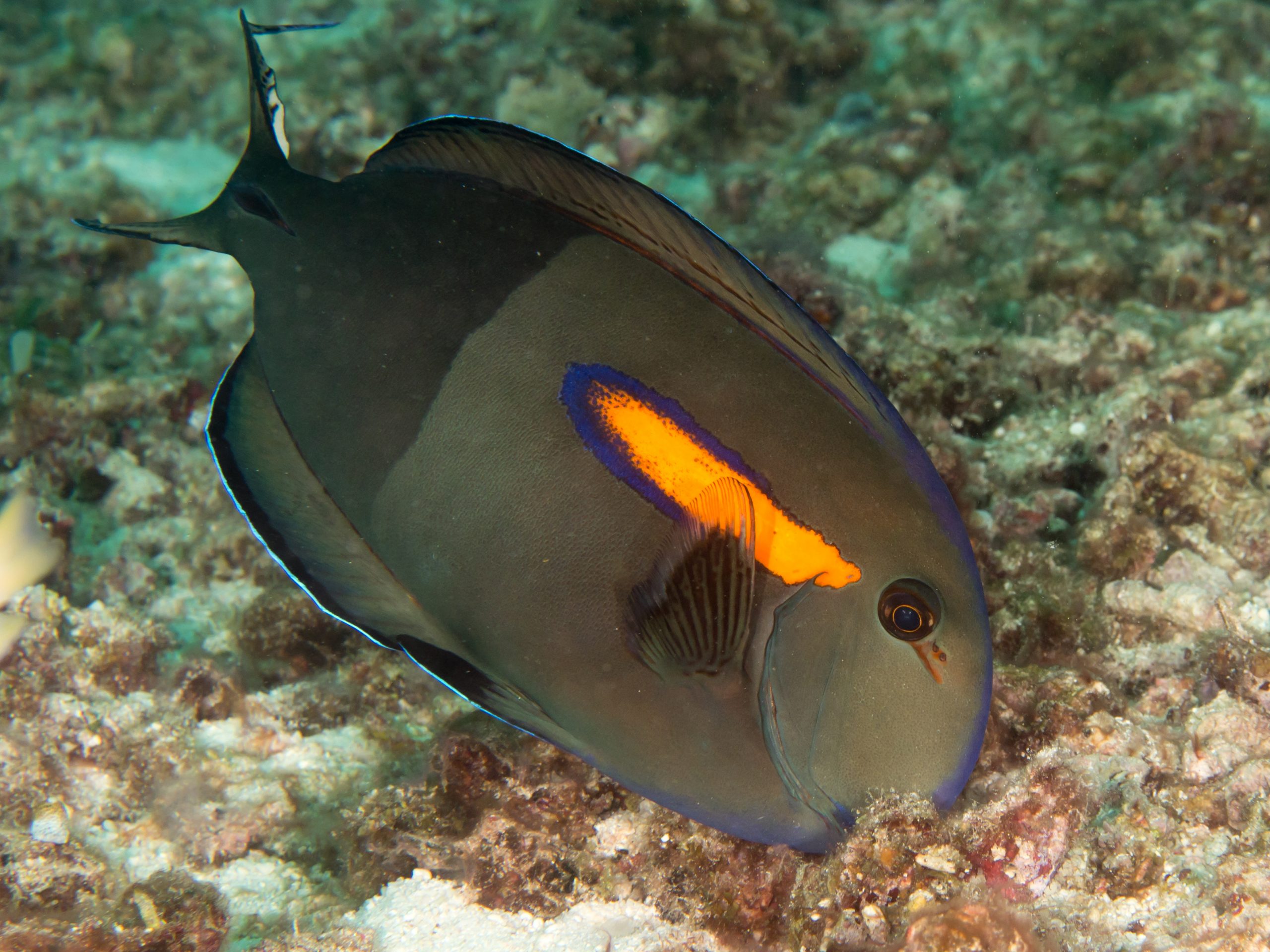
The Orange Shoulder Tang is a large, active surgeonfish with changing colors as it matures. It can thrive in a reef tank, but it needs strong swimming space, steady water quality, and a mature setup with plenty of algae to graze.
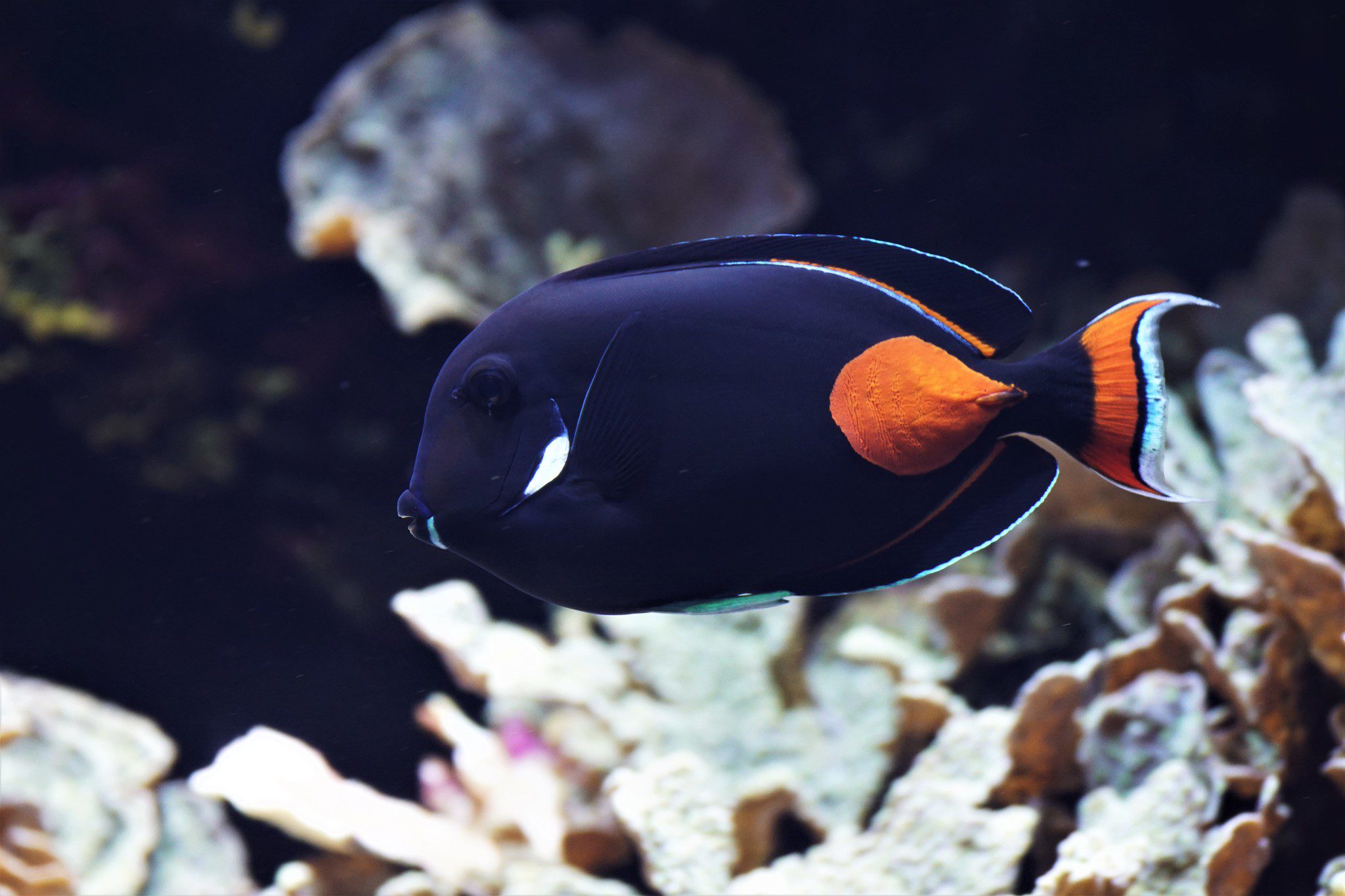
This species often attracts hobbyists because juveniles and adults look very different. Young fish are bright yellow. Adults become gray with a bold orange patch near the shoulder. That color shift surprises many keepers. In this guide, you will learn tank size, diet, temperament, reef compatibility, and common care mistakes. You will also learn how to manage aggression and keep this tang healthy long term. The Orange Shoulder Tang is not the hardest tang to keep, but it does best with planning. A rushed setup often leads to stress, disease, and territorial issues.
Quick Care Facts
| Common name | Orange Shoulder Tang |
| Scientific name | Acanthurus olivaceus |
| Care level | Moderate |
| Temperament | Semi-aggressive |
| Minimum tank size | 180 gallons |
| Adult size | 12 to 14 inches |
| Diet | Herbivore with some omnivorous needs |
| Reef safe | Usually yes, with caution around fleshy corals if underfed |
| Temperature | 74 to 78°F |
| Salinity | 1.025 to 1.026 |
| pH | 8.1 to 8.4 |
| Nitrate | Below 20 ppm |
These quick facts give you the big picture. The most important point is tank size. This fish grows large and swims all day. It is not a good choice for smaller reef tanks. Juveniles may look manageable in a store, but they do not stay small for long.
Natural Habitat
Acanthurus olivaceus occurs across the Indo-Pacific. It is found around reefs, lagoons, and outer reef slopes. Juveniles often stay in sheltered areas with calmer water. Adults move into more open zones and patrol larger territories. In nature, they spend much of the day grazing algae and organic film from hard surfaces.
This natural behavior matters in captivity. Orange Shoulder Tangs are built for constant movement. They also expect frequent grazing opportunities. A bare tank with little rock and no algae film will not suit them well. They settle better in mature systems with established rockwork. Their habitat also has high oxygen levels and strong water movement. That means stagnant tanks can stress them. Good flow and open swimming lanes help mimic their natural environment. When you understand where this fish comes from, its care needs make much more sense.
Appearance and Growth
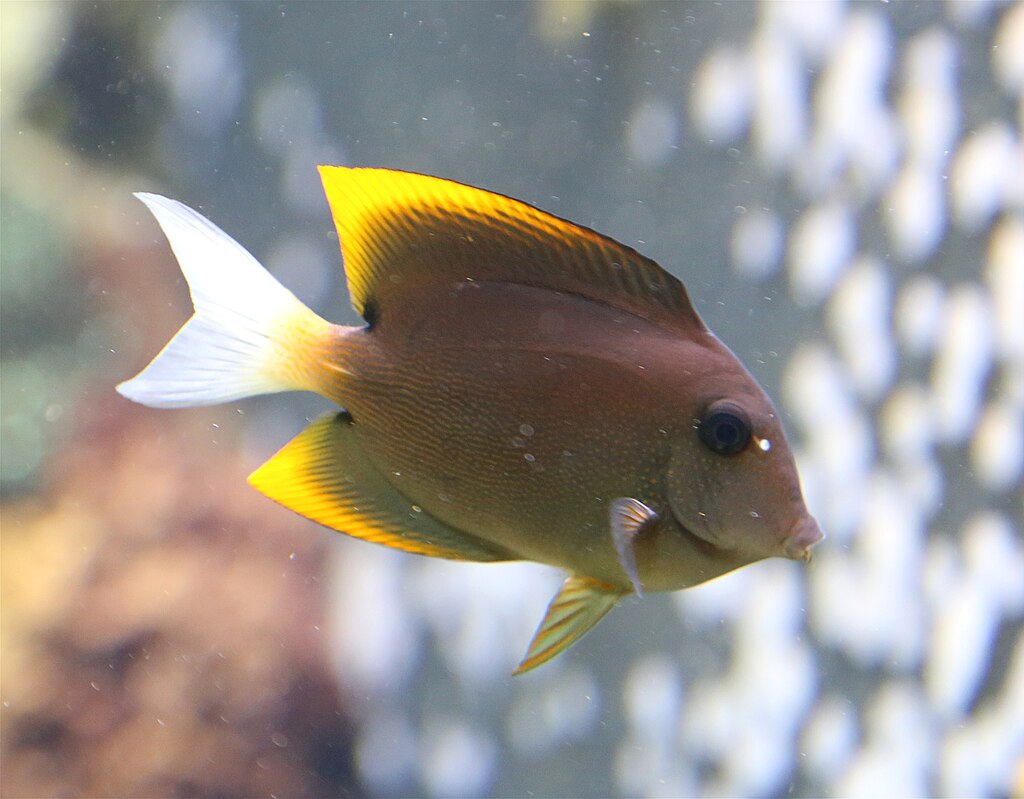
This tang changes a lot with age. Juveniles are bright yellow. Many beginners mistake them for a yellow tang at first glance. As they mature, the body becomes gray to olive. The signature orange shoulder patch then develops behind the gill area. Adults may also show blue edging on the fins and subtle facial markings.
That dramatic color shift is one reason this fish stays popular. It feels like owning two different fish over time. Still, the growth rate can catch owners off guard. A healthy juvenile can put on size quickly with heavy feeding and stable water quality. Plan for the adult form from day one. Do not buy this fish for a medium tank with the idea of upgrading later unless that upgrade is certain. Rehoming a large tang is stressful for the fish and difficult for the aquarist.
Aquarium Setup
A 180-gallon tank is the practical minimum for long-term care. Larger is better. This species needs long swimming lanes more than tall rock piles. Use an aquascape with open front space and clear side-to-side movement. Build stable rock structures with caves and shaded retreat areas. Leave enough room for the fish to turn easily as it grows.
A mature tank works best. Established live rock provides natural grazing and helps reduce stress. Strong filtration is important because tangs eat often and produce waste. A quality protein skimmer helps maintain oxygen and nutrient control. Keep ammonia and nitrite at zero. Avoid sudden swings in salinity or temperature. Surgeonfish react poorly to instability. Quarantine is strongly recommended before adding this species to a display tank. That step reduces the risk of marine ich and other parasites. If you want more help with system stability, see: reef tank water parameters, quarantine tank setup, and clean up crew for reef tanks.
Lighting Requirements
The Orange Shoulder Tang does not need specialized lighting for its own health. It adapts to the same lighting used for most reef systems. Moderate to strong reef lighting is fine if the tank also houses corals. The real concern is not the fish. It is the environment that lighting supports. Good lighting helps grow film algae and supports the reef structure around the fish.
Provide shaded areas within the rockwork. This gives the tang a place to retreat if it feels stressed. Sudden lighting changes can cause skittish behavior. If you upgrade fixtures, use acclimation modes when possible. In mixed reefs, balance coral needs with fish comfort. Very bright tanks with no shelter can leave new tangs exposed and nervous. A well-planned aquascape solves that problem. If you are still tuning your reef lights, read: reef lighting guide.
Water Flow
This species appreciates moderate to strong water flow. In the wild, it lives in oxygen-rich reef zones. Good circulation supports gas exchange and keeps detritus from settling on the rock. It also creates a more natural environment for an active grazer. Use alternating flow patterns if possible. Random movement is better than one harsh stream pointed across the tank.
Make sure the fish can move in and out of stronger areas. Do not create a layout where every section is a high-energy blast zone. The tang should have options. Watch its behavior after adding new pumps. If it hides constantly or struggles to rest, the flow may be too aggressive in key areas. A balanced setup improves comfort and helps maintain cleaner water conditions for the entire reef.
Feeding
Orange Shoulder Tangs are primarily herbivores. They should eat algae-rich foods every day. Offer dried nori on a clip at least once or twice daily. Spirulina flakes and quality herbivore pellets also work well. Supplement with frozen mysis, brine, or blended reef foods a few times each week. That added variety supports body condition and immune health.
Frequent feeding matters. Underfed tangs become thin, stressed, and more aggressive. They may also start picking at soft coral tissue or fleshy polyps. Feed smaller portions multiple times each day if possible. A grazing fish does best with regular access to plant matter. Soak foods in vitamins occasionally. This can help newly imported fish recover. Watch the belly line. A pinched stomach suggests poor intake or internal stress. Healthy fish stay alert, graze often, and hold good weight through the shoulders. For more on diet planning, see: best foods for tangs.
Compatibility
The Orange Shoulder Tang is usually reef safe with corals and most invertebrates. It does not normally bother snails, shrimp, or crabs. Still, no fish is perfectly predictable. An underfed or stressed specimen may nip at some fleshy corals or large-polyp corals. This is not the norm, but it can happen. Good feeding reduces the risk.
With fish, temperament is the bigger issue. This species can become territorial, especially toward other tangs. It often does best as the only Acanthurus species in the tank unless the system is very large. Introduce it carefully with other surgeonfish. Add the most aggressive tang last when possible. Use acclimation boxes if needed. Peaceful tank mates usually work well. Avoid combining it with highly aggressive fish in cramped systems. Stress from constant conflict often leads to disease outbreaks. If you are planning a community, read: tang compatibility chart.
Step-by-Step Acclimation Guide
- Quarantine the fish before display introduction.
- Match temperature slowly over 15 to 20 minutes.
- Use drip acclimation if salinity differs.
- Keep lights dim during transfer.
- Provide nori within the first day.
- Offer hiding space and open swim room.
- Monitor breathing and grazing behavior closely.
- Check for spots, flashing, or fin damage daily.
This simple process lowers stress. Tangs often arrive thin and easily startled. A calm start improves feeding response. It also makes aggression easier to manage. Never rush introduction into a crowded display. That is when many problems begin.
Propagation and Breeding
Can hobbyists breed Orange Shoulder Tangs?
Captive breeding is extremely rare for this species in home aquariums. Like many tangs, they have complex spawning behavior and a pelagic larval stage. That stage is difficult to raise. Most specimens in the trade are still wild collected.
What this means for aquarists
Because captive-bred fish are uncommon, careful selection matters. Choose a specimen that is alert, eating, and free of visible damage. Avoid fish with sunken bellies, rapid breathing, or frayed fins. Quarantine and nutrition are especially important with wild fish. Good husbandry after purchase has a major impact on long-term success.
Common Problems
Why is my Orange Shoulder Tang not eating?
New arrivals often stop eating from shipping stress. Poor acclimation can make this worse. Offer nori first. Keep lighting subdued. Reduce aggression from tank mates. Check ammonia, salinity, and temperature for hidden stress. If the fish still refuses food after a short adjustment period, investigate parasites or internal illness.
Why does it have white spots?
Tangs are very prone to marine ich. White spots, flashing, and rapid breathing are classic signs. Stress often triggers outbreaks. Quarantine is the best prevention. If symptoms appear, move quickly with a proven treatment plan in a separate system. Do not medicate a reef display without a clear strategy.
Why is my tang aggressive?
Territorial behavior usually comes from limited space, similar tank mates, or poor feeding. Increase algae offerings. Rearrange rockwork if conflict starts after introduction. In serious cases, one fish may need removal. Large surgeonfish need room and structure to reduce line-of-sight tension.
Why is the color fading?
Color loss often points to stress, poor diet, or declining water quality. Test nitrate, pH, salinity, and temperature. Improve food variety. Check for bullying. A healthy adult should show steady body color and a clear shoulder patch as it matures.
Frequently Asked Questions
Is the Orange Shoulder Tang reef safe?
Usually yes. Most individuals ignore corals and invertebrates. Underfed fish may nip occasionally.
How big does Acanthurus olivaceus get?
Adults commonly reach 12 inches or more. Some can approach 14 inches in excellent conditions.
What is the minimum tank size?
A 180-gallon tank is the recommended minimum for long-term care. Bigger systems are better.
Can it live with other tangs?
Sometimes, but caution is needed. Success depends on tank size, species mix, and introduction order.
Is this tang good for beginners?
It suits prepared beginners with large tanks. It is not ideal for small or newly started systems.
Final Thoughts
The Orange Shoulder Tang is a beautiful and rewarding fish for large reef aquariums. Its juvenile-to-adult color change makes it especially memorable. Still, beauty alone should not drive the purchase. This species needs room, stable water, frequent feeding, and thoughtful tank mate choices. Meet those needs, and it can become a long-lived show fish. Ignore them, and problems appear fast. If you plan around the adult size and natural behavior, Acanthurus olivaceus can be an excellent addition to a mature reef system.
Was this helpful?
Related Posts
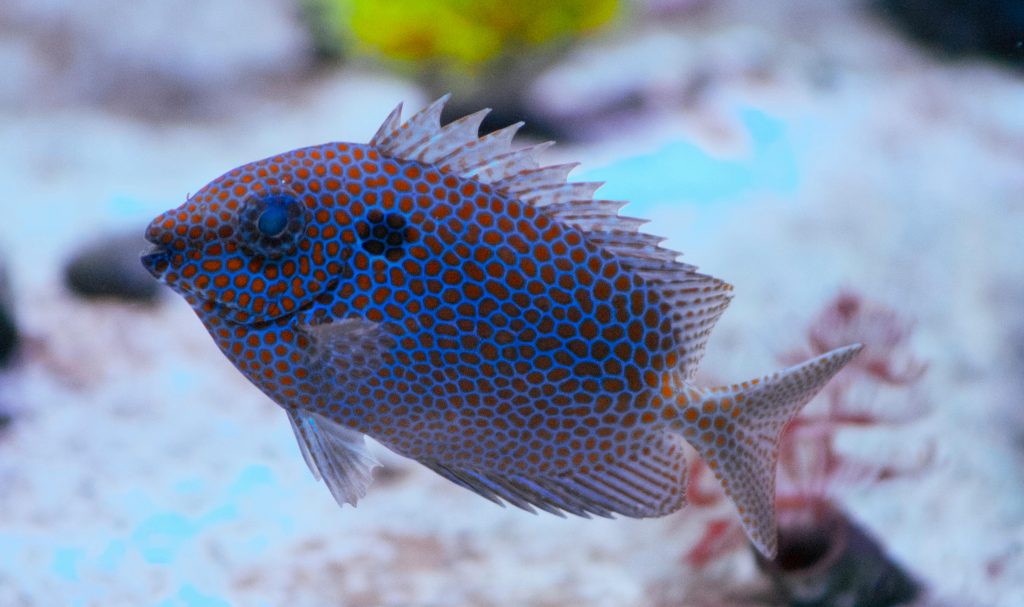
Gold Spotted Rabbitfish (Siganus Punctatus)
Gold Spotted Rabbitfish care includes large tanks, heavy algae feeding, and caution with corals. Learn tank size, diet,…
 By
By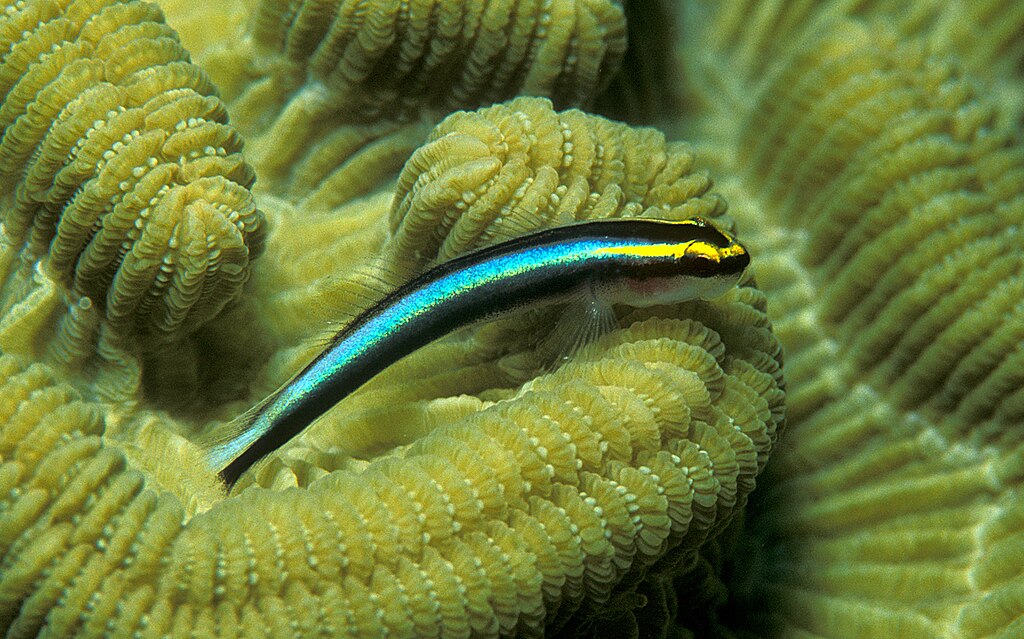
Sharknose Goby (Elacatinus evelynae)
Sharknose Goby care is simple in stable reef tanks. Learn feeding, tank setup, compatibility, and common problems for…
[favorite_button]
My Bookmarks:
To see full list click here
[user_favorites user_id="" include_links="true" site_id="" post_types="" include_thumbnails="true" thumbnail_size="thumbnail" include_excerpt="false"]