Coral care starts with stability. Most corals thrive when light, flow, nutrients, and alkalinity stay consistent. Beginners succeed faster by choosing hardy species, testing water often, and making slow adjustments instead of chasing perfect numbers.
Keeping corals healthy can feel complicated at first. There are many variables. Light intensity matters. Water flow matters. Nutrients matter too. The good news is that coral care becomes much easier once you understand the basics. In this guide, you will learn how to choose beginner-friendly corals, build a stable reef environment, feed corals correctly, and troubleshoot common problems before they turn serious. Whether you keep soft corals, LPS, or beginner SPS, these principles will help you grow healthier colonies and avoid costly mistakes.
Quick Coral Care Reference
| Category | Recommended Range | Why It Matters |
|---|---|---|
| Temperature | 76–79°F | Supports coral metabolism and reduces stress |
| Salinity | 1.025–1.026 SG | Maintains osmotic balance |
| Alkalinity | 8–9 dKH | Critical for skeletal growth and stability |
| Calcium | 400–450 ppm | Supports stony coral skeleton formation |
| Magnesium | 1250–1400 ppm | Helps stabilize calcium and alkalinity |
| Nitrate | 2–15 ppm | Prevents starvation while limiting nuisance algae |
| Phosphate | 0.03–0.10 ppm | Supports coral health without fueling excess algae |
| Lighting | Species dependent | Drives photosynthesis through zooxanthellae |
| Flow | Moderate to strong, varied | Delivers oxygen and removes waste |
Use these ranges as a starting point. Stability matters more than hitting one exact number. A reef tank with steady parameters usually outperforms one that swings daily.
Understanding Coral Types
Not all corals need the same care. Soft corals are often the easiest group. They include zoanthids, mushrooms, leathers, and green star polyps. These corals usually tolerate lower light and changing conditions better than stony corals.
LPS corals have large fleshy polyps over a hard skeleton. Examples include hammers, frogspawn, acans, candy canes, and brains. They often prefer moderate light and moderate flow. Many benefit from occasional feeding.
SPS corals have small polyps and rigid branching or plating skeletons. Acropora and Montipora are common examples. They usually need stronger light, higher flow, and tighter parameter control. Beginners should start with hardy soft corals or easier LPS. Once the tank matures, you can try beginner SPS.
If you are still planning your system, read our guides on reef tank cycling, live rock, and beginner coral placement. Suggested internal links: how to cycle a reef tank, best beginner corals, reef tank water parameters.
Natural Habitat
Most reef corals come from tropical marine environments. They live in warm, clear, sunlit water. Many species grow on shallow reefs where waves and currents bring oxygen and food. Others live in slightly deeper areas with lower light and gentler flow.
Corals form a partnership with microscopic algae called zooxanthellae. These algae live inside coral tissue. They use light to produce energy. In return, the coral provides shelter and nutrients. This is why lighting is so important in reef aquariums.
Natural reefs are also very stable. Temperature shifts are usually small. Salinity stays consistent. Water movement changes constantly, but it rarely stops. Good coral care copies these conditions. Aim for clean water, stable chemistry, strong gas exchange, and random flow patterns. The closer your tank feels to a real reef, the better most corals will respond.
Aquarium Setup
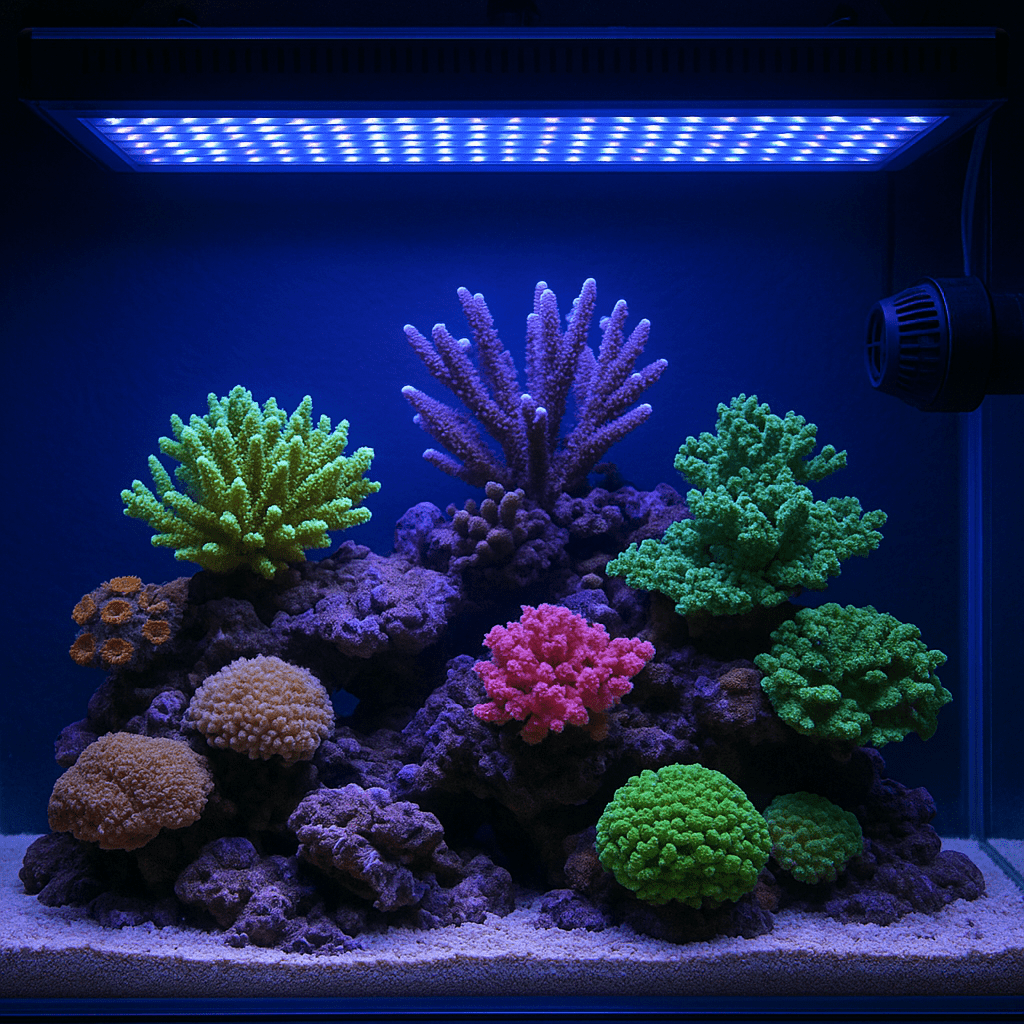
Corals can live in tanks of many sizes, but larger tanks are easier to manage. A nano reef can work well. It just changes faster. Small mistakes cause bigger swings in salinity, temperature, and alkalinity. A tank of 20 gallons or more gives beginners more room for error.
Aquascaping matters. Build stable rock structures with shelves, ledges, and open space. Corals need room to grow. They also need enough distance from aggressive neighbors. Leave space around LPS corals with long sweeper tentacles. Keep encrusting species away from slow growers.
Use quality filtration. Most reef tanks benefit from a protein skimmer, mechanical filtration, and strong circulation pumps. An auto top-off system helps maintain salinity. A heater controller adds safety. If you plan to keep stony corals, dosing pumps can help maintain alkalinity and calcium as demand increases.
Lighting Requirements
Lighting drives coral growth and color. Most corals use blue-heavy reef lighting well. PAR is the most useful way to judge intensity. Soft corals often do well around 50 to 150 PAR. Many LPS corals thrive around 75 to 200 PAR. SPS corals often need 200 to 350 PAR or more, depending on the species.
Avoid sudden changes. New corals can bleach under intense light. Acclimate them slowly. Start lower in the tank or reduce intensity for a week or two. Then raise the coral or increase output gradually. This gives the coral time to adjust.
Photoperiod also matters. Most reef tanks run lights for 8 to 10 hours daily, with ramp-up and ramp-down periods if your fixture supports them. Keep the schedule consistent. Corals respond better to a stable routine than constant experimentation.
Water Flow
Flow is often overlooked. It should not be. Corals need water movement to bring oxygen, remove waste, and deliver food. Dead spots collect detritus. That leads to algae and tissue problems.
Soft corals usually enjoy moderate, indirect flow. Many LPS corals prefer moderate flow that moves the polyps gently. Too much direct flow can tear tissue. Too little flow allows debris to settle. SPS corals usually need stronger, more turbulent flow. Random flow works better than a constant blast from one direction.
Watch the coral. It tells you a lot. If tissue pulls tightly against the skeleton, flow may be too strong. If detritus settles on the coral, flow may be too weak. Adjust pumps in small steps. Then give the coral time to respond.
Water Chemistry and Stability
Stable chemistry is the foundation of coral care. Test regularly. Record your results. Then look for trends instead of reacting to one reading. Alkalinity is especially important for stony corals. Large swings can cause tissue recession, poor polyp extension, and slow growth.
Do not aim for zero nitrate or zero phosphate. Corals need some nutrients. Ultra-low nutrient systems can cause pale color and slow growth. On the other hand, high nutrients can fuel algae and brown out corals. Balance is the goal.
Regular water changes help replenish trace elements and correct minor imbalances. As coral demand grows, you may need two-part dosing, kalkwasser, or a calcium reactor. Dose only what the tank consumes. Test before increasing supplements. Blind dosing causes many reef problems.
Feeding
Many corals get much of their energy from light. Still, feeding can improve growth and color. Soft corals often rely more on dissolved nutrients and suspended particles. LPS corals usually respond well to target feeding. SPS corals can benefit from broadcast feeding of fine planktonic foods.
Offer foods that match coral size. Mysis shrimp, brine shrimp, reef roids, copepods, and fine powdered coral foods are common choices. Feed lightly at first. Overfeeding quickly raises nutrients. Turn off return pumps briefly during target feeding if needed. This helps the coral capture food before it drifts away.
Do not force-feed every coral. Some species feed aggressively. Others barely respond. Observe the feeding response and adjust. A well-fed fish population also contributes nutrients that many corals use indirectly.
Compatibility
Corals compete for space. Some use sweeper tentacles. Others release chemicals into the water. This is called allelopathy. Soft corals, especially leathers, can irritate nearby stony corals. Running activated carbon can help reduce chemical warfare.
Fish compatibility matters too. Many reef-safe fish ignore corals. Some do not. Certain angelfish, butterflyfish, and large puffers may nip polyps or flesh. Some crabs and shrimp can also irritate corals if underfed. Research every livestock choice before adding it.
Give each coral enough space. Euphyllia can sting nearby corals. Galaxea can reach even farther. Zoanthids can spread onto neighboring rocks. Plan for future growth, not just current size. Helpful internal links: reef safe fish guide and coral placement guide.
Step-by-Step Coral Care Routine
- Choose hardy corals first. Start with mushrooms, zoanthids, leathers, or candy canes.
- Quarantine or inspect new corals carefully. Check for pests, eggs, and damaged tissue.
- Dip new corals before adding them. Use a reef-safe coral dip and follow directions.
- Acclimate to light slowly. Start lower in the tank if needed.
- Match placement to the coral’s needs. Consider light, flow, and aggression range.
- Test alkalinity, calcium, magnesium, nitrate, and phosphate regularly.
- Perform steady water changes. Keep salinity and temperature stable.
- Feed lightly if the species benefits from it. Watch nutrient levels after feeding.
- Observe daily. Check polyp extension, color, tissue, and algae around the base.
- Make changes slowly. Corals dislike sudden swings more than imperfect numbers.
Propagation and Fragging
When to Frag a Coral
Frag a coral when it is healthy and growing well. Do not frag stressed corals. Wait until the colony has strong extension, stable color, and no recent tissue loss. Fragging a weak coral often makes things worse.
How to Frag Soft Corals and LPS
Soft corals are often easy to frag. Use clean scissors or a sharp blade. Cut a healthy section. Then secure it to rubble or a frag plug with mesh, a rubber band, or reef-safe glue. For many branching LPS corals, use bone cutters to separate heads cleanly between skeleton branches. Always wear gloves and eye protection, especially with zoanthids.
Aftercare for Fresh Frags
Place fresh frags in moderate flow and lower light at first. This helps them heal. Keep water quality high. Avoid handling them too much. Once tissue recovers and the frag attaches, move it to its final location gradually.
Common Problems
Why Is My Coral Closed Up?
Closed polyps often signal stress. Check recent changes first. Did you move the coral? Increase light? Change flow? Dose something new? Also test alkalinity, salinity, nitrate, and phosphate. Look for pests such as nudibranchs, flatworms, or vermetid snails. Many corals close temporarily after handling, but prolonged closure means something is wrong.
Why Is My Coral Turning Brown?
Brown corals often indicate excess nutrients or insufficient light. Test nitrate and phosphate. Clean detritus traps. Improve export if needed. If nutrients are reasonable, review PAR and placement. Some corals also brown after stress, then recover slowly once conditions improve.
Why Is My Coral Bleaching?
Bleaching usually results from too much light, heat stress, or sudden parameter swings. Reduce light intensity or move the coral lower. Verify temperature stability. Check alkalinity for recent swings. Bleached corals can recover, but they need stable conditions and time.
Why Is Tissue Receding?
Tissue recession can come from low flow, excessive flow, alkalinity swings, pests, or bacterial issues. Inspect the coral closely. Remove detritus from the base. Improve placement if needed. For LPS, check for stings from nearby corals. For SPS, review alkalinity stability first.
Frequently Asked Questions
What is the easiest coral for beginners?
Mushrooms, zoanthids, green star polyps, and many leather corals are common beginner choices. They usually tolerate minor mistakes better than SPS corals.
How often should I test reef tank water for corals?
Test weekly at minimum for most mixed reefs. Test alkalinity more often in tanks with stony corals, especially if you dose daily.
Do corals need to be fed?
Many corals can live mostly from light and dissolved nutrients. Still, some LPS and SPS benefit from regular feeding in moderation.
Can I keep soft corals and SPS together?
Yes, but it takes planning. Soft corals can release chemicals. SPS need cleaner, more stable conditions. Use carbon, leave space, and monitor nutrient balance.
How long does it take corals to adjust to a new tank?
Some corals open within hours. Others need days or even weeks. Stability, proper acclimation, and correct placement speed up the adjustment period.
Good coral care is not about chasing perfection. It is about creating a stable reef and learning how each coral responds. Start simple. Test often. Change things slowly. Over time, healthy growth and better color will follow.
Was this helpful?
Related Posts
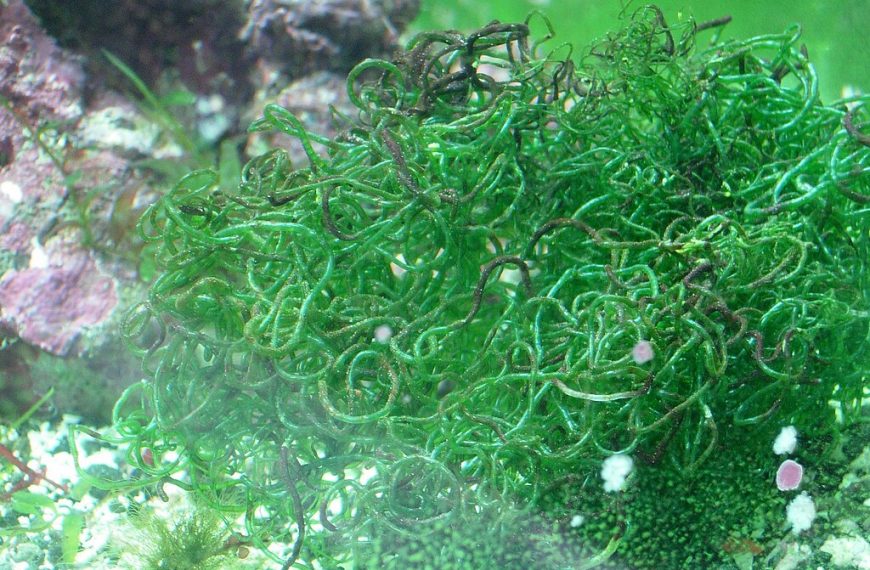
What is a Chaeto Reactor, and How Does it Help Control Nutrients?
A chaeto reactor grows macroalgae in a sealed chamber to remove nitrate and phosphate, helping reef tanks control…
 By
By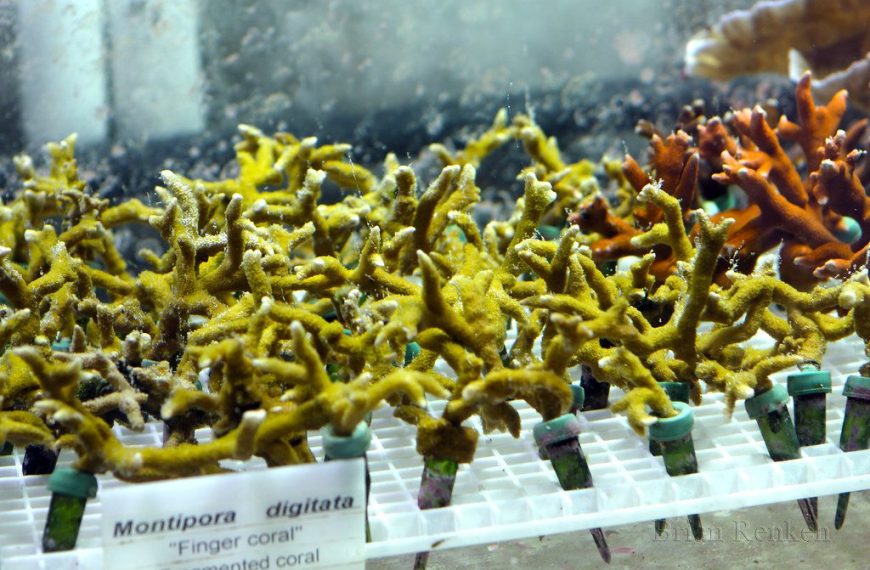
What is a Propagation Tank, and How Do Reef Hobbyists Use it to Grow Coral Frags?
A propagation tank is a dedicated coral grow-out system. It helps reef hobbyists heal, organize, and multiply coral…