Pest Management In Aquariums: Keeping Unwanted Critters Under Control
Pests in a saltwater aquarium can sneak in on live rock, corals, macroalgae, or even a bag of chaeto from a friend. While some hitchhikers are harmless (or even helpful), others can sting corals, overrun rockwork, or stress fish. Effective pest management in aquariums is less about nuking everything on sight and more about smart prevention, early detection, and targeted control.
Common Saltwater Pests And How To Identify Them
Before you can manage pests, you need to know what you’re looking at. Many new hobbyists panic at any worm or bug in the tank, but some are beneficial cleanup crew. Focus on the repeat offenders that cause real problems:
- Aiptasia and majano anemones – Glassy, translucent anemones that multiply quickly and can sting nearby corals.
- Vermetid snails – Stationary tube snails that cast mucus webs, irritating corals and reducing polyp extension.
- Flatworms – Rust-colored planaria or clear Acropora-eating flatworms (AEFW) that damage SPS corals.
- Bristleworms – Most are harmless scavengers, but very large fireworms can nip corals and fish.
- Nuisance algae hitchhikers – Bubble algae, bryopsis, and turf algae that arrive on new rock or frags.
When in doubt, take a clear photo and compare it with reliable identification guides or your own notes from past experiences. Correct ID is the key to choosing the least invasive treatment.
Prevention: Your Best Pest Management Tool
The easiest pests to manage are the ones that never make it into your display tank. Build a simple, repeatable quarantine and dipping routine:
- Quarantine new corals for 2–4 weeks in a separate system. This lets you observe for flatworms, nudibranchs, and algae before they reach your main reef.
- Use coral dips according to manufacturer instructions. Swish frags strongly to dislodge worms, eggs, and tiny crustaceans.
- Inspect frag plugs and bases. When possible, remove original plugs and remount frags to clean discs or rock.
- Rinse macroalgae in clean saltwater and shake vigorously to remove hitchhikers.
Good general husbandry also helps: stable parameters, strong export of nutrients, and appropriate flow all reduce the chances that pests and nuisance algae will explode in population. For more on building a solid foundation, see our guide on saltwater aquarium maintenance.
Targeted Control Methods For Aquarium Pests
Once a pest is established, aim for targeted, gradual control instead of drastic measures that shock your system.
Manual And Mechanical Removal
- Aiptasia and majanos – Inject with kalkwasser paste or a commercial aiptasia solution; turn off flow, treat a few at a time, and siphon away debris.
- Vermetid snails – Break the tubes at the base with pliers or a bone cutter and remove the shell pieces from the tank.
- Flatworms – Siphon visible worms during water changes before using chemical treatments, which can release toxins when large numbers die.
Biological Control
Certain fish and invertebrates will graze on pests, but they are never guaranteed solutions. Always match the animal to your tank size and existing livestock:
- Filefish or peppermint shrimp may eat aiptasia in some systems.
- Emerald crabs can help with bubble algae if well-fed and compatible with your inhabitants.
- Wrasses (such as some Halichoeres species) may pick at flatworms and small pests.
Use biological control as part of a broader plan, not as your only strategy. For stocking ideas that balance utility and compatibility, check our article on the best cleanup crew for saltwater tanks.
Chemical Treatments: Last Resort, Not First Step
Commercial flatworm and aiptasia treatments can be effective, but they should be used carefully:
- Remove as many pests as possible beforehand to limit toxins released during die-off.
- Run fresh carbon and be prepared for large water changes.
- Closely monitor fish and coral behavior for several hours after treatment.
Always follow product directions and start with a test area or smaller dose when possible. Over-treating can do more harm than the pests themselves.
Staying Ahead Of Pests Long-Term
Effective pest management in aquariums is an ongoing process: quarantine new additions, observe your tank regularly, and act early when you notice something unusual. By combining prevention, careful identification, and targeted control, you can keep pests from turning your reef into a headache.
Over time, you’ll learn which hitchhikers are harmless and which deserve immediate attention. Paired with consistent saltwater aquarium setup and care practices, your reef will stay healthier, more stable, and far more enjoyable to watch.
Sources
- Borneman, E. H. Aquarium Corals: Selection, Husbandry, and Natural History. TFH Publications.
- Fenner, R. M. The Conscientious Marine Aquarist. TFH Publications.
- Sprung, J. Algae: A Problem Solver Guide. Ricordea Publishing.
Was this helpful?
Related Posts
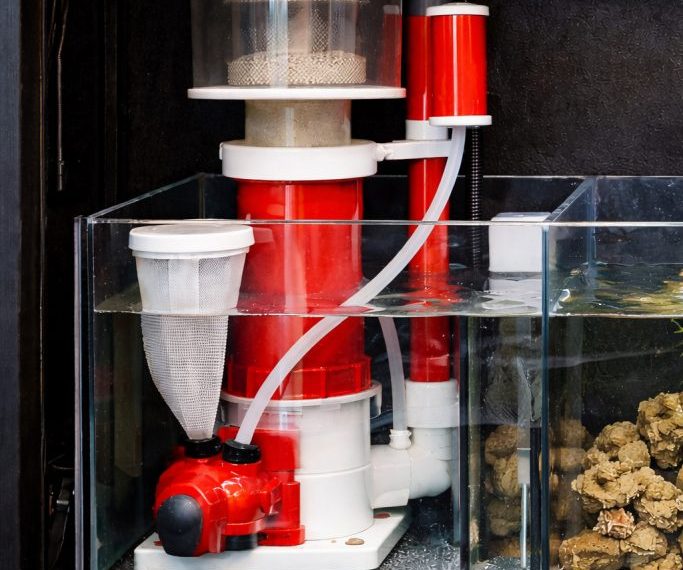
Protein Skimmer Reef Tank Guide
Learn how a protein skimmer works, how to size one, and how to tune it for a cleaner,…
 By
By
Reef Aquarium Water Parameters
Learn the ideal reef aquarium water parameters, safe ranges, and how to keep salinity, alkalinity, nutrients, and pH…