Pipe organ coral is a striking reef display coral. Its red tubes and bright polyps stand out fast. It can also be hardy with steady basics.
This guide covers placement, flow, lighting, and feeding. You will also learn how to spot trouble early. Use it as a simple checklist for long term success.
Understanding pipe organ coral and tank requirements
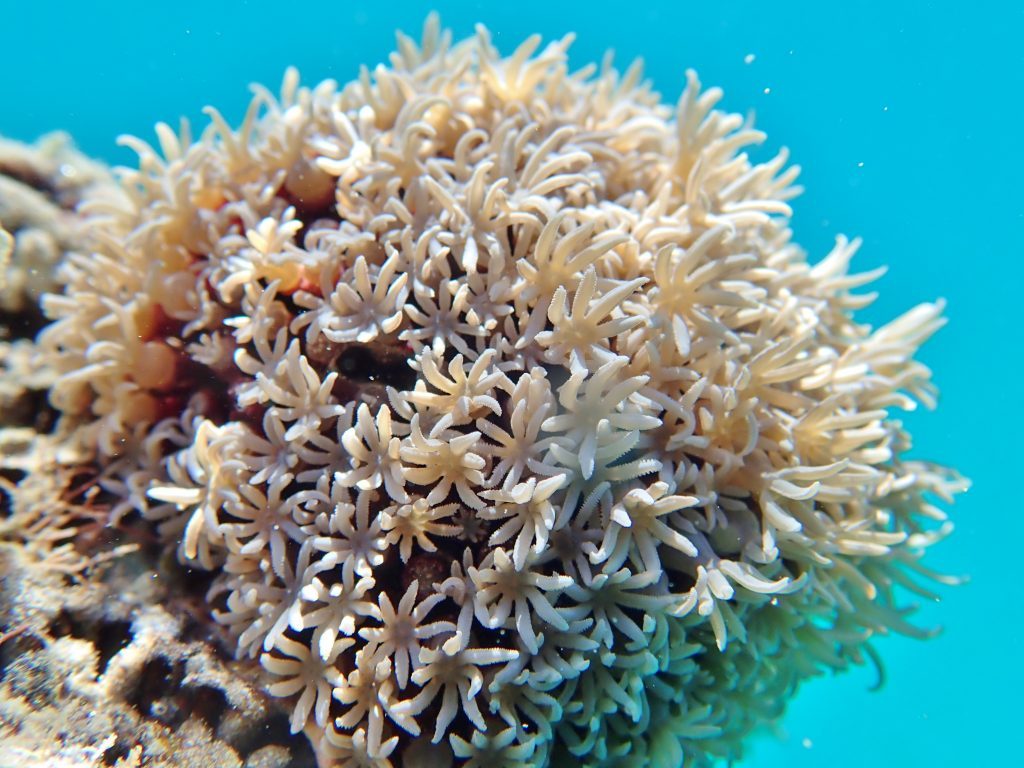
Pipe organ coral is Tubipora musica. It is not a typical stony coral. It builds red calcareous tubes, but has soft tissue polyps. It can retract fully into the tube tops.
Plan for a mature, stable reef tank. Aim for at least 6 months old. A 20 gallon tank can work, but 40 gallons is easier. Bigger water volume buffers swings.
Keep parameters stable and near natural seawater. Target salinity 1.025 to 1.026. Keep temperature 24 to 26°C (75 to 79°F). Hold pH at 8.1 to 8.4 with good aeration.
Support tube growth with strong alkalinity and calcium control. Keep alkalinity 8 to 9 dKH. Keep calcium 420 to 460 ppm. Keep magnesium 1250 to 1400 ppm. Maintain nitrate 2 to 15 ppm and phosphate 0.03 to 0.10 ppm.
- Quick stability checklist: test alkalinity 2 to 3 times weekly at first
- Keep salinity changes under 0.001 per day
- Do 10% weekly water changes, or 20% every two weeks
Quarantine helps prevent pests and infections. Use a coral dip and inspect the tube openings. Avoid exposing it to air for long. Trapped air can irritate tissue. For more on acclimation, see our reef acclimation guide.
Placement, lighting, and flow for consistent polyp extension
Start pipe organ coral low to mid in the tank. Give it a stable rock base. The tubes can topple if placed on sand. Use epoxy or a coral putty if needed.
Lighting should be moderate at first. Aim for PAR 80 to 150 at the polyp level. Too much light can bleach the polyps. Too little light can reduce extension. Ramp up slowly over two to three weeks.
Flow should be moderate and varied. Avoid a direct jet at the polyps. Tissue can tear at the tube tops. A gentle sway is ideal. Use alternating flow or a random mode if available.
Give it space from aggressive neighbors. Keep 10 cm (4 inches) from LPS sweepers. Avoid contact with anemones and euphyllia. If you need help planning zones, read our reef flow patterns guide.
- Placement tips: start in lower light and move up only if needed
- Point a powerhead past the coral, not at it
- Keep it where detritus cannot settle between tubes
Feeding, maintenance, and troubleshooting common problems
Pipe organ coral can rely on light, but feeding improves growth. Feed two to three times per week. Offer fine foods like rotifers, reef roids style powders, and baby brine. Target feed when polyps are extended.
Turn off return flow for 10 to 15 minutes during feeding. Keep a small powerhead on for gentle movement. This keeps food suspended. Resume normal flow to prevent waste buildup.
Watch for brown film and algae on the tubes. This often means low flow or high nutrients. Increase flow slightly and siphon detritus. Keep nitrate under 15 ppm and phosphate under 0.10 ppm. Consider adding a small refugium or better skimming.
Common mistake: chasing numbers with big corrections. Rapid alkalinity changes can cause retraction. Limit alkalinity swings to 0.3 dKH per day. If polyps stay closed for days, check for pests and stinging neighbors. Also verify temperature stability at night.
- If polyps will not extend: confirm salinity with a calibrated refractometer
- Check for direct flow blasting the colony
- Inspect at night for worms, crabs, or nipping fish
- Test alkalinity and correct slowly with dosing
Fragging is possible but should be careful. Cut cleanly between tube clusters. Use bone cutters and eye protection. Glue the base to rock and keep flow gentle for a week. For a broader dosing plan, see our calcium and alkalinity dosing guide.
With stable water and smart placement, pipe organ coral can thrive. Focus on moderate light, varied flow, and consistent alkalinity. Feed lightly and keep the tubes clean. Your reward is bold color and regular polyp extension.
Sources: Borneman, E. (2001) Aquarium Corals; Sprung, J. (2005) The Reef Aquarium Vol. 3; Delbeek & Sprung (1994–2005) The Reef Aquarium series.
Was this helpful?
Related Posts
Dragonets Fish Care
Dragonets are beautiful reef fish, but they need mature tanks and steady food sources. Learn how to keep…
 By
By
Lighting For Aquarium
Lighting for Aquarium: Getting Saltwater Illumination Right Lighting for a saltwater aquarium is about much more than simply…