

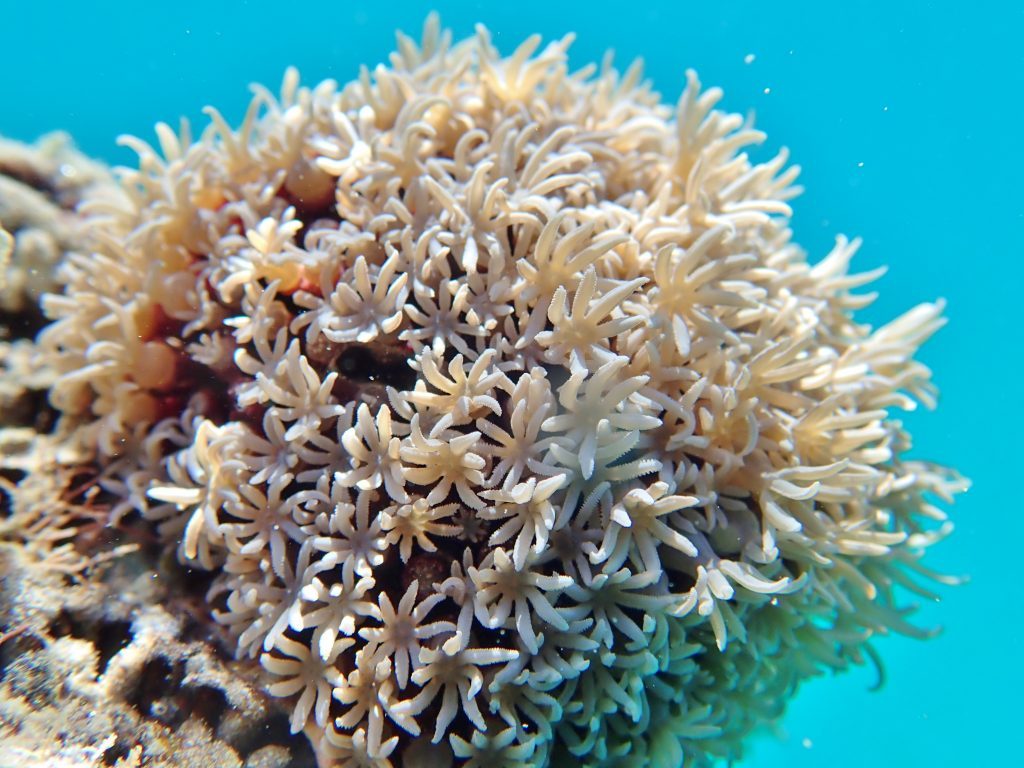
Pipe Organ Coral care is straightforward when you provide moderate light, steady flow, and stable water chemistry. This unique octocoral grows from a red calcium skeleton and opens bright green or brown polyps during the day. It suits many mixed reefs and rewards stable conditions with steady growth and strong extension.
Pipe Organ Coral, Tubipora musica, stands out in reef aquariums for one simple reason. Its skeleton looks like a bundle of tiny organ pipes. That deep red framework remains visible when the polyps retract. This gives the coral interest even at night. Many hobbyists buy it for color and movement. It is also a useful bridge coral between soft coral and stony coral care. In this guide, you will learn how to place it, feed it, frag it, and solve common problems. You will also learn why stability matters more than chasing perfect numbers.
Pipe Organ Coral Quick Reference
| Scientific name | Tubipora musica |
| Common names | Pipe Organ Coral, Organ Pipe Coral |
| Care level | Easy to moderate |
| Temperament | Peaceful, but can be irritated by nearby corals |
| Lighting | Moderate, roughly 80 to 150 PAR |
| Water flow | Moderate, indirect, alternating flow |
| Placement | Low to mid tank in most systems |
| Feeding | Mostly photosynthetic, benefits from fine planktonic foods |
| Growth rate | Moderate in stable tanks |
| Tank size | 20 gallons minimum, 40 gallons or more preferred |
| Ideal temperature | 76 to 79°F |
| Salinity | 1.025 to 1.026 specific gravity |
| Alkalinity | 8 to 9 dKH |
| Calcium | 400 to 450 ppm |
| Magnesium | 1250 to 1350 ppm |
| Nitrate | 2 to 15 ppm |
| Phosphate | 0.03 to 0.10 ppm |
What Is Pipe Organ Coral?
Pipe Organ Coral is an octocoral from the family Tubiporidae. It is not a true stony coral. It is also not a typical soft coral. It sits somewhere in between from a hobby care perspective. The coral forms a rigid red skeleton made of calcium carbonate. Thin horizontal plates connect the upright tubes. Polyps extend from each tube and sway in the current.
Most specimens in the hobby show green polyps. Some have tan or brown tones. Under blue-heavy reef lighting, the contrast can look striking. The red skeleton and bright polyps make it easy to identify. Unlike many encrusting corals, Pipe Organ Coral often grows in clumps or mats with a tidy structure. It usually stays peaceful. Still, it needs room from aggressive neighbors. Its tissue can recede if stung repeatedly. It also dislikes unstable chemistry. Think of it as a coral that values consistency over intensity.
Natural Habitat
In nature, Tubipora musica occurs in the Indo-Pacific. It is found on shallow reef flats, lagoons, and protected reef slopes. These areas often have moderate water movement. Light is usually bright but not always harsh. Sediment can be present, though healthy colonies still need enough flow to stay clean.
Wild colonies attach to hard substrate. They grow in places with stable seawater chemistry. Temperature swings are usually small. Salinity remains consistent. This matters in aquariums. Pipe Organ Coral handles moderate nutrients well. It does not handle sudden changes well. The species relies on symbiotic zooxanthellae for much of its energy. It also captures suspended food from the water column. That combination explains its care needs in captivity. Good light supports photosynthesis. Gentle but steady flow brings oxygen and food while removing waste. A stable reef tank copies these natural conditions best.
Aquarium Setup
Pipe Organ Coral can live in smaller reef tanks, but larger systems are easier. A 20-gallon tank is the practical minimum. A 40-gallon breeder or larger is better. More water volume means better stability. That is especially helpful for alkalinity and salinity.
Place the coral on a stable rock shelf or isolated island. Leave space around the colony for growth and flow. Avoid tight crevices that trap detritus. Also avoid unstable rubble. The skeleton can be brittle during handling. Once attached, the colony prefers not to be moved often. Keep it away from aggressive LPS corals with long sweeper tentacles. Euphyllia, Galaxea, and some favias can cause tissue damage. It also helps to keep sand off the base. Fine sediment can settle between tubes and irritate tissue. If your aquascape collects debris, increase random flow or move the colony slightly higher.
For a stable reef foundation, review reef tank parameters and build around consistency.
Lighting Requirements
Pipe Organ Coral prefers moderate lighting. In most reef tanks, 80 to 150 PAR works well. Some colonies adapt to slightly higher light. Others prefer the lower end. Start lower if the coral is newly added. Then increase slowly over one to two weeks if needed.
Strong light can work if acclimation is careful. Sudden exposure often causes poor polyp extension. The coral may stay closed for days. Tissue can also pale if the shift is too abrupt. Under weak light, growth may slow and polyps may stretch. The best target is steady, moderate intensity with a stable photoperiod. Eight to ten hours of full lighting is enough in most systems. Blue-heavy spectrum enhances appearance, but balanced reef spectrum supports better overall growth. Watch the coral rather than chasing a single number. Good signs include daily extension, strong color, and gradual skeletal expansion at the edges.
If you are tuning your lights, our guide to reef aquarium lighting can help.
Water Flow
Moderate, indirect flow is ideal. Pipe Organ Coral likes enough movement to sway the polyps and keep debris off the colony. It does not like a harsh, direct stream. Too much direct flow can keep polyps retracted. It can also wear tissue at the edges.
Random or alternating flow patterns work best. Aim for visible movement without flattening the polyps. If detritus settles between the red tubes, flow is too weak. If the coral stays tightly closed and looks blasted, flow is too strong or too direct. Powerhead placement matters more than total turnover. Try bouncing flow off the glass or crossing two weaker streams. This creates turbulence without a constant blast. In mixed reefs, Pipe Organ Coral often does well in the same zones as many soft corals and easier LPS. It appreciates clean, oxygen-rich water and benefits from stable circulation day and night.
Water Chemistry and Stability
Stable parameters matter more than perfect numbers. Pipe Organ Coral builds a hard calcium skeleton. That means alkalinity, calcium, and magnesium all matter. Keep alkalinity around 8 to 9 dKH. Keep calcium between 400 and 450 ppm. Keep magnesium between 1250 and 1350 ppm. Large swings can slow growth and reduce extension.
Temperature should stay between 76 and 79°F. Salinity should stay near natural seawater, ideally 1.025 to 1.026. Nutrients should not be stripped too low. Very clean water can lead to pale color and weak extension. Nitrate around 2 to 15 ppm and phosphate around 0.03 to 0.10 ppm usually works well. Sudden drops are often worse than slightly elevated levels. Perform regular water changes. Test consistently. Dose only what the tank consumes. If you are seeing mixed coral issues, check alkalinity in a reef tank before making major changes.
Feeding
Pipe Organ Coral is primarily photosynthetic. It gets much of its energy from light. Still, it benefits from occasional feeding. Fine particle foods work best. Think rotifers, reef roids, phytoplankton blends, or very small zooplankton substitutes. Large meaty foods are usually unnecessary.
Feed lightly one to three times per week. Turn off return flow for a short period if needed. This helps food remain in suspension. Do not blast food directly onto the colony. A gentle broadcast feeding is safer. Overfeeding can foul the water and irritate the coral. In tanks with healthy fish populations, the coral often captures enough suspended nutrition from regular feeding routines. Watch for better extension after lights come on and during feeding windows. That often means the colony is responding well. If nutrients are already high, reduce coral foods and focus on stable chemistry instead.
Compatibility
Pipe Organ Coral is generally peaceful in reef tanks. It mixes well with many community fish, cleaner shrimp, snails, and other common invertebrates. Clownfish usually ignore it. Gobies, blennies, and wrasses are also fine in most setups. The main risk comes from coral neighbors, not fish.
Give it several inches of space from aggressive corals. Avoid direct contact with euphyllia, galaxea, chalices, and other stinging species. Some fast-growing soft corals can also shade or crowd it over time. Xenia and green star polyps may become nuisance neighbors if left unchecked. Reef-safe angelfish and butterflies are still a gamble, since some individuals nip coral polyps. If your tank includes coral pickers, observe closely after introduction. Crabs that rearrange rock can also damage the brittle skeleton. In a mixed reef, the best strategy is simple. Give Pipe Organ Coral moderate space, stable placement, and enough flow to stay clean.
For stocking ideas, see our overview of best reef safe fish.
Propagation and Fragging
When to Frag
Frag only healthy, established colonies. Look for strong daily extension and active edge growth. Do not frag a stressed colony. Wait until it has adjusted to the tank and shows stable behavior for several weeks.
How to Frag Pipe Organ Coral
Use bone cutters, coral shears, or a rotary tool. Cut a small branch or edge section with several intact tubes. Work carefully. The skeleton can crack unpredictably. Wear eye protection and gloves. Rinse the frag in clean saltwater after cutting. Then mount it to rubble or a frag plug with reef-safe gel glue or epoxy. Place the new frag in moderate flow and lower light for a few days. Once it opens reliably, move it to its final spot.
Aftercare
Fresh frags may stay closed for several days. That is normal. Keep parameters stable and avoid handling. Good flow helps prevent film and debris from settling on the cut area. If tissue recession spreads, check for bacterial film, excessive flow, or unstable alkalinity.
Common Problems
Why is my Pipe Organ Coral not opening?
This is the most common question. Recent shipping stress is one cause. Sudden lighting changes are another. Direct flow, nearby stings, and unstable salinity also cause closure. First, check placement. Then test alkalinity, salinity, and temperature. Look for pests or detritus trapped in the colony. If all looks normal, give it time. Some colonies need several days to settle after moving.
Why is the tissue receding from the red skeleton?
Tissue recession usually points to stress. Common causes include aggressive neighbors, low flow with debris buildup, or chemistry swings. Inspect at night for sweeper tentacles from nearby corals. Increase indirect flow if detritus is settling. Review recent dosing changes. Rapid alkalinity shifts are a frequent trigger in mixed reefs.
Why does it look pale or lose color?
Paling often follows excessive light, nutrient starvation, or sudden parameter changes. Reduce light intensity slightly if the coral was recently moved higher. Make sure nitrate and phosphate are not bottomed out. Feed lightly and restore stability before making more adjustments.
Algae growing on the skeleton
Algae on exposed skeleton usually means the coral stayed closed too long or tissue has receded. Improve flow, remove nearby aggression, and stabilize water chemistry. Gently turkey baste the colony during maintenance. Do not scrub living tissue.
Step-by-Step Placement Guide
Start by dipping and inspecting the coral if appropriate. Then place it low to mid tank. Choose an area with moderate, indirect flow. Begin under moderate light, not peak intensity. Leave several inches of space around the colony. Watch extension for three to seven days. If the coral stays open and clean, keep it there. If debris settles, increase random flow. If it stays closed and looks blasted, reduce direct flow. Make one change at a time. That makes troubleshooting much easier.
Frequently Asked Questions
Is Pipe Organ Coral a soft coral or stony coral?
It is an octocoral with a hard calcium skeleton. In care terms, it sits between soft and stony corals.
How fast does Pipe Organ Coral grow?
Growth is usually moderate. Stable alkalinity, moderate light, and clean flow improve growth rates.
Can Pipe Organ Coral live in a nano reef?
Yes, but only if the tank is stable. Nanos swing faster, so salinity and alkalinity must be watched closely.
Does Pipe Organ Coral need feeding?
It can survive mainly on light, but occasional fine foods often improve extension and growth.
Is Pipe Organ Coral aggressive?
It is usually peaceful. The bigger issue is protecting it from aggressive neighbors with stronger stings.
Pipe Organ Coral is one of the most rewarding corals for hobbyists who value movement and contrast. It is not difficult, but it does expect stability. Give it moderate light, indirect flow, and balanced nutrients. Keep aggressive corals at a distance. If you do that, it will often become a reliable, eye-catching part of a mixed reef for years.
Was this helpful?
Related Posts
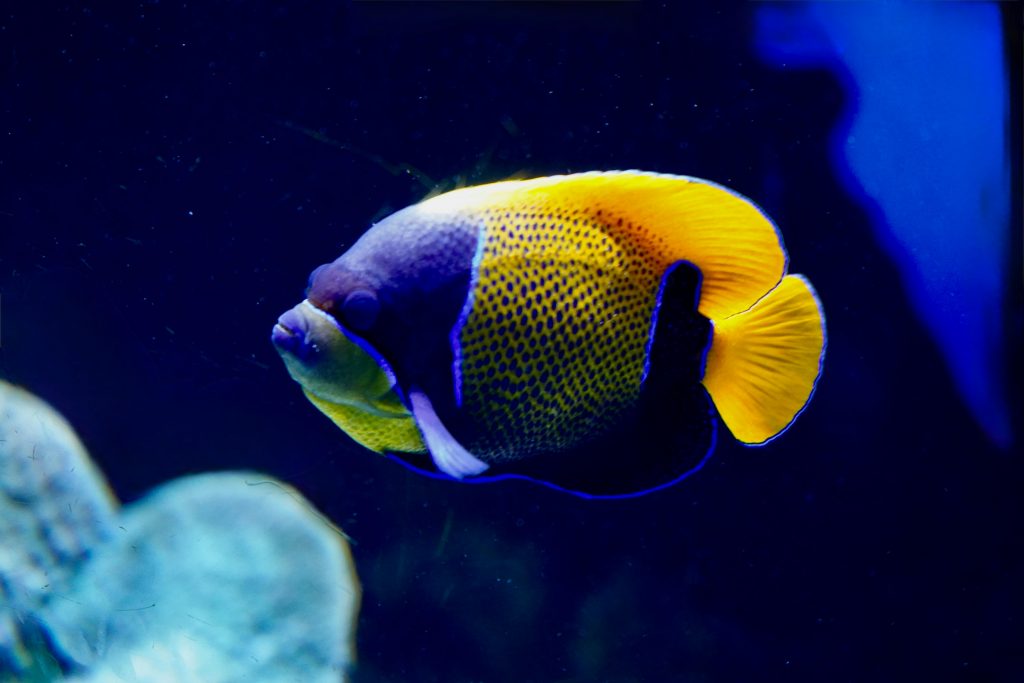
Majestic Blue Girdled Angelfish (Pomacanthus Navarchus)
Majestic Angelfish care requires a large stable tank, varied sponge-based foods, and caution in reefs due to coral…
 By
By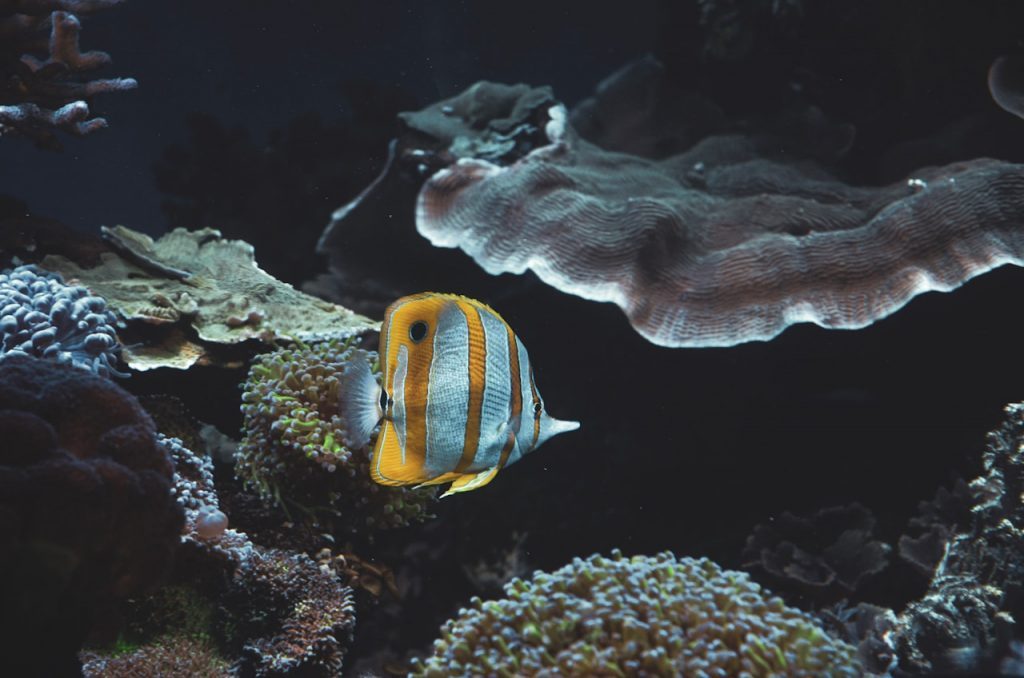
Butterflyfish Care in Marine Aquariums
Practical butterflyfish care for marine aquariums, including tank size, feeding steps, and quarantine tips for healthy long-term success.
[favorite_button]
My Bookmarks:
To see full list click here
[user_favorites user_id="" include_links="true" site_id="" post_types="" include_thumbnails="true" thumbnail_size="thumbnail" include_excerpt="false"]