

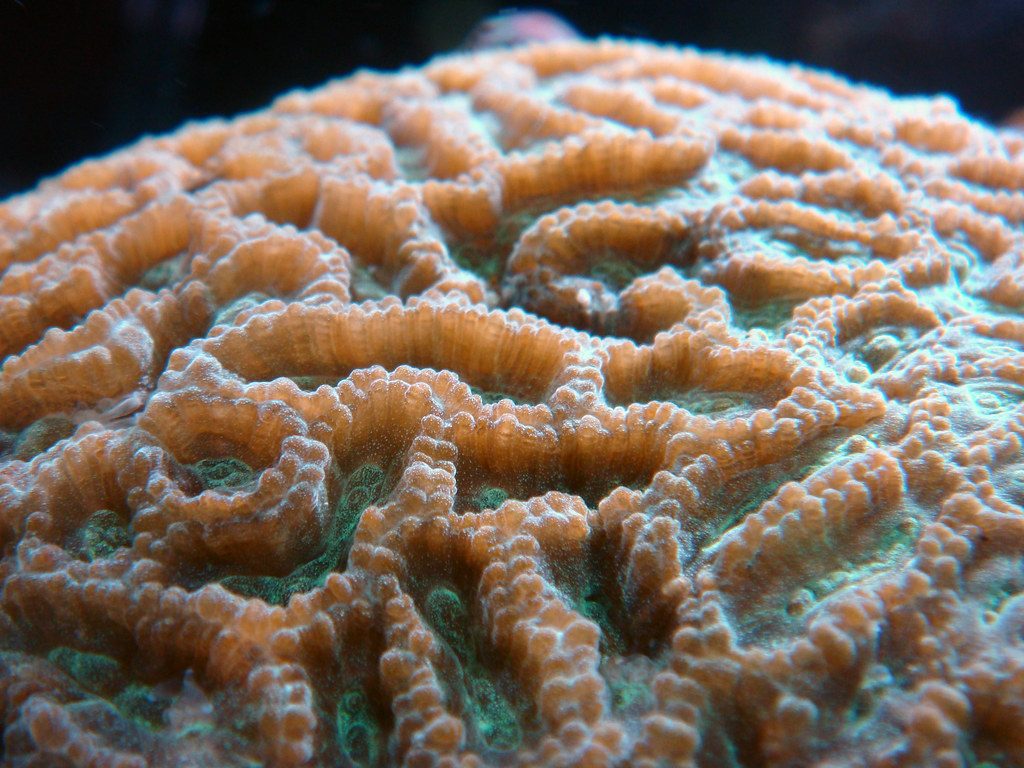
Platygyra corals are hardy large polyp stony corals with maze-like ridges and strong color potential. They do best in stable reef tanks with moderate light, moderate flow, and careful placement away from aggressive neighbors. Once settled, they can become durable and eye-catching centerpiece corals.
Many reef keepers know Platygyra as brain coral. The name fits. Its surface forms winding valleys and raised walls that resemble a maze. These corals can be excellent choices for beginners moving into LPS care. They are not the fastest growers, but they reward patience with bold texture and rich color. In this guide, you will learn how to keep Platygyra healthy, where to place it, what to feed it, and how to solve the most common problems hobbyists face. I will also cover compatibility, fragging basics, and the water conditions that help this coral thrive long term.
Quick Reference Table
| Category | Recommendation |
|---|---|
| Common Name | Platygyra coral, brain coral |
| Care Level | Easy to moderate |
| Coral Type | LPS coral |
| Temperament | Semi-aggressive |
| Lighting | Moderate |
| Water Flow | Moderate, indirect |
| Placement | Rockwork or stable substrate with space around it |
| Feeding | Photosynthetic, benefits from target feeding |
| Growth Rate | Slow to moderate |
| Ideal Temperature | 76–79°F |
| Salinity | 1.025–1.026 specific gravity |
| Alkalinity | 8–9 dKH |
| Calcium | 420–450 ppm |
| Magnesium | 1300–1400 ppm |
| Nitrate | 2–15 ppm |
| Phosphate | 0.03–0.10 ppm |
What Are Platygyra Corals?
Platygyra corals are stony corals in the family Merulinidae. In the hobby, they are grouped with other brain corals. Their skeleton forms thick meandering ridges. Their fleshy tissue covers these ridges and expands during the day or night, depending on the colony and tank conditions. Colors vary widely. You may see green, brown, red, purple, orange, or mixed patterns with glowing mouths.
These corals are photosynthetic. They host zooxanthellae that provide much of their energy. They also benefit from occasional feeding. Platygyra often has a reputation for toughness. That reputation is deserved when water chemistry stays stable. Sudden changes cause stress fast. Like many LPS corals, they dislike swings in alkalinity, salinity, and temperature. They also need room because many colonies can extend sweeper tentacles at night. That makes placement an important part of successful care.
Natural Habitat
Platygyra corals occur across the Indo-Pacific. They are found on reef slopes, lagoons, and protected reef areas. In nature, they often grow where light is present but not extreme. Water movement is steady, yet not blasting. Many colonies settle onto rocky reef structure where sediment does not collect heavily on the tissue.
Understanding this habitat helps with aquarium care. These corals are adapted to stable seawater and regular nutrient availability. They are not deep shade corals. They are also not ideal for the brightest, harshest spots under modern LEDs. In the wild, they receive changing currents that help carry away waste and deliver oxygen. In tanks, this means indirect flow works better than a direct powerhead stream. Their natural environment also explains why they handle moderate nutrients better than ultra-clean systems. A little available nitrate and phosphate usually supports better color and feeding response.
Aquarium Setup
Platygyra can live in smaller reef aquariums, but a stable system matters more than raw size. I suggest at least 20 gallons for a single frag in a mature tank. Larger tanks are easier. They hold parameters more steadily. That gives LPS corals a better chance to settle and grow.
Place Platygyra on secure rockwork or a stable ledge. Avoid spots where sand can pile onto the tissue. Sediment trapped in the valleys can lead to irritation. Leave several inches of space around the colony. Nighttime sweepers can sting nearby corals. Keep it away from aggressive neighbors like Galaxea, Euphyllia with long sweepers, and some favias. If you are building a mixed reef, think ahead about future growth. A small frag may look harmless now. In a year, the colony may need much more room. For broader aquascaping ideas, see our guide on live rock aquascaping and reef structure.
Lighting Requirements
Platygyra usually prefers moderate light. In most reef tanks, a PAR range of about 75 to 150 works well. Some established colonies can adapt to slightly higher light. Start lower if you are unsure. New frags often bleach when moved too quickly under strong LEDs.
Acclimation is important. Begin the coral in a lower or partially shaded area. Then raise it slowly over one to two weeks if needed. Watch tissue color and polyp extension. Faded tissue often means too much light. Brown tissue can mean low light, excess nutrients, or both. Spectrum matters less than stability, but many hobbyists report best color under balanced blue-heavy reef lighting. Avoid making frequent changes to intensity. Brain corals often react slowly. Give them time before judging placement. If you are tuning a new fixture, our reef tank lighting guide can help you dial in a safer schedule.
Water Flow
Moderate, indirect flow is ideal. The coral should receive enough movement to keep detritus from settling in its grooves. The tissue should move gently, not whip around. Strong direct flow can cause recession, poor expansion, and tissue damage over time.
A good test is to watch how food and fine particles move around the colony. If debris settles and stays put, flow is too low. If the tissue looks compressed all day, flow is too high. Random flow patterns work best. Gyres, alternating pumps, or deflected powerhead streams usually produce better results than a constant blast. In mixed reefs, remember that SPS zones often have more flow than Platygyra prefers. Do not place this coral in the highest energy area just because the light is right. If needed, adjust placement first before changing the whole tank’s flow pattern.
Water Chemistry and Stability
Stable chemistry is the foundation of Platygyra care. Aim for temperature between 76 and 79°F. Keep salinity at 1.025 to 1.026. Hold alkalinity steady between 8 and 9 dKH. Calcium should stay around 420 to 450 ppm. Magnesium should remain near 1300 to 1400 ppm.
Do not chase perfect numbers every day. Chase consistency instead. A coral can adapt to slightly different values. It struggles with sudden swings. Nitrate around 2 to 15 ppm and phosphate around 0.03 to 0.10 ppm often work well. Ultra-low nutrients can cause pale tissue and weak feeding response. High nutrients can fuel algae growth on the skeleton. Test alkalinity often if your tank is stocked with stony corals. Platygyra lays down skeleton steadily, even if growth looks slow from week to week. If you are managing dosing, our reef tank alkalinity guide explains how to keep levels stable without overcorrecting.
Feeding
Platygyra is photosynthetic, but feeding helps growth and recovery. Many colonies extend feeder tentacles after lights dim. This is the best time to target feed. Offer small meaty foods once or twice each week. Good options include mysis shrimp, finely chopped seafood, reef roids, and other LPS foods.
Turn off strong flow during feeding. Use a turkey baster or pipette. Gently place food over the mouths and let the coral capture it. Do not overload the tank. Excess food can raise nutrients fast. If the coral does not respond, try feeding later at night or after adding a small amount of broadcast food to trigger a feeding response. Healthy Platygyra often swells slightly and closes around food. If tissue is receding, feeding may help recovery, but only if the root cause is fixed. Poor chemistry or aggression cannot be solved with food alone. For nutrition basics, read our coral feeding guide for LPS and mixed reefs.
Compatibility
Platygyra is generally reef safe with fish and most invertebrates. The bigger issue is coral aggression. This coral can sting nearby neighbors with sweeper tentacles. Give it space on all sides. Keep extra distance if you notice long nighttime extension. Do not crowd it with acans, favias, chalices, or euphyllia.
Most reef fish ignore Platygyra. Still, some species can cause trouble. Large angelfish and some butterflyfish may nip the tissue. Certain crabs can irritate the colony if they pick at food trapped in the valleys. Sand-sifting fish may bury low-placed colonies. Shrimp usually coexist well, but aggressive scavengers can steal food during target feeding. In mixed reefs, Platygyra often works best in the LPS zone. Pair it with corals that prefer similar light and flow. Avoid fast-growing encrusters that can shade or overtake the edges. If you are stocking a community reef, our reef-safe fish compatibility guide can help you avoid common mistakes.
Propagation and Fragging
When to Frag
Frag only healthy, established colonies. The coral should show full tissue coverage, stable color, and no recent recession. Do not frag a stressed specimen. Wait until it has fully adjusted to your tank and grown over the cut edges from any previous damage.
How to Frag Platygyra
Use a coral saw or rotary tool with proper eye protection. Plan cuts through the skeleton between visible mouths when possible. Clean cuts reduce tissue tearing. Dip the frag if needed, then place it in moderate flow to help healing. Keep light moderate during recovery. Fresh cuts can bleach under intense light.
Healing and Aftercare
After fragging, monitor the cut edges closely. Mild slime production is normal. Rapid tissue loss is not. Keep parameters stable and avoid handling the frag. Feeding small amounts after a few days may help recovery. Most healthy pieces heal well if the cut was clean and the tank is stable.
Common Problems
Why Is My Platygyra Coral Bleaching?
Bleaching usually points to excess light, rapid parameter swings, or temperature stress. Check recent changes first. Did you increase LED intensity? Did alkalinity swing? Move the coral to lower light and stabilize conditions. Avoid making several corrections at once.
Why Is the Tissue Receding?
Tissue recession often comes from direct flow, aggression, unstable alkalinity, or pests and irritation. Inspect the colony at night. Look for sweeper damage from neighbors. Check for exposed skeleton spreading from one edge. Improve placement and correct chemistry slowly.
Why Won’t My Platygyra Open or Feed?
A coral that stays tight may be stressed by recent moves, poor flow, low nutrients, or fish picking. Give it time. Try feeding after lights out. Make sure detritus is not collecting in the valleys. Stable tanks usually bring back feeding behavior.
Algae Growing on the Skeleton
Algae on exposed skeleton means the tissue has already pulled back. The algae is a symptom, not the cause. Improve water quality, remove nearby aggression, and gently clean surrounding areas if needed. Recovery is possible if living tissue remains healthy and conditions improve quickly.
Step-by-Step Placement Guide
First, inspect the frag for damage, pests, and exposed skeleton. Second, place it in moderate light and indirect flow. Third, leave several inches of space around it. Fourth, acclimate it slowly to brighter light if needed. Fifth, monitor tissue color for two weeks before moving it again. Sixth, begin light target feeding once the coral shows normal expansion. Seventh, test alkalinity regularly and keep it stable. This simple approach prevents most early losses. The biggest mistake is moving the coral too often. Pick a reasonable spot, then give it time to adapt.
Frequently Asked Questions
Are Platygyra corals good for beginners?
Yes, they can be. They are a solid first LPS coral for hobbyists with stable tanks. They are forgiving compared with many SPS corals. They still need consistent chemistry and proper spacing.
How fast do Platygyra corals grow?
Growth is usually slow to moderate. Feeding, stable alkalinity, and good placement improve growth. Do not expect rapid expansion like some soft corals or montipora.
Can Platygyra touch other corals?
No. It is safer to avoid contact. Platygyra can sting nearby corals, especially at night. Leave several inches of open space around the colony.
Do Platygyra corals need feeding?
They do not require heavy feeding to survive. However, they benefit from occasional target feeding. Feeding often improves growth, color, and recovery after stress.
Where should I place Platygyra in a reef tank?
Place it in moderate light with moderate indirect flow. Avoid sand buildup, direct pump blast, and aggressive coral neighbors. Stable mid-level placement works well in many tanks.
Platygyra corals bring texture that few other LPS corals can match. Their maze-like growth stands out in mixed reefs and dedicated LPS systems alike. If you provide moderate light, indirect flow, stable chemistry, and enough space, they are usually reliable long-term corals. Be patient with placement. Watch for slow signs of stress. Feed lightly, keep alkalinity steady, and avoid coral warfare. Do those things well, and a healthy Platygyra can become one of the most interesting corals in your tank.
Was this helpful?
Related Posts
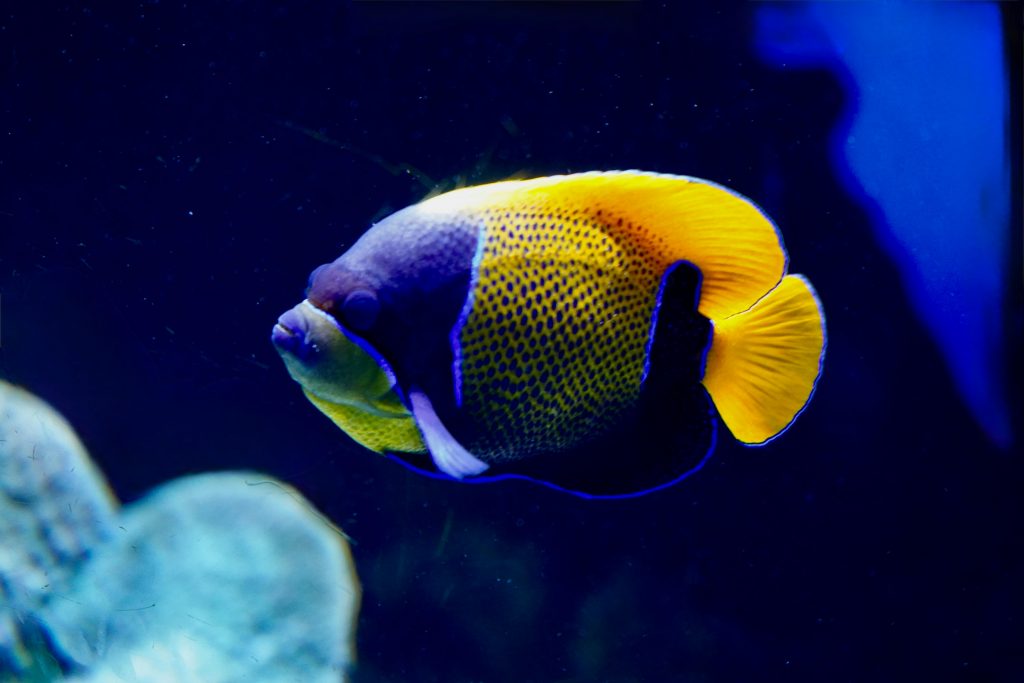
Majestic Blue Girdled Angelfish (Pomacanthus Navarchus)
Majestic Angelfish care requires a large stable tank, varied sponge-based foods, and caution in reefs due to coral…
 By
By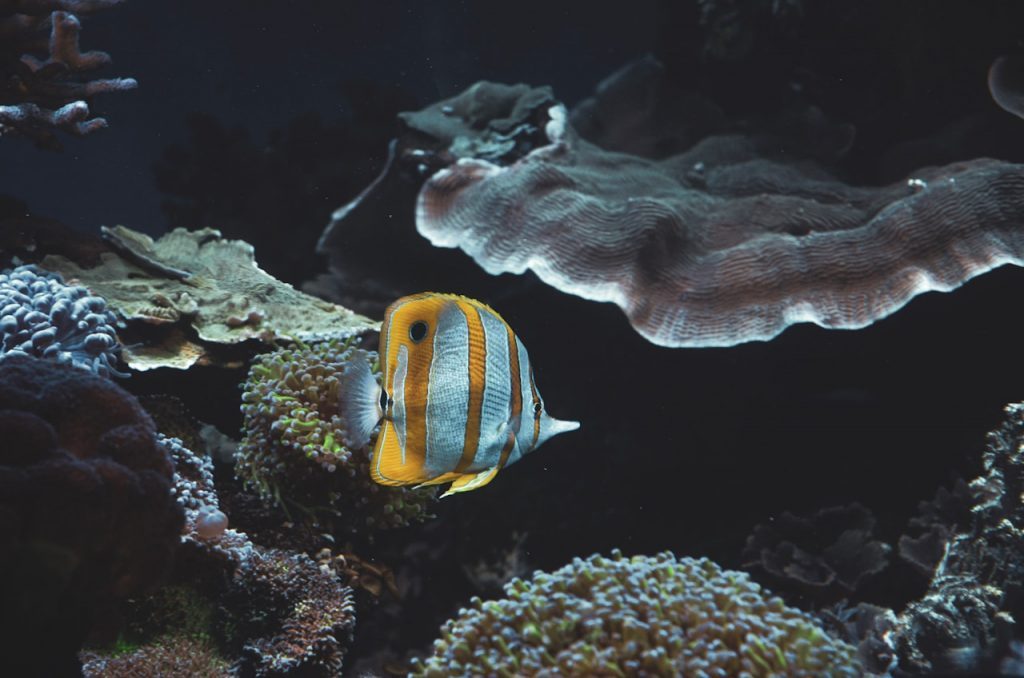
Butterflyfish Care in Marine Aquariums
Practical butterflyfish care for marine aquariums, including tank size, feeding steps, and quarantine tips for healthy long-term success.
[favorite_button]
My Bookmarks:
To see full list click here
[user_favorites user_id="" include_links="true" site_id="" post_types="" include_thumbnails="true" thumbnail_size="thumbnail" include_excerpt="false"]