

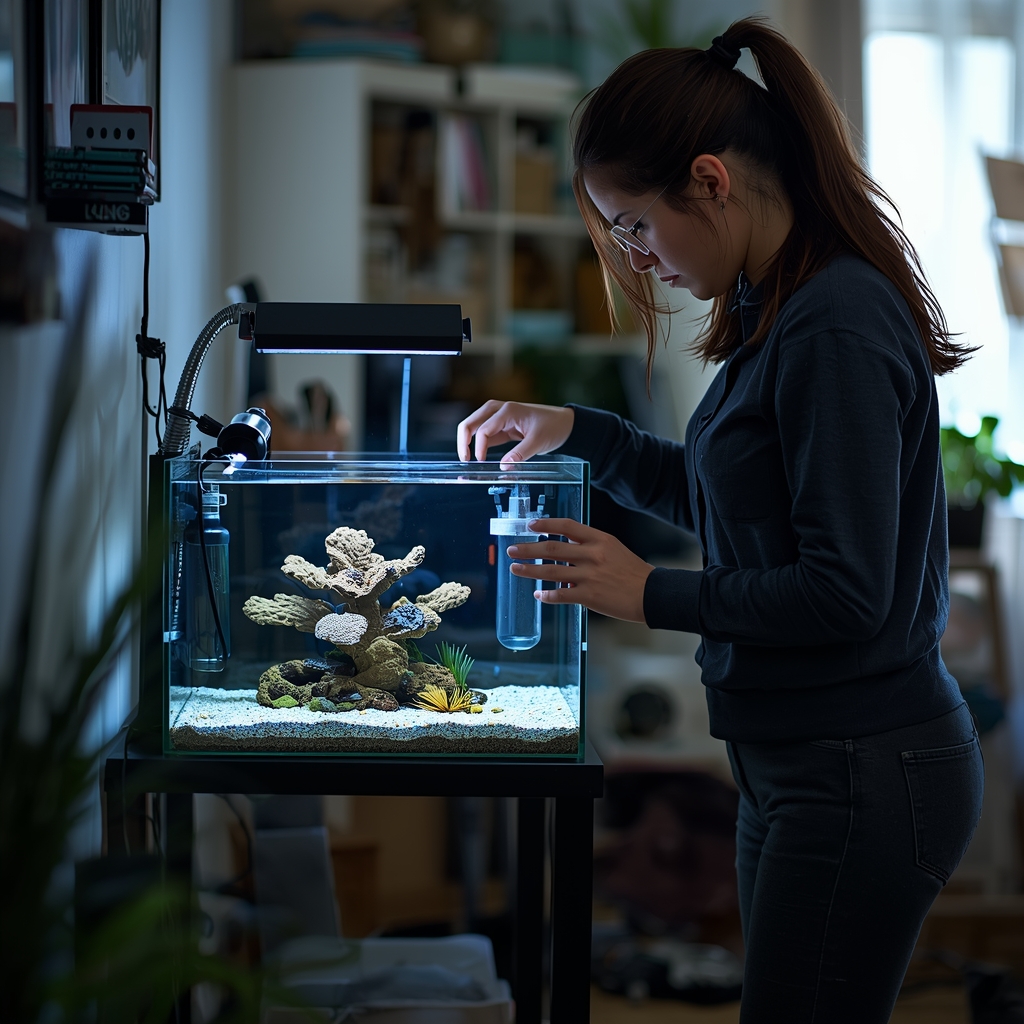
Quarantine for reef tanks protects fish, corals, and invertebrates from pests and disease. A simple quarantine process prevents many common disasters. It also gives new arrivals time to recover, eat well, and adjust before entering your display.
Many reef keepers skip quarantine at first. Later, they learn why it matters. One infected fish can spread ich through the whole tank. One coral frag can introduce flatworms, nudibranchs, or algae. Removing those problems from a stocked reef is hard. Preventing them is much easier. In this guide, you will learn how quarantine works, what equipment you need, how to quarantine fish and corals safely, and how to avoid common mistakes. The goal is not a fancy setup. The goal is control, observation, and a healthier reef.
Quick Reference Table
| Quarantine Type | Best For | Typical Duration | Main Goal |
|---|---|---|---|
| Fish quarantine tank | New marine fish | 2 to 4 weeks minimum | Observe, feed, and treat disease if needed |
| Coral quarantine tank | Coral frags and colonies | 2 to 6 weeks | Watch for pests, dip, and inspect |
| Invert observation tank | Shrimp, snails, crabs | 2 to 4 weeks | Observe health without medications |
| Hospital tank | Sick fish only | As needed | Active treatment and isolation |
Why Quarantine Matters in Reef Keeping
Reef tanks are stable ecosystems. New livestock can disrupt that balance fast. Fish often carry parasites without obvious symptoms. Corals can hide pests in tiny crevices. Invertebrates may arrive stressed or weak from shipping. Quarantine gives you time to inspect every animal closely.
This process also reduces stress. New fish often arrive thin and nervous. In a quarantine tank, they face less competition. They can learn to eat prepared foods. You can monitor breathing, waste, and behavior. That is much harder in a rock-filled display.
For corals, quarantine helps you catch pests before they spread. A single acropora frag can bring in red bugs or acropora eating flatworms. Zoanthids may carry nudibranchs or sundial snails. Even nuisance algae can hitchhike in. A separate system protects your main reef from all of it.
Fish Quarantine vs Coral Quarantine
Fish quarantine and coral quarantine serve different purposes. Fish quarantine focuses on disease prevention, feeding response, and stress recovery. Coral quarantine focuses on pest control, visual inspection, and repeated dipping if needed. These systems should stay separate.
Never medicate a coral quarantine tank like a fish hospital tank. Copper is common in fish treatment. Copper can kill invertebrates and contaminate equipment. Keep separate buckets, nets, heaters, and tools. Label everything clearly. This prevents costly mistakes.
Some hobbyists use one basic tank for fish observation and one small frag system for corals. That works well for most home reef keepers. You do not need expensive gear. You need clean water, stable temperature, and enough time to observe.
Equipment for a Simple Quarantine Setup
A fish quarantine tank can be very simple. A 10 to 20 gallon tank works for many small fish. Use a heater, thermometer, lid, and basic filter. A sponge filter is a great choice. It is cheap, gentle, and easy to replace. Add a few pieces of PVC for hiding spots.
Keep the bottom bare. Bare bottom tanks are easier to clean. You can spot waste quickly. You can also monitor uneaten food. Strong lighting is not needed for fish quarantine. Moderate light is enough. Too much light can increase stress.
For coral quarantine, use a small tank with a heater, flow pump, and reef light. Match the display tank’s salinity and temperature. Add a frag rack for easy inspection. Avoid live rock if possible. Pests can hide in rock and make treatment harder. A simple, open layout is best.
Step-by-Step Fish Quarantine Process
- Prepare the tank before livestock arrives. Make sure temperature and salinity are stable.
- Acclimate the fish carefully. Match salinity slowly if shipping water differs.
- Transfer the fish gently. Discard shipping water. Do not pour it into quarantine.
- Keep lights dim for the first day. Let the fish settle.
- Offer small meals within 24 hours. Try frozen mysis, pellets, or algae sheets.
- Observe breathing, swimming, appetite, and body condition daily.
- Test ammonia often. Small quarantine tanks can spike fast.
- Perform water changes as needed. Clean the bottom regularly.
- Treat only when needed, or follow your preferred prophylactic protocol.
- Move the fish to the display only after it is eating well and shows no signs of disease.
Many hobbyists prefer observation-only quarantine. Others use proactive treatment for parasites. Both approaches can work. The key is consistency. If you choose observation, inspect fish every day. If you choose treatment, research the medication and species sensitivity first.
How to Quarantine Corals and Invertebrates
Coral quarantine starts with inspection. Look for eggs, bite marks, algae, and pests around the plug and base. Then use a coral dip that matches the coral type. Dips help remove many hitchhikers. They do not kill every egg. That is why observation time matters.
Place the coral in a separate quarantine tank after dipping. Check it every few days. Use a flashlight and magnifying glass if possible. Inspect the underside of plugs. Remove suspicious algae manually. If pests appear, repeat the dip process based on the product directions.
Invertebrates need a gentler approach. Shrimp, snails, and crabs cannot tolerate fish medications. They usually go into an observation-only tank. Watch for weakness, failed molts, or damage from shipping. Keep parameters stable. Stability matters more than intervention with most inverts.
Aquarium Setup Tips for Quarantine Success
Stability is the biggest factor in quarantine success. Match salinity to the source when possible. Then adjust slowly over time. Keep temperature steady. Avoid sudden swings. New arrivals are already stressed. Fast changes make disease more likely.
Seed a sponge filter in your sump ahead of time. This helps with biological filtration. If you do not have a seeded filter, be ready for frequent testing and water changes. Use an ammonia alert badge as a backup. It is not perfect, but it helps.
Do not decorate the quarantine tank like a display. Keep it simple. Open space makes observation easier. It also makes cleaning faster. Label all quarantine tools. Cross contamination is common. A shared net or frag cutter can undo all your careful work.
Feeding During Quarantine
Feeding is a major part of quarantine. Many fish arrive underweight. Offer small meals two or three times daily. Use foods that trigger feeding. Frozen mysis, enriched brine, pellets, and nori are good starting points. Match the diet to the species.
Watch how the fish eats. Fast strikes are a good sign. Spitting food can signal stress or internal issues. Fish that refuse food for several days need close attention. Try different textures and sizes. Soaking food in vitamins can help weak fish recover.
Corals in quarantine also need support. Many photosynthetic corals do well with stable light and clean water. Some LPS corals benefit from spot feeding once or twice weekly. Avoid overfeeding the quarantine tank. Small systems foul quickly. Feed enough for health, not excess growth.
Compatibility and Cross-Contamination Risks
Do not crowd a quarantine tank. Too many fish increase stress and aggression. It also makes diagnosis harder. Quarantine fish with similar temperaments when possible. Aggressive species may need separate tanks or dividers. Hiding places help reduce conflict.
Corals should also be spaced well. Pests spread more easily in crowded systems. Stinging corals can damage neighbors. Good spacing lets you inspect each frag. It also improves flow and keeps detritus from building up.
The biggest compatibility issue is tool sharing. Nets, buckets, towels, and hands can move pathogens between tanks. Wash and dry tools fully. Better yet, keep separate sets. This is especially important if you treat fish with medication or dip corals regularly.
Common Problems
Ammonia Spikes in Quarantine
Ammonia is the most common quarantine problem. Small tanks have little buffer. Heavy feeding makes it worse. Test often, especially in the first week. Use a seeded sponge filter if possible. Perform water changes quickly when ammonia rises. Reduce feeding slightly, but do not starve the fish.
Fish Refuses to Eat
New fish often hide and skip meals. Keep lighting dim. Offer food quietly and from a distance. Try live or frozen foods first. Check for rapid breathing or visible spots. Those signs may point to disease or shipping stress. Some species simply need more time.
Coral Pests Keep Reappearing
This usually means eggs survived the first dip. Remove the frag plug if possible. Scrape or cut away problem areas. Repeat inspection every few days. Extend the quarantine period. Many coral pests need repeated action, not one treatment.
Quarantine Tank Looks Too Sterile
That is normal. Quarantine is not meant to be pretty. It is meant to be clean and easy to monitor. A bare tank helps you see problems early. If fish seem nervous, add more PVC pieces or darken the sides of the tank.
Best Practices Before Moving Livestock to the Display
Before transfer, make sure the animal is stable. Fish should eat aggressively and breathe normally. Fins should look intact. Skin should be clear. Corals should show normal extension and no signs of pests. Invertebrates should move and respond normally.
Match salinity and temperature between systems. Use a clean container for transfer. Never move quarantine water into the display. This simple habit lowers risk. If you have any doubt, wait longer. Extra observation is cheaper than a tank-wide outbreak.
Quarantine takes patience. It may feel slow. Still, it is one of the smartest habits in reef keeping. It protects your investment. More importantly, it protects the animals already thriving in your reef.
Frequently Asked Questions
How long should I quarantine new saltwater fish?
Two to four weeks is a common minimum. Longer is safer if you suspect disease or poor feeding response.
Do I need to quarantine corals if I dip them?
Yes. Dips help, but they do not remove every pest or egg. Observation catches what dips miss.
Can I use live rock in a fish quarantine tank?
It is usually better to avoid it. Rock absorbs medication and makes cleaning harder. PVC is safer and simpler.
Should every reef keeper have a hospital tank?
Yes. Even a basic spare tank helps during emergencies. It is one of the most useful backup tools.
Can invertebrates go through fish quarantine medication?
No. Many fish medications are dangerous to invertebrates. Observe them separately in a medication-free tank.
Related Reading on FancyReef
- reef tank parameters
- how to dip coral
- reef tank cycling guide
- best clean up crew for reef tank
- beginner reef tank mistakes
Was this helpful?
Related Posts
Reef Alkalinity and Calcium Guide
Learn the ideal reef alkalinity and calcium ranges, how they interact, and how to test, dose, and troubleshoot…
 By
ByReef Tank Basics
Learn reef tank basics, from setup and cycling to lighting, flow, and water chemistry, so your first reef…
[favorite_button]
My Bookmarks:
To see full list click here
[user_favorites user_id="" include_links="true" site_id="" post_types="" include_thumbnails="true" thumbnail_size="thumbnail" include_excerpt="false"]