Why You Should Quarantine Saltwater Fish
Quarantine saltwater fish is one of the best habits you can build in the reef-keeping hobby. A simple quarantine (QT) tank protects your display from parasites like marine ich, velvet, and flukes, and gives new fish time to recover from shipping stress. Even healthy-looking fish from trusted stores can carry invisible problems, so a short delay before adding them to your main tank can save you money, frustration, and livestock loss.
If you’re new to this process, read this alongside our guides on acclimating new saltwater fish and saltwater fish care for beginners to build a complete, safe routine for every new addition.
Setting Up a Simple Quarantine Tank
You don’t need an elaborate system to successfully quarantine saltwater fish. A basic, bare-bottom tank with stable parameters is far more important than fancy gear.
Essential Equipment
- Tank size: 10–20 gallons for small fish; 20–40 gallons for larger or multiple fish.
- Filtration: Sponge filter or small HOB filter with seeded media from your display system.
- Heater and thermometer: Keep temperature stable, usually 76–78°F (24–26°C).
- Hiding places: PVC elbows, couplings, or plastic decor for shelter (easy to disinfect).
- Lighting and cover: Simple light and a tight lid to prevent jumping.
Before adding a new fish, match the QT salinity and temperature to the store water as closely as possible. Combine this with a careful acclimation routine (see our drip acclimation guide) to reduce stress and shock.
Quarantine Timeline and Daily Routine
Most hobbyists quarantine saltwater fish for 4–6 weeks. This covers the life cycle of common parasites and gives time for observation and treatment if needed.
- Days 1–3: Focus on low stress and good feeding. Offer small, frequent meals of frozen or prepared foods the fish readily accepts.
- Week 1–2: Observe closely for rapid breathing, flashing, white spots, frayed fins, or cloudy eyes.
- Week 3–6: Continue observation and treatment if required, while maintaining top-notch water quality.
Tip: Test ammonia daily in a new QT. Perform partial water changes at the first sign of a spike, and keep extra pre-mixed saltwater on hand.
Observation, Treatment, and When to Transfer
The main goal of quarantine is careful observation. Watch your fish at feeding time and under normal lighting for any behavioral changes. Common signs that warrant closer attention include:
- Scratching or rubbing on PVC or glass
- White dots, dusty coating, or excess mucus
- Clamped fins, lethargy, or staying at the surface or hiding constantly
If you identify a likely disease, you can treat in QT using appropriate medications without exposing your display tank to copper or other strong drugs. Always research each species’ sensitivity first; some invertebrate-safe medications are milder but still effective for certain issues.
When the fish has eaten well, shown normal behavior, and remained symptom-free for at least 2–4 weeks, you can confidently transfer it to your display tank. Acclimate slowly, dim the lights, and introduce the fish when existing tank mates are less active, such as near lights-out.
Quarantine may feel like an extra step, but it quickly becomes routine. With a simple setup and consistent observation, you dramatically reduce the risk of disease outbreaks and give every new fish the best possible start in your reef.
Sources
- Humphrey, J. (2020). The Reef Aquarium Disease Manual.
- Noga, E. J. (2010). Fish Disease: Diagnosis and Treatment. Wiley-Blackwell.
- Fenner, R. (2001). The Conscientious Marine Aquarist. Microcosm.
Was this helpful?
Related Posts
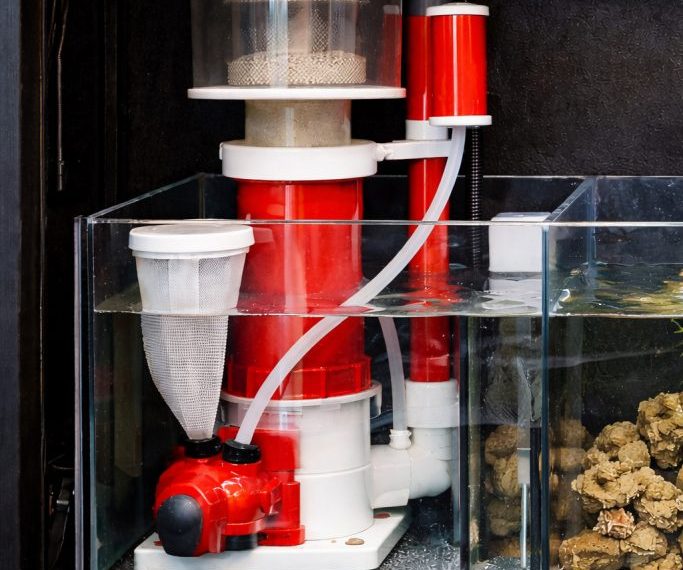
Protein Skimmer Reef Tank Guide
Learn how a protein skimmer works, how to size one, and how to tune it for a cleaner,…
 By
By
Reef Aquarium Water Parameters
Learn the ideal reef aquarium water parameters, safe ranges, and how to keep salinity, alkalinity, nutrients, and pH…