

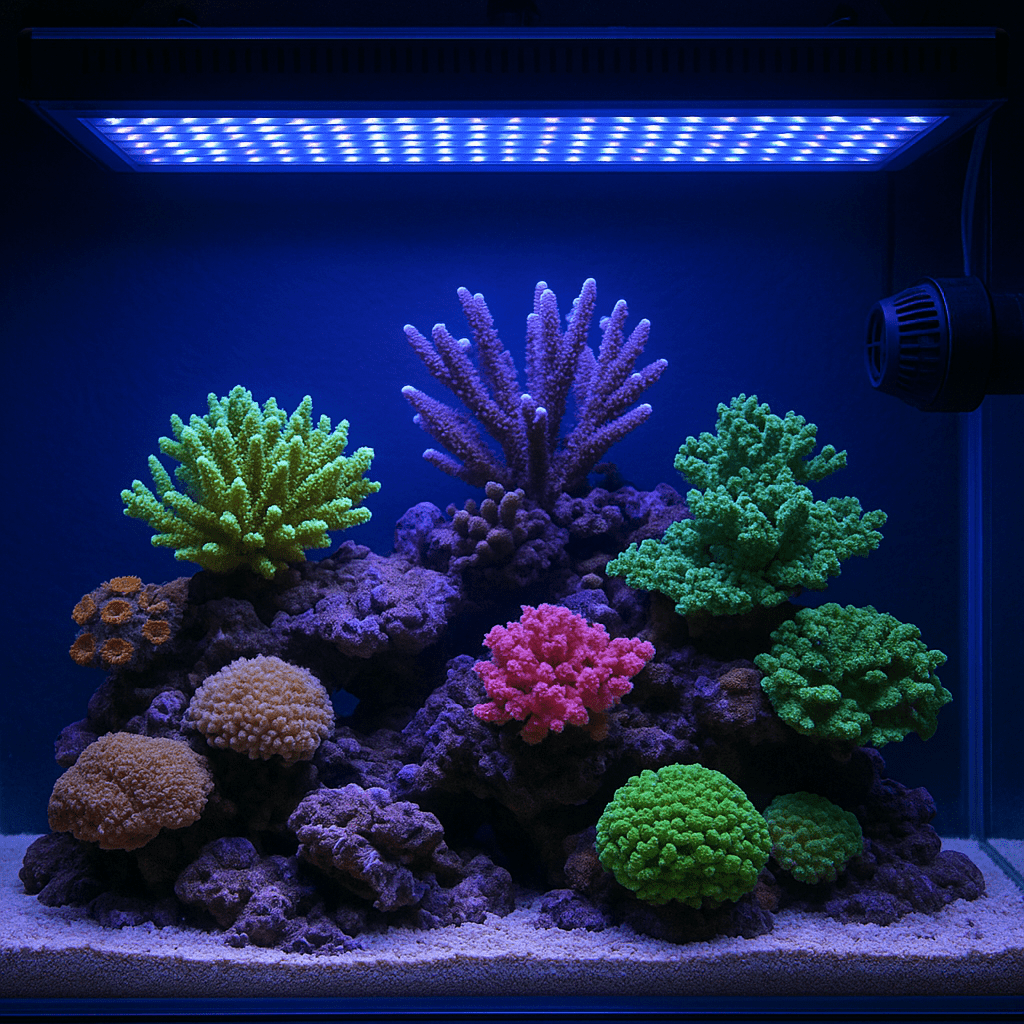
Proper acclimation helps fish, corals, and invertebrates adjust to your reef tank safely. A slow, careful process reduces stress, prevents shock, and improves survival after shipping or store transport.
Many reef losses happen in the first few hours after an animal enters the aquarium. Sudden changes in salinity, temperature, pH, and oxygen can overwhelm even hardy species. This acclimation guide explains when to float, when to drip, and when to move quickly. You will also learn how to handle coral dips, invertebrate sensitivity, and common mistakes that cause avoidable losses. Whether you buy from a local fish store or order online, a repeatable acclimation routine will protect your livestock and build better long-term reef keeping habits.
Quick Reference Acclimation Table
| Livestock Type | Temperature Match | Drip Acclimation | Special Notes |
|---|---|---|---|
| Marine fish | 15 to 20 minutes | Usually 20 to 30 minutes | Quarantine first when possible |
| Soft corals | 10 to 15 minutes | 10 to 20 minutes | Dip before placement |
| LPS corals | 10 to 15 minutes | 15 to 25 minutes | Avoid blasting with flow after entry |
| SPS corals | 10 to 15 minutes | 10 to 20 minutes | Light acclimate carefully |
| Shrimp and crabs | 15 to 20 minutes | 45 to 90 minutes | Very sensitive to salinity shifts |
| Snails and starfish | 15 to 20 minutes | 60 to 120 minutes | Keep air exposure minimal |
| Clams | 15 minutes | 20 to 30 minutes | Inspect for pests before adding |
Use this table as a starting point. Always adjust for species sensitivity, shipping time, and bag condition.
Why Acclimation Matters in a Reef Aquarium
Reef animals do not handle sudden changes well. In the ocean, conditions stay very stable. In shipping bags, conditions often swing hard. Temperature drops. Oxygen falls. Carbon dioxide rises. pH also drops during transit. Once you open the bag, pH begins rising again. That can make any trapped ammonia more toxic.
This is why acclimation should be thoughtful, not automatic. Slow is not always better. If bag water is foul, cloudy, or cold, long acclimation can make things worse. The goal is simple. Match critical parameters without prolonging exposure to bad shipping water. Fish need stress reduction. Corals need stable chemistry and pest control. Invertebrates need extra care with salinity. A good acclimation routine lowers the chance of osmotic shock, breathing stress, and post-transfer collapse. It also gives you time to inspect each new arrival before it enters your display.
Before You Start: Tools and Preparation
Prepare your acclimation area before opening any bags. Work in a quiet space with stable room temperature. Dim the lights. Bright light adds stress, especially after shipping. Gather a clean bucket or specimen container, airline tubing, a valve or simple knot for drip control, a refractometer, thermometer, towels, and a timer. Keep coral dip, gloves, and eye protection nearby if you bought corals.
Your quarantine tank should already be ready for fish. The same applies to coral quarantine if you use one. Check your display or quarantine salinity first. Many stores run lower salinity than reef tanks. That difference matters most for shrimp, snails, and echinoderms. If you are unsure, measure the bag water after floating. Also plan where each animal will go before transfer. Corals should start lower in the tank if lighting is strong. Fish should have hiding places ready. Good prep prevents rushed decisions and sloppy acclimation.
Step-by-Step Acclimation Guide
Step 1: Dim the tank lights. Lower light reduces stress. This matters for fish and corals.
Step 2: Float sealed bags. Float the bag for 10 to 20 minutes. This matches temperature first.
Step 3: Check bag condition. If the water smells rotten or looks milky, shorten the process. Move the animal out of bag water sooner.
Step 4: Measure salinity if possible. This tells you how much adjustment is needed. Sensitive invertebrates need the closest match.
Step 5: Transfer bag contents to a clean container. Use a bucket for fish and inverts. Use a smaller container for corals. Keep specimens submerged when needed.
Step 6: Start a drip line. Use airline tubing from the tank or quarantine system. Aim for two to four drops per second for most animals. Use slower rates for starfish and shrimp.
Step 7: Limit total time. Fish and corals often need only 20 to 30 minutes. Invertebrates may need 45 to 120 minutes, depending on salinity difference.
Step 8: Discard shipping water. Never pour bag water into your display. It may contain ammonia, copper, or pathogens.
Step 9: Dip corals when appropriate. Follow dip instructions exactly. Rinse in clean saltwater before placement.
Step 10: Place livestock carefully. Add fish to quarantine or display with low stress. Place corals in lower light first. Watch all new arrivals closely for the first hour.
Acclimating Marine Fish
Most marine fish do well with a moderate acclimation. Start with temperature matching. Then compare salinity if you can. If the store or shipper kept fish at much lower salinity, use a 20 to 30 minute drip acclimation. If bag water is poor, do not drag the process out. Fish can decline fast in dirty water once the bag is opened.
Whenever possible, place new fish into a reef fish quarantine guide setup instead of the display. This protects your tank from parasites and gives the fish a calm place to recover. Use a specimen container or net carefully. Avoid chasing fish around the bucket. After transfer, keep lights low and do not feed immediately. Many fish will hide at first. That is normal. Watch breathing rate, balance, and body posture. Heavy breathing, rolling, or lying on the bottom can signal shipping stress or salinity shock.
Acclimating Corals
Corals need both water acclimation and light acclimation. Start by floating the bag for temperature. Then move the coral to a small container and drip acclimate for 10 to 25 minutes. Most corals do not need very long water acclimation unless salinity differs a lot. The bigger issue is pests. Always inspect for flatworms, nudibranchs, vermetids, algae, and eggs.
Use a coral dip before the coral enters your system. Dips help reduce hitchhikers, but they do not remove every egg. After dipping, rinse the coral in clean saltwater. Then place it in lower light and moderate flow. This is especially important for SPS corals under strong LEDs. Sudden PAR increases can bleach tissue fast. Learn more in our coral dipping guide and reef tank lighting basics. Watch coral extension, color, and tissue recession during the first week. Small adjustments early can prevent bigger problems later.
Acclimating Shrimp, Snails, Starfish, and Other Invertebrates
Invertebrates are often the most sensitive reef animals. They react poorly to rapid salinity changes. Shrimp may molt badly or die after a rushed transfer. Snails may become inactive for days. Starfish can suffer severe osmotic stress from quick changes. For these animals, drip acclimation is usually best.
Aim for a slow drip over 45 to 120 minutes, based on the salinity gap. Keep temperature stable during that time. For starfish, avoid exposing them to air when possible. This point is debated, but gentle handling is still wise. Never dump shipping water into the tank. Once acclimated, place invertebrates upright and in calm conditions. Snails should be set near rock or glass. Shrimp need hiding spots. If you keep a mixed reef, review your reef tank parameter guide and clean up crew guide to make sure salinity and nutrient levels support long-term success.
Natural Habitat and Why It Affects Acclimation
Most reef livestock comes from stable marine environments. Tropical reefs usually hold narrow temperature and salinity ranges. Fish, corals, and invertebrates adapt to those steady conditions over time. Shipping exposes them to the opposite. Small water volume. Low oxygen. Waste buildup. Darkness. Vibration. Temperature swings. That contrast explains why newly imported animals can look fine in the bag, then crash after a rough transfer.
Species from tide pools or lagoons may handle fluctuation slightly better. Many reef crest species do not. Delicate wrasses, cleaner shrimp, sea stars, and some SPS corals often need extra care. Knowing the animal’s natural habitat helps you judge sensitivity. It also helps with placement after acclimation. High-flow corals should not be dropped into dead spots. Sand-dwelling fish need substrate and cover. Grazing snails need mature surfaces. Acclimation is not only about chemistry. It is also about moving each animal into a suitable microhabitat from the first day.
Common Problems
Fish breathing heavily after acclimation
This often points to shipping stress, ammonia exposure, or low oxygen. Keep lights low. Increase surface agitation. Move the fish to clean, aerated quarantine water. Check temperature and salinity right away.
Coral stays closed for days
Check flow, light intensity, and pests first. Many corals close after dips or transport. That is normal for a short time. Tissue loss, slime, or bleaching means conditions need correction fast.
Shrimp dies after a molt
Rapid salinity change is a common cause. Test salinity with a calibrated refractometer. Also review iodine, alkalinity stability, and copper exposure if the shrimp came from a fish system.
Snails do not move after introduction
They may still be stressed. Turn them upright and leave them undisturbed. Check salinity and temperature. If several snails fail at once, acclimation was likely too fast or the tank is immature.
Bag water smells bad
Do not extend acclimation. Match temperature quickly and move the animal into clean saltwater sooner. Long exposure to poor bag water can be more dangerous than a shorter transfer.
Frequently Asked Questions
How long should I acclimate saltwater fish?
Most saltwater fish need 20 to 30 minutes after temperature matching. Longer is not always better if bag water is poor.
Do corals need drip acclimation?
Usually yes, but only briefly. Ten to 25 minutes is enough for many corals. Light acclimation matters just as much.
Should I pour store water into my reef tank?
No. Discard all shipping or store water. It may contain ammonia, medication, pests, or pathogens.
Which reef animals need the slowest acclimation?
Shrimp, snails, sea stars, and other sensitive invertebrates usually need the slowest acclimation, especially when salinity differs.
Is floating the bag enough?
No. Floating only matches temperature. It does not correct salinity or other chemistry differences.
Final Tips for Safe Reef Acclimation
Keep your process simple and repeatable. Match temperature first. Respect salinity differences. Do not overexpose animals to dirty bag water. Dip corals. Quarantine fish. Light acclimate photosynthetic corals. Most of all, avoid rushing because you are excited. Good acclimation is one of the easiest ways to prevent early livestock losses. It also gives every new animal a calmer start in your reef.
Was this helpful?
Related Posts
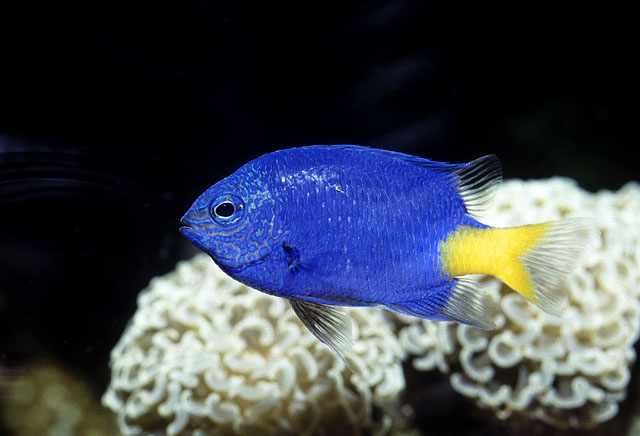
Yellowtail Damselfish (Chrysiptera Parasema)
Yellowtail Damselfish are hardy, colorful, and reef safe, but they can be territorial. Learn their care, feeding, tank…
 By
ByWater Chemistry Basics
Water chemistry basics are the foundation of reef success. Learn the key parameters, target ranges, and simple ways…
[favorite_button]
My Bookmarks:
To see full list click here
[user_favorites user_id="" include_links="true" site_id="" post_types="" include_thumbnails="true" thumbnail_size="thumbnail" include_excerpt="false"]