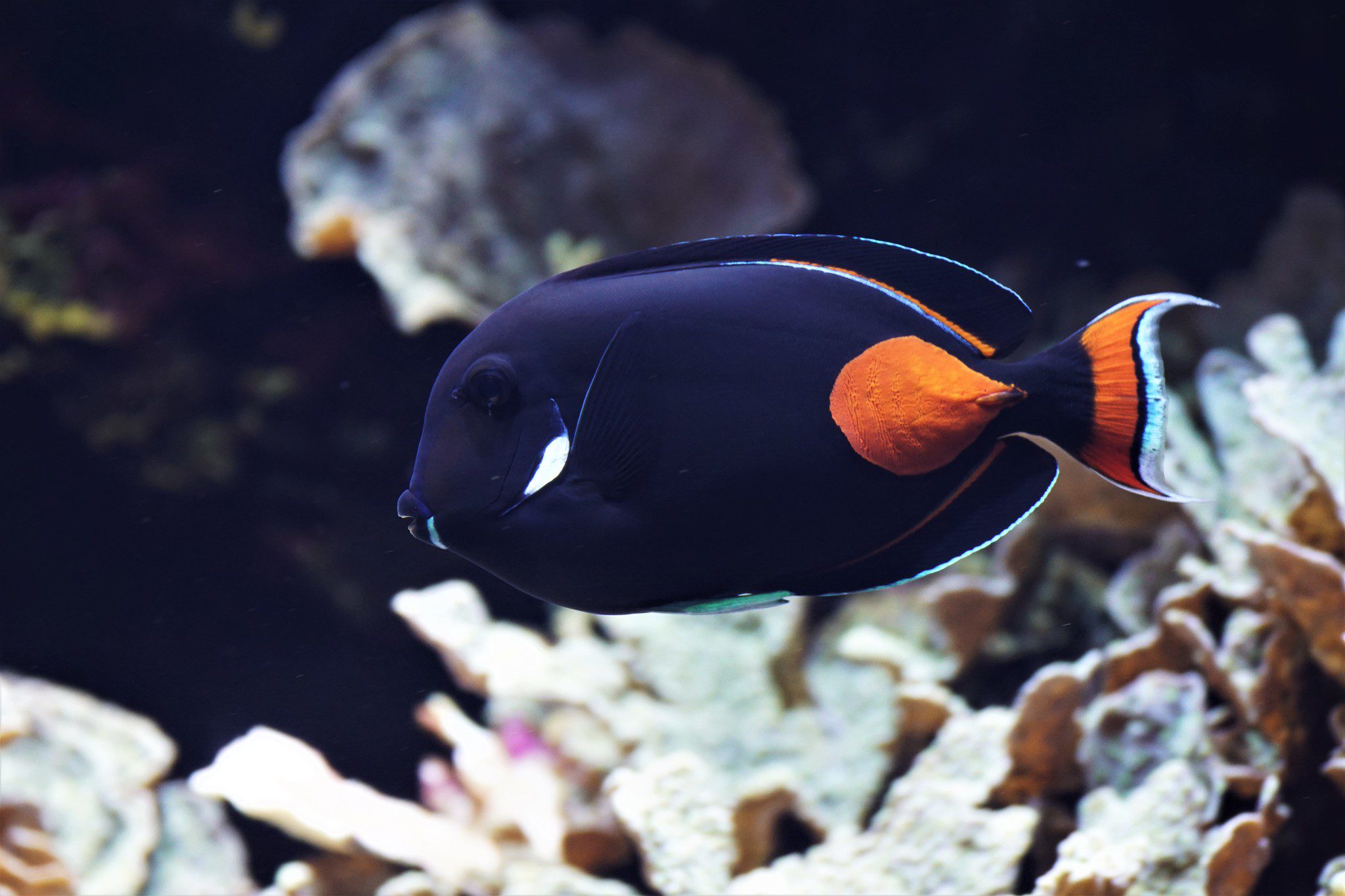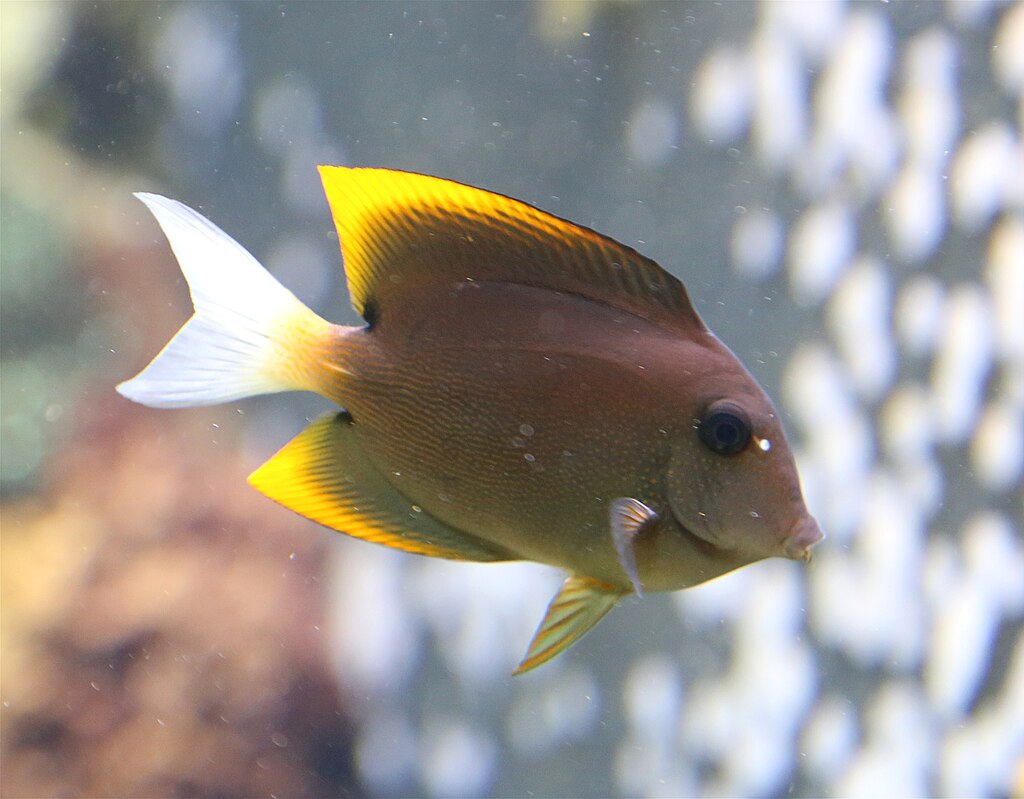
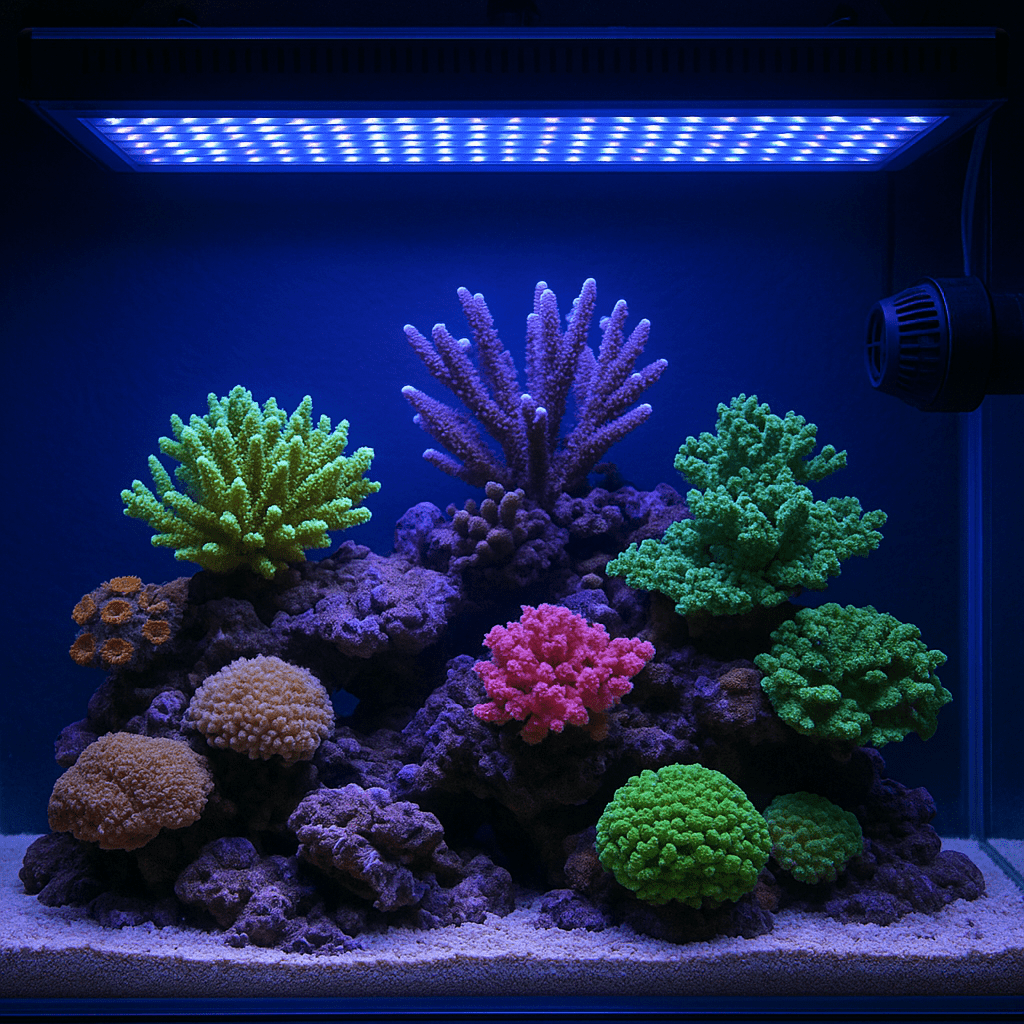
Reef aquarium care comes down to stability, patience, and daily observation. Keep water parameters consistent. Match equipment to your tank size. Feed carefully. Test often. When you build good habits, corals grow better, fish stay healthier, and reef problems become much easier to prevent.
A successful reef tank is not built by chasing perfect numbers. It is built by maintaining stable conditions over time. Beginners often focus on gear first. Equipment matters, but routine matters more. In this guide, you will learn the core parts of reef aquarium care. We will cover water chemistry, tank setup, lighting, flow, feeding, stocking, maintenance, and common troubleshooting. The goal is simple. Help you keep a healthy, thriving reef with fewer setbacks and better long-term results.
Quick Reference Table
| Care Area | Recommended Range or Goal | Why It Matters |
|---|---|---|
| Temperature | 76–79°F | Supports fish and coral health |
| Salinity | 1.025–1.026 specific gravity | Keeps osmotic balance stable |
| pH | 7.9–8.4 | Supports calcification and biology |
| Alkalinity | 7–9 dKH | Critical for coral skeleton growth |
| Calcium | 400–450 ppm | Needed for stony coral growth |
| Magnesium | 1250–1400 ppm | Helps stabilize calcium and alkalinity |
| Nitrate | 2–15 ppm | Prevents starvation and excess nutrients |
| Phosphate | 0.03–0.10 ppm | Supports coral health without fueling algae |
| Water Changes | 10% weekly or 15–20% biweekly | Replaces trace elements and exports waste |
| Testing | Weekly minimum | Catches problems early |
Use this table as a starting point. Every reef tank is different. The most important rule is consistency. Stable parameters usually beat aggressively chasing exact values.
What Reef Aquarium Care Really Means
Reef aquarium care is the practice of keeping a miniature marine ecosystem stable. That includes fish, corals, bacteria, invertebrates, and the water itself. Each part affects the others. If one part drifts, the whole system can suffer.
Good care starts with realistic expectations. Reef tanks need regular work. They are not hard when routines are simple and consistent. Most failures come from neglect, rushing, or making large changes too quickly. New hobbyists often overreact. They add chemicals fast. They change lighting suddenly. They buy too many animals at once. Those choices create instability.
Your job is to create a predictable environment. Fish need clean water and a steady diet. Corals need proper lighting, flow, and chemistry. Beneficial bacteria need time to process waste. Once your tank matures, reef care becomes easier. The system starts to balance itself. You still need maintenance, but the tank becomes more forgiving.
Aquarium Setup Basics
Tank setup has a huge impact on long-term success. Larger tanks are usually easier to manage. They dilute mistakes better. A small reef can work, but it changes faster. Beginners often do better with tanks between 40 and 75 gallons.
Use quality live rock or dry rock with a plan for biological filtration. Build open aquascapes. Leave room around the rock. Water must move freely. Corals also need space to grow. Avoid stacking rock against the glass. That traps detritus and limits cleaning access.
Essential equipment includes a heater, return pump, powerheads, reef lighting, and a reliable protein skimmer for many systems. An auto top off system helps maintain salinity. A sump adds water volume and hides equipment. It is helpful, but not mandatory for every tank. Start with gear you can maintain easily. Complicated systems often fail when upkeep slips.
For more help with early planning, see: reef tank setup.
Water Chemistry and Stability
Water chemistry drives reef health. Corals react quickly to unstable conditions. Fish often tolerate more, but they still suffer over time. Test regularly and log your results. Trends matter more than one isolated reading.
Salinity should stay stable every day. Evaporation raises salinity because salt remains behind. Top off with fresh water, not saltwater. Temperature swings also stress reef animals. Use a reliable heater and verify it with a separate thermometer.
Alkalinity is one of the most important reef parameters. It affects coral growth and pH stability. If you keep stony corals, monitor alkalinity closely. Calcium and magnesium also matter. They support skeleton formation and help maintain ionic balance. Nitrate and phosphate should not be zero in most mixed reefs. Corals need some nutrients. Ultra-low nutrients can lead to pale tissue and poor growth.
Do not correct every small fluctuation. Make changes slowly. Sudden swings cause more damage than slightly imperfect numbers. For deeper chemistry guidance, read: reef tank water parameters.
Lighting Requirements
Lighting affects coral color, growth, and placement. Different corals need different intensities. Soft corals often tolerate lower light. Many LPS corals prefer moderate light. SPS corals usually need stronger light and tighter stability.
Do not judge light by fixture price alone. Measure or estimate PAR when possible. That gives a better picture of actual intensity. Good spectrum also matters. Most reef lights use blue-heavy settings because they support coral fluorescence and photosynthesis.
Avoid sudden lighting changes. New corals can bleach under intense light. Acclimate them slowly. Raise the fixture, reduce intensity, or shorten the photoperiod at first. Then increase over one to three weeks. A typical reef lighting schedule runs eight to ten hours of full intensity, with ramp-up and ramp-down periods before and after.
If corals stretch upward, light may be too weak. If tissue turns pale quickly, light may be too strong. Use coral behavior as feedback. Place each coral according to its needs, not just where it looks best.
Water Flow
Flow is often overlooked by beginners. It is one of the most important parts of reef aquarium care. Water movement carries oxygen, delivers food, removes waste, and prevents dead spots. Corals depend on it.
Most reef tanks need varied, turbulent flow. A single strong stream is rarely ideal. It can blast tissue on one side while leaving other areas stagnant. Use two or more powerheads when possible. Aim them to create random movement. Watch how food particles move through the tank. That reveals hidden dead zones.
Soft corals often enjoy moderate, indirect flow. LPS corals usually prefer lower to moderate flow that keeps tissue moving gently. SPS corals need stronger, more chaotic flow. Too little flow can lead to detritus buildup, cyanobacteria, and coral recession. Too much direct flow can tear flesh, especially on fleshy LPS species.
Clean pumps often. Dirty pumps lose output over time. Many reef issues start with weak flow and trapped waste.
Feeding Fish and Corals
Feeding should be deliberate. Underfeeding weakens fish and slows coral growth. Overfeeding drives nitrate and phosphate too high. The goal is enough nutrition without leaving excess waste behind.
Feed most reef fish once or twice daily. Offer a varied diet. Use frozen mysis, brine, pellets, flakes, and algae-based foods where appropriate. Herbivores need regular plant matter. Carnivores need protein-rich foods. Rotate options for better nutrition.
Many corals get much of their energy from light, but feeding still helps. LPS corals often respond well to target feeding. Soft corals and filter feeders benefit from suspended foods in the water column. Do not assume every coral needs direct feeding. Excess coral food can pollute the tank fast.
Watch your animals during feeding. Healthy fish should show interest. Corals may extend feeding tentacles after lights dim. If food constantly settles on the sand, reduce the amount or improve flow. For fish nutrition basics, visit: reef fish feeding guide.
Compatibility and Stocking
Stocking choices shape your reef more than many people expect. Some fish are peaceful. Others become territorial as they mature. Some corals coexist well. Others sting nearby neighbors and spread aggressively.
Add livestock slowly. Every new fish increases the bioload. Every coral changes space and flow needs. Quarantine is strongly recommended. It helps prevent disease outbreaks and pest introductions. One sick fish can affect the whole tank. One pest coral frag can create months of frustration.
Research adult size, feeding style, and behavior before buying. A fish that looks tiny in the store may outgrow your system. Coral placement also matters. Euphyllia, galaxea, and many other LPS corals can send out long sweeper tentacles. Mushrooms and zoanthids may spread into neighboring colonies over time.
Invertebrates can help with maintenance. Snails, hermits, shrimp, and urchins each serve different roles. They are useful, but they are not a substitute for husbandry. Learn more here: clean up crew for reef tank.
Step-by-Step Reef Maintenance Routine
A simple routine keeps reef care manageable. Daily, check temperature, salinity, equipment operation, and animal behavior. Look for coral retraction, fish breathing changes, or overflowing skimmers. Small observations catch problems early.
Weekly, clean the glass, empty the skimmer cup, test key parameters, and inspect pumps. Replace filter floss or mechanical media. Siphon detritus from easy-access areas. Perform your scheduled water change if needed.
Monthly, deep clean powerheads, inspect tubing, calibrate probes if used, and review your test log. If alkalinity or nutrients drift over time, adjust your routine gradually. Do not wait for visible decline before acting.
As coral growth increases, demand for alkalinity and calcium rises. A tank that once needed only water changes may later need dosing. That transition is normal. Reassess your system as it matures. Reef tanks are not static. Good care means adapting before small issues become major ones.
Common Problems
Why are my corals closed?
Closed corals usually signal stress. Check salinity first. Then check temperature, alkalinity, and recent changes. Corals often close after being moved, blasted with flow, or exposed to sudden light increases. Pests can also be the cause. Inspect tissue closely for nudibranchs, flatworms, or irritation from neighboring corals.
Why is algae taking over my reef tank?
Excess algae usually points to excess nutrients, weak export, poor source water, or old maintenance habits. Test nitrate and phosphate. Review feeding amounts. Clean detritus traps. Replace exhausted media if used. Confirm your RO/DI water is pure. Algae control improves when nutrient input and export are balanced.
Why are my fish breathing fast?
Rapid breathing can mean low oxygen, ammonia, disease, or severe stress. Check temperature and surface agitation first. High heat lowers oxygen. Poor flow does too. Test ammonia if the tank is new or recently disturbed. If only one fish is affected, inspect for gill issues or parasites.
Why is alkalinity always dropping?
Growing corals and coralline algae consume alkalinity daily. That is normal. If demand rises, water changes may no longer keep up. Start a measured dosing plan. Test at the same time each day for several days. That shows actual consumption and helps you dose accurately.
Frequently Asked Questions
How often should I test my reef aquarium water?
Test weekly at minimum. Test more often in new tanks or heavily stocked reefs. Alkalinity may need more frequent checks.
What is the best reef tank size for beginners?
A 40 to 75 gallon tank is a great beginner range. It offers better stability than very small systems.
Do reef tanks need water changes?
Most do. Water changes export waste and replenish trace elements. Advanced systems may reduce them, but beginners should keep them routine.
Can I keep corals with tap water?
It is risky. Tap water often contains nutrients, metals, and contaminants. RO/DI water is the safer standard for reef tanks.
How long does a reef tank take to mature?
Basic cycling takes weeks, but true maturity takes months. Many tanks become more stable after six to twelve months.
Final Thoughts
Reef aquarium care is about consistency more than perfection. Stable salinity, steady alkalinity, proper flow, and patient stocking solve most problems before they start. Keep your routine simple. Observe your tank every day. Make changes slowly. When you do those things well, reef keeping becomes far more rewarding and much less stressful.
Was this helpful?
Related Posts
Peaceful Reef Fish Compatibility
Peaceful reef fish compatibility made simple. Learn tank size rules, safe stocking order, and quick fixes for bullying.
 By
ByNuisance Algae Control Guide
Learn how to identify, remove, and prevent nuisance algae in reef tanks with practical nutrient control, maintenance, and…