

Great reef aquascaping blends coral placement, fish behavior, and long-term growth into one stable design. The best layouts look natural, allow strong flow, and leave room for corals to expand without turning the tank into a crowded wall of rock.
Aquascaping is one of the most exciting parts of building a reef tank. It shapes how your aquarium looks on day one. It also affects coral health, fish comfort, detritus buildup, and future maintenance. Many beginners focus only on appearance. Experienced reef keepers know structure matters just as much. In this guide, you will learn practical reef aquascaping ideas for small and large tanks, how to match layouts to coral types, and how to avoid common mistakes that lead to dead spots, unstable rockwork, or poor coral growth.
Quick Reference Table
| Topic | Best Practice |
|---|---|
| Rock amount | Use less rock than you think. Aim for open space. |
| Structure type | Islands, arches, shelves, and negative space layouts work best. |
| Flow planning | Leave gaps behind and under rock for circulation. |
| Coral placement | High light corals up top. Lower light corals below. |
| Fish needs | Create caves, swim-throughs, and open lanes. |
| Stability | Use reef-safe mortar, epoxy, rods, or locking rock shapes. |
| Sand bed clearance | Keep rock slightly elevated where possible. |
| Future growth | Leave extra room between coral colonies. |
What Makes a Good Reef Aquascape?
A good reef aquascape does more than look attractive. It supports the biology of the tank. Corals need proper light and flow. Fish need shelter and swimming space. Your filtration benefits from stable rock placement and open circulation paths. The best aquascapes balance all of these needs.
Open space is often the biggest upgrade. Many hobbyists add too much rock. This creates a heavy wall effect. It traps waste and limits coral placement. A better approach uses fewer rocks with more intention. Build upward and outward. Leave sand visible. Create channels for flow. Let the eye rest between structures.
Think about the tank three years from now. Small frags become large colonies. Euphyllia extend long sweepers. Montipora plates can shade lower corals. Acropora branches can fuse into dense thickets. Plan for mature growth from the start. This mindset leads to a cleaner and more successful reef display.
Popular Reef Aquascaping Ideas
Several aquascaping styles work especially well in reef aquariums. The right choice depends on your tank size, coral goals, and preferred look. One of the most popular styles is the two-island layout. This design creates balance without symmetry. It gives fish room to swim in the middle. It also lets you separate aggressive corals from calmer species.
The bonsai style is another favorite. This layout uses a narrow base with branching shelves above. It looks dramatic and modern. It works well for SPS reefs because it exposes coral colonies to strong light and random flow. Negative space aquascaping is also popular. This style uses fewer rocks and more empty water around them. The result feels open and natural.
Arch and cave designs are great for mixed reefs. They create visual depth. They also provide shaded spots for LPS and soft corals. Lagoon-style aquascapes use lower rockwork and broad sandy areas. These are ideal for tanks featuring torches, hammers, mushrooms, and open brain corals.
How to Choose the Right Layout for Your Tank
Tank dimensions should guide your design. A shallow tank benefits from wide, low structures. A tall tank can support pillars, arches, and vertical shelves. Long tanks often look best with two or three separated structures. Cube tanks usually suit a central bommie or offset island.
Coral selection matters too. SPS-dominant tanks need strong flow around every colony. Avoid tight caves and dense rock walls. LPS tanks need room for fleshy expansion and sweeper tentacles. Soft coral tanks can use more organic shapes, but still need open flow paths. Fish stocking also changes the plan. Tangs need open lanes. Wrasses need sand. Gobies and blennies enjoy holes and ledges.
Maintenance should be part of the decision. Can you reach the glass with a scraper? Can you siphon waste behind the rocks? Can you remove a coral colony later? If the answer is no, revise the layout now. A beautiful design that cannot be cleaned becomes frustrating fast.
Step-by-Step Guide to Building a Reef Aquascape
Start outside the tank if possible. Use cardboard cut to the tank footprint. This gives you a safe workspace. Begin with your largest foundation rocks. Set them in stable positions. Avoid balancing one rock on a tiny point. Every base piece should feel locked in place.
Next, build height with lighter pieces. Create shelves, bridges, and swim-throughs. Step back often. Check the structure from the front and sides. Look for visual depth. Leave at least a few inches between rock and glass. This improves flow and cleaning access. Keep open sand zones in the foreground.
Once the shape feels right, secure it. Use reef-safe mortar, epoxy, super glue gel, or acrylic rods. Test every joint. If a snail or urchin can shift it, strengthen it. Then place the structure in the tank. Add sand after the main rockwork if you want better stability. Finally, imagine coral placement. Mark high-light zones, shaded areas, and flow-exposed ledges before adding livestock.
Aquarium Setup Considerations for Aquascaping
Good aquascaping starts with the full tank system, not just the rock. Tank size affects every design choice. In smaller tanks, each rock has more visual weight. Simpler layouts usually look better. In larger tanks, you can combine islands, arches, and shelves without making the display feel crowded.
Flow equipment placement is critical. Powerheads need clear paths. Returns should not blast directly into a rock wall. Leave channels where water can move behind the structure. This reduces detritus buildup and cyanobacteria risk. Lighting spread matters too. Tall overhangs may cast deep shadows. That can help low-light corals, but it can also create dead zones for SPS.
Aquascaping should also match your substrate plan. Sand-sifting fish need open areas. Bare-bottom SPS tanks can support more elevated structures. If you use large clean-up crew members, such as tuxedo urchins, make sure loose frags and unstable rocks are not part of the design.
Lighting and Coral Placement
Lighting should shape your aquascape from the beginning. High PAR zones belong near the top and directly under your strongest fixtures. These areas are best for Acropora, Montipora, and many other SPS corals. Mid-level shelves often work well for favias, stylophora, and some zoanthids. Lower areas suit mushrooms, blastomussa, and many LPS corals.
Do not place corals only by appearance. Place them by need. A beautiful shelf near the top may seem perfect for a torch coral, but too much light and flow can stress it. Likewise, a shaded cave may look ideal for an acan colony, but detritus may collect there. Use your aquascape to create distinct zones with different light intensity and water movement.
If you are unsure, map your PAR before final coral placement. This prevents costly mistakes. It also helps you use every part of the structure wisely.
Water Flow and Detritus Control
Water flow is one of the most overlooked parts of reef aquascaping. Rock layout can either help or fight your pumps. Dense walls block circulation. Waste settles behind them. Algae and cyanobacteria often follow. Open designs perform better because they let flow wrap around the rockwork.
Try to create tunnels, gaps, and elevated shelves. These features keep water moving. They also improve gas exchange around coral tissue. Random turbulent flow is usually better than one strong direct stream. SPS tanks need especially clean flow patterns. LPS tanks need enough movement to prevent buildup, but not enough to whip tissue constantly.
Watch where food and fine particles settle. That shows you the weak zones. Adjust pumps or revise rock placement if needed. A strong aquascape should make maintenance easier, not harder.
Compatibility With Fish, Corals, and Invertebrates
Your aquascape affects livestock compatibility more than many hobbyists realize. Territorial fish use rock boundaries to define space. Clownfish often claim one section. Dottybacks prefer caves. Tangs need open routes to avoid stress. A smart layout reduces conflict by giving each species a place to retreat.
Coral compatibility matters too. Aggressive corals should not be packed together. Galaxea, chalices, and many Euphyllia can sting nearby colonies. Fast-growing soft corals can overrun isolated rocks if given the chance. Separate islands are useful for invasive species like green star polyps or some zoanthid morphs.
Invertebrates also influence design. Urchins may dislodge unsecured frags. Large hermits can bulldoze loose rubble. Cleaner shrimp prefer accessible ledges and caves. Design with these behaviors in mind. The tank will feel more natural and function more smoothly.
Common Problems
Why does my aquascape collect detritus?
This usually happens when rock is packed too tightly. Water cannot move through the structure. Debris settles in hidden pockets. Reduce rock density if possible. Reposition pumps to create crossflow. Turkey baste the rockwork during water changes. Mechanical filtration can then remove suspended waste.
Why do my corals keep shading each other?
The layout likely did not account for mature growth. Many corals expand far beyond frag size. Trim or relocate colonies before they become a problem. Leave more horizontal spacing in future builds. Shelves and separated peaks help prevent one colony from dominating the entire tank.
Why does my rockwork look flat?
Flat aquascapes often lack depth variation. Pull some structures forward. Push others back. Add arches, negative space, and uneven height. Avoid placing all rocks in a straight line. A reef should feel layered, not stacked like bricks.
How do I fix unstable reef rock?
Unstable rock should be corrected immediately. Remove livestock from the area if needed. Rebuild with wider bases. Use reef-safe mortar, epoxy, or rods. Never rely on gravity alone for tall structures. Stability is a safety issue for both glass and livestock.
Frequently Asked Questions
How much rock should I use in a reef tank?
Use only enough rock to create structure and biological surface area. Most modern reefs use less rock than older setups. Open space usually performs better.
Is negative space aquascaping better?
It is often better for flow, maintenance, and coral growth. It also creates a cleaner visual style. The best choice still depends on your livestock plan.
Should reef rock touch the glass?
No. Leave room around the rock for cleaning and circulation. This also makes the tank look less cramped.
Can I aquascape after the tank is running?
Yes, but it is harder. Move slowly. Protect corals and fish from falling debris. Large changes may temporarily stress the system.
What aquascape is best for a mixed reef?
A mixed reef usually does best with islands, shelves, and caves. This creates different light and flow zones for different coral groups.
Final Thoughts
The best reef aquascaping ideas combine beauty with function. Aim for stability, open flow, and room for future growth. Build with your corals and fish in mind, not just the empty tank. If you do that, your reef will look better and run better for years. For more help, see our guides on choosing best reef tank lighting, improving reef tank water flow, planning mixed reef tank setup, and selecting beginner coral placement.
Was this helpful?
Related Posts
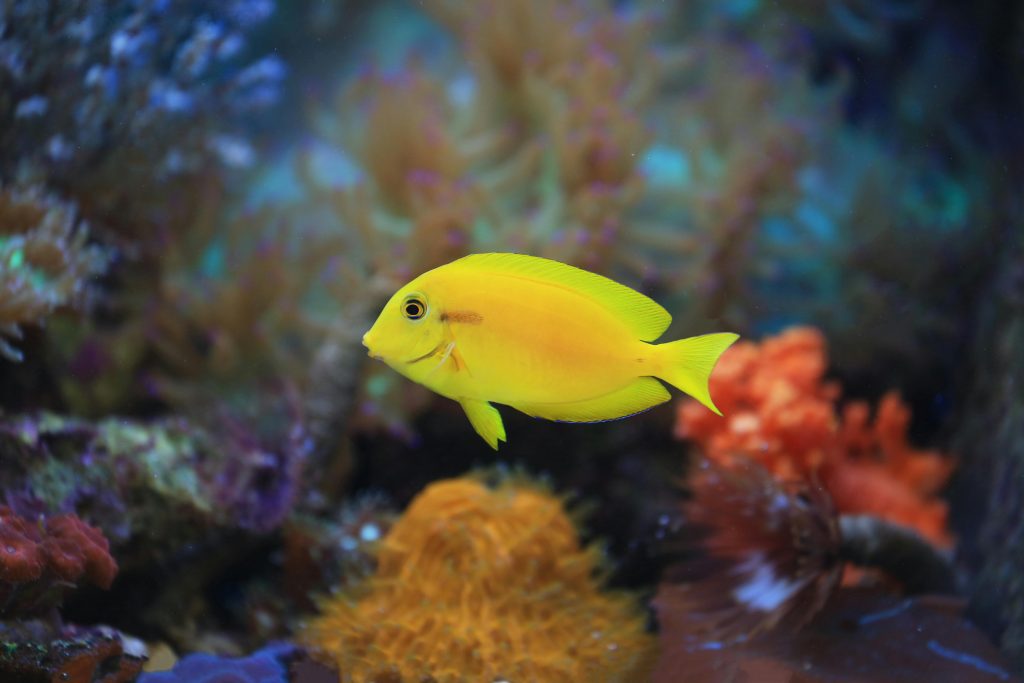
Juvenile Orange Shoulder (acanthurus Olivaceus)
Juvenile orange shoulder tangs are bright, hardy, and reef safe, but they grow large and need a spacious…
 By
By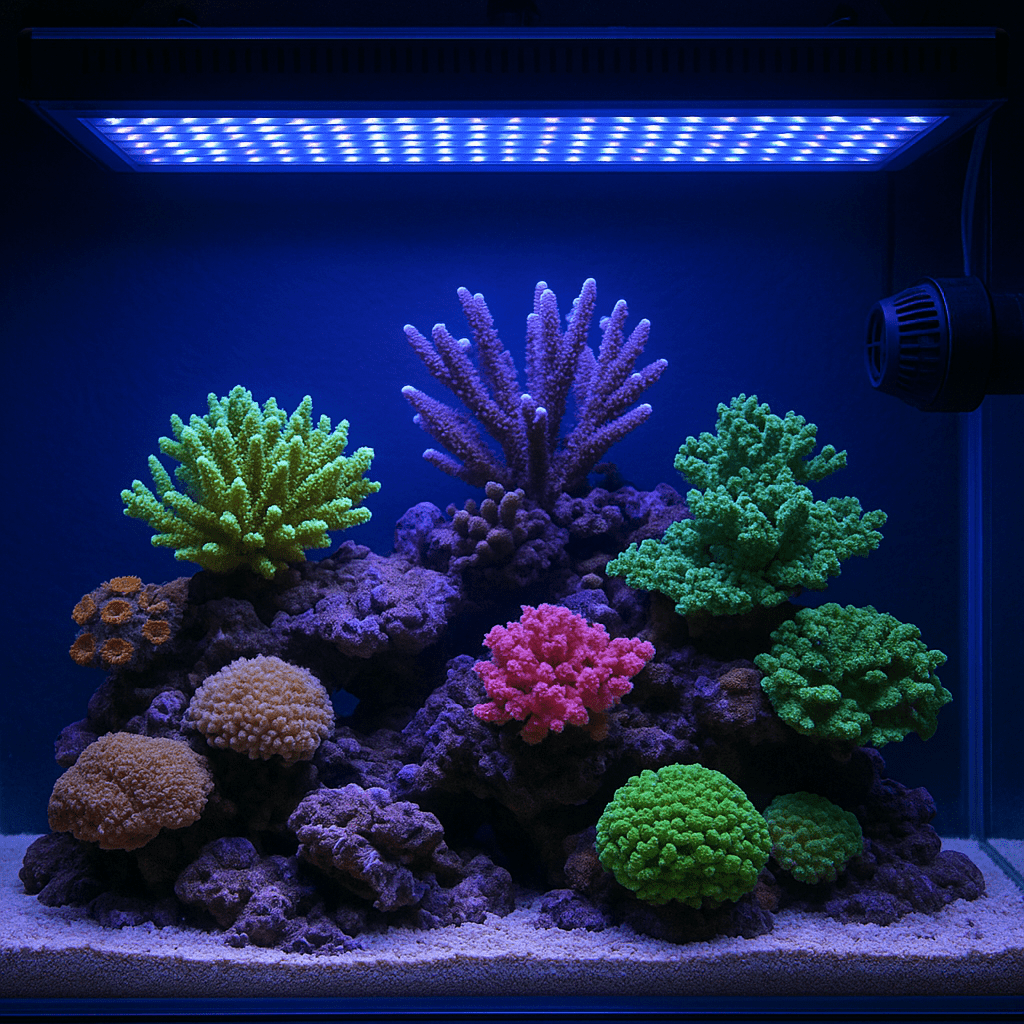
Best Filtration Systems
Best Filtration Systems for a Healthy Saltwater Aquarium Choosing the best filtration system for your saltwater aquarium is…
[favorite_button]
My Bookmarks:
To see full list click here
[user_favorites user_id="" include_links="true" site_id="" post_types="" include_thumbnails="true" thumbnail_size="thumbnail" include_excerpt="false"]