

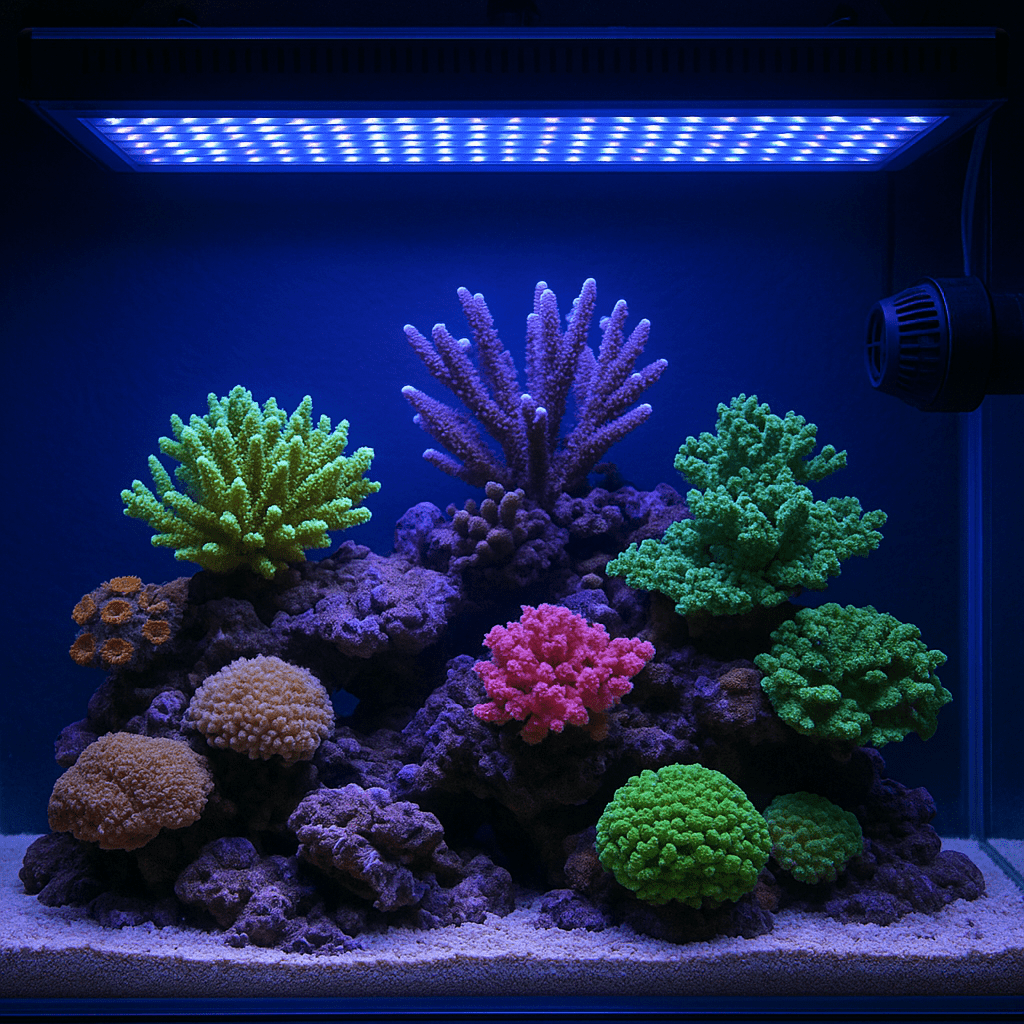
Proper reef fish acclimation lowers stress and improves survival. Match temperature first. Then adjust salinity slowly. Use a calm, clean process every time. This helps new fish settle faster and reduces losses after introduction.
Many new reef keepers lose fish during the first 24 hours. The cause is often not disease alone. It is sudden change. Reef fish face stress from shipping, low oxygen, ammonia, and rapid salinity shifts. A good acclimation routine protects them during this critical window. In this guide, you will learn when to float, when to drip, and when to move faster. You will also learn how quarantine changes the process, which mistakes to avoid, and how to spot trouble early. These steps work for most common marine fish and fit both beginner and intermediate reef systems.
Quick Reference Table
| Step | Best Practice | Why It Matters |
|---|---|---|
| Lights | Dim or off during acclimation | Reduces stress |
| Temperature | Float sealed bag for 15 to 20 minutes | Prevents temperature shock |
| Salinity check | Test bag water and tank water | Determines acclimation speed |
| Drip acclimation | Use for moderate salinity difference | Helps fish adjust gradually |
| Transfer | Net or cup fish into tank | Avoids adding store water |
| Quarantine | Strongly recommended | Reduces disease risk |
| Feeding | Offer small meal after settling | Limits waste and stress |
Why Reef Fish Acclimation Matters
Marine fish do not handle sudden change well. Reef species regulate salts and fluids constantly. A fast change in salinity disrupts that balance. This can damage gills and increase breathing effort. Shipping also adds several other stressors. Oxygen drops over time. Carbon dioxide rises. pH falls in the bag. Ammonia can become dangerous once the bag opens and pH rises again.
That is why acclimation is more than floating a bag. You need a method that limits stress without keeping the fish in dirty bag water too long. The right speed depends on the fish, the source water, and your destination tank. Fish from local stores may need less time. Fish shipped overnight often need a more careful approach. Delicate species like wrasses and anthias deserve extra attention. Hardy fish like clownfish still benefit from a stable process. Good acclimation will not cure disease. It does, however, improve the odds that a healthy fish stays healthy after arrival.
Before You Start
Prepare everything before opening the bag. Turn off bright display lights. Keep room activity low. Have a clean bucket or specimen container ready. Use airline tubing for drip acclimation. Keep a refractometer or reliable salinity meter nearby. A thermometer helps too. If you quarantine, make sure the quarantine tank is fully ready. It should match temperature closely. Salinity should be known and stable.
Never rush because the fish looks active. Many stressed fish crash after the transfer. Also avoid the opposite mistake. Do not leave fish in shipping water for hours. That old advice can do more harm than good. If the bag smells strongly of ammonia or the fish is breathing hard, move efficiently. Stability matters. Time in polluted water does not help. If possible, ask the seller what salinity they keep. Some stores run fish systems at lower salinity. That information tells you how much adjustment is needed. It also helps you set up a safer quarantine process.
Step-by-Step Reef Fish Acclimation
Start by dimming the lights. Float the sealed bag for 15 to 20 minutes. This equalizes temperature. Do not open the bag yet. Next, test the salinity in your tank and in the bag water. If the difference is very small, a long drip is usually unnecessary. If the difference is moderate, use a short and controlled drip acclimation. If the difference is large, quarantine is the safest destination.
Open the bag only after temperature matches. Pour the fish and bag water into a clean container. Secure airline tubing from the tank or quarantine tank. Tie a loose knot or use a valve. Aim for a slow drip. For many fish, 20 to 40 minutes is enough. Watch the fish closely. If it rolls, gasps, or panics, speed up the transfer. Once salinity is close, move the fish with a specimen cup or soft net. Do not pour bag water into your system. Place the fish gently into quarantine or display. Keep lights low for several hours. Offer a small meal later if the fish appears calm.
When to Drip Acclimate and When Not To
Drip acclimation is useful, but not always ideal. It works best when temperature is matched and salinity differs modestly. It is also helpful for fish that arrived locally and spent less time in the bag. In those cases, a short drip can smooth the transition. It gives sensitive species more time to adjust. It also reduces osmotic shock.
Do not assume every fish needs a long drip. Fish shipped overnight often sit in poor water already. Once you open the bag, pH rises and ammonia becomes more toxic. A very long drip can increase harm. In these cases, many experienced reef keepers temperature match, check salinity, and transfer more quickly into a prepared quarantine tank with similar salinity. Then they raise salinity slowly over days if needed. This approach is often safer than keeping the fish in fouled shipping water. The key is understanding the condition of the fish and the water. Acclimation is not about following one rule. It is about choosing the least stressful path.
Quarantine and Acclimation
Quarantine changes the whole process for the better. It gives you control. You can match the fish’s source salinity more closely. You can observe breathing, appetite, and external signs without risking your display. This is especially important for tangs, angelfish, wrasses, and wild-caught fish. These groups often arrive with parasites or shipping stress.
A good quarantine tank does not need to be fancy. It needs stable temperature, known salinity, strong aeration, and hiding places. PVC elbows work well. Many hobbyists acclimate fish into quarantine at the source salinity. Then they adjust salinity very slowly over several days. That reduces osmotic stress. It also avoids the danger of extended drip acclimation in dirty bag water. If you use medications later, the fish starts treatment from a calmer baseline. For more help with disease prevention, see quarantine tank setup, marine ich treatment, and reef tank salinity basics.
Acclimating Fish to the Display Tank
If you skip quarantine, be extra careful. The display tank has more variables. There may be territorial fish, strong lights, and faster flow. New fish often struggle with aggression more than water chemistry. Rearranging one or two rocks can reduce territorial behavior. Using an acclimation box helps even more. It lets existing fish see the newcomer without immediate contact.
Try to add fish when the tank is calm. Evening introductions often work well. Feed resident fish lightly before release. This distracts aggressive tank mates. Keep an eye on tangs, dottybacks, damsels, and established clownfish. They often challenge newcomers. Add timid fish before more aggressive species whenever possible. Also think about habitat needs. Wrasses need sand in many cases. Gobies need safe caves. Blennies want perches and rockwork. For broader stocking advice, read reef fish compatibility and beginner reef fish guide. Good acclimation does not end at transfer. The first day in the tank matters just as much.
Common Problems
Fish breathing fast after acclimation
Rapid breathing usually means stress, ammonia exposure, low oxygen, or disease. Check temperature first. Then check salinity. Make sure there is strong surface movement and aeration. If the fish came from shipping water, ammonia stress may be part of the problem. Keep lights low and avoid chasing the fish. If breathing remains severe, move to quarantine for observation.
Fish lying on the bottom
Some species rest after transport. Others are in trouble. Watch gill movement and body posture. A fish that is upright and breathing steadily may recover with time. A fish that is on its side, pale, or gasping needs quick action. Recheck salinity mismatch. Improve oxygen immediately. Provide a dark, quiet environment.
Fish not eating the first day
This is common. Do not force food right away. Offer a small amount of appropriate food once the fish settles. Herbivores may take nori sooner than frozen food. Wrasses often respond to small meaty foods. Avoid overfeeding. Uneaten food worsens stress through poor water quality.
Fish gets chased after release
Aggression can undo an otherwise perfect acclimation. Use an acclimation box if needed. Dim lights again. Feed the tank lightly. If attacks continue, separate the aggressor or the newcomer. Physical damage and chronic stress quickly lead to disease.
Mistakes to Avoid
The biggest mistake is using one method for every fish. A local clownfish and a shipped anthias are different cases. Another common mistake is skipping salinity measurement. Many losses happen because hobbyists assume store water matches reef tank salinity. It often does not. Adding bag water to the display is another avoidable problem. That water may contain ammonia, copper, or pathogens.
Do not expose fish to bright lights right away. Do not handle them with dry hands. Do not chase them around the bag with a net. Avoid large temperature swings during winter deliveries. Finally, do not confuse acclimation with quarantine. Acclimation helps with immediate transition. Quarantine helps with disease control and long-term success. You want both whenever possible. That combination saves fish and protects your reef.
Frequently Asked Questions
How long should reef fish acclimation take?
Usually 20 to 40 minutes works well. Use less time for badly fouled shipping water. Use more time only when salinity differences are moderate and the fish is stable.
Should I drip acclimate every saltwater fish?
No. Drip acclimation is useful in many cases, but not all. Long drips can be risky with ammonia-heavy shipping water. Match temperature, test salinity, and choose the safest method.
Can I add store water to my reef tank?
It is best not to. Store or shipping water may contain waste, medications, or pathogens. Transfer the fish only, using a net or specimen cup.
What salinity difference is too much?
Any noticeable difference matters. The larger the gap, the more careful you should be. Quarantine is safest when store salinity is much lower than your display.
When should I feed a new reef fish?
Wait until the fish is calm and breathing normally. Offer a small meal later that day or the next morning. Keep portions small and species appropriate.
Reef fish acclimation is simple once you understand the goal. Reduce stress. Avoid polluted bag water. Match salinity with intention. Use quarantine whenever possible. Those habits lead to stronger feeding responses, fewer losses, and a healthier reef tank over time.
Was this helpful?
Related Posts
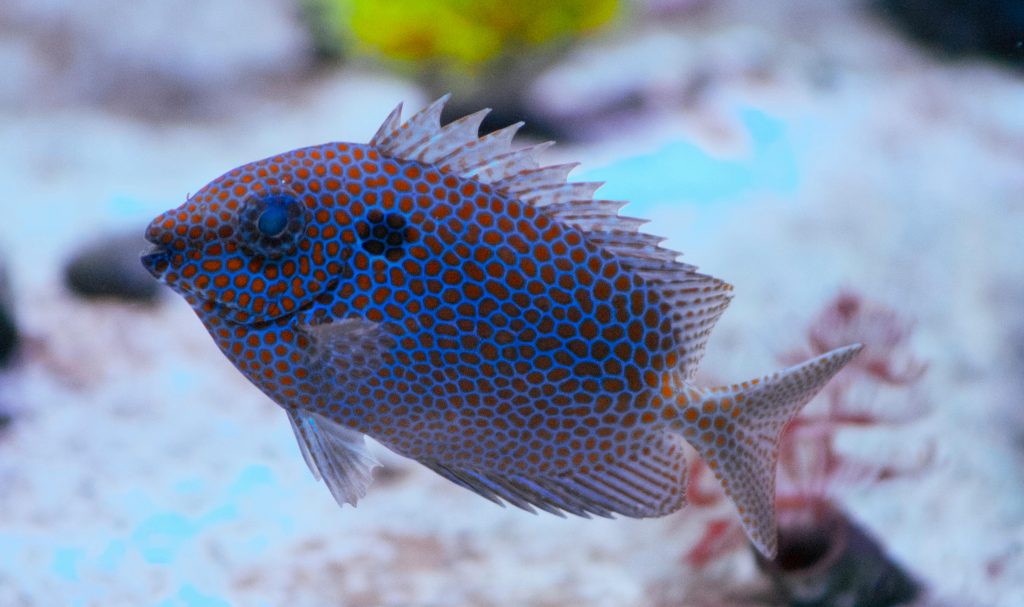
Gold Spotted Rabbitfish (Siganus Punctatus)
Gold Spotted Rabbitfish care includes large tanks, heavy algae feeding, and caution with corals. Learn tank size, diet,…
 By
By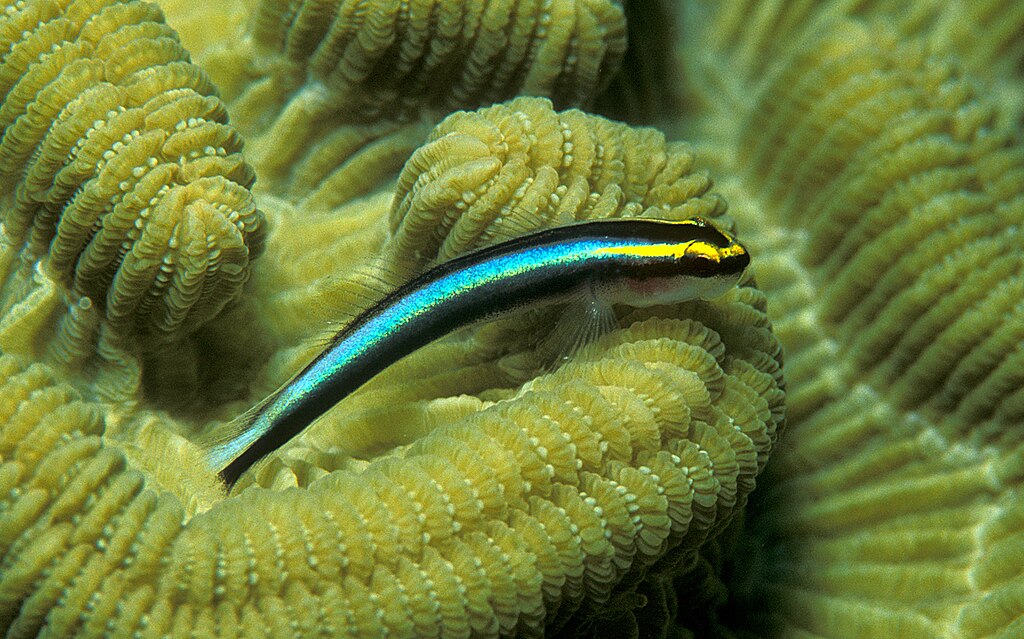
Sharknose Goby (Elacatinus evelynae)
Sharknose Goby care is simple in stable reef tanks. Learn feeding, tank setup, compatibility, and common problems for…
[favorite_button]
My Bookmarks:
To see full list click here
[user_favorites user_id="" include_links="true" site_id="" post_types="" include_thumbnails="true" thumbnail_size="thumbnail" include_excerpt="false"]