

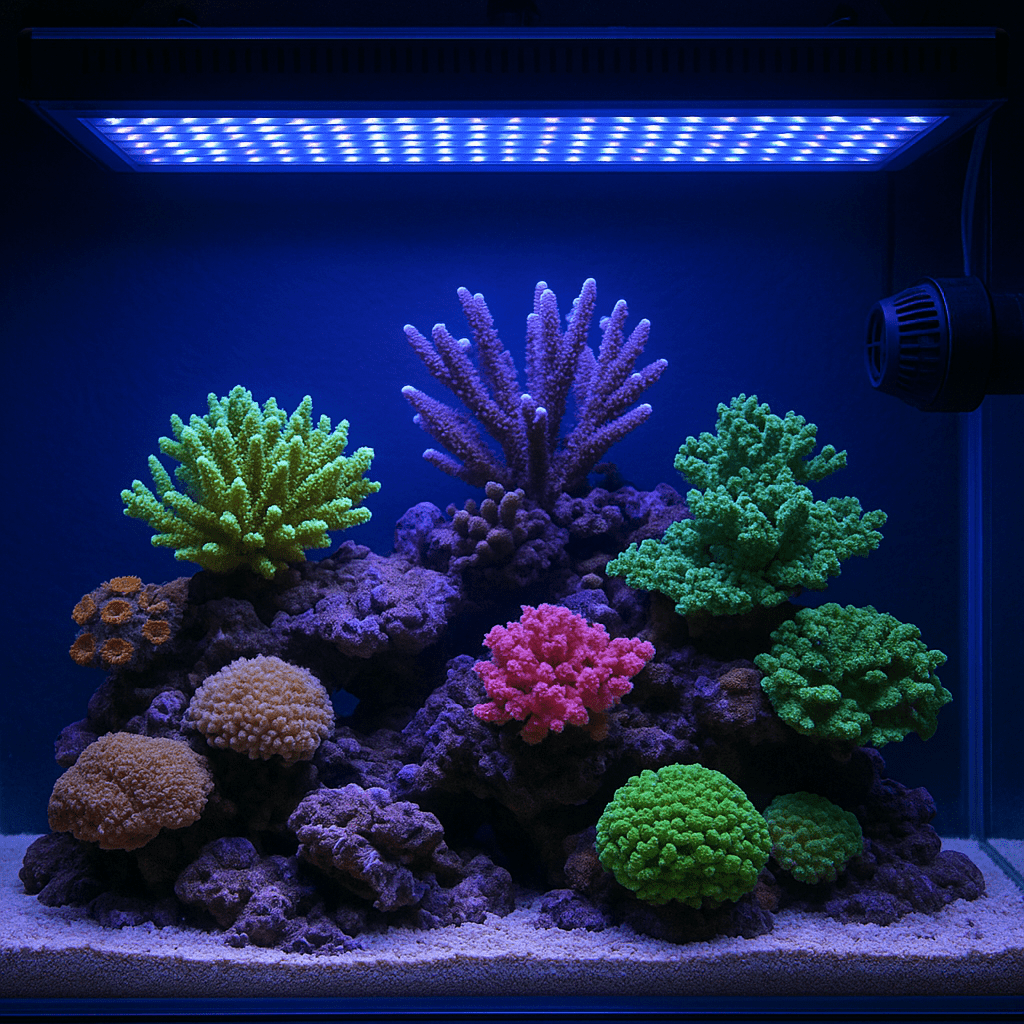
A reef tank clean up crew helps control algae, leftover food, and detritus before waste builds up. The right mix of snails, crabs, shrimp, and other invertebrates keeps your reef cleaner, supports stable water quality, and reduces maintenance, but each animal has a specific job and must match your tank size, livestock, and nutrient level.
Many beginners think a clean up crew is a one-time purchase. It is not. A successful crew is a balanced group of grazers, scavengers, and sand sifters that fits your aquarium’s needs. Overstocking often causes starvation. Understocking leaves algae and waste behind. In this guide, you will learn what a reef tank clean up crew does, which animals work best, how many to add, how to acclimate them, and how to solve common problems when the crew stops working well.
Quick Reference Table
| Clean Up Crew Member | Main Job | Best For | Watch Out For |
|---|---|---|---|
| Trochus snails | Glass and rock algae grazing | Most reef tanks | Can fall in unstable rockwork |
| Astrea snails | Hard surface algae control | Rock and glass | May struggle if flipped over |
| Cerith snails | Film algae and detritus | Rock, glass, sand | Small size limits heavy algae control |
| Nassarius snails | Scavenging leftover food | Sand beds | Do not eat algae |
| Turbo snails | Heavy algae grazing | Tanks with nuisance algae | Can bulldoze frags |
| Blue leg hermits | Scavenging and light algae picking | Mixed crews | May attack snails for shells |
| Scarlet hermits | Gentler scavenging | Reef-safe setups | Still opportunistic |
| Cleaner shrimp | Leftover food cleanup | Community reefs | Not a major algae eater |
| Fighting conch | Sand bed cleanup | Larger tanks with open sand | Needs mature sand bed |
| Tuxedo urchin | Algae grazing | Established tanks | Can move loose corals and frags |
What Is a Reef Tank Clean Up Crew?
A reef tank clean up crew is a group of invertebrates that consume waste in different ways. Some eat algae. Some sift sand. Some scavenge uneaten food before it rots. Others pick at film, biofilm, and soft debris in places fish ignore. Together, they reduce nutrient buildup and help keep the display looking clean.
They are helpers, not replacements for maintenance. You still need water changes, good filtration, strong export, and careful feeding. A clean up crew cannot fix poor husbandry. It can only support good husbandry. This is why many tanks with huge snail packs still struggle with algae. The real issue is often excess nutrients, weak flow, old light bulbs, or dry rock that has not matured yet.
The best crews are built around the tank’s actual problems. Film algae on glass needs different animals than a dirty sand bed. Hair algae needs different grazers than leftover frozen food. Start by identifying what is growing or collecting in the tank. Then choose animals that target that issue.
Natural Role in the Reef
On natural reefs, countless small invertebrates process waste all day. Snails graze algae from hard surfaces. Crabs pick through crevices. Sea cucumbers and worms process detritus in the substrate. Shrimp scavenge scraps. This constant recycling helps keep reef zones productive and balanced.
In aquariums, that same process is compressed into a small glass box. Nutrients build faster. Waste has fewer places to go. Fish are often fed heavily. Corals release mucus. Dead spots collect debris. A clean up crew fills the ecological gaps that a sterile aquarium lacks. It adds micro-level maintenance that pumps and filters cannot fully replace.
This is also why diversity matters. One species rarely handles every task. Trochus snails may keep glass clean, but they will not stir sand like a conch. Nassarius snails will rush to meaty leftovers, but they will not touch green hair algae. A strong crew works because each member covers a different niche.
Best Clean Up Crew Animals for Reef Tanks
Snails are the backbone of most reef tank clean up crews. Trochus snails are among the best all-around choices. They eat film algae, move well on rock and glass, and often right themselves if they fall. Cerith snails are excellent for smaller spaces and also help on the sand. Nassarius snails are ideal scavengers for meaty waste in the substrate. Turbo snails are powerful algae eaters, but they are clumsy and better for tanks with secure frags.
Hermit crabs are more controversial. Many hobbyists like them because they eat scraps and pick at nuisance growth. Others avoid them because they may kill snails for shells. If you use hermits, choose moderate numbers and provide spare shells. Scarlet hermits are often gentler than blue legs, though any hermit can become opportunistic.
Shrimp, conchs, and urchins can also be useful. Cleaner shrimp are not major cleaners of algae, but they remove leftover food and add interest. Fighting conchs are excellent for larger sandy tanks. Tuxedo urchins can graze algae very well in mature systems, but they may carry loose frags around the tank.
How Many Clean Up Crew Members Do You Need?
There is no perfect universal formula. Many online packages are oversized. They are designed to sell more animals, not always to match your reef. A new tank with dry rock and light feeding does not need dozens of snails. Too many cleaners means starvation later. That often leads to die-off, nutrient spikes, and wasted money.
Start small. Then add based on results. For many tanks, a better approach is one grazer for every few gallons, not a massive one-per-gallon rule. A 20-gallon reef might do well with a mix of 4 to 8 snails, plus perhaps one or two specialty cleaners. A 75-gallon tank may support 15 to 25 mixed snails, a conch if there is open sand, and a few hermits if desired.
Match the crew to the food available. Heavy algae growth supports more herbivores. Heavy feeding supports more scavengers. Bare-bottom systems need fewer sand sifters. Tanks with mature live rock often support more microfauna naturally. Watch the tank for two weeks after adding the crew. If algae remains untouched, add a few more. If animals roam without finding food, stop buying more.
Aquarium Setup and Placement
Clean up crew success depends on the system around them. Stable salinity is critical. Invertebrates react poorly to swings. Keep salinity around 1.025 specific gravity and avoid sudden changes during top-off or water changes. Strong oxygen levels also matter, especially at night. Good flow prevents detritus from settling where no scavenger can reach it.
Aquascaping affects how well the crew works. Open rock surfaces allow snails to graze. Tight rock piles create dead zones that trap waste. Leave some accessible sand if you want ceriths, nassarius, or conchs to do their jobs. Secure coral frags before adding turbo snails or urchins. These animals can push loose pieces over while grazing.
Tank maturity matters too. Very new aquariums often lack enough food for a large crew. This is common in sterile dry rock systems. Add cleaners slowly as algae and biofilm develop. In mature tanks, the crew can be more diverse because natural films, detritus, and microalgae are already present. For more setup basics, see: reef tank setup.
Feeding a Clean Up Crew
Many hobbyists assume clean up crew animals never need feeding. That is only partly true. In tanks with visible algae and regular fish feeding, the crew often finds enough to eat. In very clean tanks, they may slowly starve. This happens often after an algae outbreak is solved. The tank looks better, but the clean up crew now has little food left.
Supplement when needed. Offer dried seaweed for herbivorous snails and urchins. Drop in sinking pellets or small bits of frozen food for scavengers after lights out. Feed lightly. The goal is support, not adding excess nutrients. Observe response. Nassarius snails should emerge quickly for meaty foods. Grazing snails should remain active and maintain body mass.
Calcium and alkalinity also matter for snails. They need stable chemistry to maintain healthy shells. Low alkalinity, low calcium, and low magnesium can contribute to shell erosion over time. For chemistry help, read: reef tank water parameters.
Compatibility With Fish, Corals, and Invertebrates
Most common clean up crew animals are reef safe with corals. The bigger concern is fish compatibility. Many wrasses, puffers, triggers, hawkfish, and some dottybacks may attack snails, hermits, or shrimp. Even reef-safe fish can pick at very small invertebrates. Always research livestock before building your crew.
Coral compatibility is usually good, but large snails and urchins can knock over unsecured frags. Hermits may irritate corals while climbing. Sea stars and some specialty invertebrates can be risky in smaller reefs because they may starve or disturb the substrate too much. Cleaner shrimp are generally peaceful, though they may steal food from LPS corals during target feeding.
Also avoid mixing too many animals that compete for the same niche. Ten nassarius snails in a lightly stocked nano reef may not find enough leftover food. A better mix is a few grazers, a few scavengers, and one sand worker. If you keep coral-heavy systems, this guide may help too: best clean up crew for reef tank.
Step-by-Step: How to Build a Clean Up Crew
First, identify the problem areas in your reef. Check glass, rocks, sand, and back chambers. Note whether you have film algae, hair algae, cyanobacteria, diatoms, or plain detritus. Different pests need different solutions. Do not buy random animals without a clear goal.
Second, choose a small mixed group. For example, add trochus for glass and rock, ceriths for detail work, nassarius for leftover food, and one specialty grazer if needed. Skip aggressive or delicate species unless your tank is mature and stable.
Third, acclimate slowly. Invertebrates dislike sudden salinity changes. Float the bag for temperature, then use drip acclimation for 30 to 60 minutes if salinity differs. Inspect each animal before release. Avoid adding dead or inactive specimens.
Fourth, monitor for two weeks. Look for active grazing, cleaner glass, and less waste accumulation. If the crew seems ineffective, check nutrients, flow, and feeding. The issue may not be a lack of cleaners. It may be excess phosphate, overfeeding, or weak export. For nuisance algae control, visit: how to get rid of algae in a reef tank.
Common Problems
Why is my clean up crew dying?
The most common causes are salinity shock, starvation, copper exposure, and predation. Test salinity with a calibrated refractometer. Review acclimation steps. Check if any medications or contaminated equipment contacted the tank. Look for fish that may be picking at invertebrates. Also inspect alkalinity and calcium if snails show shell damage.
Why are my snails not eating algae?
Not all algae is equally edible. Some snails prefer film algae over long hair algae. Cyanobacteria is not true algae and usually needs nutrient and flow correction. If nuisance growth is too tough, manual removal may be needed first. Then the crew can maintain the cleaned surfaces.
Why does my tank still have detritus?
Detritus often points to weak flow or poor export. A clean up crew can stir and consume some waste, but it cannot replace circulation. Adjust powerheads to eliminate dead spots. Siphon buildup during water changes. Clean filter socks and mechanical media regularly.
Are hermit crabs killing my snails?
Sometimes, yes. Hermits may attack snails for shells or food. Provide empty shells in several sizes. Feed the tank consistently. If losses continue, reduce or remove hermits. Many reef keepers run snail-only crews for this reason.
Why is my sand bed still dirty?
Dirty sand may come from excess feeding, low flow, or too little open area for sifters. Nassarius snails scavenge but do not truly clean algae from sand. Ceriths and conchs help more with surface maintenance. In severe cases, manual siphoning is still necessary.
Frequently Asked Questions
What is the best clean up crew for a reef tank?
For most reef tanks, a mix of trochus, cerith, and nassarius snails works best. Add other species only for specific needs.
How soon should I add a clean up crew?
Add a small crew after the tank cycles and begins to grow visible film algae or collect waste. Do not add a large crew to a sterile new tank.
Can a clean up crew replace water changes?
No. A clean up crew helps process waste, but it does not export nutrients like water changes, skimming, and filtration.
Are clean up crew packages worth it?
Sometimes, but many are oversized. Build your own crew based on your tank’s size, algae type, and feeding level for better results.
Do I need hermit crabs in a reef tank?
No. Hermits are optional. Many successful reef tanks use only snails, shrimp, and sand cleaners to avoid snail losses.
Final Thoughts
A reef tank clean up crew works best when it is planned, not oversized. Choose animals for specific jobs. Add them slowly. Feed them when needed. Keep salinity stable and flow strong. Most importantly, remember that the crew supports your reef husbandry. It does not replace it. When matched to the tank, a balanced clean up crew keeps surfaces cleaner, reduces waste buildup, and makes reef maintenance much easier over time.
Was this helpful?
Related Posts
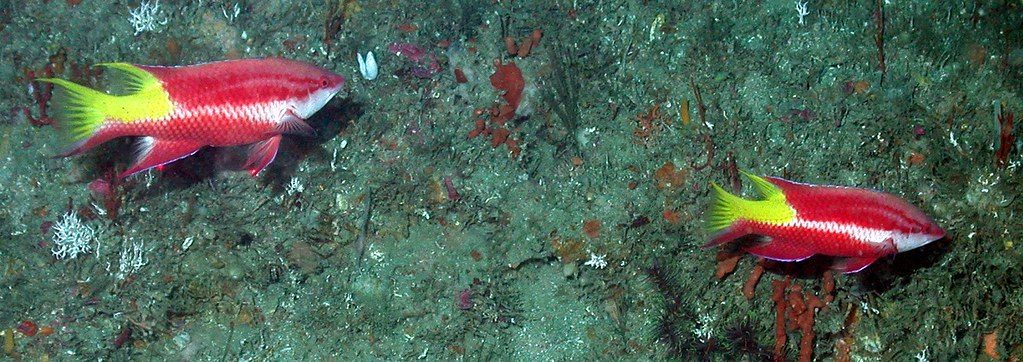
Cuban Hogfish (bodianus Pulchellus)
Cuban Hogfish care is straightforward in larger reef tanks. Learn tank size, diet, compatibility, and reef safety before…
 By
ByWhat to Do During a Power Outage
A reef tank power outage demands fast action. Protect oxygen, temperature, and circulation first to keep fish and…
 By
By[favorite_button]
My Bookmarks:
To see full list click here
[user_favorites user_id="" include_links="true" site_id="" post_types="" include_thumbnails="true" thumbnail_size="thumbnail" include_excerpt="false"]