

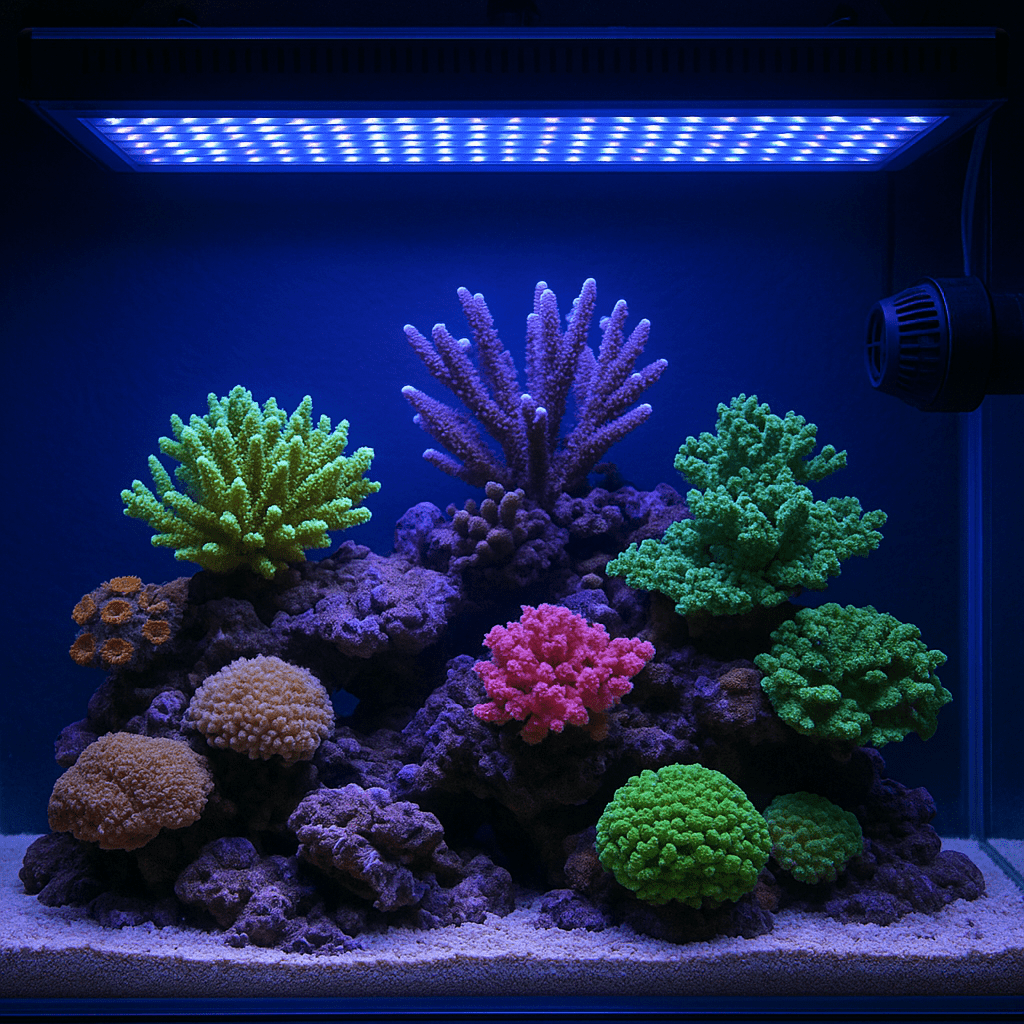
A FOWLR tank keeps fish with live rock, but no corals. A reef tank keeps fish, corals, and other invertebrates. The biggest differences are equipment, lighting, livestock choices, and daily care. Reef tanks need more stability. FOWLR tanks usually offer more flexibility and a lower starting cost.
Many new hobbyists hear the terms FOWLR and reef tank early on. They sound similar, but they support very different goals. Choosing the right one affects your budget, stocking plan, and maintenance routine. In this guide, you will learn what a FOWLR tank is, what a reef tank is, and how they differ in setup, livestock, water chemistry, and long-term difficulty. You will also learn which option fits beginners best and how to decide if you should start simple or build toward a full coral reef.
Quick Comparison Table
| Category | FOWLR Tank | Reef Tank |
|---|---|---|
| Main focus | Fish and live rock | Corals, fish, and invertebrates |
| Lighting | Basic to moderate | Moderate to high, coral-specific |
| Water chemistry | Stable basics matter most | Very stable parameters are critical |
| Common livestock | Angels, triggers, puffers, wrasses | Clownfish, gobies, tangs, corals, shrimp |
| Corals | Not kept | Main feature of the tank |
| Cost | Usually lower | Usually higher |
| Maintenance difficulty | Moderate | Moderate to high |
| Equipment needs | Strong filtration and skimming | Strong filtration plus coral support gear |
| Stocking flexibility | Higher for fish choices | Lower due to coral safety |
What Does FOWLR Mean?
FOWLR stands for Fish Only With Live Rock. The tank centers on marine fish. The live rock adds biological filtration, habitat, and a natural look. It also supports beneficial bacteria and small life forms. These help process waste and improve system stability.
A FOWLR tank does not include corals as part of the plan. That changes everything. You do not need expensive reef lighting. You also do not need to dose calcium and alkalinity for coral growth in most cases. This makes setup simpler for many beginners.
FOWLR tanks are popular with hobbyists who love larger or more aggressive fish. Many of these fish are not reef safe. Triggers, puffers, large angelfish, and some wrasses often fit better in FOWLR systems. These fish may nip corals or eat invertebrates. In a fish-focused tank, that is less of a concern. You can build around fish personality rather than coral compatibility.
What Is a Reef Tank?
A reef tank is a saltwater aquarium designed to keep corals and other invertebrates alive long term. Fish are often included, but they are not the only stars. The real focus is the miniature reef ecosystem. That means lighting, flow, and chemistry must support coral health every day.
Reef tanks can include soft corals, LPS corals, SPS corals, anemones, shrimp, snails, crabs, and clams. Each group has different needs. Soft corals are often more forgiving. SPS corals usually demand the most stable conditions. Even a beginner reef tank needs more precision than a basic FOWLR setup.
In a reef tank, small changes matter more. Poor lighting can cause coral decline. Low alkalinity can slow growth. Unstable salinity can stress sensitive invertebrates. Fish choices also become more restricted. Many beautiful fish are not coral safe. This is why reef tanks reward planning, patience, and consistent maintenance.
The Biggest Difference: Fish Focus Versus Coral Focus
The easiest way to understand the difference is this. A FOWLR tank is built around fish. A reef tank is built around corals. That single choice affects almost every other decision.
In a FOWLR system, fish behavior and filtration come first. You can keep species that would damage coral or eat ornamental shrimp. You still need good water quality, but the tank does not need to meet coral demands. Nitrate can run higher than in many reef systems without causing serious problems for fish.
In a reef tank, coral health comes first. Corals need proper PAR, stable alkalinity, calcium, magnesium, and suitable flow. They also react to swings in temperature and salinity. Fish must be chosen with care. A fish that nips polyps can ruin the display. A fish that overturns frags can create daily frustration. Reef keeping is often about balance. FOWLR is often about durability and fish personality.
Aquarium Setup Differences
Both tank types use saltwater, live rock, heaters, pumps, and filtration. The difference is in how far the setup must go. A FOWLR tank can run well with a solid protein skimmer, live rock, mechanical filtration, and moderate lighting. The goal is clean water and healthy fish.
A reef tank needs all of that plus coral support. Most reef keepers use stronger lights, more flow pumps, and regular testing for alkalinity, calcium, and magnesium. Many also use auto top off systems to keep salinity stable. Some add dosing pumps, reactors, or refugiums as the tank matures.
Aquascaping also differs. FOWLR tanks often use sturdy rock structures with caves and swim-throughs for fish territory. Reef tanks need places for corals at different heights and light levels. You must think about future coral growth, shading, and flow patterns. In short, both systems use similar foundations, but reef tanks require more precision from the start.
Lighting Requirements
Lighting is one of the clearest differences between a FOWLR tank and a reef tank. In a FOWLR system, lights are mainly for viewing and appearance. Fish do not need intense reef lighting. You can use simple LED fixtures that show color well and support a normal day and night cycle.
Reef tanks are different. Corals contain symbiotic algae called zooxanthellae. These algae use light to produce energy. Without proper light intensity and spectrum, many corals will fade, shrink, or die. Soft corals usually tolerate lower light. LPS often prefer moderate light. SPS corals usually need stronger, more stable lighting.
This means reef lighting costs more. It also requires planning. You need to consider PAR, spread, mounting height, and photoperiod. Too little light causes poor growth. Too much light can bleach corals. For beginners, this is a major reason FOWLR tanks feel easier. Lighting mistakes are less punishing when no corals are involved.
Water Flow and Filtration
Both systems need strong biological filtration and good oxygen exchange. Live rock remains important in each setup. A protein skimmer is also very helpful. It removes waste before it breaks down and improves gas exchange.
FOWLR tanks usually focus on turnover that keeps detritus suspended and supports fish health. Flow can be moderate and less complex. The exact pattern matters less than it does in a reef tank. You want enough movement to avoid dead spots and keep waste from collecting in the rockwork.
Reef tanks need more intentional flow. Corals rely on water movement to bring oxygen and nutrients while removing waste. Some corals like gentle, indirect flow. Others prefer strong, random flow. Too little flow can lead to tissue damage and algae buildup. Too much direct flow can strip tissue or prevent polyp extension. Reef flow is not just stronger. It must also be better distributed and more species-specific.
Water Chemistry and Stability
Stable salinity, temperature, ammonia, nitrite, and nitrate matter in both systems. That said, reef tanks have a much narrower margin for error. Fish can tolerate conditions that would stress many corals. Invertebrates often react first when something drifts out of range.
In a FOWLR tank, you mainly monitor salinity, temperature, pH, ammonia, nitrite, nitrate, and sometimes phosphate. In a reef tank, alkalinity becomes a major focus. Calcium and magnesium also matter. Corals consume these elements as they grow. If you ignore them, growth slows and coral health declines.
Parameter swings are also more dangerous in reef systems. A salinity swing from evaporation can stress coral quickly. An alkalinity drop can affect sensitive SPS within days. This is why reef keepers often test more often and automate more equipment. FOWLR tanks still need discipline, but reef tanks demand tighter control and more consistency over time.
Compatibility and Livestock Choices
Livestock choice is where many hobbyists feel the difference most. FOWLR tanks allow many fish that reef keepers avoid. Large angelfish may nip coral. Triggers may attack shrimp and snails. Puffers may eat invertebrates and rearrange the tank. These fish can still thrive in a well-planned FOWLR setup.
Reef tanks need reef-safe fish choices. That usually means species that will not nip corals, eat cleanup crew members, or harass peaceful tank mates. Clownfish, gobies, blennies, many wrasses, firefish, and some tangs are common reef choices. Even then, behavior can vary by individual fish.
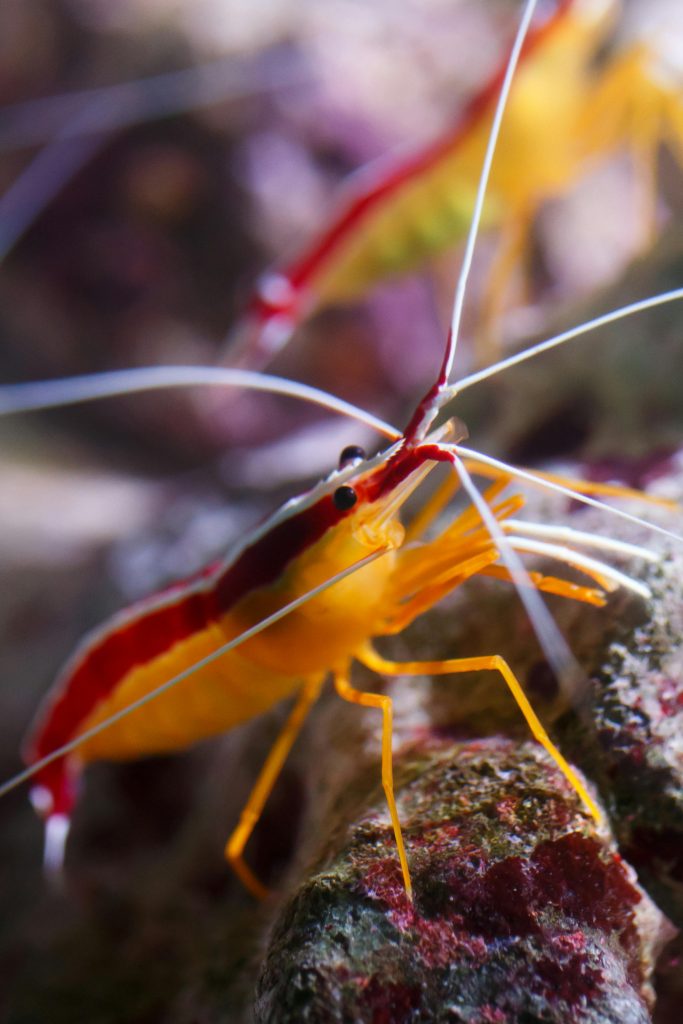
Invertebrates are another dividing line. Reef tanks often include cleaner shrimp, snails, hermits, and ornamental crabs. Many FOWLR fish see these as food. So while a reef tank may have fewer fish options, it offers more diversity in coral and invert life. A FOWLR tank offers more freedom with bold fish species and feeding behavior.
Cost and Maintenance Differences
In most cases, a FOWLR tank costs less to start and less to maintain. You can often use simpler lights and skip coral dosing equipment. You still need quality filtration, good salt, and reliable test kits. Marine fish are not cheap, and large fish can drive up food and tank size costs.
Reef tanks usually cost more because coral equipment adds up fast. High-quality lights, powerheads, test kits, dosing systems, and coral supplements all increase the budget. Coral purchases can also become expensive. A single high-end frag may cost more than several fish.
Maintenance follows the same pattern. FOWLR tanks still need water changes, glass cleaning, skimmer maintenance, and parameter checks. Reef tanks need all of that plus closer testing and coral observation. You must watch for tissue recession, bleaching, pests, and chemical imbalance. Neither system is maintenance free, but reef tanks ask for more attention and a steadier routine.
Which One Is Better for Beginners?
For most true beginners, a FOWLR tank is easier. It gives you time to learn salt mixing, cycling, quarantine, feeding, and filtration without the added pressure of coral care. Mistakes still matter, but they are often easier to correct before livestock loss becomes severe.
That said, a beginner can start with a reef tank if expectations are realistic. A simple soft coral reef with hardy fish can work very well. The key is starting slowly and avoiding sensitive coral species too early. Many problems happen when hobbyists chase fast results and add too much too soon.
If you love fish personalities and want species like triggers or puffers, choose FOWLR. If you dream of coral growth, color, and a living reefscape, choose reef. The best beginner tank is the one that matches your goals and your willingness to test, learn, and stay consistent.
Step-by-Step: How to Choose Between FOWLR and Reef
- Decide what excites you most. Fish behavior or coral growth.
- Set a realistic budget for equipment and livestock.
- Choose tank size based on adult fish size and stability needs.
- Research your dream species before buying any equipment.
- Ask if your favorite fish are reef safe.
- Consider how often you can test and maintain the tank.
- If unsure, start with FOWLR and upgrade later.
This process prevents expensive mistakes. It also helps you build a tank you will enjoy long term. Many reef keepers started with FOWLR systems first. That path teaches strong fundamentals.
Common Problems
Can I turn a FOWLR tank into a reef tank later?
Yes, many hobbyists do exactly that. The main upgrades are lighting, flow, and chemistry monitoring. You may also need to rehome fish that are not reef safe. Start by improving equipment before adding corals.
Why do reef tanks seem harder to keep stable?
Corals and invertebrates react faster to change than fish do. They need stable alkalinity, calcium, salinity, and light. Small swings that fish survive can still damage coral tissue and color.
Can a FOWLR tank have cleanup crew animals?
Sometimes, yes. It depends on the fish. Peaceful fish may ignore snails and hermits. Triggers, puffers, and some wrasses often eat them. Always match the cleanup crew to the fish list.
Frequently Asked Questions
Is live rock used in both FOWLR and reef tanks?
Yes. Live rock supports beneficial bacteria and adds habitat. It is useful in both systems.
Do FOWLR tanks need a protein skimmer?
It is not always mandatory, but it is strongly recommended. It improves water quality and reduces waste buildup.
Can I keep clownfish in a FOWLR tank?
Yes. Clownfish do well in both setups. They do not require corals or anemones to thrive.
Are reef tanks always more expensive?
Usually, yes. Coral lighting, testing, and supplementation increase costs. Livestock can also be more expensive.
Which tank is more forgiving?
FOWLR tanks are generally more forgiving. They still need proper care, but they tolerate a wider range of conditions.
Final Thoughts
The difference between a FOWLR tank and a reef tank comes down to purpose. FOWLR tanks prioritize fish and flexibility. Reef tanks prioritize corals and stability. Neither is automatically better. The right choice depends on your goals, budget, and patience. If you want a simpler entry into saltwater, start with FOWLR. If you want a living coral display and accept the extra work, start with a beginner-friendly reef. Either path can be rewarding when built on good research and steady husbandry.
Related reading: how to cycle a saltwater tank, best beginner reef fish, reef tank water parameters, protein skimmer guide, reef safe fish list
Was this helpful?
Related Posts
Best Filtration Systems
Best Filtration Systems for a Healthy Saltwater Aquarium Choosing the best filtration system for your saltwater aquarium is…
 By
By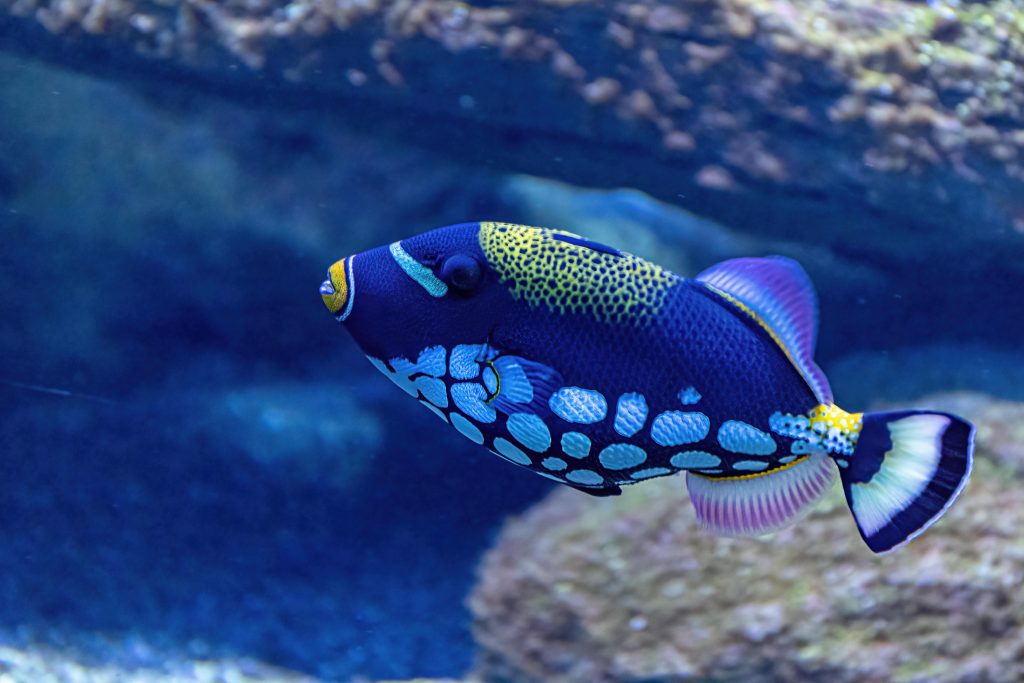
Clown Triggerfish (Balistoides Conspicillum)
Clown triggerfish are stunning but aggressive marine fish that need very large tanks, strong filtration, and careful tankmate…
[favorite_button]
My Bookmarks:
To see full list click here
[user_favorites user_id="" include_links="true" site_id="" post_types="" include_thumbnails="true" thumbnail_size="thumbnail" include_excerpt="false"]