


Good reef tank oxygenation keeps fish breathing normally, supports coral health, and helps your biofilter work efficiently. Most oxygen problems come from weak surface movement, poor gas exchange, high temperatures, or too much organic waste. The good news is that oxygen issues are usually easy to prevent with the right flow, equipment, and maintenance habits.
Many reef keepers focus on calcium, alkalinity, and nutrients first. Those are important. But dissolved oxygen is just as critical. Fish, corals, invertebrates, and nitrifying bacteria all depend on it. When oxygen drops, the whole system feels stressed. Fish may breathe fast. Corals may stay retracted. pH often runs lower. In severe cases, losses can happen overnight. In this guide, you will learn how oxygen enters a reef tank, what causes low oxygen, and which practical changes improve gas exchange fast. You will also see how temperature, stocking, feeding, and equipment choices affect oxygen levels every day.
Quick Reference Table
| Topic | Best Practice | Why It Helps |
|---|---|---|
| Surface agitation | Aim powerheads toward the surface | Improves gas exchange |
| Temperature | Keep 76 to 79 F stable | Cooler water holds more oxygen |
| Protein skimmer | Run continuously if possible | Adds air and removes waste |
| Stocking | Avoid overstocking fish | Reduces oxygen demand |
| Feeding | Feed moderately and remove excess | Lowers bacterial oxygen use |
| Nighttime risk | Watch tanks with heavy coral and algae mass | Oxygen often drops after lights out |
| Emergency backup | Use battery air pumps during outages | Prevents rapid oxygen crashes |
Why Oxygen Matters in a Reef Tank
Oxygen supports every major process in a reef aquarium. Fish use it for respiration. Corals use it too, even though they also host photosynthetic algae. Beneficial bacteria need oxygen to convert ammonia into nitrite and nitrate. Without enough dissolved oxygen, biological filtration slows down. That can make water quality worse very quickly.
Low oxygen also affects pH stability. Tanks with poor gas exchange often trap excess carbon dioxide. That pushes pH down. Many hobbyists chase low pH with additives when the real problem is poor aeration. Better oxygenation often improves pH naturally.
Reef tanks are especially vulnerable at night. During the day, photosynthesis adds oxygen. After lights out, fish, corals, bacteria, and algae all consume oxygen instead. In heavily stocked systems, that overnight demand can become significant. This is why some tanks look fine by day but show stress before morning. If your fish gather near the surface early in the day, oxygen should be one of the first things you check.
How Oxygen Gets Into Aquarium Water
Oxygen enters aquarium water mainly at the surface. This happens through gas exchange. Water movement breaks the surface film and exposes more water to air. That allows oxygen to enter and carbon dioxide to leave. Strong surface agitation is far more important than seeing lots of bubbles in the display.
This point confuses many beginners. Bubbles only help while they are interacting with water and disturbing the surface. A stream of bubbles looks impressive, but the biggest benefit usually comes when those bubbles churn the surface and improve circulation. The same idea applies to overflows and protein skimmers. They work well because they constantly mix water and air.
Open-top tanks usually exchange gas more easily than sealed systems. Tight lids can trap heat and carbon dioxide. Sumps also help by increasing total water volume and creating another area for aeration. If your reef has a sump, overflow, and skimmer, you already have a solid oxygenation foundation. You still need proper flow and maintenance to make that setup work well.
Main Causes of Low Oxygen in Reef Aquariums
High temperature is a major cause. Warm water holds less oxygen than cooler water. A tank at 82 to 84 F has less oxygen capacity than one at 77 to 78 F. Summer heat, strong lighting, and poor room ventilation can all push temperatures too high.
Overstocking is another common issue. More fish means more oxygen demand. Large active fish increase that demand even further. Heavy feeding adds to the problem. Uneaten food and fish waste fuel bacterial activity, and bacteria consume oxygen while breaking down organics.
Poor flow also contributes. Dead spots reduce circulation and limit gas exchange. Surface films are especially harmful. That oily layer blocks efficient transfer between air and water. Dirty filter socks, clogged skimmer air intakes, and neglected pumps can reduce aeration without obvious warning. A power outage is the most dangerous case. In a heavily stocked reef, oxygen can drop fast when return pumps and powerheads stop.
Best Reef Tank Oxygenation Tips
Start with surface agitation. Aim at least one powerhead slightly upward. You want visible rippling, not splashing everywhere. This breaks the surface film and improves gas exchange. If your overflow barely skims the surface, adjust water height or flow so that film is removed consistently.
Run a properly sized protein skimmer. Skimmers are excellent oxygenation tools. They mix large amounts of air and water while removing dissolved organics. Keep the air intake clean. Salt creep often restricts airflow over time. Clean the neck and cup regularly so performance stays consistent.
Control temperature carefully. Use reliable heaters and fans or a chiller if needed. Stability matters. Try to keep most reef tanks between 76 and 79 F unless you have a specific reason to run differently. Cooler, stable water gives you a better oxygen margin.
Do not overstock fish. Add livestock slowly. Think about adult size and activity level, not just current size at the store. Feed enough for health, but avoid excess. Remove uneaten food when necessary. Keep mechanical filtration clean. Dirty socks and sponges become oxygen-hungry waste traps if ignored.
If your home has high indoor carbon dioxide, open a window when possible. Fresh room air can improve both oxygenation and pH. You can also run a skimmer air line to a cleaner air source if practical and safe.
Step-by-Step: How to Improve Oxygen Fast
- Check fish behavior first. Rapid breathing and surface hovering suggest a gas exchange problem.
- Increase surface movement immediately. Point a powerhead toward the top of the tank.
- Verify the return pump and overflow are working normally.
- Empty and clean the protein skimmer cup and air intake.
- Measure temperature. Lower it safely if it is elevated.
- Stop feeding for the moment if fish are stressed.
- Remove any dead animal or decaying food you find.
- Open windows or improve room ventilation if the space feels stuffy.
- Add an air stone temporarily in emergencies or during treatment tanks.
- Prepare battery air pumps if an outage risk exists.
These steps solve many mild oxygen issues quickly. They also buy time while you identify the root cause. In severe cases, act fast and keep changes simple. More surface movement, lower temperature, and fresh air usually help first.
Aquarium Setup Factors That Affect Oxygenation
Tank design matters more than many hobbyists expect. Long tanks often have better surface area than tall cubes of the same volume. More surface area usually means better gas exchange. Sumps increase total water volume and add another oxygenation zone. Overflow boxes also help by constantly renewing the surface layer.
Aquascaping matters too. Dense rock walls can block circulation and create low-flow pockets. Open structures allow water to move around and through the reef. This improves oxygen delivery to fish resting areas, coral colonies, and bacterial surfaces. Bare bottom and sand bed systems can both work well, but both need enough flow to prevent detritus buildup.
Canopies and lids deserve attention. Tight covers reduce evaporation, but they can also trap heat and stale air. Mesh lids are often a better compromise for reef tanks. They protect jump-prone fish while allowing stronger air exchange. If you use a solid lid, watch temperature and pH closely, especially in summer.
Compatibility With Corals, Fish, and Invertebrates
All reef livestock benefits from stable oxygen, but some animals show stress sooner than others. Active fish, such as tangs and anthias, often react quickly to low oxygen. They have high metabolic demand. Large fish loads also increase nighttime oxygen consumption significantly.
Corals need oxygen too. At night, coral-heavy systems can see larger oxygen swings because photosynthesis stops. Tanks packed with fast-growing macroalgae or turf algae can behave the same way. Invertebrates like shrimp and snails may become sluggish when oxygen drops, though their signs are often less obvious than fish behavior.
Medication and quarantine setups deserve special caution. Some treatments reduce oxygen availability or irritate gills. Hospital tanks also tend to be small and lightly equipped. Add extra aeration during treatment unless the medication instructions say otherwise. Reef-safe oxygenation is not just about the display. It matters in every connected or temporary system you run.
Common Problems
Why are my fish gasping at the surface?
This usually points to low dissolved oxygen, high carbon dioxide, gill irritation, or ammonia stress. Check temperature, pH, and ammonia first. Then increase surface agitation and inspect all pumps. If the issue appeared overnight, suspect weak nighttime oxygen levels. Heavy feeding, a dead snail, or a clogged skimmer air line can trigger it.
Can a reef tank have too much flow but still low oxygen?
Yes. Strong internal flow does not guarantee good gas exchange. If most flow stays below the surface, oxygen transfer may still be poor. Direct some flow upward. Make sure the overflow skims well. Check that the room itself has fresh air. High indoor carbon dioxide can keep pH low even in tanks with decent circulation.
Does an air stone help in a saltwater reef?
It can help, especially in emergencies, quarantine tanks, or sumps. The main benefit is improved surface disturbance and circulation. In display reefs, air stones are less common because salt spray can be messy. A skimmer and proper flow are usually better long-term solutions. Still, battery air pumps are excellent emergency tools during outages.
Why does oxygen drop at night?
Photosynthesis stops after lights out. Fish, corals, algae, and bacteria continue to respire. That means oxygen is consumed while carbon dioxide rises. Tanks with heavy coral biomass, dense algae growth, or many fish often show the biggest nighttime drop. This is normal to a degree, but poor gas exchange makes the swing much worse.
Emergency Oxygenation During a Power Outage
Power outages are one of the fastest ways to lose oxygen in a reef aquarium. Water movement stops. The skimmer stops. Surface exchange drops sharply. In warm weather, the risk becomes even higher. Preparation matters more than last-minute improvisation.
Keep one or two battery-powered air pumps on hand. Test them before you need them. If the power goes out, start aeration early. Do not wait for fish to show distress. If you have a generator or power station, prioritize return flow, a powerhead aimed at the surface, and temperature control. Feed very lightly or not at all during the outage. Less food means less waste and lower oxygen demand. If possible, manually stir the surface every so often as a temporary measure. It is not ideal, but it can help in short events.
Frequently Asked Questions
What is the best way to oxygenate a reef tank?
The best method is strong surface agitation combined with a functioning protein skimmer. Stable temperature and moderate stocking also matter.
Do corals need oxygen at night?
Yes. Corals respire all day and night. At night, they no longer produce oxygen through photosynthesis, so stable gas exchange becomes more important.
Should I use an air pump in my reef tank all the time?
Usually not. Most reef tanks rely on flow, overflows, and skimmers instead. Air pumps are still useful for emergencies, quarantine tanks, and temporary support.
Does lower salinity increase oxygen?
Slightly, but salinity should stay appropriate for reef livestock. Do not change salinity just to chase oxygen. Fix gas exchange and temperature first.
Can low oxygen cause low pH?
Indirectly, yes. Poor gas exchange often allows carbon dioxide to build up. That excess carbon dioxide lowers pH.
Final Tips for Stable Oxygen Levels
Think of oxygenation as part of your daily reef design, not just an emergency topic. Keep the surface moving. Keep equipment clean. Avoid excess heat and excess waste. Stock fish responsibly. Plan for outages before they happen. Those habits prevent most oxygen problems long before livestock shows stress.
If you are troubleshooting a reef that seems off, do not overlook oxygen and gas exchange. They affect fish behavior, coral extension, pH, and filtration performance all at once. Small adjustments often make a big difference. For more reef stability tips, see our guides on reef tank flow guide, protein skimmer setup, reef tank temperature, and how to raise pH in a reef tank.
Was this helpful?
Related Posts
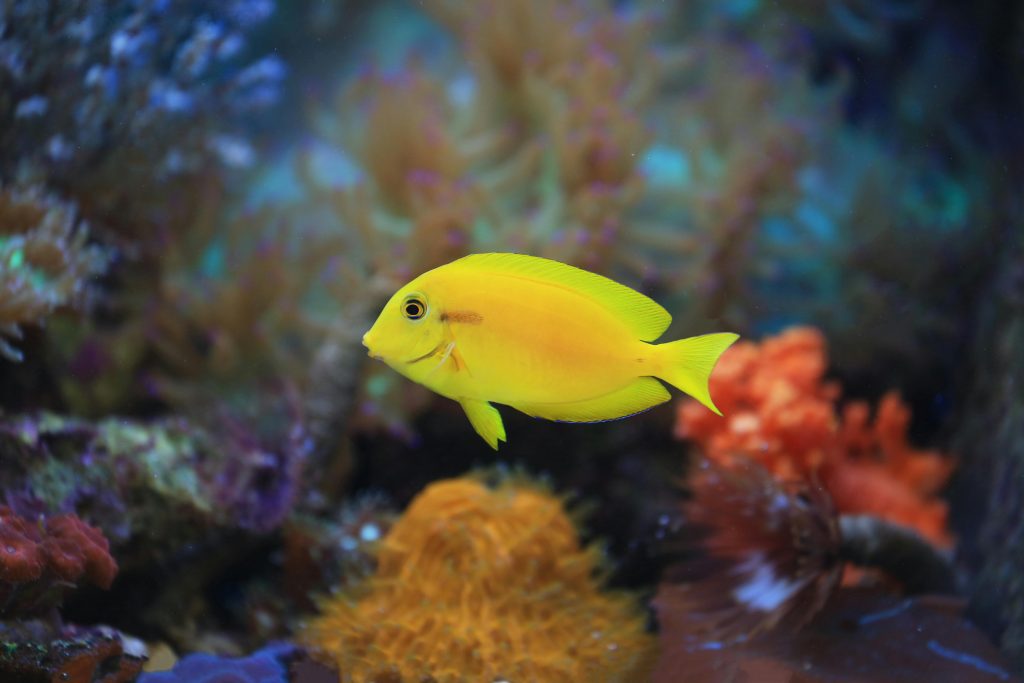
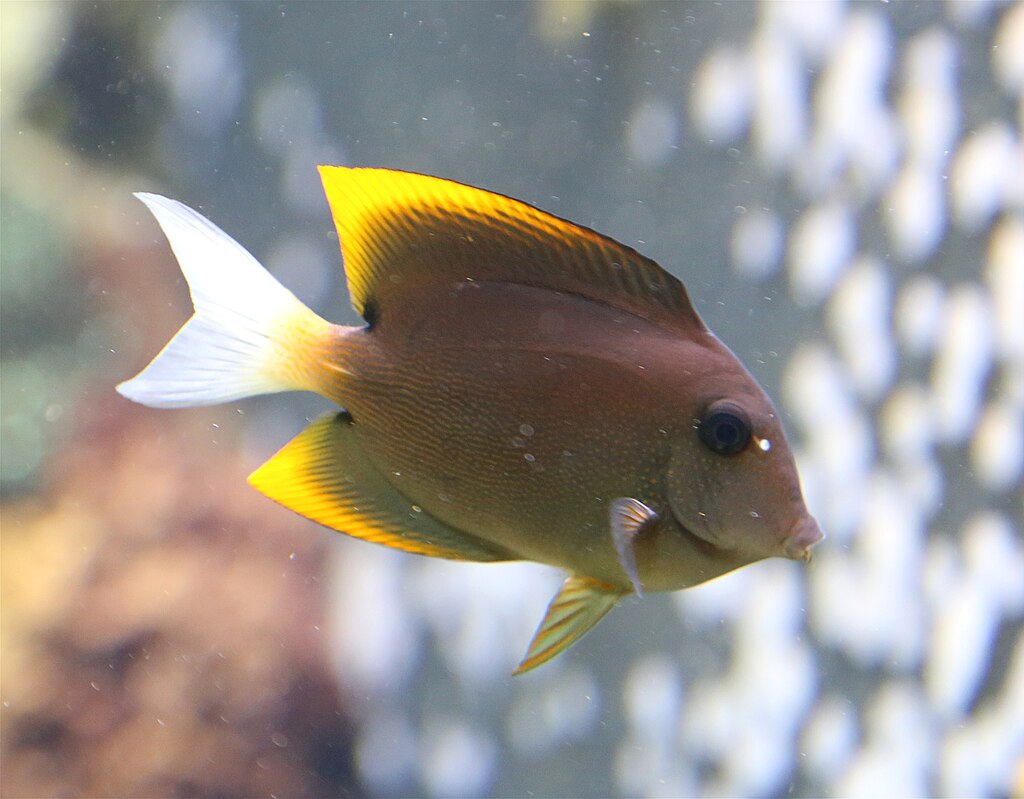
Juvenile Orange Shoulder (acanthurus Olivaceus)
Juvenile orange shoulder tangs are bright, hardy, and reef safe, but they grow large and need a spacious…
 By
By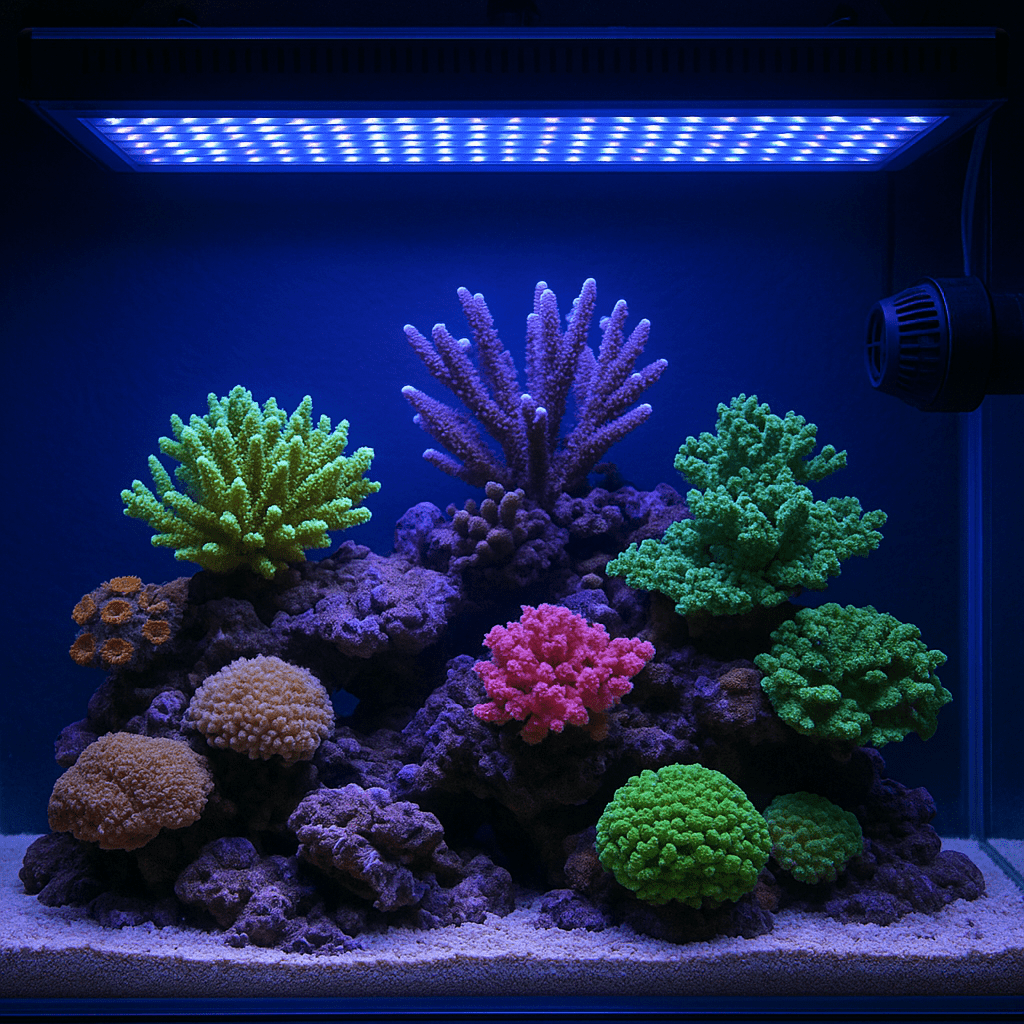
Best Filtration Systems
Best Filtration Systems for a Healthy Saltwater Aquarium Choosing the best filtration system for your saltwater aquarium is…
[favorite_button]
My Bookmarks:
To see full list click here
[user_favorites user_id="" include_links="true" site_id="" post_types="" include_thumbnails="true" thumbnail_size="thumbnail" include_excerpt="false"]