

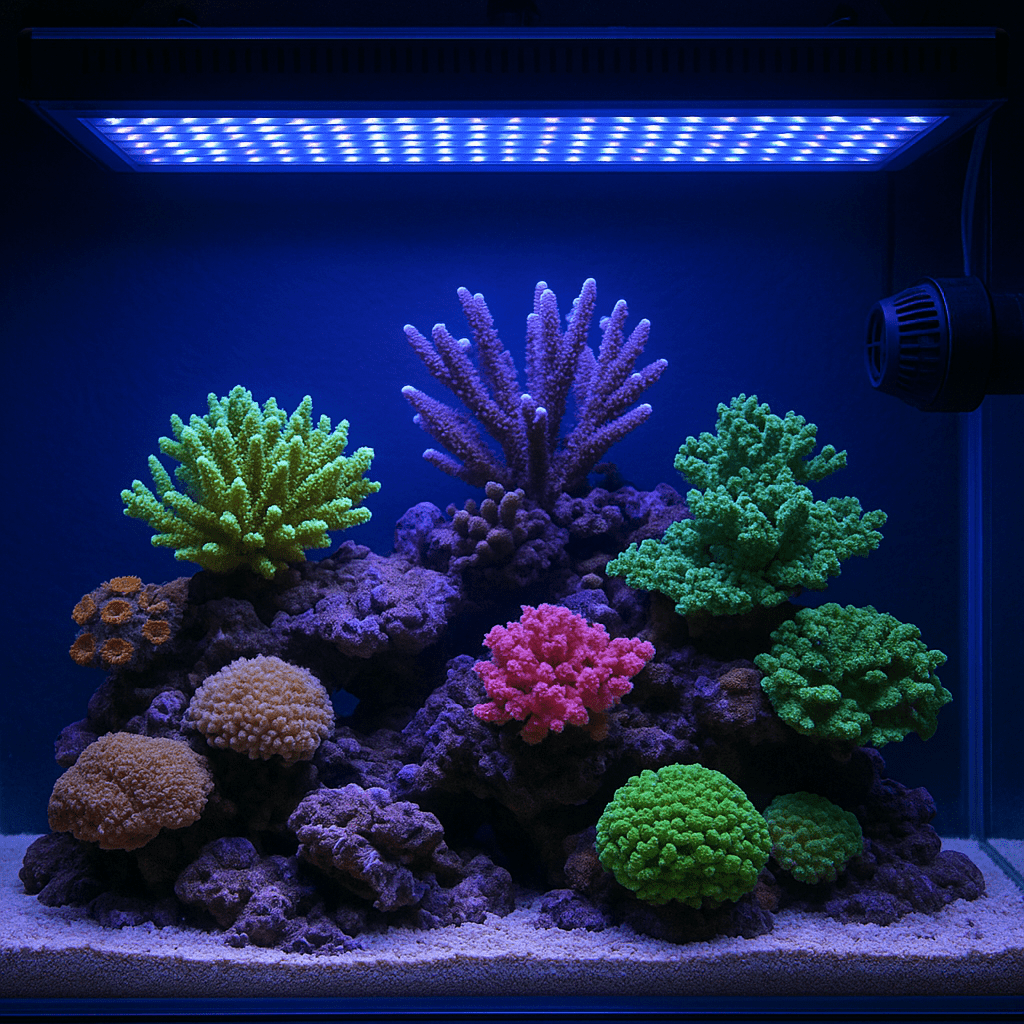
A reef parameter checklist keeps your tank stable and predictable. It helps you test the right values, catch problems early, and make smaller corrections. That leads to healthier fish, better coral color, stronger growth, and fewer sudden crashes.
Many reef problems start with drifting water chemistry. Corals react slowly at first. Then they close up, fade, or decline. A simple checklist removes guesswork. It shows what to test, how often to test it, and what ranges matter most. In this guide, you will learn the core reef parameters, ideal target ranges, testing schedules, and how to troubleshoot common issues. You will also see how beginner tanks differ from mature SPS systems. The goal is not perfect numbers every day. The goal is stable numbers over time.
Quick Reef Parameter Checklist
| Parameter | Recommended Range | Why It Matters | How Often to Check |
|---|---|---|---|
| Temperature | 77–79°F | Supports coral metabolism and fish health | Daily |
| Salinity | 1.025–1.026 SG | Affects osmotic balance and coral function | Daily to weekly |
| pH | 7.8–8.4 | Impacts calcification and biological stability | Weekly |
| Alkalinity | 7.5–9 dKH | Critical for coral skeleton growth | 2–4 times weekly |
| Calcium | 400–450 ppm | Needed for stony coral and coralline growth | Weekly |
| Magnesium | 1250–1400 ppm | Helps stabilize alkalinity and calcium | Weekly to biweekly |
| Nitrate | 2–15 ppm | Supports coral nutrition in balanced amounts | Weekly |
| Phosphate | 0.03–0.10 ppm | Important for coral metabolism | Weekly |
| Ammonia | 0 ppm | Toxic to fish and invertebrates | As needed |
| Nitrite | 0 ppm | Signals incomplete cycling or instability | As needed |
Use this table as your baseline. Do not chase every tiny swing. Focus on consistency. A reef tank can tolerate slightly imperfect values better than repeated corrections.
Why a Reef Parameter Checklist Matters
Reef aquariums run on chemistry and stability. Corals build skeletons from calcium and carbonate. Fish depend on stable salinity and temperature. Beneficial bacteria need oxygen and steady conditions. When one parameter drifts, others often follow. Low magnesium can make alkalinity harder to hold. High temperature can lower oxygen. Excess nutrients can fuel algae and irritate corals.
A checklist gives structure to your maintenance routine. It also helps you spot patterns. If alkalinity drops every three days, your corals are consuming more. If salinity rises by the weekend, evaporation is the cause. These trends matter more than a single reading. New hobbyists often test only when something looks wrong. That is usually too late. Routine testing catches issues before corals show damage. It also builds confidence. You stop guessing and start making informed changes.
Core Reef Parameters and Ideal Targets
Temperature should stay between 77 and 79 degrees Fahrenheit. Short swings happen. Large daily swings cause stress. Use a reliable heater and, if needed, a fan or controller. Salinity should stay near natural seawater. Aim for 1.025 to 1.026 specific gravity. Always measure with a calibrated refractometer or quality digital meter.
pH often ranges from 7.8 to 8.4. Do not chase pH with additives unless there is a clear cause. Focus on gas exchange, room air quality, and alkalinity first. Alkalinity is one of the most important reef parameters. A target of 7.5 to 9 dKH works well for many mixed reefs. Keep it stable. Calcium should stay around 400 to 450 ppm. Magnesium should stay around 1250 to 1400 ppm. Nitrate and phosphate should not be zero in most reef tanks. Corals need some nutrients. For many systems, nitrate between 2 and 15 ppm and phosphate between 0.03 and 0.10 ppm is a practical range.
Step-by-Step Testing Routine
Start by choosing a consistent testing day. Many hobbyists test on the same morning each week. That improves comparison. First, check temperature and salinity. These are quick and reveal basic stability. Next, test alkalinity. If you keep stony corals, test this more often than anything else. Then test calcium and magnesium. After that, test nitrate and phosphate. Record every result in a notebook or app.
Look for trends, not isolated values. If alkalinity falls from 8.5 to 7.7 in two days, consumption is rising. If nitrate keeps climbing, feeding or export needs adjustment. Retest any surprising result before making a correction. Test kits can be affected by technique, expired reagents, or poor lighting. Make one change at a time. Then retest in 24 to 72 hours, depending on the parameter. This prevents overcorrection. It also shows whether the change actually worked.
Daily, Weekly, and Monthly Checklist
Daily checks should be simple. Confirm temperature. Check salinity if you top off manually. Look at coral polyp extension, fish behavior, and equipment operation. Make sure your skimmer, return pump, and ATO are working. A quick visual inspection prevents many disasters.
Weekly checks should include alkalinity, nitrate, phosphate, and a salinity verification. Calcium and magnesium can be tested weekly or every other week in lower demand tanks. Clean the skimmer cup. Empty filter socks or replace mechanical media. Inspect powerheads for reduced flow. Monthly checks should include heater accuracy, refractometer calibration, and pump cleaning. Review your log. Ask whether any parameter has slowly drifted. Small drifts often become major issues if ignored. This schedule keeps maintenance manageable. It also reduces the urge to test everything every day.
How Parameters Change in Different Reef Tanks
A soft coral tank usually consumes less calcium and alkalinity than an SPS tank. That means fewer tests may be needed at first. A mixed reef often sits in the middle. LPS corals still use alkalinity and calcium, but usually at a slower rate than dense SPS colonies. As coral growth increases, demand rises. A tank that needed weekly dosing may later need daily dosing.
New tanks also behave differently than mature tanks. Early systems often show unstable nutrients and bacterial swings. Mature tanks usually consume elements more predictably. Heavy fish stocking raises nutrient input. Strong skimming, refugiums, and media reactors increase nutrient export. Every system is unique. That is why your checklist should be personalized over time. Start with general target ranges. Then refine your routine based on coral response and test history.
Common Problems
Alkalinity keeps dropping
This usually means coral and coralline algae consumption has increased. It can also happen after adding new frags. Test alkalinity at the same time each day for several days. Measure the daily drop. Then match that loss with dosing. Check magnesium too. Low magnesium can make alkalinity harder to maintain. Avoid large one-time corrections.
Nitrate is zero but corals look pale
Ultra-low nutrients can cause faded color and weak growth. This is common in tanks with aggressive export. Reduce oversized filtration, feed more, or dose nutrients carefully if needed. Also check phosphate. If both nutrients are near zero, corals may be starving despite clear water.
Phosphate is high and algae is spreading
Test your source water first. Poor RO/DI water can add phosphate. Next, review feeding habits. Frozen foods, pellets, and overfeeding can all contribute. Clean detritus from low flow areas. Replace exhausted media if you use phosphate remover. Lower phosphate slowly. Sudden drops can stress corals.
pH stays low
Low pH often comes from excess indoor carbon dioxide. Increase surface agitation. Open a window if possible. Route a skimmer air line outdoors if practical. Verify alkalinity before trying pH products. In many cases, stable pH around 7.8 to 8.0 is acceptable if everything else looks healthy.
Salinity slowly rises every week
Evaporation removes freshwater, not salt. If salinity rises, top-off is not keeping pace. Check your ATO reservoir, pump, and sensors. If you top off manually, do it daily. Never correct salinity with a large freshwater dump. Make small adjustments over time.
Best Practices for Stable Reef Chemistry
Use quality test kits and replace them before they expire. Calibrate digital tools often. Mix saltwater fully before water changes. Match temperature and salinity closely. Dose based on measured consumption, not bottle instructions alone. Keep hands, aerosols, and household cleaners away from the tank. Small contaminants can cause big problems.
Automation helps, but it does not replace testing. Dosing pumps, ATO units, and controllers improve consistency. They still need inspection. The best reef keepers combine automation with observation. Watch coral tissue, polyp extension, and growth tips. Healthy corals often confirm what the test kits suggest. If numbers look fine but animals look poor, investigate flow, lighting, pests, and contamination too.
Frequently Asked Questions
What is the most important reef parameter to test?
Alkalinity is often the most important for coral tanks. It changes quickly and strongly affects coral growth. Temperature and salinity are also critical every day.
Can reef tank nitrate be too low?
Yes. Corals often struggle when nitrate stays at zero. Many reefs do better with a small measurable level. Aim for balance, not sterile water.
How often should I test calcium and magnesium?
Weekly is a good starting point. Low demand tanks may stretch to every two weeks. High demand SPS tanks often need more frequent checks.
Should I chase pH with additives?
Usually no. Improve gas exchange and confirm alkalinity first. Chasing pH can create instability if the root cause is not addressed.
What causes sudden coral decline when parameters look fine?
Check for testing error, salinity drift, temperature swings, pests, low flow, lighting changes, and contamination. A single test result never tells the full story.
Final Thoughts
A good reef parameter checklist is simple, repeatable, and based on your tank’s needs. Stable salinity, temperature, alkalinity, calcium, magnesium, nitrate, and phosphate form the foundation of reef success. Test consistently. Log your results. Make small changes. Over time, your checklist becomes one of the most valuable tools in reef keeping.
Related reading: reef tank water parameters, how to lower nitrate in a reef tank, reef tank salinity guide, reef tank alkalinity guide, best test kits for reef aquariums.
Was this helpful?
Related Posts
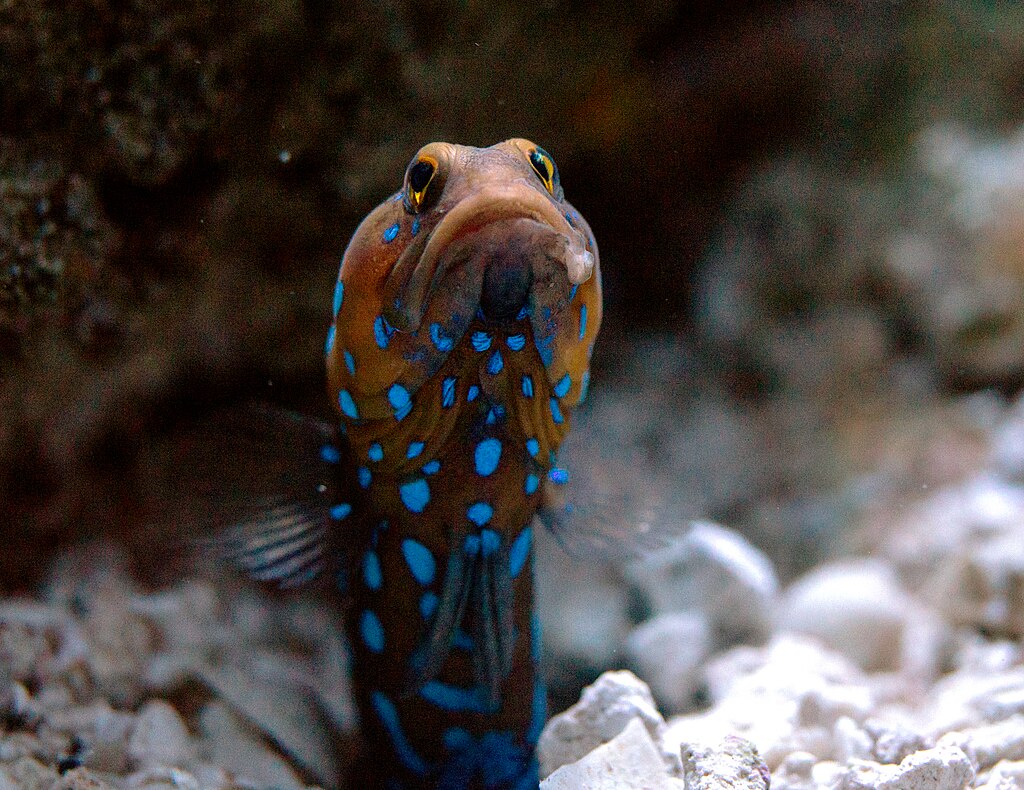
Blue Dot Jawfish (Opistognathus Rosenblatti)
Blue Dot Jawfish need cool water, deep sand, and a tight lid. Learn how to keep Opistognathus rosenblatti…
 By
By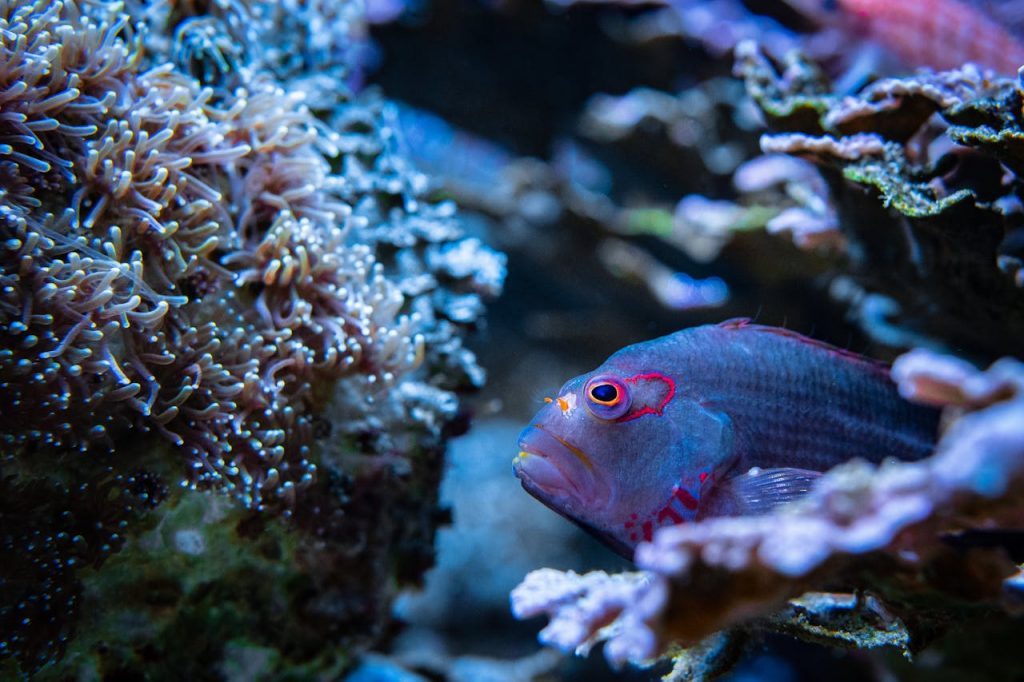
Arc Eye Hawkfish (Paracirrhites arcatus)
Arc Eye Hawkfish care is simple in a stable tank. Learn tank size, feeding, reef safety, and shrimp…
[favorite_button]
My Bookmarks:
To see full list click here
[user_favorites user_id="" include_links="true" site_id="" post_types="" include_thumbnails="true" thumbnail_size="thumbnail" include_excerpt="false"]