

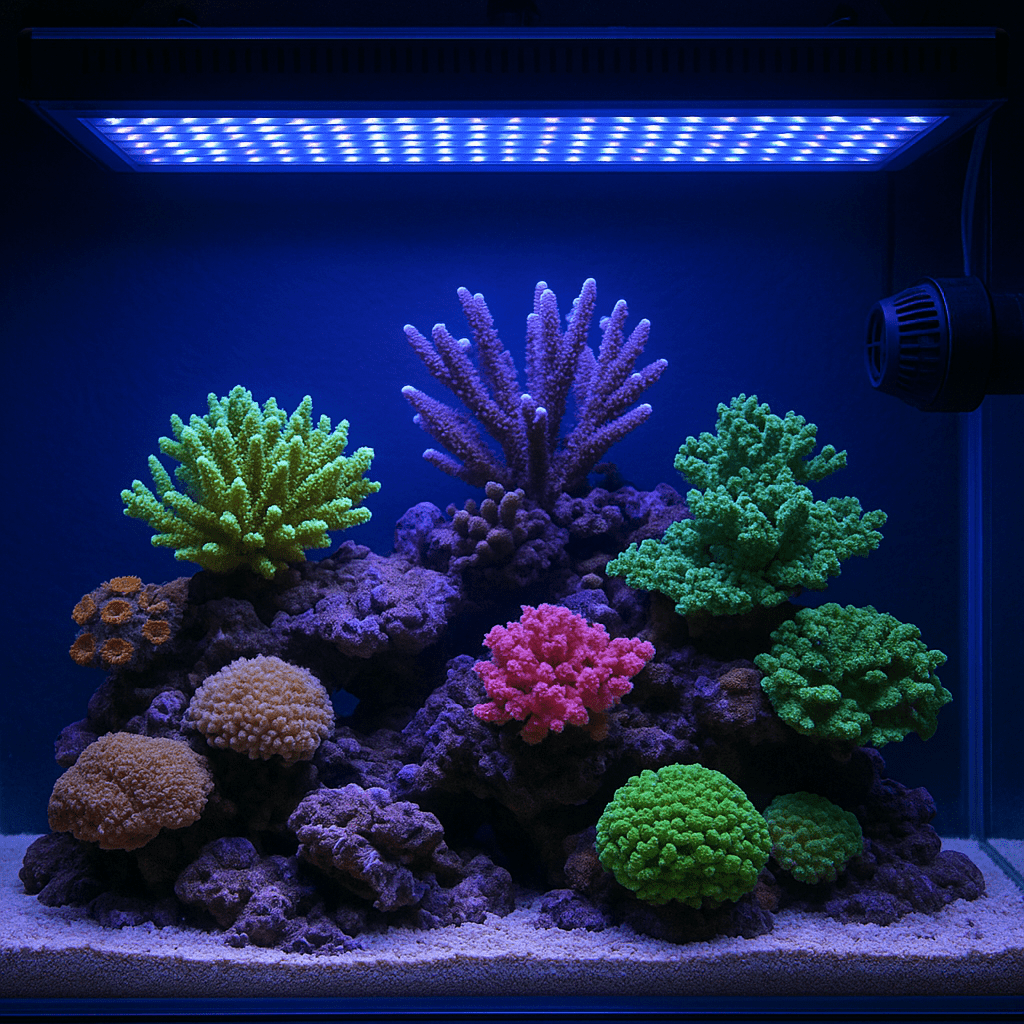
Stable reef tank water parameters are one of the biggest differences between a thriving reef and a tank that constantly struggles with algae, coral stress, and unexplained losses. Many beginners focus on buying better lights or more expensive corals, but long term success usually comes from keeping the basics steady.
In this guide, you will learn which parameters matter most, the ideal ranges for a mixed reef, how to avoid sudden swings, and how to troubleshoot common issues before they become serious problems. Whether you keep soft corals, LPS, SPS, or a mixed reef aquarium, stable chemistry is the foundation everything else depends on.
Featured Snippet Summary
Stable reef tank water parameters mean keeping salinity, temperature, alkalinity, calcium, magnesium, nutrients, and pH within consistent target ranges. In most reef aquariums, stability matters more than chasing perfect numbers, because sudden swings often stress corals more than slightly imperfect but steady values.
Quick Care Table
| Category | Recommended Approach |
| Difficulty | Beginner to advanced |
| Most Important Factor | Consistency over perfection |
| Testing Frequency | Weekly for most tanks, more often for SPS systems |
| Salinity | 1.025 to 1.026 SG |
| Temperature | 77 to 79°F |
| Alkalinity | 7.5 to 9 dKH |
| Calcium | 400 to 450 ppm |
| Magnesium | 1250 to 1400 ppm |
| Nitrate | 2 to 15 ppm for most mixed reefs |
| Phosphate | 0.03 to 0.10 ppm |
| Best Stability Tools | ATO, reliable heater, dosing system, regular testing |
Natural Habitat
On natural reefs, corals and reef fish live in seawater that changes very slowly compared to most aquariums. Ocean chemistry is not perfectly fixed, but it is remarkably stable in salinity, temperature, and major ions. Water movement is constant, gas exchange is strong, and waste products are diluted by an enormous volume of water.
That is why reef aquariums do best when we mimic this stability. In a closed system, even a small dosing mistake, evaporation event, overfeeding problem, or equipment failure can change water chemistry quickly. The smaller the tank, the faster those changes happen. Understanding that difference is key to maintaining stable reef tank water parameters at home.
Tank Requirements
You do not need a huge aquarium to maintain good reef tank parameters, but larger systems are generally easier to keep stable. More water volume gives you a buffer against mistakes and sudden swings. A 20 gallon reef can absolutely succeed, but a 75 gallon system usually offers more room for error.
To support stable water chemistry, your setup should include:
- A reliable heater with a controller if possible
- An auto top off system to prevent salinity swings from evaporation
- Strong biological filtration through live rock, biomedia, or both
- Appropriate flow for gas exchange and detritus suspension
- A quality protein skimmer if the tank is heavily stocked
- Consistent maintenance habits including water changes and testing
- Dosing equipment for tanks with growing stony corals
Aquascape also matters. Rockwork should allow good circulation and avoid dead spots where detritus accumulates. Excess trapped waste can slowly drive nitrate and phosphate upward, making parameter control much harder over time.
Water Parameters
If you want stable reef tank water parameters, focus on keeping numbers within reasonable ranges and avoid frequent corrections unless something is clearly drifting. Chasing exact values often creates more instability than it solves.
| Parameter | Ideal Range | Why It Matters |
| Temperature | 77 to 79°F | Supports coral metabolism and fish health |
| Salinity | 1.025 to 1.026 SG | Critical for osmotic balance and coral function |
| pH | 7.8 to 8.4 | Affects calcification and overall biological activity |
| Alkalinity | 7.5 to 9 dKH | Essential for coral skeleton growth and pH buffering |
| Calcium | 400 to 450 ppm | Needed by stony corals, coralline algae, and clams |
| Magnesium | 1250 to 1400 ppm | Helps stabilize alkalinity and calcium balance |
| Nitrate | 2 to 15 ppm | Provides nutrients without excessive pollution |
| Phosphate | 0.03 to 0.10 ppm | Needed in small amounts but harmful when excessive |
| Ammonia | 0 ppm | Toxic even at low levels |
| Nitrite | 0 ppm | Should remain undetectable in established reefs |
Why Stability Matters More Than Perfection
A reef tank with alkalinity that stays around 8.3 dKH every day will usually perform better than a tank that swings between 7.2 and 9.5 dKH while the owner tries to hit an exact target. The same idea applies to salinity, temperature, nitrate, and phosphate. Corals adapt well to stable conditions. They react poorly to rapid change.
This is especially true for SPS corals, which often show stress quickly when alkalinity changes too fast. Soft corals and many LPS corals are generally more forgiving, but they still benefit from consistency.
How Often to Test
- Temperature and salinity: monitor daily
- Alkalinity: 2 to 4 times weekly in SPS tanks, weekly in many mixed reefs
- Calcium and magnesium: weekly or biweekly once consumption is known
- Nitrate and phosphate: weekly or whenever nutrient issues appear
- pH: continuous monitoring if possible, otherwise periodic checks
Lighting Requirements
Lighting does not directly set water chemistry, but it strongly affects pH, nutrient demand, and coral consumption of alkalinity and calcium. As coral growth increases under stronger lighting, your tank may use more alkalinity and calcium each day. That means lighting upgrades often require dosing adjustments.
For a stable reef system:
- Keep the photoperiod consistent
- Avoid sudden major intensity changes
- Acclimate corals to new lights slowly
- Expect higher demand in tanks with fast growing SPS and coralline algae
Many reef keepers notice pH rises during the light cycle and falls at night. That daily pattern is normal. The goal is not to eliminate it completely, but to avoid extreme swings.
Water Flow
Good flow helps maintain stable reef tank water parameters by improving oxygen exchange, reducing detritus buildup, and delivering nutrients and alkalinity evenly throughout the tank. Poor circulation can create low oxygen zones, trap waste in the rockwork, and contribute to nuisance algae or cyanobacteria.
In most reef aquariums, aim for varied and turbulent flow rather than a constant harsh stream. The right amount depends on livestock:
- Soft coral tanks: low to moderate flow
- LPS tanks: moderate flow with indirect movement
- SPS tanks: moderate to high random flow
- Mixed reefs: create zones with different flow intensity
Stable flow also means maintaining pumps. Dirty wavemakers and return pumps lose performance over time, which can quietly reduce oxygenation and increase waste accumulation.
Feeding
Feeding has a direct effect on reef tank parameters, especially nitrate and phosphate. Underfeeding can lead to pale corals and nutrient deficiency, while overfeeding often causes algae outbreaks and declining water quality. The goal is controlled input, not starvation.
Practical feeding tips include:
- Feed fish only what they can consume within a reasonable time
- Rinse frozen foods if nutrient buildup is a recurring problem
- Target feed LPS corals sparingly if needed
- Watch nutrient trends before making major feeding changes
- Increase export gradually if nitrate and phosphate rise too high
Many modern reef tanks do better with measurable nutrients rather than ultra low nutrient conditions. Corals often color and grow better when nitrate and phosphate are present in balanced, stable amounts.
Compatibility
Compatibility affects water stability more than many hobbyists realize. Certain fish produce heavy waste loads, some corals have very different nutrient preferences, and overstocked tanks are much harder to keep stable.
Consider the following:
- Heavy feeding fish like anthias can increase nutrient demand and export needs
- Large messy eaters can drive nitrate and phosphate upward
- Dense SPS systems consume alkalinity and calcium rapidly
- Mixed coral reefs may need compromise in nutrient and flow targets
- Overstocked tanks are less forgiving during equipment failures
A balanced bio-load makes it much easier to maintain stable salinity, nutrients, and major elements. If your reef constantly swings, stocking level is worth reevaluating.
Common Problems
Alkalinity Swings
This is one of the most common reef tank stability problems, especially in tanks with stony corals.
Common causes:
- Inconsistent manual dosing
- Growing coral demand
- Missed doses
- Inaccurate test results
- Large water changes with mismatched alkalinity
How to fix it:
- Test at the same time of day
- Use a dosing pump for consistency
- Match new saltwater to your display tank when possible
- Adjust dosing slowly over several days
Salinity Creep and Evaporation Issues
Evaporation removes freshwater, not salt, so salinity rises when top off is inconsistent.
Common causes:
- No auto top off system
- Faulty ATO sensor
- Manual top off delays
- Inaccurate refractometer calibration
How to fix it:
- Install and maintain an ATO
- Calibrate salinity tools regularly
- Correct salinity slowly, not all at once
High Nitrate and Phosphate
Elevated nutrients can lead to algae, dull coral color, and reduced calcification.
Common causes:
- Overfeeding
- Dirty mechanical filtration
- Low export
- Detritus buildup in rockwork or sump
- Overstocking
How to fix it:
- Clean filter socks and cups regularly
- Improve flow in dead spots
- Increase skimming or refugium performance
- Reduce feeding only if clearly excessive
- Use phosphate media carefully to avoid stripping nutrients too fast
Low Nutrients and Pale Corals
Not all nutrient problems come from excess. Corals can suffer when nitrate and phosphate are driven too low.
Signs include:
- Pale tissue
- Reduced polyp extension
- Slow growth
- Dinoflagellate outbreaks in some systems
How to fix it:
- Feed a bit more
- Reduce aggressive nutrient export
- Avoid chasing ultra low nutrient numbers
- Raise nutrients gradually and monitor coral response
pH Running Low
Low pH is often linked to excess indoor carbon dioxide rather than a direct water chemistry defect.
How to improve pH:
- Increase fresh air to the room
- Run a skimmer air line outdoors if practical
- Improve surface agitation
- Maintain appropriate alkalinity
- Consider refugium reverse lighting in some setups
A pH of 7.8 can still be workable if the tank is otherwise healthy and stable. Avoid making abrupt chemical corrections unless you understand the cause.
Fragging or Propagation
While water parameters themselves are not something you frag, propagation of corals depends heavily on stable chemistry. Newly cut frags heal best when salinity, alkalinity, temperature, and nutrients remain steady. Tanks with unstable alkalinity or salinity often show slower healing, tissue recession, or poor encrustation after fragging.
If you regularly frag SPS or LPS corals, monitor alkalinity closely because a growing frag system can increase consumption faster than expected. This is a common reason reef keepers suddenly notice dosing no longer keeps up.
FAQ
What are the most important reef tank water parameters?
The most important parameters are salinity, temperature, alkalinity, calcium, magnesium, nitrate, phosphate, and pH. Ammonia and nitrite should remain at zero in an established reef tank.
How do I keep reef tank parameters stable?
Use an auto top off, test regularly, dose consistently, avoid overstocking, and make changes slowly. Stability comes from routine and reliable equipment more than constant correction.
Is alkalinity more important than calcium in a reef tank?
Both matter, but alkalinity usually needs closer monitoring because it can swing faster and corals often react to those swings quickly, especially SPS corals.
What nitrate and phosphate levels are best for a reef tank?
For many mixed reefs, nitrate around 2 to 15 ppm and phosphate around 0.03 to 0.10 ppm work well. The ideal target depends on livestock, but stability is more important than forcing ultra low nutrients.
How often should I test reef tank water parameters?
Test alkalinity weekly at minimum, and more often in SPS tanks. Check salinity and temperature daily, and test calcium, magnesium, nitrate, and phosphate based on your tank’s demand and recent trends.
Internal Links
- How to Lower Nitrate in a Reef Tank
- Best Reef Tank Auto Top Off Systems
- Reef Tank Alkalinity Explained
- How to Raise pH in a Saltwater Aquarium
- Mixed Reef Tank Setup Guide
Conclusion
The secret to stable reef tank water parameters is not chasing perfect numbers every day. It is building a system and routine that prevent major swings in the first place. Keep salinity and temperature steady, monitor alkalinity closely, maintain balanced nutrients, and make corrections gradually. If your reef tank stays consistent week after week, your fish and corals will usually reward you with better color, stronger growth, and fewer unexplained setbacks.
For most reef keepers, consistency beats constant adjustment. When in doubt, slow down, test carefully, and protect stability first.
Was this helpful?
Related Posts
Reef Tank Basics
Learn reef tank basics, from setup and cycling to lighting, flow, and water chemistry, so your first reef…
 By
By
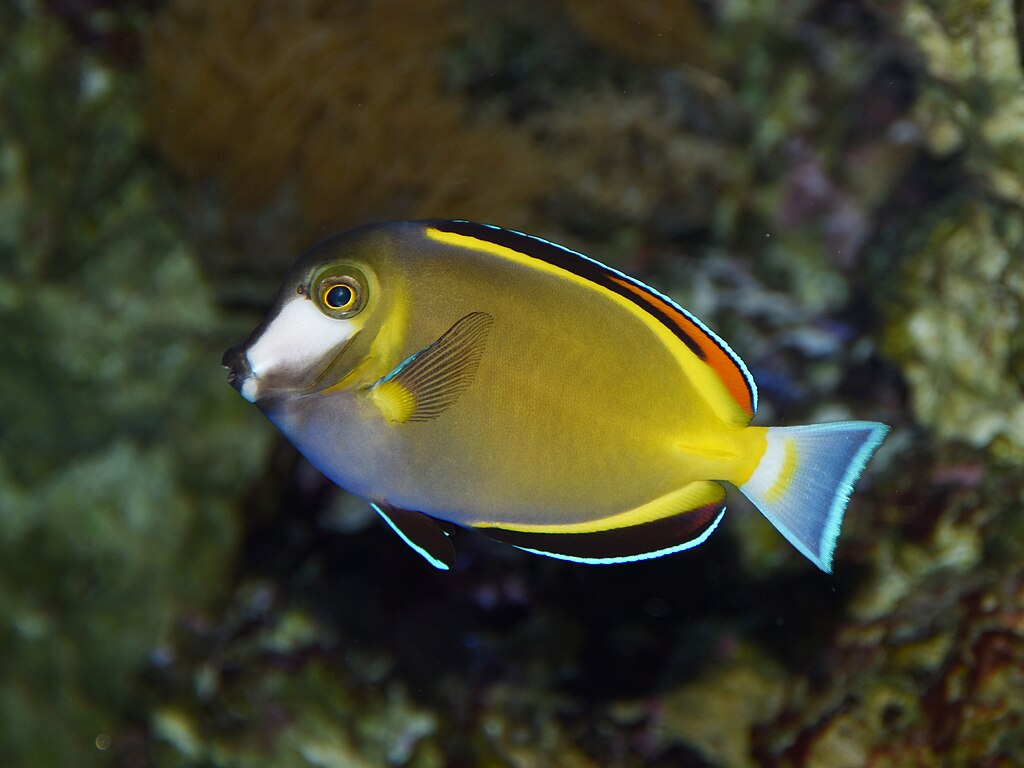
Juvenile Orange Shoulder (acanthurus Olivaceus)
Juvenile orange shoulder tangs are bright, hardy, and reef safe, but they grow large and need a spacious…
[favorite_button]
My Bookmarks:
To see full list click here
[user_favorites user_id="" include_links="true" site_id="" post_types="" include_thumbnails="true" thumbnail_size="thumbnail" include_excerpt="false"]