
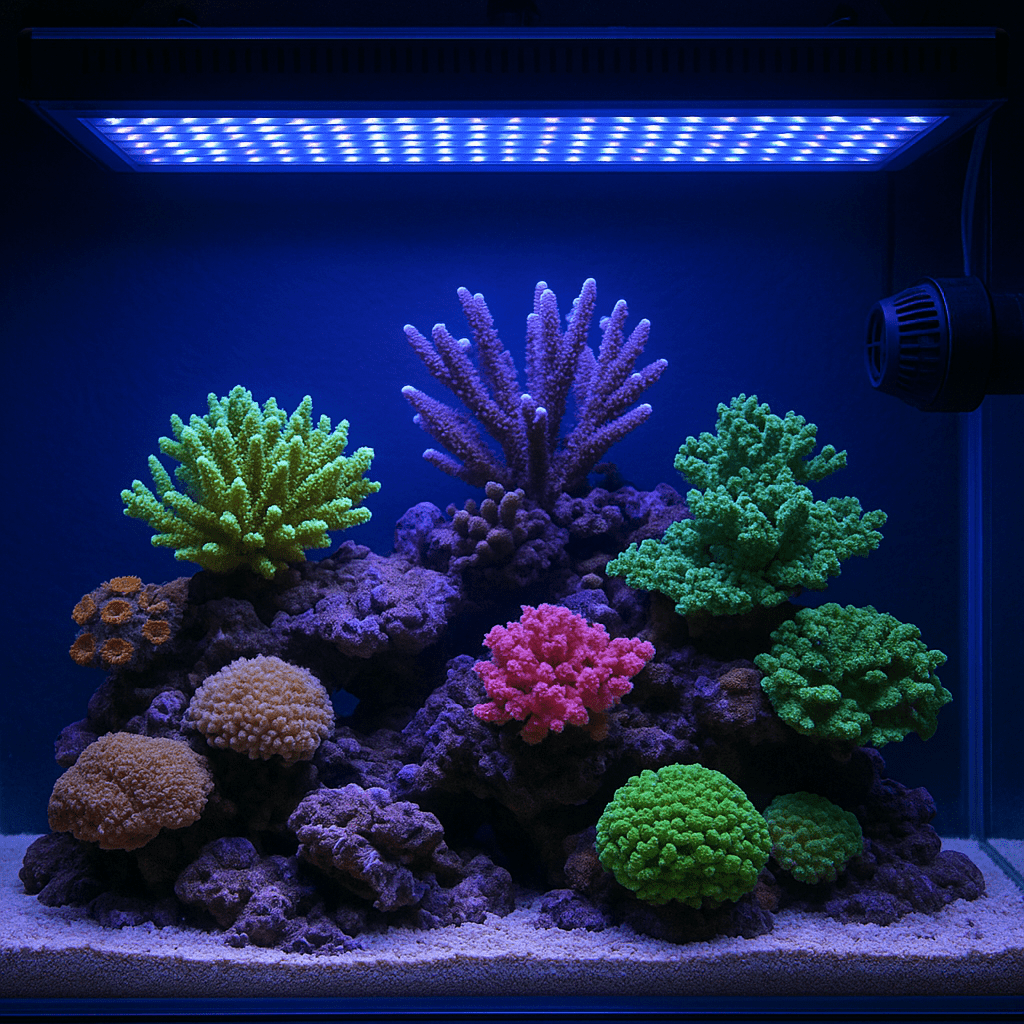
Reef tank pest control starts with prevention, fast identification, and calm action. Most pests enter on new corals or live rock. A simple quarantine routine, careful dipping, and steady tank conditions will stop most outbreaks before they spread.
Every reef keeper deals with unwanted hitchhikers sooner or later. Some pests only irritate a few corals. Others can damage colonies, sting fish, or overrun rockwork. The good news is that most reef tank pests are manageable. You do not need harsh chemicals or panic. You need a method. In this guide, I will cover the common pest types, how they get into a reef aquarium, how to identify them, and which control methods work best. You will also learn when to use manual removal, coral dips, natural predators, and quarantine. The goal is simple. Protect coral health without destabilizing the whole system.
Quick Reference Table
| Pest | Common Signs | Main Risk | Best First Response |
|---|---|---|---|
| Aiptasia | Small glass anemones on rock | Stings nearby corals | Targeted treatment and removal |
| Majano anemones | Bubble-like pest anemones | Spreads and crowds corals | Manual control and spot treatment |
| Flatworms | Rust, red, or clear worms on surfaces | Coral irritation and rapid spread | Siphon out and dip affected corals |
| Red bugs | Poor polyp extension on Acropora | Stress to SPS corals | Quarantine and confirmed treatment |
| Montipora nudibranchs | White bite marks on Montipora | Fast tissue loss | Dip, inspect, and remove eggs |
| Zoanthid-eating nudibranchs | Closed polyps and missing tissue | Colony decline | Dip and nightly inspection |
| Vermetid snails | Mucus webs from tubes | Coral irritation | Break tubes and seal openings |
| Bubble algae | Green bubbles on rock | Spreads through aquascape | Manual removal with care |
| Dinoflagellates | Brown strings with bubbles | Toxin risk and coral stress | Confirm ID and correct imbalance |
| Cyanobacteria | Red or dark slimy mats | Smothers surfaces | Improve flow and nutrient balance |
Use this table as a starting point only. Correct identification matters. Many reef problems look similar at first glance. A magnifying glass, flashlight, and close photos can save a lot of guesswork.
How Reef Tank Pests Get Into Your Aquarium
Most pests hitchhike into a reef tank on coral frags, frag plugs, live rock, macroalgae, and even cleanup crew shells. A clean-looking frag can still carry eggs, tiny worms, or hidden anemones. This is why pest control begins before anything enters the display tank.
Coral vendors can reduce risk, but no source is perfect. Even trusted sellers can miss tiny eggs or pests deep in branching corals. Hobbyist trades carry extra risk because systems vary widely. Rock from older tanks can also bring vermetid snails, aiptasia, bryopsis, and nuisance algae. The same is true for snail shells and frag racks moved between tanks.
Your best defense is a quarantine system. It does not need to be fancy. A small bare tank, heater, simple light, and good flow are enough for many corals. Observe new additions for several weeks. Dip corals before quarantine, then inspect them again before transfer. That extra step often prevents months of frustration later.
Natural Habitat and Why It Matters
Many reef pests are not truly pests in nature. Aiptasia, flatworms, algae, and nudibranchs all fill normal ecological roles on wild reefs. They become a problem in aquariums because our systems are small, closed, and rich in food. Predators are often missing. Nutrients can swing fast. Corals also sit close together, which makes spread easier.
Understanding this helps you choose better control methods. For example, bubble algae often thrives where nutrients and detritus collect. Vermetid snails do well in tanks with suspended food. Flatworms can multiply quickly in calm areas with little predation. If you only kill the visible pest, but ignore the conditions helping it, the problem often returns.
Think like an ecosystem manager. Stable nutrients, strong export, good flow, and healthy biodiversity all make pests less successful. A balanced reef is much harder for opportunistic organisms to overrun.
Aquarium Setup That Reduces Pest Outbreaks
Pest control is easier in a clean, stable system. Good aquascaping helps more than many beginners realize. Leave enough space between rock structures to inspect surfaces and siphon detritus. Avoid packing corals too tightly. Tight spacing hides pests and makes treatment difficult.
Flow matters too. Dead spots collect waste and feed nuisance algae and cyanobacteria. Use enough circulation to keep particles suspended without blasting corals. Mechanical filtration should be cleaned often. Dirty filter socks and neglected floss become nutrient traps. A decent protein skimmer also helps by removing dissolved waste before it fuels problems.
Keep basic tools ready. Fine tweezers, coral cutters, a turkey baster, siphon hose, super glue gel, and a magnifying lens are all useful. Many pests can be controlled early with simple physical removal. That is much safer than waiting until chemical treatment feels necessary.
Step-by-Step Reef Tank Pest Control Plan
Start with identification. Do not treat blind. Look at the pest closely. Note where it grows or moves. Check whether it affects one coral type or the whole tank. Take photos under white light if possible.
Next, isolate the source. If one frag is affected, remove it from the display tank. Place it in a container or quarantine tank for inspection. This limits spread while you decide on treatment.
Then use the least disruptive control method first. Siphon flatworms. Scrape bubble algae carefully. Break vermetid tubes. Remove egg spirals from nudibranch outbreaks. Spot treat aiptasia instead of dosing the whole tank. Small, targeted action usually works best.
After treatment, correct the cause. Reduce overfeeding. Improve flow. Clean detritus traps. Review nutrient levels. Check for stressed corals that may be more vulnerable. Finally, monitor daily for at least two weeks. Many pests return from missed eggs or hidden juveniles. Consistency matters more than one dramatic treatment.
Lighting Requirements and Pest Pressure
Light does not cause every pest, but it influences many outbreaks. Strong lighting can fuel nuisance algae if nutrients are available. Weak lighting can stress corals and reduce their resilience. Both situations can tilt the tank in the wrong direction.
Keep your lighting matched to your coral mix. Do not make sudden, large changes unless you are solving a confirmed issue. If algae is spreading, shortening the photoperiod slightly may help, but it is not a cure by itself. You still need to address nutrients, flow, and maintenance.
For pest inspections, use both blue and white light. Blue light makes some tissue issues hard to read. White light reveals bite marks, eggs, algae texture, and mucus webs much better. A simple flashlight during evening checks can help you catch nocturnal pests before they multiply.
Water Flow and Water Chemistry
Strong, varied flow helps prevent several common problems. It limits detritus buildup, reduces stagnant zones, and keeps coral surfaces cleaner. Cyanobacteria and film algae often settle where flow is poor. Vermetid mucus nets also irritate corals more in low, dirty flow areas.
Water chemistry must stay stable. Sudden swings stress corals and open the door to pests and disease. Keep salinity stable. Maintain alkalinity consistently. Avoid large nutrient crashes. Ultra-low nutrients can trigger dinoflagellates in some tanks. Excess nutrients can push nuisance algae and cyanobacteria. Aim for balance, not extremes.
Regular testing helps you spot trends early. Nitrate and phosphate should be measurable, but not excessive. If you are fighting recurring pests, review your maintenance routine. Sometimes the issue is not the pest itself. It is the unstable environment behind it.
Feeding and Nutrient Management
Overfeeding is a common driver of pest outbreaks. Extra food breaks down into nutrients that feed algae, cyanobacteria, and opportunistic organisms. Feed fish enough to stay healthy, but avoid letting food drift into rock crevices. Rinse frozen foods if they are heavy in packing juices.
Coral feeding should also be measured. Broadcast feeding can be useful, but too much can dirty the system fast. Target feed when possible. Watch how your tank responds over the next day. If film algae increases or detritus builds up, scale back.
Export is the other half of the equation. Water changes, skimming, mechanical filtration, refugiums, and careful rock cleaning all help. The goal is not sterile water. The goal is predictable nutrient control. Pests thrive when food is abundant and maintenance is inconsistent.
Compatibility and Natural Predators
Some reef pests can be controlled with natural predators, but this approach needs caution. Peppermint shrimp may eat small aiptasia, but not every shrimp sold is the right species. Some filefish may eat aiptasia too, but they can also nip corals. Six-line wrasses and other wrasses may reduce some small pests, but they are not guaranteed solutions.
Emerald crabs can help with bubble algae in some tanks. Again, results vary. Predators are best used as support, not as your only plan. Never buy an animal for a pest problem unless you can house it long term. The fish or invertebrate must fit your tank after the pest is gone.
Compatibility also matters during treatment. Some dips are safe for corals only outside the display tank. Some medications can affect invertebrates. Always check whether your chosen method risks shrimp, snails, crabs, worms, or beneficial bacteria.
Propagation and Fragging Safely
Inspect Before You Cut
Fragging can spread pests if you rush. Inspect the colony first. Look under the base, around the plug, and between branches. Eggs often hide where dips do not penetrate well.
Use Clean Tools and Fresh Plugs
Do not move old frag plugs into a clean system unless they are inspected and cleaned. Fresh plugs reduce the chance of transferring algae, aiptasia, and hidden worms. Rinse tools between colonies when possible.
Dip and Observe New Frags
After fragging, dip the new pieces if the coral type tolerates it. Then observe them in quarantine. This is especially important for zoanthids, Montipora, and Acropora, which often carry specialized pests.
Common Problems
How do I get rid of aiptasia in a reef tank?
Use targeted methods. Injecting or covering the oral disc with a reef-safe paste often works. Remove isolated rocks if possible. Peppermint shrimp may help with small outbreaks. Avoid scraping aiptasia inside the tank, because pieces can spread.
Why do flatworms keep coming back?
Eggs and missed adults are common reasons. Siphon visible worms often. Dip affected corals. Repeat inspections every few days. Improve flow and reduce excess nutrients. A single treatment rarely ends a mature outbreak.
Is bubble algae always caused by high nutrients?
Not always. Bubble algae can persist even in tanks with acceptable test results. Detritus pockets, old rock, and low herbivore pressure can all contribute. Manual removal, steady export, and patience usually work better than drastic changes.
Are vermetid snails dangerous?
They usually do not kill healthy corals directly, but their mucus webs can irritate tissue and reduce polyp extension. Break the tubes, seal the opening with glue, and reduce suspended food if they are multiplying fast.
What if I cannot identify the pest?
Do not guess with chemicals. Isolate the coral, take clear photos under white light, and inspect at night too. Many pests are nocturnal. A slow, careful ID is safer than the wrong treatment.
Frequently Asked Questions
Should every new coral be dipped?
Yes, unless the coral is known to react poorly and you have another safe protocol. Dips reduce risk, but they do not remove every egg. Quarantine is still important.
How long should coral quarantine last?
Two to four weeks is a solid minimum for many corals. Longer is better if you suspect eggs or repeated pests. Observation time catches problems dips can miss.
Can fish quarantine prevent reef pests?
Fish quarantine helps prevent fish disease, but most coral pests arrive on invertebrate surfaces. You need a separate coral and invert inspection process as well.
Should I use chemical treatments in the display tank?
Only when necessary and only after confirming the pest. Display treatments can affect invertebrates, bacteria, and nutrient balance. Targeted methods are usually safer first.
What is the best long-term pest prevention method?
Quarantine, coral dipping, stable water chemistry, and regular inspection. Prevention takes less time than fighting a tank-wide outbreak.
Final Tips for Long-Term Success
Good reef tank pest control is mostly about habits. Inspect new additions every time. Keep nutrients stable. Remove problems early. Avoid quick fixes that create bigger issues. If you stay observant, most pests remain small and manageable.
For more help, read our guides on reef tank water parameters, coral quarantine guide, reef tank clean up crew, and beginner reef tank maintenance. These basics work together. A healthy reef resists pests far better than a stressed one.
Was this helpful?
Related Posts
Best Filtration Systems
Best Filtration Systems for a Healthy Saltwater Aquarium Choosing the best filtration system for your saltwater aquarium is…
 By
By
Clown Triggerfish (Balistoides Conspicillum)
Clown triggerfish are stunning but aggressive marine fish that need very large tanks, strong filtration, and careful tankmate…
[favorite_button]
My Bookmarks:
To see full list click here
[user_favorites user_id="" include_links="true" site_id="" post_types="" include_thumbnails="true" thumbnail_size="thumbnail" include_excerpt="false"]