

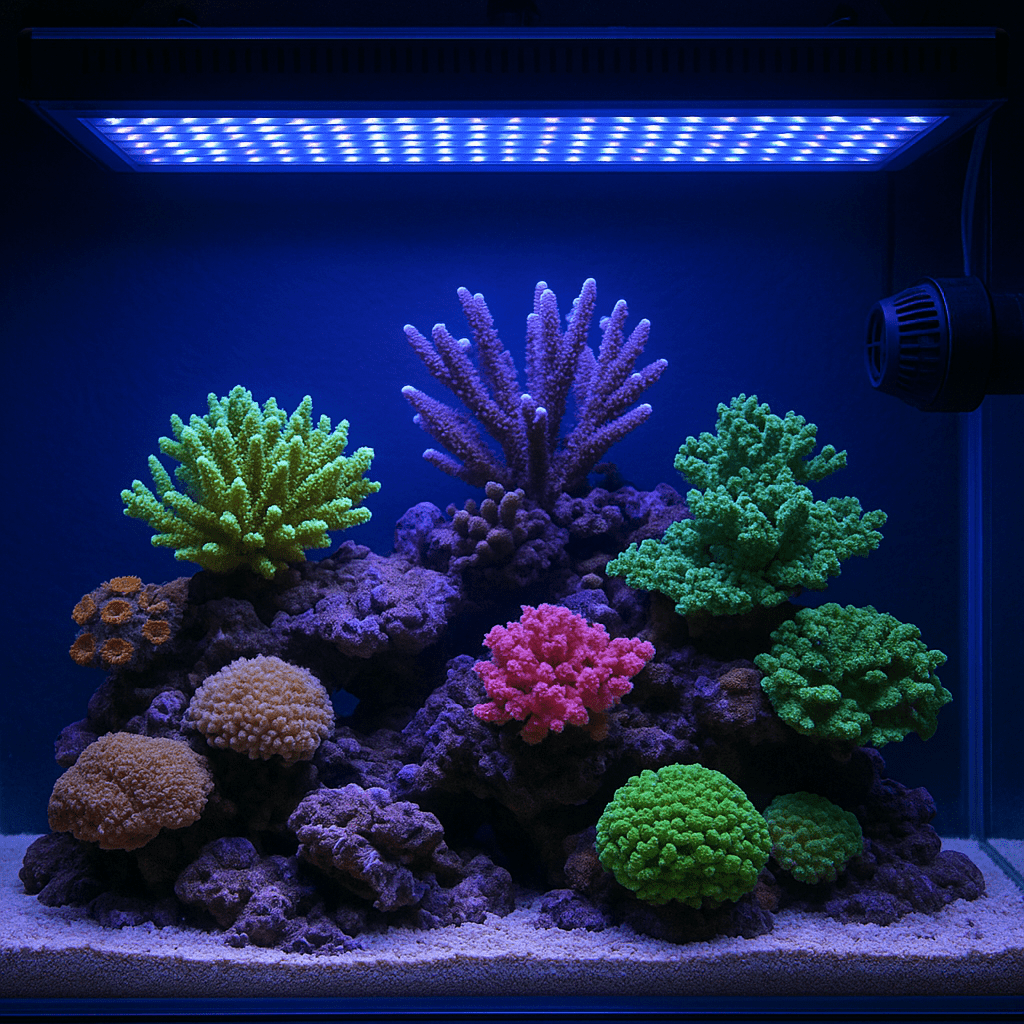
Reef tank pH basics start with one simple truth. Stability matters more than chasing a perfect number. Most healthy reef aquariums run well between 7.8 and 8.4. Problems usually come from swings, poor gas exchange, or low alkalinity. When you understand what controls pH, fixing it becomes much easier.
Many reef keepers worry about pH early on. That makes sense. pH affects coral growth, calcification, and overall animal health. It also connects to alkalinity, carbon dioxide, and room air quality. This guide explains what pH means, what range is safe, why pH drops, and how to raise it safely. You will also learn how to test pH correctly, when to act, and which common mistakes cause more harm than good. If you are new to reef chemistry, this article will give you a practical foundation you can actually use.
Quick Reference Table
| Parameter | Recommended Range | Notes |
|---|---|---|
| pH | 7.8–8.4 | Daily swings are normal |
| Ideal daytime pH | 8.1–8.3 | Common target for mixed reefs |
| Alkalinity | 7–11 dKH | Supports pH stability |
| Temperature | 76–79°F | Keep stable daily |
| Salinity | 1.025–1.026 SG | Match natural seawater |
| Main low pH causes | High CO2, low alkalinity | Poor aeration is common |
| Best first fix | Improve gas exchange | Often safer than additives |
This table gives you the big picture. Do not treat pH as an isolated number. Always view it alongside alkalinity, salinity, and temperature. Reef chemistry works as a system.
What pH Means in a Reef Tank
pH measures how acidic or basic your water is. In reef tanks, it tells you about the balance between carbon dioxide, bicarbonate, and carbonate. Those compounds are part of the aquarium’s buffering system. Corals rely on that system to build skeletons.
Natural seawater is usually a little above 8.0. Home aquariums often run slightly lower. That is not always a crisis. A tank at 7.9 can still thrive if the number stays steady. A tank that swings from 7.7 to 8.4 each day is usually more concerning.
Many hobbyists assume low pH means they need a bottle additive. That is often the wrong first step. pH is usually a symptom. The real issue is excess indoor carbon dioxide, weak aeration, or depleted alkalinity. If you only force the number up, it may fall again quickly. Good reef keeping starts with finding the cause, not masking it.
Why pH Matters for Corals and Fish
Corals use calcium and alkalinity to build hard skeletons. That process works better within a healthy pH range. When pH stays very low, calcification can slow down. Stony corals may grow more slowly. Coralline algae may also struggle.
Fish usually tolerate a wider pH range than corals. Even so, sudden shifts can stress them. Invertebrates can also react poorly to unstable chemistry. Snails, shrimp, and clams often do best in stable, well-buffered water.
pH also affects how some compounds behave in water. Ammonia becomes more toxic at higher pH. That does not mean you should keep pH low. It means stable, mature filtration is important. In a healthy reef tank, pH supports biological balance. It is one part of a larger chemistry picture.
What Is a Good pH Range for a Reef Aquarium?
A practical reef tank pH range is 7.8 to 8.4. Many successful tanks sit between 8.0 and 8.3. Some excellent systems run around 7.8 to 8.1, especially in closed homes. If corals are growing and your tank is stable, do not panic over small deviations.
pH usually changes during the day. It tends to be lower in the morning. It often rises later when lights are on. That happens because photosynthesis consumes carbon dioxide. At night, pH often drops again. A mild daily swing is normal.
Try to avoid obsession with a single test result. One reading tells very little. A pattern matters more. If your tank sits at 8.15 by day and 7.95 by night, that is usually fine. If it falls below 7.7 often, or swings sharply, then it is time to investigate.
What Controls pH in Saltwater Aquariums?
Carbon dioxide is the biggest driver of pH in most reef tanks. More dissolved CO2 pushes pH down. Less CO2 allows pH to rise. That is why tanks in tightly sealed homes often run lower, especially in winter.
Alkalinity is the second major factor. It acts as a buffer against sudden pH changes. If alkalinity drops too low, pH becomes less stable. Corals, coralline algae, and abiotic precipitation all consume alkalinity over time.
Gas exchange also matters. Surface agitation, sump turbulence, and a properly tuned skimmer help release excess CO2. Fresh air near the tank can make a big difference. Even room occupancy matters. A crowded room can depress pH surprisingly fast.
Finally, photosynthesis affects daily pH swings. Macroalgae, corals, and even nuisance algae consume CO2 during the light cycle. That often raises pH during the day. Understanding these relationships helps you solve the problem at its source.
How to Test pH Correctly
You can test pH with liquid kits, test strips, digital pens, or probes. For reef tanks, a quality digital probe is usually best. It shows trends more clearly. It also helps you catch daily highs and lows. Still, probes need regular calibration.
Always test at the same time when comparing results. Morning and evening values can differ. That is normal. If you test randomly, the data may seem confusing. Keep notes for a few days before making changes.
Check your alkalinity too. A pH number without alkalinity data is incomplete. If pH is low but alkalinity is normal, excess indoor CO2 is often the issue. If both are low, then buffering capacity may be part of the problem.
Do not trust old reagents or dirty probes. Replace expired test kits. Calibrate probes with fresh standards. Bad testing causes many unnecessary corrections in reef tanks.
Step-by-Step: How to Raise Low pH Safely
- Confirm the reading with a reliable test or calibrated probe.
- Test alkalinity before adding anything.
- Check for poor surface agitation or weak skimmer performance.
- Open a window near the tank if possible.
- Run an airline from the skimmer to fresh outdoor air if practical.
- Consider a refugium on a reverse light cycle.
- Adjust alkalinity slowly if it is low.
- Use kalkwasser carefully if your system can support it.
- Retest over several days and watch the trend.
This order matters. Start with aeration and diagnosis. Additives should come later. Many tanks improve just from better gas exchange. Chasing pH with fast chemical fixes often creates bigger swings.
Aquarium Setup Factors That Affect pH
Tank design influences pH more than many beginners realize. A sump usually helps because it increases gas exchange. Protein skimmers also help by mixing air and water aggressively. Tanks without a sump can still do well, but they often need strong surface agitation.
Heavy lids can trap carbon dioxide. That can suppress pH. Mesh tops usually allow better airflow. Room ventilation matters too. Small reef tanks in closed bedrooms often run lower pH than tanks in open living spaces.
Bioload also plays a role. More fish means more respiration. More respiration means more CO2. That does not mean you cannot stock fish well. It means filtration and aeration must match the load. A refugium with macroalgae can help offset nighttime drops, especially if lit opposite the display.
For broader system planning, see: reef tank setup guide, reef tank filtration basics, aquarium protein skimmer guide, and reef tank water parameters.
Common Problems
Why is my reef tank pH low?
The most common cause is excess carbon dioxide in the room. This happens often in newer homes with sealed windows. Low alkalinity can also contribute. Poor surface movement is another frequent issue. Start by checking alkalinity and improving aeration before using buffers.
Why does my pH drop at night?
This is normal to a point. At night, photosynthesis stops. Animals and bacteria still respire. That adds CO2 to the water. A refugium on a reverse light schedule can reduce the swing. Better gas exchange can help too.
Should I use a pH buffer?
Only with caution. Buffers can raise alkalinity quickly. That may solve one issue while creating another. If alkalinity is already normal, a buffer may not fix the true cause. Use them to correct low alkalinity, not as a blind pH cure.
Can kalkwasser help raise pH?
Yes, often very effectively. Kalkwasser adds calcium and alkalinity while consuming CO2 impact. It can support higher pH when dosed correctly. It must be used carefully. Overdosing can spike pH and cause precipitation. It is best for reef keepers who understand evaporation-based dosing.
Is 7.8 pH too low for a reef tank?
Not always. Many healthy tanks run at 7.8, especially at night. If the tank is stable, alkalinity is in range, and corals look good, it may be acceptable. Focus on trend, coral response, and overall system stability.
Best Practices for Stable Reef Tank pH
Keep alkalinity stable first. That is the backbone of pH stability. Maintain good surface agitation. Clean your skimmer regularly. Avoid overcrowded rooms with poor ventilation when possible. Test consistently, not obsessively.
Do not make sudden chemistry changes. Corals dislike fast shifts more than slightly imperfect numbers. If you need to raise alkalinity, do it gradually. If you use kalkwasser, start small and monitor results. If your home has chronically high indoor CO2, an outside skimmer airline can be one of the most effective upgrades.
Most of all, remember that pH is a health indicator, not a contest. A stable reef with pH around 8.0 often performs better than a tank forced to 8.4 with constant dosing. Good husbandry wins long term.
Frequently Asked Questions
What is the ideal pH for a reef tank?
A good target is 8.1 to 8.3 during the day. Anything stable between 7.8 and 8.4 can work.
How often should I test pH?
Test more often when troubleshooting. In stable tanks, weekly checks or continuous probe monitoring are usually enough.
Does water change water affect pH?
Yes. Freshly mixed saltwater can differ in pH and alkalinity. Always match salinity and temperature, and mix thoroughly.
Will an air stone raise reef tank pH?
Sometimes. It can improve gas exchange, but fresh air access matters more than bubbles alone.
Can low pH kill corals?
Very low or unstable pH can stress corals and slow growth. Long-term stability is the main goal.
Was this helpful?
Related Posts
Best Filtration Systems
Best Filtration Systems for a Healthy Saltwater Aquarium Choosing the best filtration system for your saltwater aquarium is…
 By
By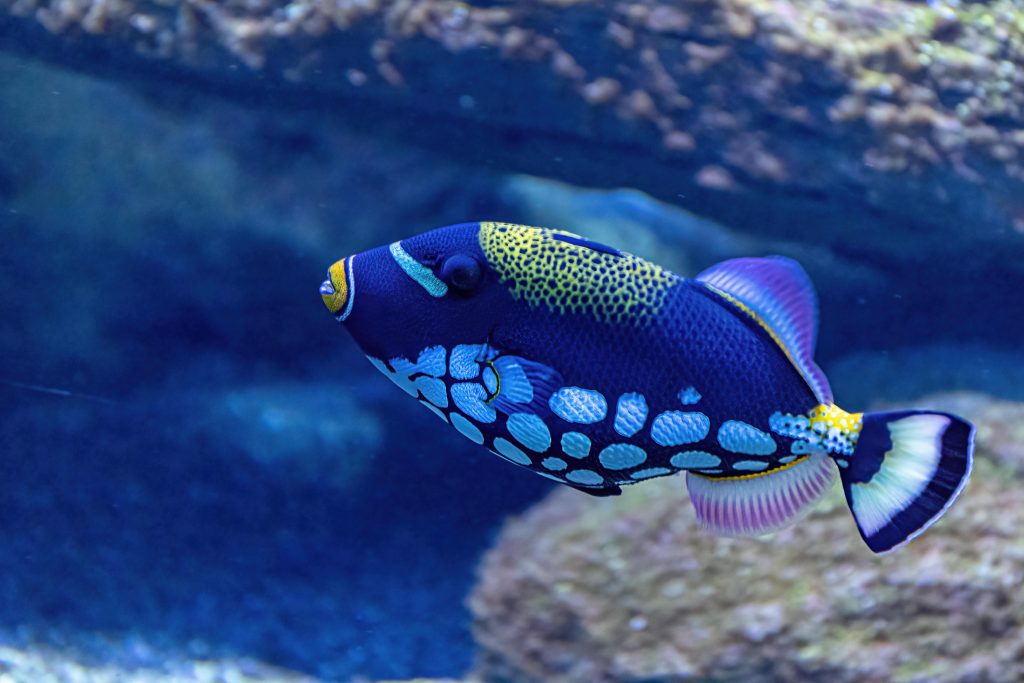
Clown Triggerfish (Balistoides Conspicillum)
Clown triggerfish are stunning but aggressive marine fish that need very large tanks, strong filtration, and careful tankmate…
[favorite_button]
My Bookmarks:
To see full list click here
[user_favorites user_id="" include_links="true" site_id="" post_types="" include_thumbnails="true" thumbnail_size="thumbnail" include_excerpt="false"]