

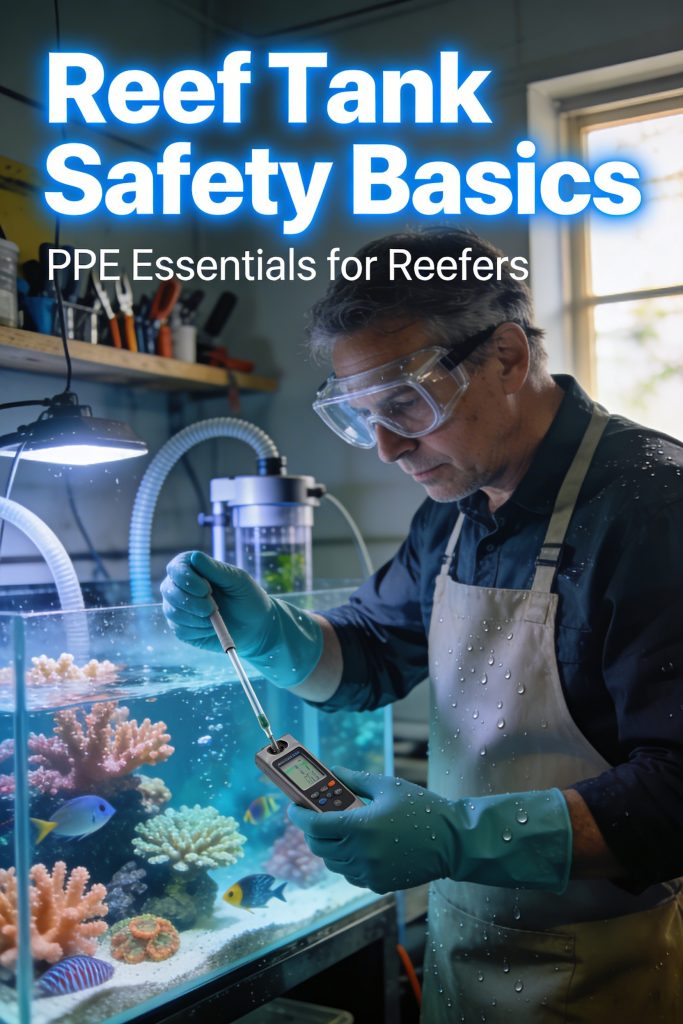
Reef tank safety starts with prevention. Protect yourself from electricity, saltwater spills, sharp tools, and livestock injuries. Build safe habits early, and routine maintenance becomes easier, cleaner, and far less stressful.
A reef aquarium is beautiful, but it mixes water, power, glass, chemicals, and living animals. That combination demands respect. Many beginner mistakes happen during simple tasks like water changes, fragging, or plugging in equipment. This guide covers the core safety basics every reef keeper should know. You will learn how to reduce electrical risks, handle saltwater safely, protect your floor and stand, avoid coral and fish injuries, store additives correctly, and create safer maintenance routines. Good safety habits protect your home, your livestock, and your hands.
Quick Reef Tank Safety Checklist
| Safety Area | Best Practice | Why It Matters |
|---|---|---|
| Electricity | Use drip loops and GFCI outlets | Reduces shock and fire risk |
| Water spills | Keep towels and a wet-safe container nearby | Prevents slips and floor damage |
| Chemicals | Label all additives and test kits | Avoids dosing mistakes |
| Livestock handling | Wear gloves when moving corals or rock | Protects from cuts and toxins |
| Tools | Rinse and dry tools after use | Prevents rust and contamination |
| Stand and floor | Check for leaks and salt creep weekly | Prevents structural damage |
| Children and pets | Secure lids, cords, and additives | Prevents accidents |
Use this checklist as your baseline. Most reef tank accidents are preventable. They usually come from rushing, poor cord management, or careless handling. A few simple habits make a huge difference over time.
Electrical Safety Comes First
Electricity is the biggest household risk around a reef tank. Saltwater conducts electricity very well. Even a small drip can become dangerous if it reaches a power strip or outlet. Every reef system should use drip loops on all cords. A drip loop hangs below the outlet before the cord rises back up. Water follows gravity and drips off the loop instead of entering the socket.
Use GFCI outlets or a GFCI power strip whenever possible. These devices shut power off when they detect a fault. That can prevent a serious shock. Mount power strips higher than the sump floor. Never place them where a skimmer overflow or leak can reach them. Keep cords organized and labeled. This helps during maintenance and emergencies. If you need to unplug equipment fast, you should know exactly which cord belongs to each device.
Inspect heaters, pumps, and lights often. Cracked heater tubes and worn pump cords are common hazards. Replace damaged equipment immediately. Do not try to patch electrical gear with tape. If something sparks, trips repeatedly, or feels hot, remove it from service.
Safe Water Change and Maintenance Habits
Most reef tank messes happen during maintenance. Water changes seem simple, but hoses slip, buckets overflow, and pumps run dry. Prepare your area before you start. Keep towels nearby. Use containers that are clearly marked for aquarium use only. Do not reuse buckets that held soap, paint, or garden chemicals.
Turn off return pumps and skimmers before draining water. This prevents dry running and overflow. If you use an auto top off, disable it during water changes. Otherwise, it may add fresh water while you remove saltwater. That mistake can lower salinity quickly. Keep the floor dry as you work. Saltwater is slippery and damaging. It can stain cabinets, warp flooring, and corrode metal fast.
After maintenance, wipe salt creep from cords, outlets, and stand surfaces. Salt creep holds moisture and spreads corrosion. Check unions, hoses, and bulkheads while the system is off. Small leaks often start slowly. Catching them early is much easier than dealing with a soaked cabinet later.
Protecting Yourself From Corals, Rock, and Livestock
Reef animals can injure you. Live rock is sharp. Bristleworms sting. Some fish have venomous spines. Many corals can irritate skin. Zoanthids deserve special caution because some may contain palytoxin. That toxin is rare but serious. Never boil rock or corals. Never scrub zoanthids with hot water. Avoid splashing coral slime into your eyes or mouth.
Wear reef-safe gloves when moving rock, corals, or equipment inside the tank. Gloves protect cuts and reduce contamination from lotions or soap residue on your hands. Eye protection is smart during fragging or scraping. Corals can squirt mucus unexpectedly. If you have cuts on your hands, avoid tank work until they are covered well. Saltwater and bacteria can irritate open skin.
Know your livestock before handling it. Foxfaces, lionfish, rabbitfish, and some urchins can injure careless hobbyists. Use specimen containers or fish bags instead of bare hands when possible. Slow, calm handling keeps both you and the animal safer.
Chemical and Additive Safety
Reef tanks often use supplements, test reagents, epoxy, medications, and cleaning products. Store all of them away from children and pets. Keep lids closed tightly. Label dosing containers clearly. Calcium, alkalinity, magnesium, and trace additives can look similar. A wrong dose can stress or kill livestock.
Never mix household cleaners with aquarium tools or buckets. Even tiny residues can harm fish and corals. Use dedicated measuring syringes and cups for reef products only. Rinse them with fresh water after use. Follow product instructions exactly. More is not better in a reef tank. Overdosing is one of the fastest ways to create a problem.
Test kit reagents also need care. Some contain acids or chemicals that should not contact skin or eyes. Wash your hands after testing. Dispose of old reagents responsibly. If you use kalkwasser, handle the powder carefully. It is very alkaline and can irritate skin and lungs. Avoid breathing dust, and keep the container sealed.
Aquarium Stand, Floor, and Room Safety
A reef tank is heavy. Very heavy. Water weighs about 8.34 pounds per gallon before rock and equipment. That means even a modest system puts major stress on a stand and floor. Always use a stand designed for the aquarium size. Check that it sits level. Uneven pressure can stress glass seams and increase leak risk.
Inspect the stand interior often. Look for swelling wood, rusting screws, salt buildup, and damp corners. These signs can point to hidden leaks. Place a leak detector near the sump if possible. It provides cheap insurance. Keep the area around the tank uncluttered. You need room to move safely during maintenance. Avoid balancing buckets on chairs or stretching hoses across walkways.
Ventilation matters too. Reef tanks add humidity to the room. Over time, that moisture can affect walls, outlets, and nearby furniture. Use a fan, open cabinet vents, or a dehumidifier if needed. A dry room is safer for both your home and your equipment.
Step-by-Step Safe Maintenance Routine
- Wash and dry your hands. Remove lotions or chemicals first.
- Gather towels, buckets, gloves, and tools before starting.
- Check the floor for hazards and clear your work area.
- Turn off equipment in a planned order. Label switches if needed.
- Use gloves for rock, coral, or deep tank work.
- Keep power strips dry and cords away from splashes.
- Measure additives carefully. Never guess a dose.
- Inspect hoses, pumps, and fittings while the system is off.
- Wipe up spills immediately. Remove salt creep before it hardens.
- Restart equipment and confirm normal operation before leaving.
This routine reduces mistakes. It also makes maintenance faster over time. Most experienced reef keepers follow a similar pattern. Consistency is part of safety.
Common Problems and How to Avoid Them
Why does my power strip keep getting salt buildup?
Salt creep usually comes from splashing, skimmer bubbles, or evaporating drips. Move the strip farther from the sump. Raise it higher. Add better drip loops. Wipe nearby cords weekly. Salt buildup is not just ugly. It increases corrosion and electrical risk.
What should I do if I get cut in the tank?
Stop working right away. Wash the cut with soap and clean water. Disinfect it and monitor for redness or swelling. Tank cuts can become infected. Seek medical advice if pain increases, if the wound is deep, or if you were stung by a venomous animal.
How do I prevent water on the floor during water changes?
Use secure hoses, stable containers, and a pump you trust. Never leave a filling bucket unattended. Mark fill lines on containers. Keep a towel under hose connections. Small habits prevent big messes.
Why is my cabinet starting to smell musty?
That usually means trapped moisture. Check for tiny leaks, overflowing skimmers, or poor airflow. Dry the cabinet fully. Remove salt creep. Improve ventilation with a small fan or vent opening. Moisture damage often starts before you see obvious water.
Compatibility Between Safety and Good Husbandry
Safe reef keeping also improves animal care. Stable cords, secure plumbing, and careful dosing create a more stable system. A tidy sump is easier to troubleshoot. Labeled containers reduce dosing errors. Gloves prevent contamination from soap, sunscreen, or skin oils. Safety and husbandry support each other.
This is especially true in mixed reefs. Corals react poorly to sudden changes caused by avoidable mistakes. Fish suffer when heaters fail or salinity swings after a sloppy water change. Good safety habits reduce these risks. They also make emergencies easier to manage. When equipment is organized, you can act quickly during a leak, outage, or overflow.
If you are still building your system, plan safety into the setup from the beginning. It is much easier to route cords, mount power strips, and organize additives before the tank is crowded with gear.
Frequently Asked Questions
Do I really need a GFCI for a reef tank?
Yes. A GFCI is one of the best safety upgrades you can make. It helps protect you from electric shock.
Should I wear gloves in my reef tank?
Yes, especially when handling corals, rock, or deep areas of the tank. Gloves protect both you and the aquarium.
Are reef additives dangerous?
Some can irritate skin or cause harm if misused. Store them safely, measure carefully, and follow directions.
What is the most common reef tank safety mistake?
Poor cord management is very common. Missing drip loops and low-mounted power strips create avoidable risk.
How often should I inspect my equipment for safety?
Do a quick visual check weekly. Inspect heaters, pumps, cords, and plumbing more closely during regular maintenance.
Final Thoughts
Reef tank safety is not complicated. It is about simple habits done consistently. Keep electricity dry. Handle livestock carefully. Store chemicals responsibly. Inspect your stand and equipment often. Slow down during maintenance. These basics protect your reef, your home, and your health for the long term.
For more help building a safer and more stable reef, read our guides on reef tank setup checklist, reef tank water parameters, how to mix saltwater for a reef tank, and reef tank maintenance schedule.
Was this helpful?
Related Posts
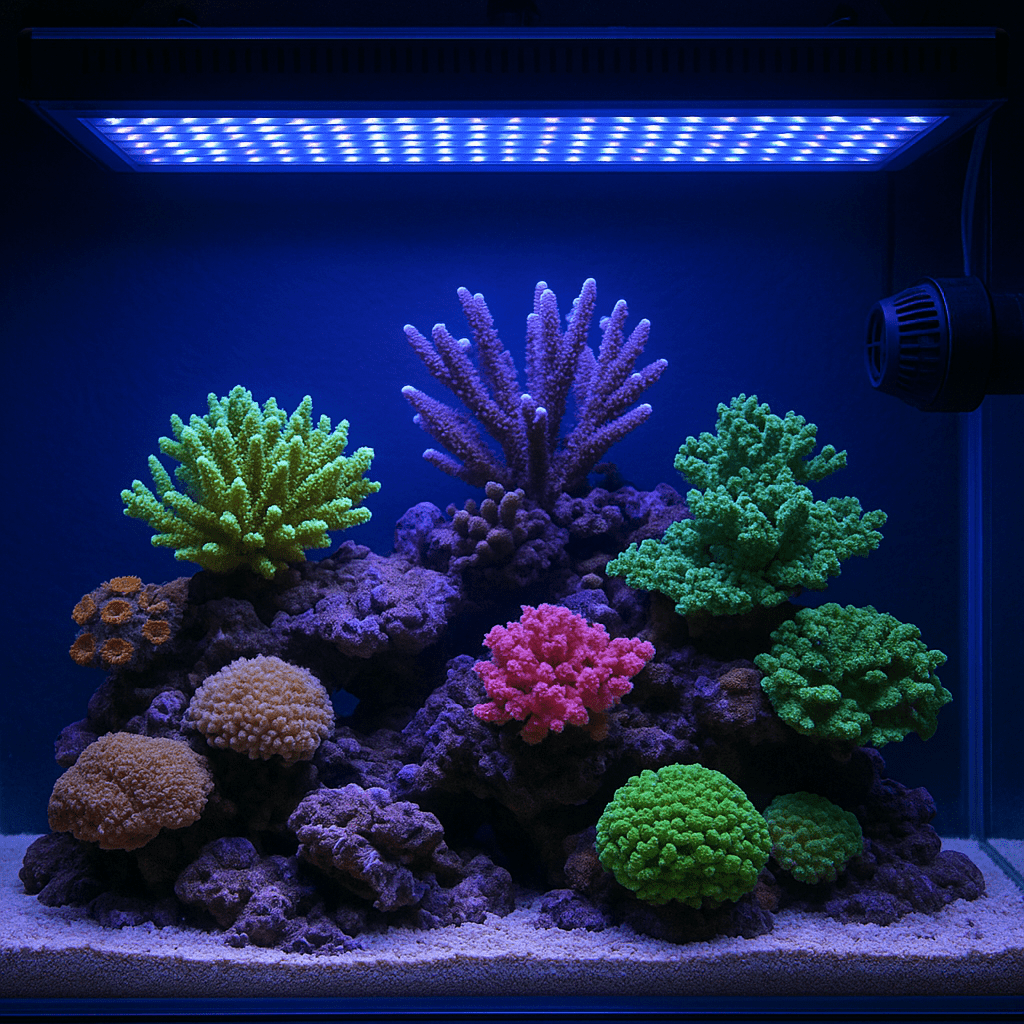
Reef Tank Basics
Learn reef tank basics, from setup and cycling to lighting, flow, and water chemistry, so your first reef…
 By
By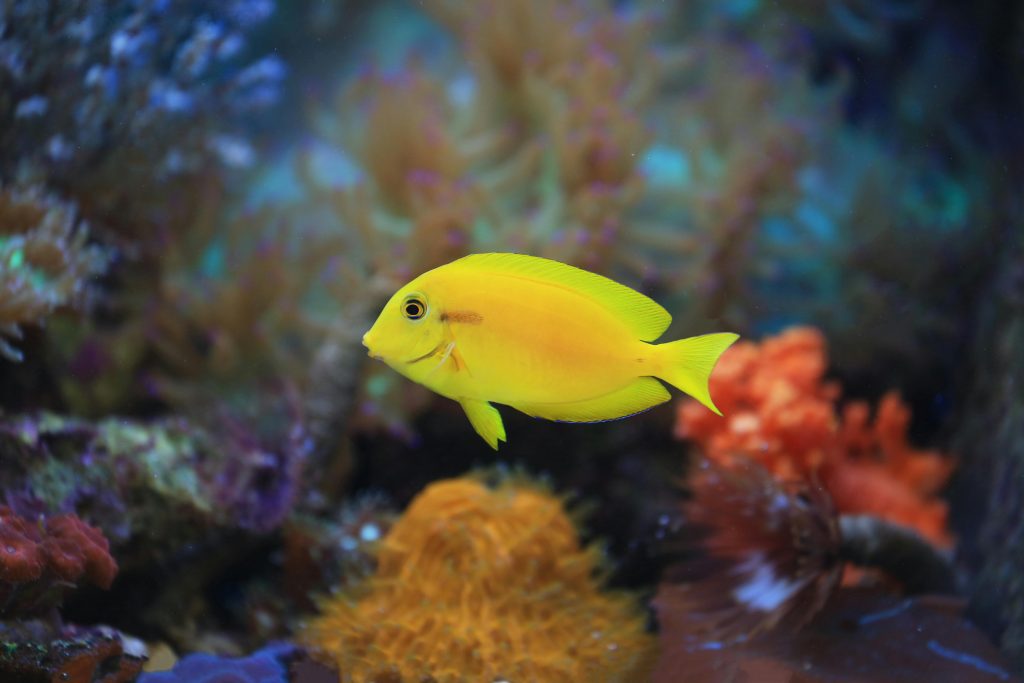
Juvenile Orange Shoulder (acanthurus Olivaceus)
Juvenile orange shoulder tangs are bright, hardy, and reef safe, but they grow large and need a spacious…
[favorite_button]
My Bookmarks:
To see full list click here
[user_favorites user_id="" include_links="true" site_id="" post_types="" include_thumbnails="true" thumbnail_size="thumbnail" include_excerpt="false"]