

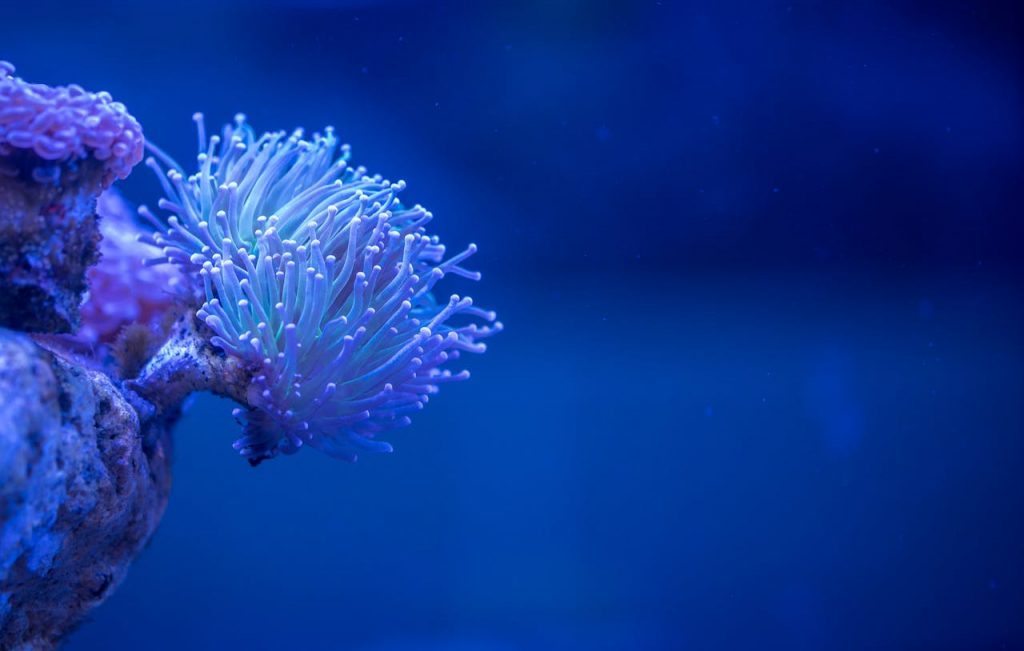
Clear reef tank water comes from balance, not quick fixes. Good mechanical filtration, stable chemistry, smart feeding, and regular maintenance all work together. When water turns cloudy, yellow, or hazy, the cause is usually traceable. The right fix depends on knowing what changed.
Many hobbyists chase crystal clear water with extra additives. That often misses the real issue. Water clarity reflects the health of the whole system. It can point to excess nutrients, bacterial blooms, weak flow, dirty filter media, or chemical buildup. In this guide, you will learn what causes poor reef tank water clarity, how to diagnose the problem, and which practical steps actually work. You will also learn how to keep your aquarium clear long term without stressing fish, corals, or beneficial bacteria.
Quick Reference Table
| Issue | Likely Cause | Common Signs | Best Fix |
|---|---|---|---|
| White cloudy water | Bacterial bloom | Milky haze, low visibility | Reduce feeding, improve aeration, wait for balance |
| Green water | Free-floating algae | Green tint, light penetration drops | Lower nutrients, shorten photoperiod, use UV sterilizer |
| Yellow water | Dissolved organics | Tea-colored tint, dull lighting | Run fresh carbon, improve skimming, water changes |
| Floating particles | Detritus or poor mechanical filtration | Specks in water column | Use filter socks, floss, stronger flow pattern |
| Sand storm haze | Excess flow on substrate | Dusty look after pumps ramp up | Redirect pumps, use coarser sand, lower flow near bottom |
This table helps you narrow the problem fast. Most clarity issues have a visible pattern. Once you match the look of the water to the likely cause, the solution becomes much easier. Avoid changing many things at once. Make one correction, then watch the tank for several days. Reef systems often need time to stabilize after any change.
What Good Water Clarity Really Means
Clear water is more than a cosmetic goal. It affects light penetration, gas exchange, and your ability to spot problems early. Corals rely on stable light levels. Yellow or cloudy water can reduce usable light. That matters even when your fixtures seem strong.
Water clarity also tells you how efficiently your system removes waste. A mature reef should look crisp from end to end. Some fine particles are normal after feeding or cleaning. Constant haze is not. If the tank never looks fully clear, something is adding waste faster than filtration removes it.
Clarity should be judged under white lighting. Blue-only lighting can hide yellow water and suspended particles. Check the tank during the day with return pumps running. Look through the front and side panels. That gives a better sense of how much material is suspended in the water column.
Main Causes of Poor Reef Tank Water Clarity
Most reef tanks lose clarity for a few common reasons. The first is suspended waste. This includes detritus, uneaten food, sand dust, and fine debris from rockwork. Weak mechanical filtration lets these particles remain in circulation.
The second cause is dissolved organics. These are invisible at first. Over time, they tint the water yellow. Heavy feeding, dying algae, and dirty filter media all contribute. Protein skimmers remove some of this load, but not all of it.
The third cause is microbial imbalance. Bacterial blooms often follow overfeeding, carbon dosing mistakes, or a young tank maturing. These blooms can make water look milky. They may also lower oxygen at night.
Algae can also cloud water. Green water is less common in reefs than in freshwater tanks, but it happens. It usually follows high nutrients, long light periods, and weak export. Finally, poor maintenance can create a constant cycle of dirty water. Full filter socks, neglected sumps, and trapped detritus all reduce clarity.
Step-by-Step Diagnosis Guide
Start by observing the color of the haze. White or gray haze often points to bacteria or fine particles. Green suggests algae. Yellow usually means dissolved organics. This first step saves time.
Next, ask what changed recently. Did you add sand, dose bacteria, increase feeding, clean pumps, or change filter media? Water clarity problems often begin after a specific event. New tanks commonly go cloudy during early bacterial growth.
Then inspect mechanical filtration. Check filter socks, floss, roller mats, and skimmer performance. A clogged sock can overflow debris back into the system. A weak skimmer may leave organics behind. Also inspect return flow and powerhead placement. Dead spots allow detritus to settle and later blow loose.
Finally, test core parameters. Check nitrate, phosphate, alkalinity, salinity, and temperature. If possible, measure dissolved oxygen during a bloom. Stable chemistry supports clear water. Big swings often stress bacteria, fish, and corals. For help with nutrient balance, see reef tank water parameters and how to lower nitrates in a reef tank.
Mechanical Filtration and Water Polishing
Mechanical filtration is the first line of defense for clear water. Filter socks, floss, and roller mats trap suspended particles before they break down. The key is frequent replacement. Dirty media becomes a nutrient source if left too long.
Fine filter floss can polish water very well. It works best when used for short periods and changed often. Roller mats offer more consistency. They remove waste before it dissolves. This helps both clarity and nutrient control.
Flow matters just as much. Detritus must stay suspended long enough to reach the overflow. If debris settles behind rocks, it will keep returning. Adjust pumps so waste moves toward filtration without blasting coral tissue or creating sand storms.
Some hobbyists use polishing pads after aquascaping or heavy maintenance. That is useful, but it should not replace routine husbandry. If your water only looks clear after emergency polishing, the system likely needs better export or less waste input.
Activated Carbon, Skimming, and Chemical Filtration
Activated carbon is one of the best tools for reef tank water clarity. It removes dissolved organics that cause yellowing. It can also reduce toxins released by corals. Fresh carbon often makes old tank water look brighter within a day or two.
Use a quality reef-safe carbon. Rinse it well before use. Run it in a media bag with good flow or in a reactor with gentle tumble. Replace it on a schedule. Exhausted carbon stops helping. Too much flow can grind it and release dust.
A protein skimmer complements carbon well. It removes organics before they break down into nitrate and phosphate. A properly tuned skimmer also improves oxygenation. That matters during bacterial blooms and heavy feeding periods.
If you run ozone or UV, use them carefully. UV can improve clarity when free-floating algae or bacteria are the issue. It does not fix the root cause alone. Carbon and skimming remain the more common long-term tools in most home reef systems.
Feeding, Nutrients, and Biological Balance
Overfeeding is a major reason reef water loses clarity. Extra food becomes particles, dissolved waste, and bacterial fuel. Fish should eat eagerly, but food should not drift into rocks and overflows. Target feeding corals can also add hidden waste if done too often.
Feed smaller portions more consistently. Rinse frozen foods if they release heavy juices. Turn off pumps only as long as needed. Then restore flow so leftovers reach filtration. This simple habit keeps many tanks clearer.
Nutrient balance matters too. Very high nitrate and phosphate can fuel algae and bacterial instability. Very low nutrients can also create problems if corals are stressed and biology becomes inconsistent. Aim for stable, reasonable levels rather than chasing zero.
Healthy live rock, sand, and bio-media support clear water over time. They host microbes that process waste. Sudden deep cleaning of all biological surfaces can disrupt that balance. Clean in sections. Give the system time to recover after major maintenance.
Common Problems
Why is my reef tank cloudy after a water change?
This often comes from fine bubbles, disturbed detritus, or poorly mixed saltwater. Check that new water was fully mixed, heated, and aerated. Inspect the return section for microbubbles. If sand was disturbed, the haze should settle or filter out within hours.
Why does my reef tank look yellow?
Yellow water usually means dissolved organic compounds are building up. Common causes include old carbon, weak skimming, heavy feeding, and decaying algae. Run fresh carbon and perform a water change. Clean the skimmer cup and neck. Remove trapped detritus from the sump.
How do I fix a bacterial bloom?
Reduce feeding first. Stop unnecessary additives. Increase surface agitation and skimming for oxygen. Do not panic and sterilize the whole tank. Many blooms clear as the biology rebalances. If fish show respiratory stress, add aeration immediately and consider UV support.
Why are particles always floating in my tank?
This usually points to weak mechanical filtration or poor flow layout. Replace socks or floss more often. Aim pumps to lift waste from dead zones. Clean return nozzles and powerheads. If the substrate is too fine, reduce bottom flow to prevent constant suspension.
Can cloudy water hurt corals?
Yes, depending on the cause. Bacterial blooms can reduce oxygen. Yellow water can reduce light. Heavy particles can settle on coral tissue. Short-term haze is often harmless. Persistent poor clarity should be corrected before it affects coral color, polyp extension, or fish health.
Long-Term Maintenance for Crystal Clear Water
The best clarity comes from routine habits. Change or wash mechanical media often. Empty and tune the skimmer regularly. Siphon detritus from the sump and low-flow areas. Replace carbon on schedule. Keep pumps clean so flow stays consistent.
Feed with intention. Stock the tank reasonably. Avoid adding bottled products unless you know their purpose. Test nutrients and watch trends. Stability is more important than chasing perfect numbers. A clear tank is usually a stable tank.
It also helps to review your full filtration plan every few months. As corals grow, flow paths change. As fish grow, waste increases. Equipment that worked on a new tank may become undersized later. For broader setup guidance, read reef tank filtration guide, best protein skimmer for reef tank, and reef tank maintenance schedule.
If you stay consistent, clarity becomes easy to maintain. Most tanks do not need miracle products. They need balanced feeding, strong export, stable biology, and patient observation. That approach keeps the water clear and the reef healthier overall.
Frequently Asked Questions
How clear should a reef tank be?
You should be able to see sharply from one end to the other. Minor particles after feeding are normal. Constant haze is not.
Does carbon make reef tank water clearer?
Yes. Carbon removes dissolved organics that cause yellowing and dull water. It works best with good skimming and regular replacement.
Will UV sterilizer clear cloudy reef water?
It can help if the cloudiness comes from free-floating algae or bacteria. It will not remove detritus or fix overfeeding.
How often should I change filter floss?
Usually every few days, or sooner if it looks dirty. Old floss traps waste, then releases nutrients back into the water.
Can new tank syndrome cause cloudy water?
Yes. New reef tanks often go through bacterial blooms as the biofilter matures. This usually improves with time and stable husbandry.
Was this helpful?
Related Posts
Reef Alkalinity and Calcium Guide
Learn the ideal reef alkalinity and calcium ranges, how they interact, and how to test, dose, and troubleshoot…
 By
ByReef Tank Basics
Learn reef tank basics, from setup and cycling to lighting, flow, and water chemistry, so your first reef…
[favorite_button]
My Bookmarks:
To see full list click here
[user_favorites user_id="" include_links="true" site_id="" post_types="" include_thumbnails="true" thumbnail_size="thumbnail" include_excerpt="false"]