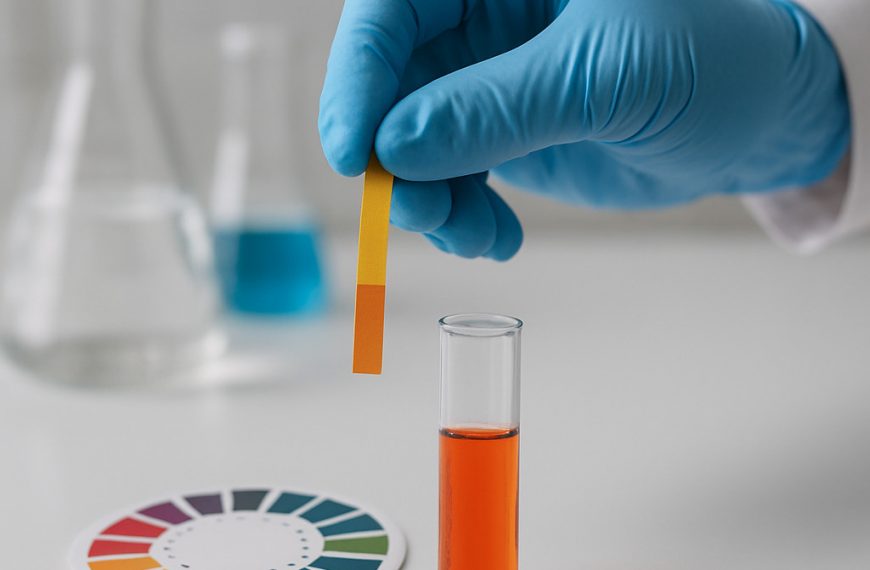
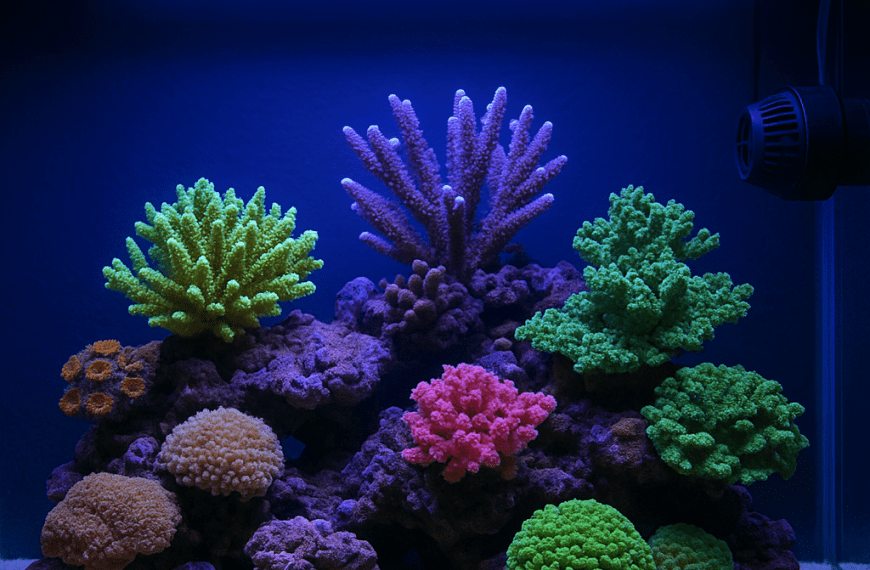
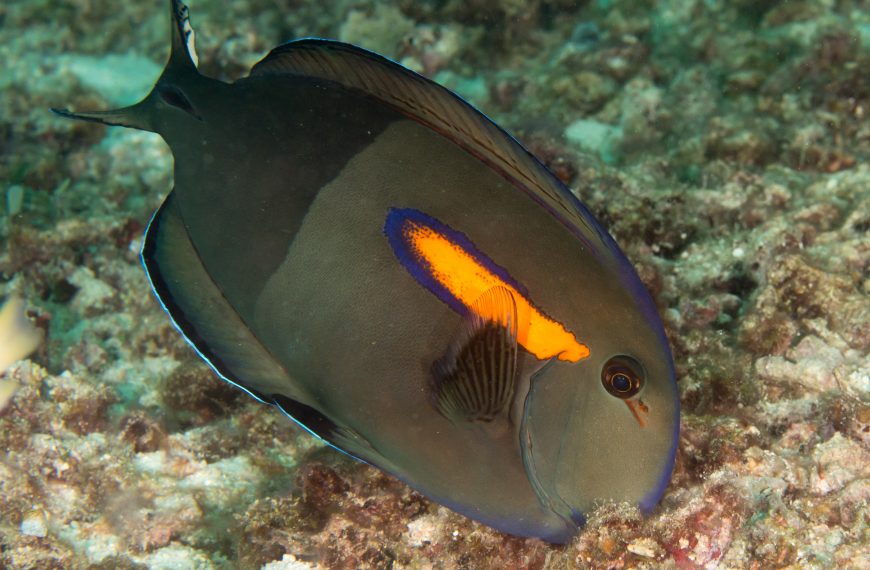
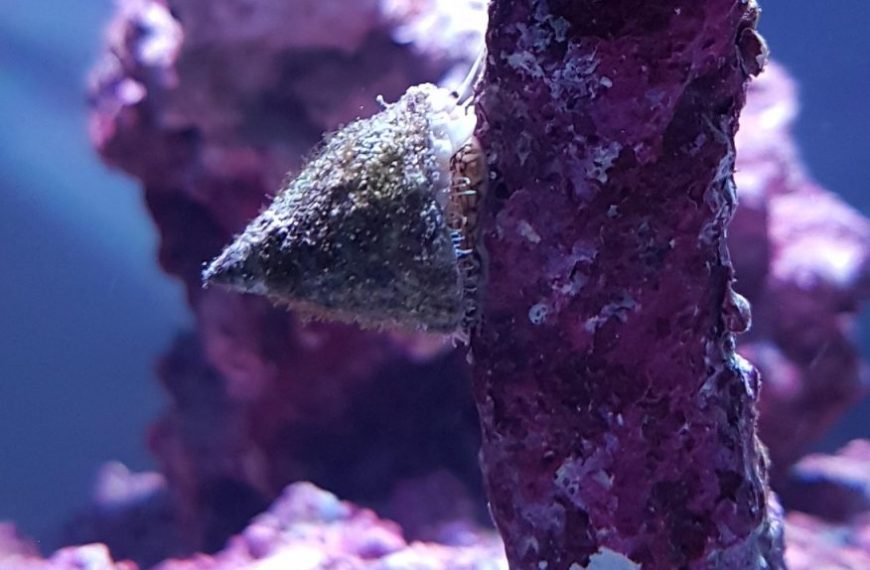
Dialing in your reef tank water parameters is the single biggest key to colorful corals, healthy fish, and long-term success. You don’t need lab-grade precision, but you do need consistency and a clear target range. This guide walks you through the most important reef tank parameters, what numbers to aim for, and how to keep everything stable over time.
Core Reef Tank Water Parameters (and Target Ranges)
These are the parameters every reef keeper should monitor regularly, especially in tanks with stony corals or clams.
Salinity & Temperature
- Salinity: 1.025–1.026 specific gravity (35 ppt)
- Temperature: 77–79°F (25–26°C)
Use a reliable refractometer and calibrate it occasionally. Sudden swings in salinity—often from topping off with saltwater instead of fresh water—stress fish and corals quickly.
Alkalinity, Calcium & Magnesium
- Alkalinity: 7.5–9.0 dKH (pick a number and stick close to it)
- Calcium: 400–450 ppm
- Magnesium: 1250–1400 ppm
These three work together to build coral skeletons. If you’re starting to keep more demanding corals, consider a dosing regimen. Many hobbyists pair this with a simple schedule like the one discussed in our Beginner Reef Tank Setup guide.
Nutrients: Nitrate & Phosphate
- Nitrate (NO3): 5–15 ppm for mixed reefs
- Phosphate (PO4): 0.03–0.10 ppm
Ultra-low nutrients can be just as harmful as high nutrients. Corals need a little “fuel” in the water. Aim for stable, modest levels rather than zero readings. If your numbers keep creeping up, review your feeding habits and export methods, like refugiums or skimmers, as covered in our Reef Tank Filtration Guide.
Testing, Adjusting, and Keeping Things Stable
Knowing your target ranges is only half the story. The real success comes from how you test and adjust.
How Often Should You Test?
- New tanks (first 3–6 months): Test 2–3 times per week for salinity, alkalinity, calcium, nitrate, and phosphate.
- Established tanks: Once weekly is usually enough, unless you’re troubleshooting.
- After changes: Test within 24 hours of big events like adding new livestock, changing salt brands, or adjusting your dosing schedule.
Practical Tips for Stable Parameters
- Automate top-off: An auto top-off (ATO) system keeps salinity far more stable than manual top-offs.
- Small, regular water changes: 10–15% every 1–2 weeks helps maintain trace elements and correct minor imbalances.
- Change slowly: Never raise or lower alkalinity, salinity, or temperature too quickly. Aim for gradual shifts over days, not hours.
- Use consistent salt mix: Switching brands frequently can cause swings in alkalinity and calcium.
Tip: Keep a simple log (notebook or app) of your test results. Patterns over time are more useful than any single reading.
Putting It All Together
Reef tanks thrive on stability more than perfection. If your salinity, temperature, alkalinity, calcium, magnesium, nitrate, and phosphate stay within reasonable, consistent ranges, your corals will reward you with growth and color. As your system matures, you can fine-tune your targets based on coral response and your maintenance style.
For help planning your system around these parameters, take a look at our Reef Tank Maintenance Schedule so you can build testing and water changes into your routine from day one. With a steady hand and a little patience, your reef can become a stable, vibrant ecosystem for years to come.
Sources
- Holmes-Farley, R. (2002–2015). Reef chemistry articles, Reefkeeping Magazine.
- Borneman, E. (2001). Aquarium Corals: Selection, Husbandry, and Natural History.
- Sprung, J., & Delbeek, J. (1994–2005). The Reef Aquarium, Vol. 1–3.
 By
By