

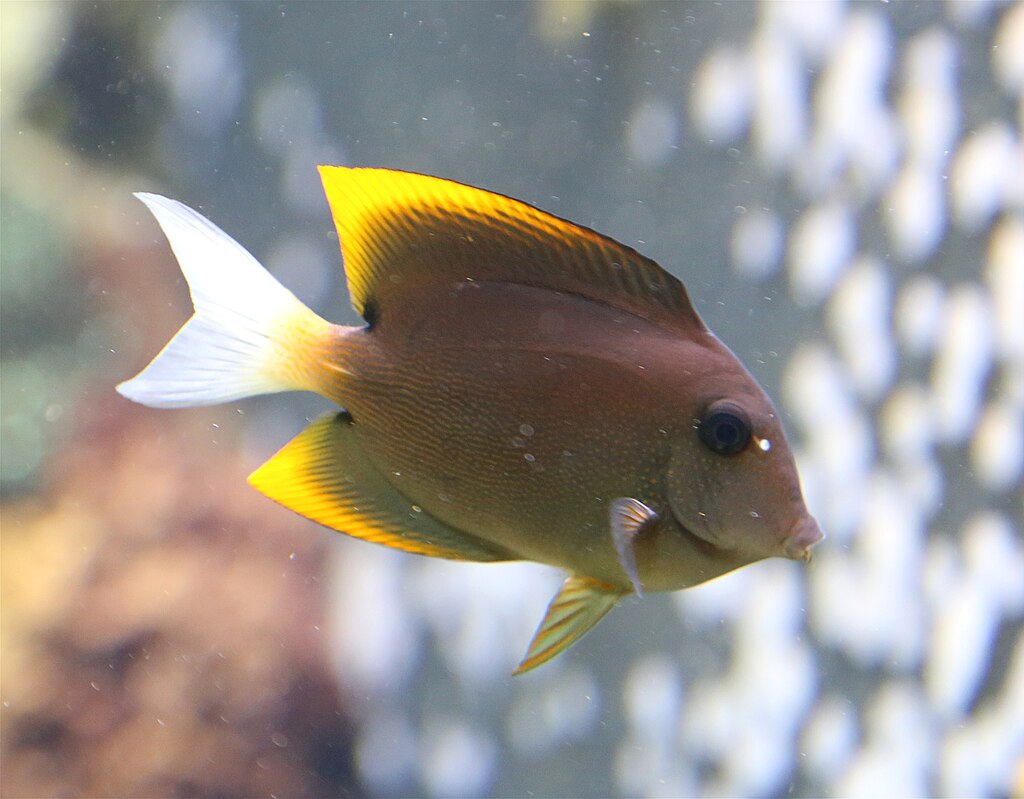
The sailfin tang and the Desjardini tang look similar at first glance. Both are stunning show fish with huge fins and bold striping. The main difference is origin and pattern. The Desjardini usually shows more spots and stronger facial markings. Care is nearly identical, so your favorite often comes down to looks, availability, and budget.
These tangs are dream fish for many reef keepers. They are active, intelligent, and impossible to ignore once settled in. They also grow large and need thoughtful planning. In this guide, you will learn how to tell them apart, what tank size they really need, how to feed them well, and how to avoid the common mistakes that cause stress or aggression. If you are deciding between the two, this article will help you choose the right fish for your reef and keep it thriving long term.
Quick Reference Table
| Common names | Sailfin Tang, Desjardini Tang |
| Scientific names | Zebrasoma veliferum, Zebrasoma desjardinii |
| Family | Acanthuridae |
| Adult size | Up to 15 inches in captivity for large adults |
| Minimum tank size | 180 gallons for long-term care |
| Temperament | Semi-aggressive, especially toward other tangs |
| Diet | Herbivore with omnivorous tendencies |
| Reef safe | Usually yes, with caution around fleshy corals if underfed |
| Lighting | No special demand beyond reef tank norms |
| Flow | Moderate to strong, with open swimming lanes |
| Difficulty | Moderate |
| Best for | Large reef tanks with stable water quality |
Sailfin Tang vs Desjardini Tang
These fish belong to the same genus. They share the classic disk-shaped body and tall fins of Zebrasoma tangs. Juveniles can look very close in stores. That is why many hobbyists confuse them.
The sailfin tang, Zebrasoma veliferum, usually has cleaner vertical banding. Its body often looks more striped than spotted. The Desjardini tang, Zebrasoma desjardinii, often shows extra speckling across the body and fins. It also tends to have a busier face pattern. Mature Desjardinis often look more ornate.
In practical reef care, there is little difference. Both need large tanks. Both graze algae all day. Both can become territorial with age. Both also become centerpiece fish with impressive finnage. If you are choosing strictly on husbandry, treat them the same. If you are choosing with your eyes, pick the pattern that grabs you every time you walk past the tank.
Natural Habitat
The sailfin tang is found across the Indo-Pacific. It is common around reef slopes, lagoons, and coastal reef flats. The Desjardini tang is associated more with the Red Sea and western Indian Ocean. Both species live in bright, oxygen-rich waters with abundant algae growth.
In nature, they spend much of the day grazing surfaces. They pick at filamentous algae, detritus, and biofilm. Juveniles often stay in shallower protected areas. Adults move through wider territories and use reef structure for shelter.
This matters in captivity. These fish are built for movement and constant foraging. They do not thrive in cramped tanks or bare aquascapes. A healthy captive setup should offer open swimming space, mature rock surfaces, and strong oxygen exchange. When you copy those basics, these tangs settle faster and show more natural behavior.
Aquarium Setup
A juvenile may look comfortable in a smaller tank. Do not plan around the juvenile size. Plan for the adult. A 180-gallon tank is the realistic minimum for long-term care. Bigger is better. Tank length matters more than height. These fish need room to cruise and turn.
Build aquascape with two goals in mind. First, create broad swimming lanes. Second, provide caves and shaded retreats. Avoid packing the tank wall to wall with rock. That steals swimming space and can increase territorial behavior.
Use a mature reef with stable salinity, temperature, and pH. Keep nitrate and phosphate controlled, but do not chase sterile water. These tangs appreciate natural grazing opportunities. Good surface agitation is important. Strong aeration helps support their high activity level. If you are still planning your system, read our guides on reef tank setup basics and live rock aquascaping tips.
Lighting Requirements
These tangs do not need species-specific lighting. They adapt well to standard reef lighting. The real concern is how your lighting supports the whole system. Stable day and night cycles reduce stress. Bright lighting also encourages some algae growth on rock, which gives them natural grazing options.
If your reef is coral-heavy, set lighting for the corals first. The tang will be fine as long as there are shaded areas to retreat into. Sudden lighting changes can make new tangs skittish. Use ramp-up and ramp-down periods if possible. This helps fish adjust to the daily schedule.
Fish that feel exposed often pace the glass or hide excessively. A balanced aquascape fixes this better than dimming the lights. Give them overhangs, caves, and open lanes. That combination helps them feel secure while still encouraging active daytime swimming.
Water Flow
Moderate to strong flow works best. In the wild, both species live in areas with constant water movement. Good flow keeps oxygen high and waste suspended for filtration. It also supports overall reef health.
Avoid creating one nonstop blast zone. Instead, create varied flow. Let the fish move between higher and lower energy areas. They often enjoy swimming into current, then gliding into calmer spaces. Random flow patterns work well in large mixed reefs.
If your tang spends all day pinned in one corner, review pump placement. The issue may be excessive direct flow, not weak flow. Also check oxygen levels if the fish breathes heavily. Poor gas exchange can mimic other stress signs. Our article on reef tank water flow can help you fine-tune circulation.
Feeding
Both fish are heavy grazers. They need plant matter every day. Dried nori should be a staple. Offer it on a clip once or twice daily. Remove leftovers before they foul the water. Rotate with spirulina foods, high-quality herbivore pellets, and frozen blends that include marine algae.
They also benefit from some protein. Mysis shrimp, brine enriched with vitamins, and quality frozen omnivore mixes are useful additions. The key is balance. Too much rich food and too little algae can lead to poor digestive health and excess waste. Too little variety can weaken the immune system.
Feed smaller portions more often when possible. This matches their natural grazing behavior. Well-fed tangs are usually less aggressive. They are also less likely to nip at fleshy LPS corals or clam mantles out of hunger. For nutrition support, see our guide to the best food for reef fish.
Compatibility
These tangs are generally reef safe. Most ignore corals and mobile invertebrates. Problems usually start when the fish is underfed, crowded, or stressed. In those cases, occasional nipping can happen. It is not the norm, but it is possible.
The bigger issue is fish aggression. Sailfin and Desjardini tangs can be pushy with other tangs, especially similar body shapes. They may also chase new herbivores added after them. Introduce tankmates carefully. Add the sailfin-type tang later in the stocking order when possible. Use acclimation boxes if needed.
They usually do well with wrasses, clownfish, gobies, anthias, and many reef-safe angels in large systems. Avoid mixing with multiple aggressive surgeonfish in undersized tanks. Space and line-of-sight breaks matter. If you want a peaceful community, keep stocking moderate and feeding consistent.
Step-by-Step Guide to Choosing Your Favorite
Step 1: Check your tank size honestly. If your tank is under 180 gallons, wait. These fish outgrow small systems faster than many expect.
Step 2: Compare adult patterns, not juvenile looks. Juveniles are cute, but adults are the real investment. Study photos of mature specimens.
Step 3: Ask about collection origin. Stores sometimes label them loosely. A trusted source helps you buy the fish you actually want.
Step 4: Watch the fish eat. A healthy specimen should show interest in nori or prepared foods. Avoid fish with pinched bellies.
Step 5: Inspect fins, eyes, and skin. Look for clear eyes, full finnage, and no white spots, haze, or frayed edges.
Step 6: Quarantine before display. These tangs are prone to external parasites. A proper quarantine period protects your reef.
Step 7: Pick the one that excites you most. Since care is so similar, visual preference is a fair final tiebreaker.
Common Problems
White spots or flashing
Tangs are famous for showing ich and other parasites early. Stress makes this worse. New arrivals are especially vulnerable. Quarantine is your best defense. Maintain stable salinity and avoid sudden temperature swings. If symptoms appear in display, act quickly and follow a proven treatment plan outside the reef tank.
Aggression toward tankmates
This often comes from tight quarters, poor aquascape, or competition for food. Increase feeding frequency with algae-based foods. Rearrange rock if one fish controls the whole tank. Add mirrors temporarily in some cases. In severe cases, one fish may need rehoming.
Faded color or pinched belly
Underfeeding is the first suspect. Internal parasites are another possibility. Offer more algae, varied frozen foods, and vitamin-soaked meals. Observe stool and feeding response. If weight loss continues, move the fish for closer treatment and monitoring.
Nipping at corals
This is often hunger or boredom. Increase access to nori and natural grazing surfaces. Review stocking pressure and stress. Most individuals stop once their diet and environment improve.
Frequently Asked Questions
Which is more expensive, sailfin or Desjardini tang?
The Desjardini tang is often priced higher. Availability and collection source affect cost. Local demand also matters.
Are sailfin and Desjardini tangs reef safe?
Usually yes. Most are good reef citizens. Rare individuals may nip fleshy corals if underfed or stressed.
Can I keep one in a 125-gallon tank?
A small juvenile may fit short term, but it is not ideal long term. A 180-gallon tank is the better minimum.
Do they get along with yellow tangs?
Sometimes, in large tanks with careful introductions. There is still risk because both are tangs and can be territorial.
Which one should I choose?
Choose the pattern you love most. Husbandry is nearly the same. If you want a more ornate look, many hobbyists prefer the Desjardini. If you like cleaner striping, the sailfin tang is a classic favorite.
In the end, this is not a battle with a wrong answer. Both fish are spectacular. Both need serious space and stable care. Both reward good husbandry with years of movement, color, and personality. If your tank is large enough, your quarantine plan is solid, and your feeding routine is consistent, either one can become the highlight of your reef.
Was this helpful?
Related Posts
Kenya Tree Corals
Kenya Tree corals are hardy soft corals with easy care, moderate light needs, and fast growth. Learn placement,…
 By
By
Rhodactis Mushrooms Care
Rhodactis mushrooms are hardy reef corals that prefer low to moderate light, gentle flow, and stable water. Learn…
[favorite_button]
My Bookmarks:
To see full list click here
[user_favorites user_id="" include_links="true" site_id="" post_types="" include_thumbnails="true" thumbnail_size="thumbnail" include_excerpt="false"]