


The Sargassum Triggerfish, Xanthichthys ringens, is one of the most reef-safe triggerfish available. It stays more peaceful than many trigger species and adapts well to large marine aquariums. This fish still needs space, strong filtration, and a thoughtful stocking plan. In this guide, you will learn about tank size, diet, compatibility, behavior, and common care mistakes.
Many hobbyists love triggerfish but avoid them in reef tanks. That concern is valid with many species. The Sargassum Triggerfish is different. It belongs to a group of planktivorous triggers that spend much of their time in open water. They are less likely to rearrange rockwork or attack corals than more aggressive bottom-oriented triggers. Even so, they are not a beginner fish for small systems. They need stable water quality, excellent oxygenation, and enough swimming room to feel secure. If you want a triggerfish with bold personality and better reef compatibility, this species deserves a serious look.
Quick Reference Care Table
| Common name | Sargassum Triggerfish |
| Scientific name | Xanthichthys ringens |
| Care level | Moderate |
| Temperament | Semi-aggressive |
| Adult size | Up to 10 inches |
| Minimum tank size | 180 gallons |
| Diet | Meaty foods and planktonic fare |
| Reef safe | Usually with caution |
| Temperature | 74 to 80°F |
| Salinity | 1.024 to 1.026 |
| pH | 8.1 to 8.4 |
| Nitrate | Preferably under 20 ppm |
This table gives a fast overview, but long-term success depends on more than numbers. Tank maturity matters. Aquascape matters. Feeding frequency matters. A healthy Sargassum Triggerfish is active, alert, and often visible in the water column. A stressed specimen may hide, breathe heavily, or refuse food.
Natural Habitat
The Sargassum Triggerfish comes from the western Atlantic. It is found in tropical and subtropical waters. This species is associated with outer reef areas and open water zones near drop-offs. Juveniles may shelter among floating algae mats, including sargassum, which inspired the common name. Adults often cruise above reefs and feed on plankton and drifting prey.
This natural behavior explains much of their aquarium care. They are not heavy rock pickers like some triggerfish. They prefer room to swim. They also appreciate strong water movement and high oxygen levels. In nature, they live in cleaner, well-circulated water. Replicating that environment in captivity improves feeding response and reduces stress. Their open-water lifestyle also means they need more horizontal swimming space than many similarly sized fish.
Aquarium Setup
A 180-gallon tank is the practical minimum for a single adult. Bigger is better. A 220-gallon or larger tank gives better swimming space and more stable water quality. Choose an aquarium with strong surface agitation and a secure lid. Triggerfish are powerful swimmers and can jump when startled.
Build an aquascape with open lanes and a few sturdy caves. Avoid packing the tank with dense rock walls. This species spends much of its time in open water. It still needs retreat zones at night and during acclimation. Make sure all rock structures are stable. Triggerfish can wedge themselves into tight spots when resting. Use a mature biological filter, an oversized protein skimmer, and strong mechanical filtration. These fish are active feeders and produce significant waste.
If you are planning a full reef display, keep delicate ornamental shrimp with caution. Corals are usually ignored, but mobile invertebrates may tempt some individuals. You can learn more about reef tank setup and protein skimmer selection before adding this species.
Lighting Requirements
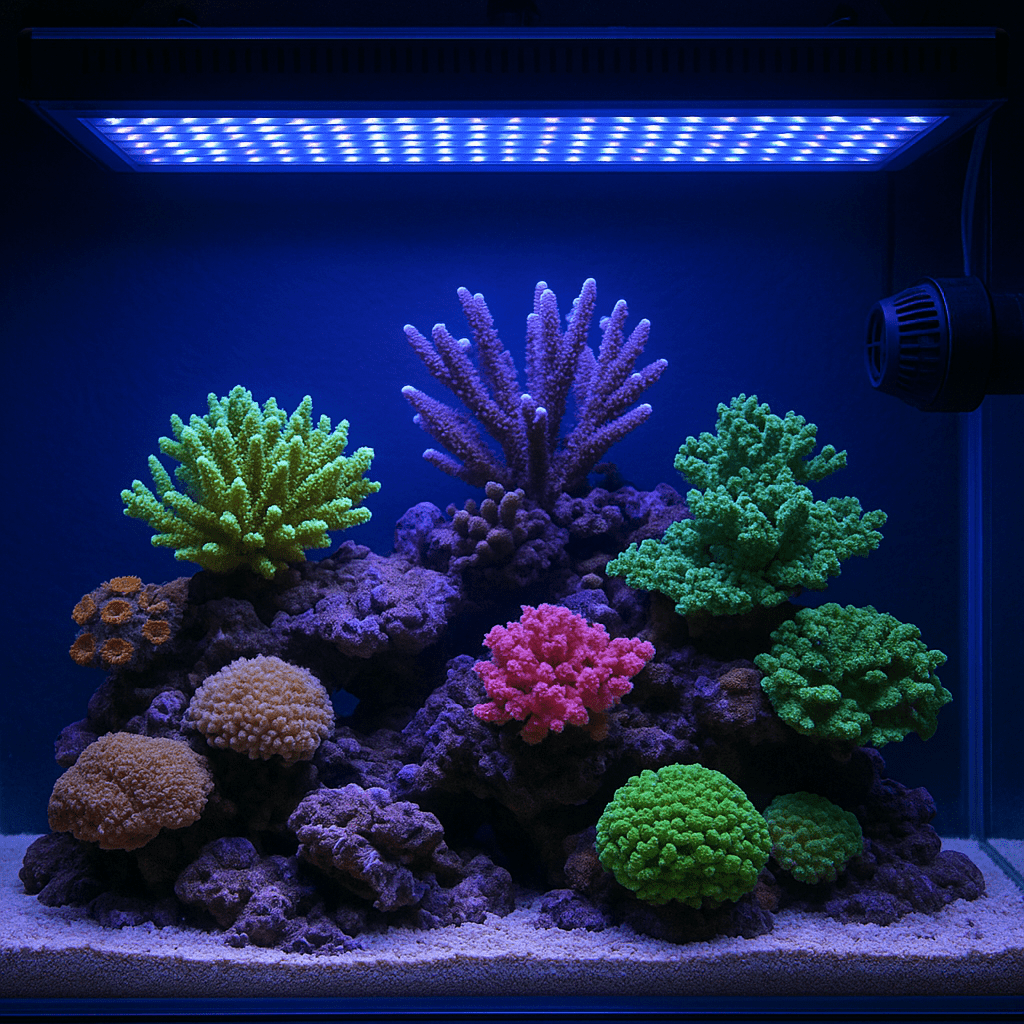
The Sargassum Triggerfish does not need specialized lighting. Lighting should be chosen for the tank’s corals and overall display goals. In a fish-only system, moderate lighting works well. In a reef tank, provide the light your corals require and let the trigger adapt to that schedule.
What matters more is a stable day and night rhythm. Sudden light changes can startle triggerfish. Use ramping LEDs if possible. This reduces panic dashes at dawn and dusk. If the fish is new, dimmer lighting during the first few days can help it settle in. Once acclimated, this species usually becomes bold and visible under normal reef lighting. Their blue-green body and yellow accents often look best under balanced spectrum lighting rather than overly blue settings.
Water Flow
Strong, varied flow suits this species well. In the wild, it lives in well-oxygenated areas with constant movement. Aim for brisk circulation without creating one harsh blast zone. Use multiple pumps to create broad, turbulent flow across the tank.
Good flow supports gas exchange and keeps waste suspended for filtration. It also encourages natural swimming behavior. Watch how the fish uses the water column. A comfortable Sargassum Triggerfish will glide in open areas and rest in sheltered spots when needed. If it constantly avoids one side of the tank, your flow may be too direct. Surface movement is especially important. These active fish consume oxygen quickly, especially in warm water. If your tank runs heavily stocked, add extra aeration and review your reef tank water parameters often.
Feeding
The Sargassum Triggerfish is a planktivore with a strong appetite. Feed a varied meaty diet at least twice daily. Good options include mysis shrimp, krill, chopped clam, finely chopped shrimp, squid, and high-quality frozen blends. Many specimens also accept pellets once settled.
Variety is important. It prevents nutritional gaps and keeps the fish interested in food. Avoid relying on one item, especially large krill. That can lead to poor nutrition over time. Offer smaller portions more often rather than one large feeding. This better matches their active metabolism. Soak foods in vitamins once or twice weekly if needed. A healthy fish will rush to food, eat aggressively, and maintain a full body shape. A thin fish with a pinched belly needs prompt attention. If your specimen refuses prepared foods, start with enriched frozen mysis and finely chopped seafood. Most adapt quickly after quarantine. For more diet ideas, see our guide to feeding marine fish.
Compatibility
This is one of the better triggerfish for community reef systems, but compatibility still requires planning. It usually does well with tangs, larger wrasses, angelfish, rabbitfish, and other confident tankmates. Avoid housing it with tiny, timid fish that may be stressed by its speed and feeding response.
Coral safety is generally good. Most Sargassum Triggerfish ignore stony corals, soft corals, and zoanthids. The bigger concern is ornamental invertebrates. Small shrimp, tiny crabs, and other bite-sized mobile inverts may be at risk. Snails are often left alone, but individual behavior varies. Avoid mixing with highly aggressive triggerfish unless the aquarium is very large. Males can be territorial toward similar open-water species. If you want to keep a pair, use a very large tank and add them carefully. Always quarantine new arrivals. This species can carry external parasites like other marine fish. Review our article on marine fish quarantine before stocking.
Step-by-Step Acclimation Guide
- Prepare a quarantine tank before purchase. Use strong aeration and stable salinity.
- Match temperature slowly. Float the bag for 15 to 20 minutes.
- Use drip acclimation if salinity differs significantly. Keep the process controlled and short.
- Transfer the fish without store water when possible.
- Offer dim lighting for the first day. Reduce stress and sudden movement.
- Provide a cave or sheltered area immediately.
- Test appetite within 24 hours using frozen mysis or chopped seafood.
- Observe breathing, swimming, and body condition daily during quarantine.
- Treat parasites only when needed and based on symptoms or confirmed diagnosis.
- Move the fish to the display tank only after it is feeding strongly and behaving normally.
This process improves survival and lowers disease risk. Fast, careless introductions often cause setbacks. Triggerfish are hardy once established, but shipping stress can still hit them hard.
Propagation and Breeding
Can hobbyists breed Sargassum Triggerfish?
Captive breeding is very uncommon in home aquariums. This species needs extensive space, mature pair bonding, and conditions that are hard to reproduce indoors. Most specimens in the trade are wild collected.
Sex differences
Males are usually more colorful. They often show brighter blue and yellow tones. Females tend to look more subdued. Sexing juveniles can be difficult, so buying an established pair is rarely practical for most hobbyists.
Common Problems
Why is my Sargassum Triggerfish not eating?
New imports often refuse food due to shipping stress. Poor oxygenation also reduces appetite. Check temperature, salinity, and ammonia first. Offer small frozen foods with strong scent, such as mysis or clam. Keep lighting lower for a day or two. If the fish still refuses food after several days, inspect for parasites or mouth injury.
Why is it breathing heavily?
Heavy breathing usually points to low oxygen, ammonia exposure, or gill irritation from parasites. Increase surface agitation immediately. Test water quality. Review stocking density. If parameters are normal, quarantine observation may be needed to rule out disease.
Why is it chasing tankmates?
Territorial behavior often appears in cramped tanks or at feeding time. Increase feeding frequency with smaller portions. Rearrange rockwork if a new conflict starts. Remove similarly shaped aggressive fish if the tank is too small for both.
Why did it attack my shrimp?
This species is safer than many triggers, but not invert-safe in every case. Small shrimp can be seen as prey. Larger cleaner shrimp may survive, but there are no guarantees. If ornamental shrimp are a priority, choose tankmates with more predictable behavior.
Frequently Asked Questions
Is the Sargassum Triggerfish reef safe?
Usually, yes, with caution. It generally ignores corals. Small shrimp and tiny crabs may still be at risk.
How big does a Sargassum Triggerfish get?
Adults can reach around 10 inches. Some stay smaller in captivity, but you should plan for full adult size.
What is the minimum tank size?
A 180-gallon tank is the minimum for long-term care. Larger tanks provide better swimming space and stability.
Can it live with other triggerfish?
Sometimes, but only in very large aquariums. Avoid aggressive trigger species in smaller systems.
Is this a good first triggerfish?
Yes, for keepers with a large tank and solid marine experience. It is one of the best choices for a peaceful trigger display.
The Sargassum Triggerfish offers a rare mix of personality, beauty, and relative reef compatibility. It is not a fish for small tanks or rushed setups. Give it swimming room, clean water, strong flow, and varied food. In return, you get an active show fish that stands out without causing the level of destruction many hobbyists expect from triggerfish.
Was this helpful?
Related Posts
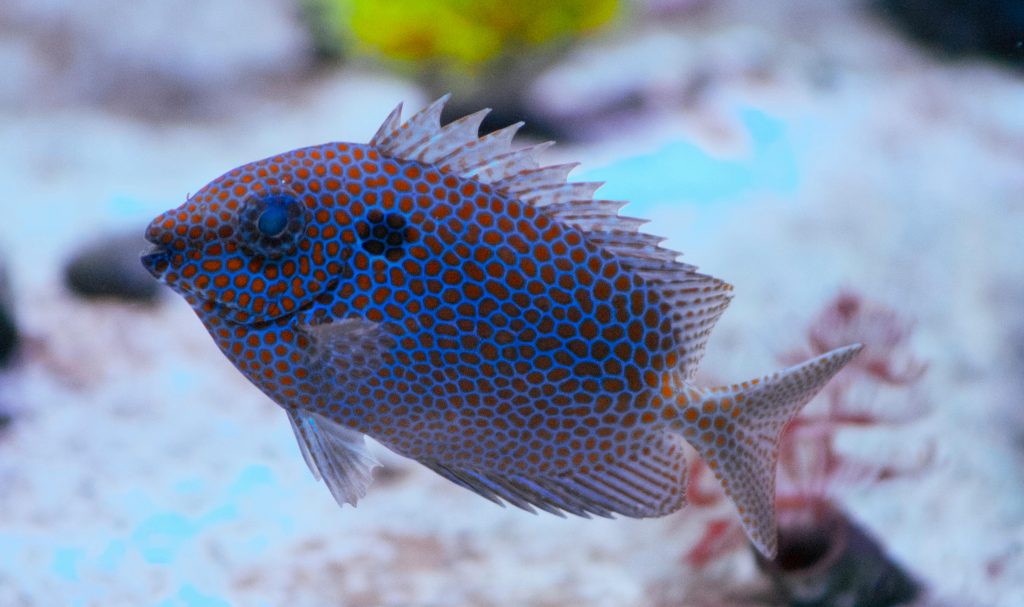
Gold Spotted Rabbitfish (Siganus Punctatus)
Gold Spotted Rabbitfish care includes large tanks, heavy algae feeding, and caution with corals. Learn tank size, diet,…
 By
By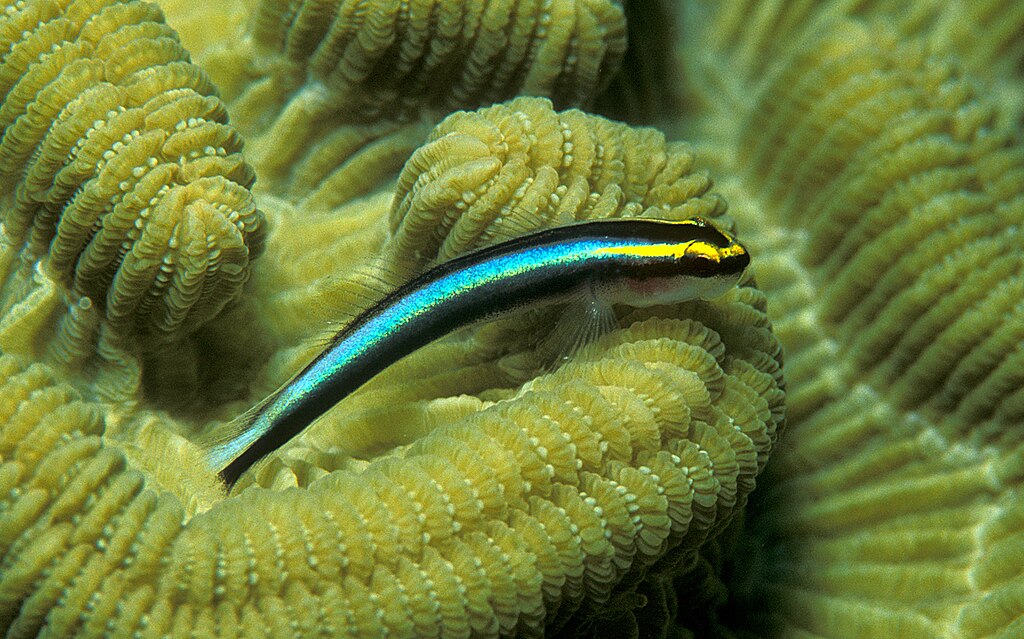
Sharknose Goby (Elacatinus evelynae)
Sharknose Goby care is simple in stable reef tanks. Learn feeding, tank setup, compatibility, and common problems for…
[favorite_button]
My Bookmarks:
To see full list click here
[user_favorites user_id="" include_links="true" site_id="" post_types="" include_thumbnails="true" thumbnail_size="thumbnail" include_excerpt="false"]