

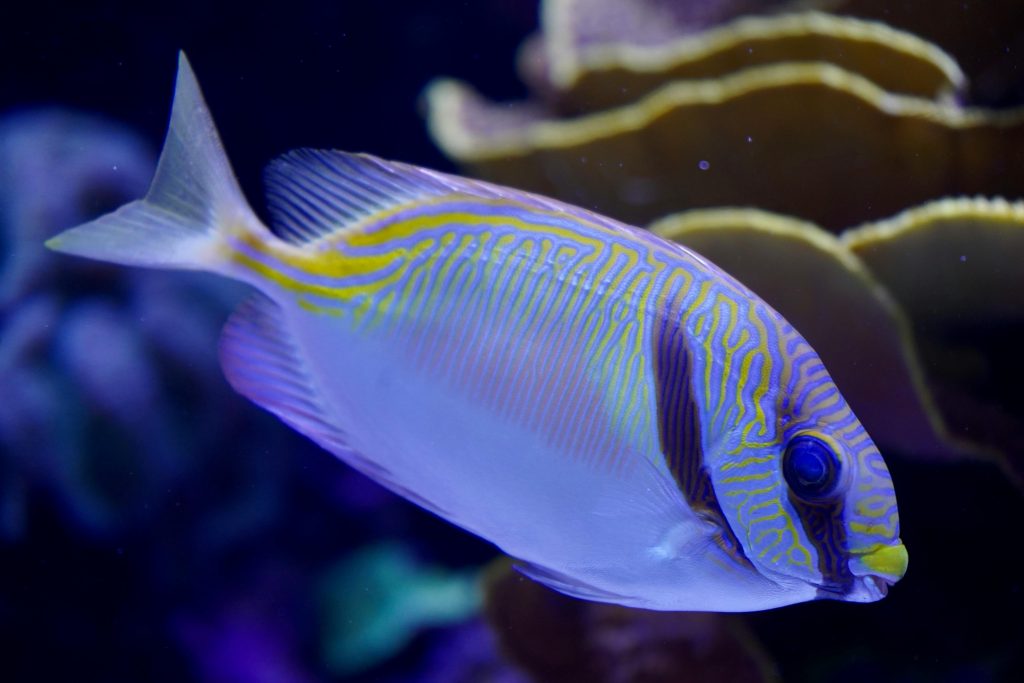
The Scribbled Rabbitfish, Siganus doliatus, is a striking algae-grazing marine fish known for its maze-like body pattern and useful cleanup role. It can do very well in a peaceful reef tank, but it needs space, stable water, and careful attention to coral safety if natural algae becomes scarce.
This species appeals to reef keepers who want both beauty and function. It has a bold black-and-silver pattern, a calm nature, and a strong appetite for nuisance algae. That makes it attractive for larger reef systems. Still, rabbitfish are not perfect for every setup. They grow fairly large, carry venomous dorsal spines, and may nip soft corals or fleshy LPS when underfed. In this guide, you will learn how to care for the Scribbled Rabbitfish, including tank size, diet, compatibility, reef safety, and common problems. You will also learn how to create a stable environment that keeps this fish healthy for years.
Quick Reference Care Table
| Common Name | Scribbled Rabbitfish |
| Scientific Name | Siganus doliatus |
| Care Level | Moderate |
| Temperament | Peaceful to semi-peaceful |
| Minimum Tank Size | 125 gallons |
| Adult Size | Up to 10 inches |
| Diet | Herbivore with some omnivorous feeding |
| Reef Safe | With caution |
| Temperature | 75-79°F |
| Salinity | 1.024-1.026 |
| pH | 8.1-8.4 |
| Water Flow | Moderate to strong |
| Lighting | No special need; reef lighting is fine |
This table gives you the basics. The details below will help you avoid common mistakes and improve long-term success.
Natural Habitat
The Scribbled Rabbitfish comes from the Indo-Pacific region. It is found around reefs, lagoons, and coastal slopes. In nature, it spends much of its day grazing algae from rocks and hard surfaces. Juveniles often shelter in calmer areas. Adults move through open reef zones with more swimming room.
This natural behavior explains many of its aquarium needs. The fish wants rockwork for browsing, but it also needs open water for steady movement. It is not a fish that stays hidden all day. A healthy specimen will cruise the tank, inspect rock surfaces, and pick at algae often. It may also wedge itself into rock crevices at night or when frightened.
Like other rabbitfish, this species has venomous spines for defense. In the wild, those spines help deter predators. In the home aquarium, they mean you should handle the fish with care during transfers or maintenance.
Aquarium Setup
A 125-gallon tank is the practical minimum for an adult Scribbled Rabbitfish. Bigger is better. This fish reaches around 10 inches and needs room to turn, browse, and swim without stress. A cramped tank often leads to pacing, poor body condition, and aggression toward similar fish.
Build the aquascape with a mix of open swimming lanes and mature live rock. The rock should offer algae growth and a few secure sleeping spots. Avoid packing the tank wall to wall with rock. This fish appreciates open front and midwater space. Stable aquascaping is important because large rabbitfish can spook and dart quickly.
Use strong biological filtration and a good protein skimmer. Rabbitfish are active eaters and produce a fair amount of waste. Keep ammonia and nitrite at zero. Hold nitrate at a reasonable reef level. Stable salinity matters more than chasing tiny number changes. Quarantine is strongly recommended. It helps you observe feeding behavior and reduce disease risk before the fish enters a display system.
Lighting Requirements
The Scribbled Rabbitfish does not need specialized lighting. It adapts well to the lighting already used over most reef aquariums. Moderate to strong reef lighting is acceptable as long as the fish has shaded areas to retreat when needed. Bright light alone does not stress this species if the tank is designed well.
Lighting matters more for the tank ecosystem than for the fish itself. Good reef lighting supports natural algae films on rock surfaces. That gives the rabbitfish extra grazing opportunities between feedings. In very sterile tanks, fish may begin sampling corals or polyps more often. This is one reason mature systems usually work better than brand-new setups.
If your tank houses light-sensitive fish, use caves and overhangs. The rabbitfish will use them too. A normal day-night cycle helps maintain stable behavior. Sudden light changes can startle this species, so ramping lights up and down is helpful when possible.
Water Flow
Moderate to strong water movement works well for this fish. In the wild, it lives around reef areas with steady circulation and high oxygen levels. Good flow keeps detritus suspended, supports coral health, and helps maintain oxygen exchange. Those conditions benefit active swimmers like rabbitfish.
Avoid creating one harsh stream that blasts the fish from a single direction. Instead, aim for broad, varied flow patterns across the tank. The fish should be able to move through stronger and calmer zones. This gives it choices and reduces stress. It also encourages more natural browsing behavior on different parts of the rockwork.
If the fish constantly hides, breathes heavily, or avoids certain areas, review your flow pattern and oxygen levels. Poor surface agitation can lower oxygen, especially at night. Warm water makes this worse. Strong circulation, stable temperature, and a clean skimmer all help prevent these issues.
Feeding
The Scribbled Rabbitfish is primarily an herbivore. It should receive algae-based foods every day. Offer dried nori on a clip, spirulina flakes, quality marine pellets with plant content, and frozen herbivore blends. Feed at least twice daily in most aquariums. Frequent feeding helps reduce coral nipping and keeps body weight stable.
Do not rely on nuisance algae alone. Many fish clean a tank quickly, then run short on natural grazing. When that happens, they may start testing soft corals, zoanthids, fleshy LPS, or even clam mantles. A varied diet lowers that risk. You can also add blanched greens occasionally, though marine-based foods should remain the staple.
Watch the fish during feeding. A healthy specimen should respond quickly and eat with confidence. Pinched body shape, sunken belly, or reduced grazing often suggest stress, internal issues, or competition from faster tankmates. If needed, use multiple feeding stations so timid fish still get enough food.
Compatibility
This species is usually peaceful with most reef fish. It does well with tangs, wrasses, clownfish, angelfish that are not overly aggressive, and many community reef species. It can become defensive with similar-shaped herbivores in smaller tanks, especially other rabbitfish. Add with care if the display already has established grazers.
With corals, the answer is more complicated. The Scribbled Rabbitfish is often called reef safe with caution. Many individuals ignore corals for years. Others begin nipping once algae levels drop or feeding becomes inconsistent. Soft corals and fleshy LPS are the most common targets. Zoanthids may also be sampled. SPS corals are often ignored, but there are no guarantees.
It is generally safe with shrimp, snails, crabs, and other common invertebrates. The main concern is not predation. It is accidental stress from rapid movement in tight tanks. Give all livestock enough space. For more stocking advice, see reef fish compatibility guide, reef safe fish list, and best algae eating saltwater fish.
Step-by-Step Acclimation Guide
Careful acclimation improves success with rabbitfish. Follow these simple steps:
- Quarantine the fish if possible for observation and disease prevention.
- Dim the lights before opening the transport bag.
- Float the bag for temperature matching for 15 to 20 minutes.
- Use drip acclimation for 30 to 45 minutes.
- Do not expose the fish to nets if possible. Use a specimen container.
- Watch the venomous spines during transfer.
- Release the fish into a calm area with nearby rock cover.
- Offer nori within the first day, even if the fish seems shy.
- Keep tankmates well fed to reduce early aggression.
- Monitor breathing, grazing, and body posture for the first week.
New rabbitfish often hide at first. That is normal. Most settle in once they recognize food and learn the tank layout.
Common Problems
Coral Nipping
This is the biggest concern for reef keepers. The usual cause is hunger, low natural algae, or individual behavior. Increase algae-based feeding first. Add nori daily. Observe which coral gets targeted. If the fish continues, you may need to remove either the fish or the coral.
Refusing Food
New imports may be shy. Stress, bullying, or poor acclimation can suppress appetite. Offer nori, spirulina brine, and herbivore pellets. Reduce aggression from tankmates. Check ammonia, temperature, and salinity. A fish that does not eat after several days needs closer evaluation.
Heavy Breathing
Heavy breathing often points to low oxygen, ammonia exposure, parasites, or shipping stress. Test the water first. Increase surface agitation. Inspect the gills if possible. Quarantine helps with diagnosis. Do not assume every breathing issue is ich or velvet without evidence.
Aggression With Other Grazers
Tangs and rabbitfish may compete for space and food. Rearranging rockwork can help during introductions. Feed multiple clips at opposite ends of the tank. In most cases, larger tanks solve many of these issues. Crowding makes them worse.
Injury From Spines
The dorsal spines are venomous. Stings are painful, though usually not dangerous for healthy adults. Use containers instead of nets. Wear gloves when working in tight spaces. If stung, seek proper medical advice. Prevention is always easier than treatment.
Propagation and Breeding
The Scribbled Rabbitfish is not commonly bred by home aquarists. Spawning behavior in the wild involves open-water egg release. The larvae are delicate and require specialized rearing methods. That puts captive breeding beyond the reach of most hobbyists at this time.
Can You Breed Them at Home?
In practical terms, no for most reef keepers. Large systems, broodstock conditioning, larval foods, and advanced rearing equipment are required. Public aquariums or specialist breeders are better suited to the challenge.
Can You Frag or Propagate This Species?
No. Fish are not fragged or propagated like corals. If you are researching coral-safe tankmates for a propagation system, keep in mind that this species may graze nuisance algae but is still a coral risk in some setups. For coral system planning, see how to frag coral and reef tank parameter guide.
Frequently Asked Questions
Is the Scribbled Rabbitfish reef safe?
It is reef safe with caution. Many behave well. Some nip corals, especially when underfed.
How big does Siganus doliatus get?
Most adults reach about 10 inches. Plan for a large tank from the start.
What does a Scribbled Rabbitfish eat?
It mainly eats algae and plant-based marine foods. Nori and herbivore blends should be staples.
Can it live with tangs?
Yes, often successfully in larger tanks. Space and feeding strategy make a big difference.
Is the Scribbled Rabbitfish venomous?
Yes. Its spines are venomous. Handle it carefully during capture or transfer.
The Scribbled Rabbitfish is a useful and beautiful addition to the right reef tank. It offers strong algae control, peaceful behavior, and a unique look. Success depends on tank size, steady feeding, and realistic expectations about reef safety. In a mature, spacious system, it can become one of the most interesting fish in the aquarium.
Was this helpful?
Related Posts
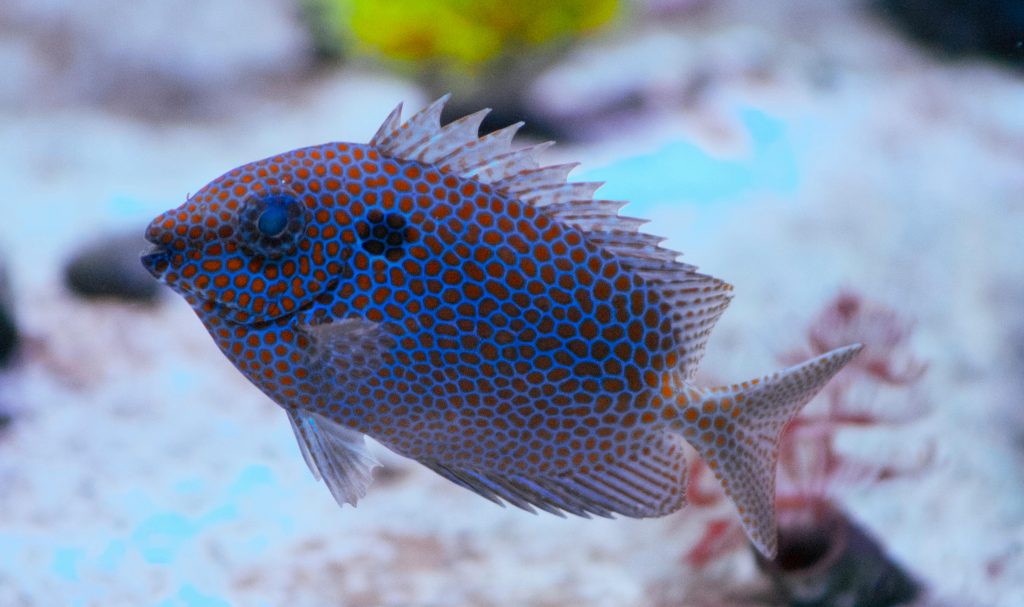
Gold Spotted Rabbitfish (Siganus Punctatus)
Gold Spotted Rabbitfish care includes large tanks, heavy algae feeding, and caution with corals. Learn tank size, diet,…
 By
By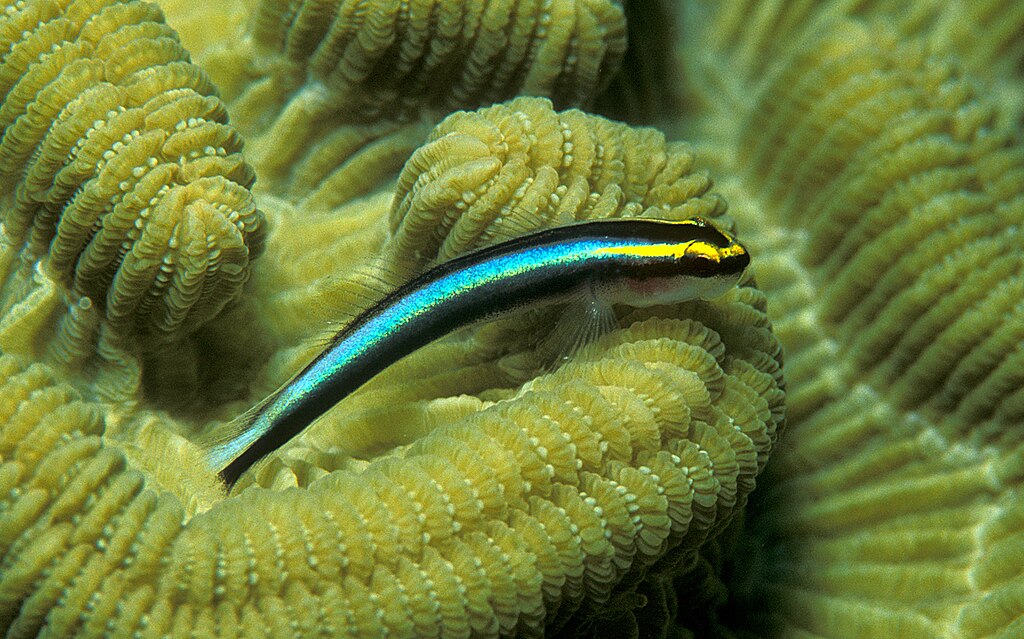
Sharknose Goby (Elacatinus evelynae)
Sharknose Goby care is simple in stable reef tanks. Learn feeding, tank setup, compatibility, and common problems for…
[favorite_button]
My Bookmarks:
To see full list click here
[user_favorites user_id="" include_links="true" site_id="" post_types="" include_thumbnails="true" thumbnail_size="thumbnail" include_excerpt="false"]