

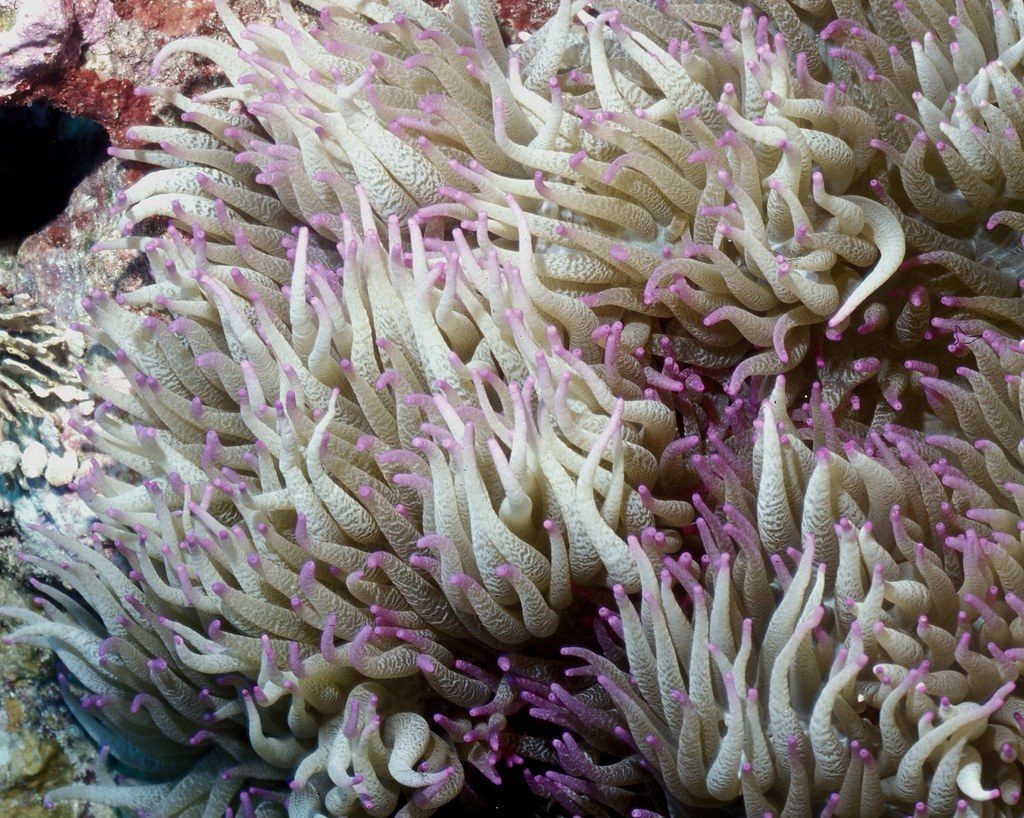
Seabae anemones, Heteractis malu, can be stunning centerpieces. They can also be frustrating if you expect “easy clownfish hosting.” With the right sand bed, lighting, and feeding plan, this anemone can thrive for years.
This guide focuses on practical care for reef tanks. You will learn placement, parameters, feeding, and common troubleshooting steps. You will also learn how to avoid the most common losses.
What a Seabae Anemone Really Is (and Isn’t)
Heteractis malu is often sold as a “sebae” anemone. That name also gets used for Heteractis crispa. The two look similar in stores. Mislabels are common. This matters because their needs and adult size can differ.
H. malu is usually shorter tentacled and more compact. It often prefers to bury its column in sand. It anchors near a rock edge. It likes a stable “sand pocket” more than open rock faces.
Many hobbyists buy it for clownfish hosting. Some clowns will ignore it. Others may harass it. Hosting is never guaranteed. Plan your stocking around the anemone’s health first.
A healthy specimen has a tight mouth and sticky tentacles. Color should look even and not washed out. Avoid animals with a gaping mouth or mushy foot. Also avoid bleached white specimens unless you can rehabilitate them.
- Ask the store what lighting it was kept under.
- Check for strong adhesion to glass or a rock.
- Look for a closed mouth and responsive tentacles.
- Skip any animal with a torn foot.
Tank Setup: Sand Bed, Light, Flow, and Stability
Start with tank maturity. Aim for a stable reef that is at least six months old. New tanks swing in nutrients and pH. Those swings stress anemones fast. Stability matters more than chasing perfect numbers.
Provide a real sand bed. Target 2 to 4 inches of sand depth. Fine to medium grain works best. Create a “bowl” against a rock base. The anemone can bury its column and plant its foot.
Lighting should be moderate to strong. Aim for PAR around 120 to 200 at the oral disc. Many LEDs can do this at 30% to 60% power. Start lower and ramp up over two weeks. Sudden jumps can trigger wandering.
Flow should be moderate and variable. You want tentacles to sway, not whip. Direct jets can tear tissue. Place powerheads with guards. Anemones can move at night. Use foam covers or anemone guards.
Use these baseline parameters as targets. Keep them steady with testing and dosing. If you need help, see reef tank water parameters on FancyReef. It covers stability and testing routines.
- Temperature: 25 to 26 C (77 to 79 F), stable within 0.5 F daily.
- Salinity: 1.025 to 1.026 specific gravity.
- pH: 8.1 to 8.4, avoid daily swings over 0.15.
- Alkalinity: 8 to 9.5 dKH, keep changes under 0.5 dKH per day.
- Nitrate: 5 to 15 ppm for better color and growth.
- Phosphate: 0.03 to 0.10 ppm, avoid zero.
Placement is half the battle. Turn off pumps for a few minutes. Set the foot into the sand pocket. Let it grab the sand and nearby rock. Then restore flow slowly. Do not force the foot into a hole.
Acclimation and First Week: Prevent the “Wander and Melt” Cycle
Acclimation should be slow and gentle. Temperature match for 15 minutes. Then drip acclimate for 30 to 45 minutes. Use a bucket and airline tubing. Keep the animal submerged and shaded during the process.
Never expose the foot to air for long. A quick lift is fine if needed. Still, avoid it when possible. Handle the animal by supporting the column. Do not pull on the foot. A torn foot often leads to infection.
For the first week, reduce stress. Keep lights at 50% of your target intensity. Increase by 5% to 10% every three days. Feed lightly or not at all for the first five days. Let it settle and attach first.
Expect some movement. That is normal. It is searching for the right light and flow. If it keeps roaming daily, something is off. Check flow direction, PAR, and salinity. Also check for stinging neighbors.
Quarantine is tricky with anemones. Many QT tanks lack light and stability. A better approach is a dedicated “nem box” section in your display sump. It needs stable heat, light, and gentle flow. If you do QT, avoid copper and most medications.
- Run carbon for the first week after introduction.
- Keep a mesh lid on the tank to prevent pump accidents.
- Do not place it near euphyllia, torches, or galaxea.
- Test salinity daily for the first seven days.
Feeding and Nutrition: Growth Without Regurgitation
H. malu gets energy from light and zooxanthellae. It also benefits from direct feeding. Feeding helps recovery from shipping and bleaching. It also supports growth in moderate lighting.
Feed small portions. Large meals often get spit out hours later. That wastes nutrients and fouls water. Use pieces about the size of a pea to a dime. For a 4 to 6 inch anemone, start with one to two pieces.
Good foods include thawed mysis, chopped shrimp, and chopped clam. Rinse frozen food in RO water first. That reduces phosphate spikes. Use feeding tongs and place food on the tentacles near the mouth.
Feed once per week at first. If it responds well, move to twice per week. If nitrates climb over 20 ppm, reduce feeding. If phosphate climbs over 0.15 ppm, reduce feeding and increase export.
Watch the mouth after feeding. It should close within minutes. Some gaping during digestion can happen. Persistent gaping is a warning sign. If it regurgitates, cut portions in half next time.
If you want a structured plan, read reef anemone feeding guide on FancyReef. It includes portion sizing and nutrient control tips for mixed reefs.
Clownfish Hosting, Tankmates, and Space Planning
Some clownfish will host H. malu. Many will not. Common hosts include Clarkii complex clowns. Ocellaris and percula may ignore it. They may prefer bubble tips. Do not buy this anemone as a “sure host.”
Clownfish can also cause problems. A large, aggressive pair can irritate a new anemone. It may stay closed and stop eating. If that happens, use a basket or cage for a week. Let the anemone attach and inflate first.
Give it space from corals. Plan a 6 to 10 inch buffer zone. The sting can damage LPS and soft corals. Also plan for nighttime expansion. Tentacles can extend farther in the dark. Wandering can happen after a big water change.
Avoid known pickers. Many butterflyfish nip anemones. Some angelfish do too. Large emerald crabs can steal food. Peppermint shrimp can also steal food. Feed after lights out if theft is a problem.
Use a safe aquascape. Keep sharp rock edges away from the foot. Avoid unstable stacks. If you need help with safer layouts, see reef aquascape ideas on FancyReef. It covers sand pockets and coral spacing.
Troubleshooting: Common Problems and Exact Fixes
Closed and deflated cycles are common. Many anemones deflate daily to expel waste. That is normal if it reinflates within one to two hours. It is not normal if it stays limp all day. It is also not normal if the mouth stays open.
Bleaching is another common issue. The anemone turns pale or white. Causes include too much light, shipping stress, or nutrient starvation. Reduce PAR by 20% for a week. Feed small meals twice per week. Keep nitrate at 5 to 15 ppm.
Wandering usually means discomfort. Check salinity with a calibrated refractometer. Check temperature swings at night. Check for direct flow. Also check for chemical warfare. Run fresh carbon and increase skimming for a week.
A gaping mouth can signal infection or severe stress. First, check ammonia and nitrite. Both must be zero. Next, check alkalinity stability. Sudden dKH changes can trigger collapse. If the anemone is disintegrating, remove it fast. A dying anemone can crash a tank.
Here are quick “if this, then that” fixes you can use. Keep changes small. Anemones hate rapid swings. Make one adjustment per day. Then observe.
- If it won’t attach: add a deeper sand pocket and reduce flow for 24 hours.
- If it keeps shrinking: verify nitrate is not near zero and increase feeding.
- If tentacles are not sticky: check salinity and stop aggressive mechanical filtration.
- If it gets sucked into a pump: improve guards and reduce nighttime roaming triggers.
Long-Term Care: Maintenance Routines That Keep It Happy
Long-term success comes from routines. Do weekly testing for alkalinity, nitrate, and phosphate. Test salinity twice per week. Top off with an ATO if possible. Evaporation swings can stress anemones faster than corals.
Water changes help, but keep them consistent. Aim for 10% weekly or 20% every two weeks. Match temperature and salinity closely. Keep the change within 0.001 specific gravity. Keep temperature within 1 F.
Use stable lighting schedules. Run 8 to 10 hours of peak intensity. Add a 1 to 2 hour ramp on each end. Avoid constant tweaking. Each change can trigger relocation. If you must adjust, do it slowly.
Plan for growth. A healthy H. malu can reach 8 to 12 inches across. In smaller tanks, it can dominate space. If it starts stinging corals, move the corals first. Moving the anemone can tear the foot.
If you must move it, be patient. Turn off flow. Gently massage the foot edge with a finger. You can aim a small powerhead at the foot. Use low flow only. Never rip it off rock or glass.
Conclusion
The Seabae anemone, Heteractis malu, rewards steady reefkeeping. Give it a deep sand pocket, stable parameters, and moderate flow. Feed small portions and ramp lighting slowly.
Focus on attachment, stickiness, and a tight mouth. Those signs guide your next steps. With patience, this anemone can become a long-term showpiece in your reef.
Sources: Fautin & Allen, Anemonefishes and Their Host Sea Anemones (1992); Borneman, Aquarium Corals (2001); Delbeek & Sprung, The Reef Aquarium Vol. 1–3 (1994–2005).
Was this helpful?
Related Posts
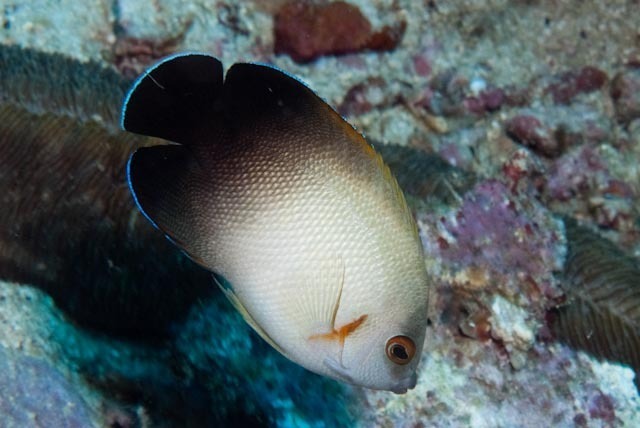
Half Black Angelfish (Centropyge Vrolikii)
Half Black Angelfish care is straightforward in mature tanks, but reef safety is never guaranteed. Learn feeding, tank…
 By
By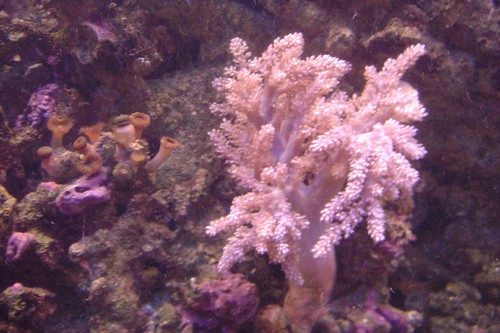
Kenya Tree Corals
Kenya Tree corals are hardy soft corals with easy care, moderate light needs, and fast growth. Learn placement,…
[favorite_button]
My Bookmarks:
To see full list click here
[user_favorites user_id="" include_links="true" site_id="" post_types="" include_thumbnails="true" thumbnail_size="thumbnail" include_excerpt="false"]