

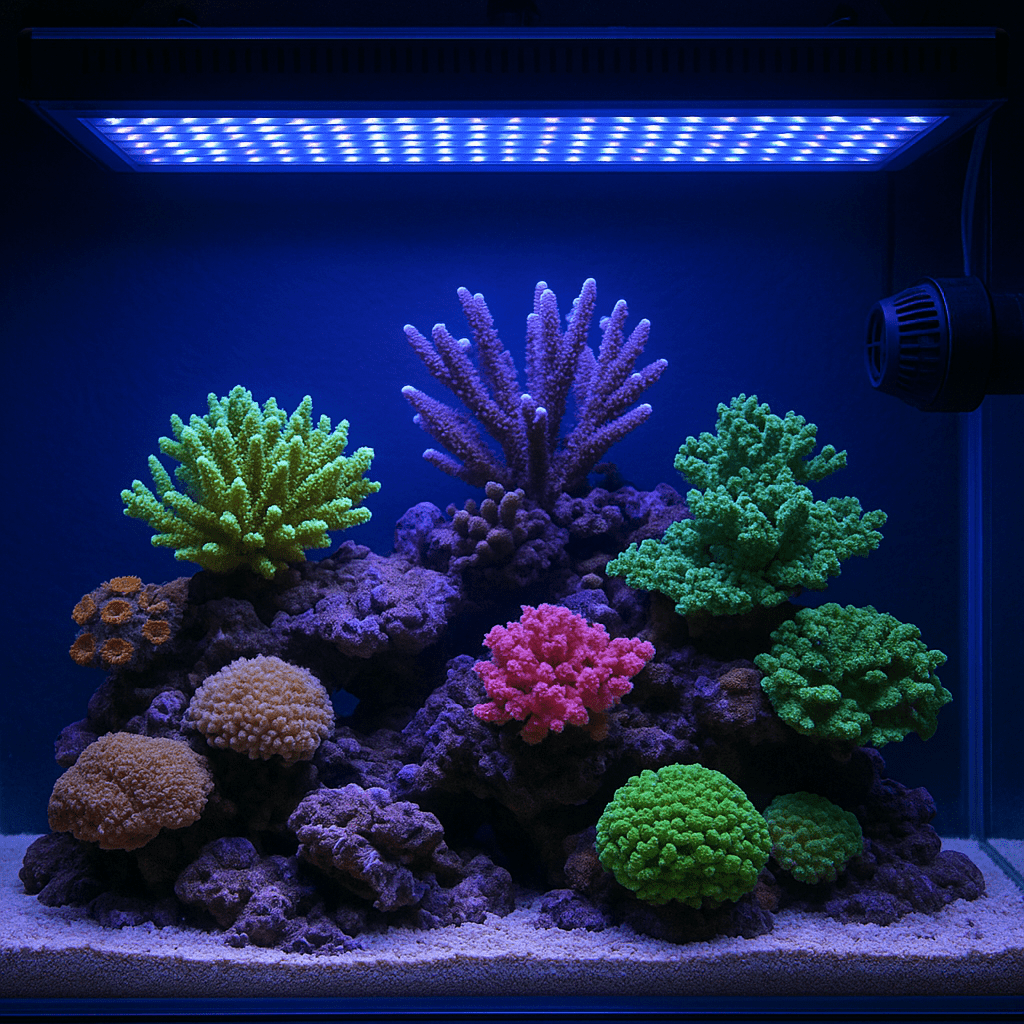
Reef fish aggression is common, but it can be managed. Most problems come from crowding, poor stocking order, limited territory, or species mismatch. With smart planning, better aquascaping, and careful observation, you can reduce fights and keep a calmer reef tank.
A little chasing is normal in marine aquariums. Fish establish rank, defend caves, and protect feeding space. Trouble starts when that behavior becomes constant. Torn fins, hiding, missed meals, and stress-related disease often follow. This guide explains why reef fish become aggressive, how to prevent problems before they start, and what to do when one fish turns into a bully. You will also learn how tank size, aquascape design, feeding strategy, and stocking order shape fish behavior. These practical steps work for beginner and intermediate reef keepers alike.
Quick Reference Table
| Issue | Likely Cause | Best Fix |
|---|---|---|
| One fish chases all tankmates | Territorial species or poor stocking order | Rearrange rockwork and isolate aggressor |
| New fish gets pinned in a corner | Established fish defending territory | Use acclimation box before release |
| Fish fight at feeding time | Food competition | Feed more often in multiple areas |
| Constant nipping between similar fish | Shape or color rivalry | Avoid similar species in small tanks |
| Sudden aggression after months of peace | Maturity, pairing, or territory shift | Review stocking, caves, and social groups |
Use this table as a fast starting point. The sections below explain each fix in more detail.
Why Reef Fish Become Aggressive
Aggression is natural behavior. In the wild, reef fish compete for shelter, food, mates, and territory. Your aquarium compresses that behavior into a small space. Even peaceful fish can become defensive when they feel trapped.
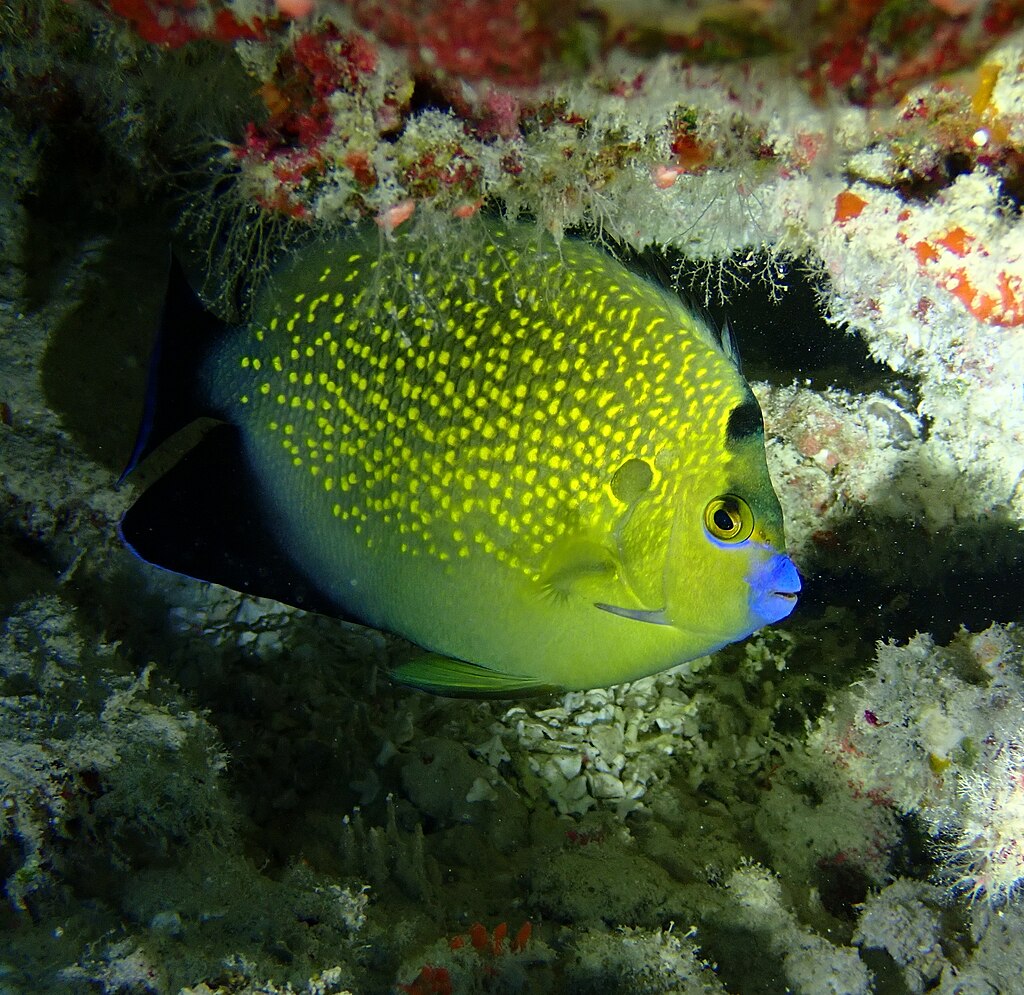
Some species are simply more territorial. Damselfish, dottybacks, certain wrasses, and many tangs often defend space aggressively. Fish with similar body shape also clash more often. Two yellow fish with oval bodies may see each other as direct rivals. This is common with tangs and some dwarf angels.
Stress makes aggression worse. Poor water quality, unstable salinity, and low oxygen increase irritability. Hunger does too. A fish that must compete hard for every bite often becomes bolder and more combative. Limited hiding spots create the same problem. If there are not enough caves, one fish may claim the whole reef structure.
Understanding the cause matters. You cannot fix fish aggression with one universal trick. The best solution depends on why the behavior started.
Natural Social Behavior on the Reef
Wild reefs are crowded, but they are also huge. Fish can flee, hide, or shift territory. In aquariums, there is no real escape route. That is why natural behavior can look much harsher in captivity.
Many reef fish live in loose hierarchies. Tangs often establish pecking order. Clownfish form a strict pair bond with a dominant female. Basslets and dottybacks defend caves. Gobies usually avoid conflict, but they still guard burrows. Angelfish and surgeonfish may patrol feeding zones all day.
Juveniles are often calmer than adults. Hobbyists get surprised when a peaceful young fish becomes assertive months later. This is common once fish settle in and claim territory. It also happens as fish mature sexually. A bonded clown pair may suddenly attack tankmates near their hosting coral or anemone.
If you match your stocking plan to natural behavior, success improves. If you ignore it, aggression usually appears sooner or later.
Aquarium Setup That Reduces Aggression
Tank size matters more than many hobbyists expect. Larger tanks give fish room to avoid each other. They also allow several territories to form. A fish that is manageable in a 120-gallon tank may become impossible in a 40-gallon breeder.
Aquascaping is just as important. Build rockwork with breaks in line of sight. Long open views encourage chasing. Separate islands, arches, and caves help weaker fish disappear. Create more than one sleeping site. Add overhangs for shy fish and open lanes for active swimmers.
Do not cram all rock into one central wall. That often creates one large defendable fortress. Instead, make distinct zones. This allows blennies, gobies, wrasses, and dwarf angels to choose different spaces. Sandbed fish also need room to retreat without crossing another fish’s path.
Stable water quality supports calmer behavior. Keep temperature, salinity, pH, and alkalinity steady. Strong surface agitation helps oxygen levels. Fish under environmental stress react more aggressively. For setup basics, see reef tank setup guide and reef aquascaping basics.
Stocking Order and Species Selection
Prevention starts before the fish enter the tank. Add peaceful fish first. Add territorial fish later. This simple rule prevents many disasters. A tank where the bully arrives last is usually easier to manage.
Research adult behavior, not just juvenile behavior. Many fish sold at two inches act very differently at five inches. Watch for warning groups. Dottybacks, damsels, larger hawkfish, some triggers, and many tangs need careful planning. Avoid mixing species with similar shape, color, or niche unless the tank is large.
Be cautious with “semi-aggressive” labels. That term covers a wide range. One species may only defend a cave. Another may harass every new addition. Read multiple care sources and hobbyist reports before buying.
When possible, add groups together. This sometimes helps with anthias, chromis, and certain tang introductions. At the same time, avoid overstocking as a shortcut. Heavy stocking can spread aggression, but it also raises nutrient load and stress. Balance is the goal. Learn more in reef fish compatibility chart.
Step-by-Step Guide to Managing Aggression
Step 1: Identify the aggressor. Watch the tank quietly. Note who starts the chase. Do this before making changes. The victim is not always obvious.
Step 2: Check for injury and stress. Look for torn fins, bite marks, rapid breathing, faded color, and skipped meals. Separate badly injured fish fast.
Step 3: Review the trigger. Did you add a new fish? Rearrange coral? Miss feedings? Did two fish mature? The timing often reveals the cause.
Step 4: Increase feeding frequency. Offer smaller meals two to three times daily if nutrients allow. Feed in different areas at once. This reduces direct competition.
Step 5: Change the rockwork. Move a few key rocks. Break old territories. Add a new cave or visual barrier. Small layout changes can reset social boundaries.
Step 6: Use an acclimation box. Place the new fish inside for several days. Established fish can see it without attacking. This lowers the shock of introduction.
Step 7: Isolate the bully if needed. Trap the aggressor and place it in a breeder box or sump section temporarily. A short timeout often helps.
Step 8: Rehome as a last resort. Some fish simply do not fit certain communities. Removing one fish is better than constant stress for all.
Feeding Strategies That Calm Territorial Fish
Hungry fish defend food aggressively. A better feeding routine often reduces conflict fast. Offer varied foods that match each species. Herbivores need frequent algae access. Carnivores need protein-rich foods. Omnivores need a mix.
Use multiple feeding points. Clip nori on one side and broadcast frozen food on the other. This works well with tangs, clownfish, wrasses, and dwarf angels. Fish stay busy instead of competing in one corner.
Feed active grazers more than once daily. A tang that only gets one small meal may harass tankmates all afternoon. Nori sheets, pellets, mysis, and quality frozen blends give better satiety. Rotate food types for nutrition and enrichment.
Do not overfeed blindly. Extra food can spike nutrients and hurt coral health. The goal is consistency, not excess. For nutrition help, read best food for reef fish and reef water parameters.
Compatibility With Corals, Invertebrates, and Other Fish
Aggressive fish do not only bother other fish. They can stress shrimp, crabs, and timid invertebrates too. Fast chasers may keep cleaner shrimp hidden. Hawkfish may prey on small shrimp outright. Territorial clownfish may guard a coral head and attack your hand during maintenance.
Corals are affected indirectly. Stressed fish eat less, hide more, and become prone to disease. That can disrupt nutrient balance and increase maintenance. Constant chasing also reduces the calm, natural look most reef keepers want.
Choose tankmates by temperament and niche. Pair open-water swimmers with bottom dwellers when possible. Mix shy fish with very assertive species only in larger systems. Add small ornamental shrimp only if your fish list is truly reef-safe and invert-safe.
Always think beyond the label. “Reef safe” does not mean “community friendly.” Behavior and compatibility are separate issues.
Common Problems
Why is my new reef fish being chased nonstop?
This usually happens because established fish defend territory. The new fish is an intruder in their eyes. Use an acclimation box first. Dim the lights during release. Feed the tank just before introduction. Rearranging a few rocks can also help.
Why did a peaceful fish suddenly turn aggressive?
Maturity is a common reason. The fish may have grown into adult behavior. Pair formation can trigger it too. Clownfish, angelfish, and tangs often become bolder over time. Review recent changes in territory, tankmates, and feeding routine.
Can mirrors stop fish aggression?
Sometimes, but only short term. A mirror can distract an aggressor for a while. It works best during introductions. Do not rely on it as a permanent fix. Long-term stress may increase if the fish keeps seeing a “rival.”
Should I remove the bully or the victim?
Usually remove the bully first. That breaks the territorial pattern. If the victim is badly injured, move it to safety immediately. In some tanks, both fish need separation before reintroduction.
Does adding more fish reduce aggression?
Not reliably. It may spread aggression, but it can also worsen stress and water quality. Only add fish if the system can support them and the species truly fit.
Frequently Asked Questions
What are the most aggressive reef-safe fish?
Many damsels, dottybacks, some clownfish, certain wrasses, and several tangs can be aggressive. Individual personality matters too.
How long does fish aggression last after adding a new fish?
Mild chasing may fade within days. Severe harassment often does not improve without intervention. Watch closely during the first week.
Will turning off the lights help?
Yes, short term. Lower light can reduce visual targeting during introduction. It will not solve a deep compatibility issue.
Are tangs always aggressive?
No, but they are often territorial, especially with other tangs. Tank size, species choice, and feeding routine matter a lot.
Is some chasing normal in a reef tank?
Yes. Brief chasing without injury is common. Constant pursuit, hiding, and missed meals mean the behavior has become a problem.
Managing reef fish aggression is mostly about planning and observation. Choose compatible species. Add them in the right order. Build a tank with real territory breaks. Feed well and keep water quality stable. If problems appear, act early. Small adjustments often work before aggression becomes serious.
Was this helpful?
Related Posts
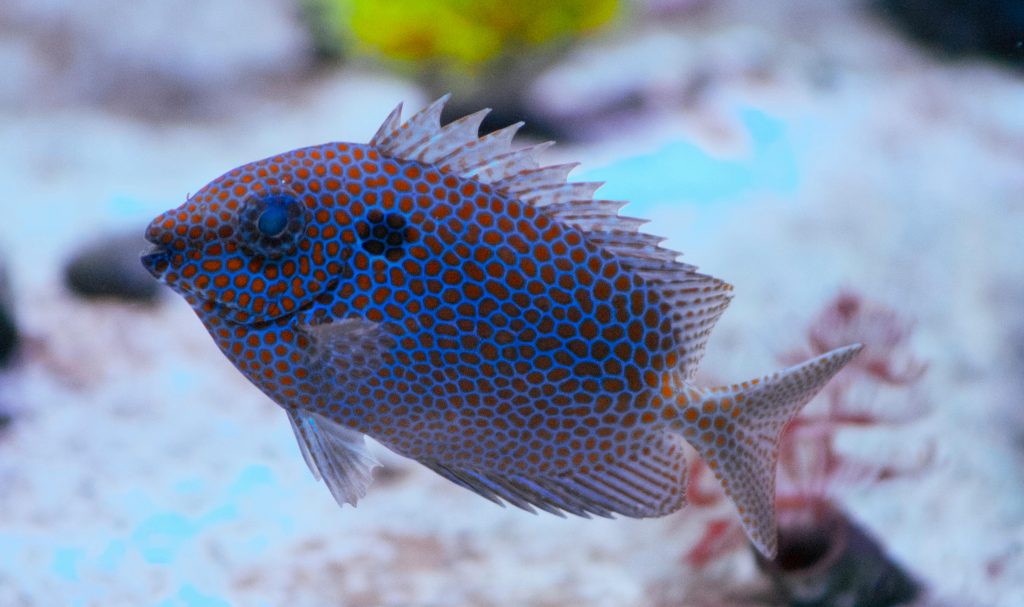
Gold Spotted Rabbitfish (Siganus Punctatus)
Gold Spotted Rabbitfish care includes large tanks, heavy algae feeding, and caution with corals. Learn tank size, diet,…
 By
By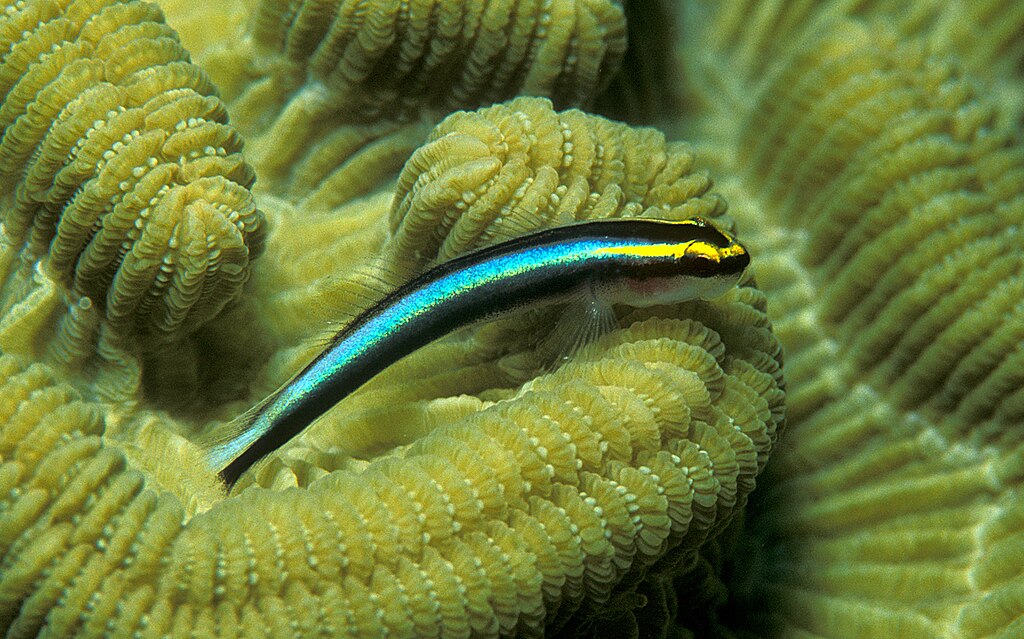
Sharknose Goby (Elacatinus evelynae)
Sharknose Goby care is simple in stable reef tanks. Learn feeding, tank setup, compatibility, and common problems for…
[favorite_button]
My Bookmarks:
To see full list click here
[user_favorites user_id="" include_links="true" site_id="" post_types="" include_thumbnails="true" thumbnail_size="thumbnail" include_excerpt="false"]