
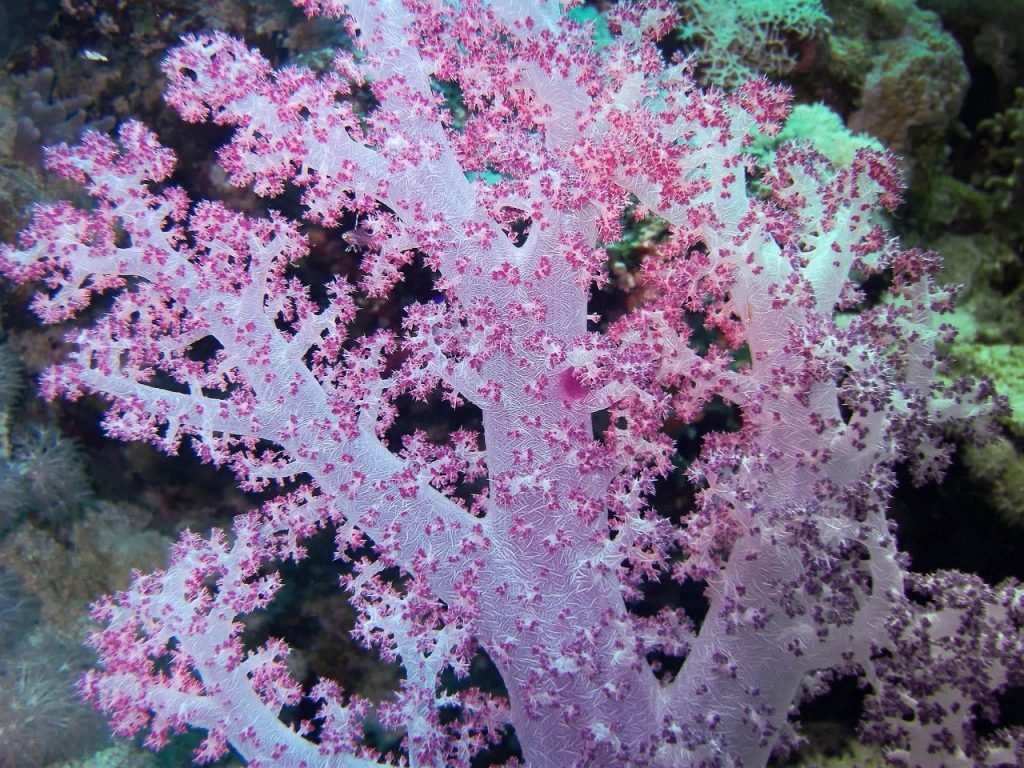
Soft coral compatibility depends on space, flow, lighting, and chemical warfare. Most soft corals are hardy, but they can still irritate neighbors, shade slower growers, and overrun rockwork if you do not plan placement carefully.
In this guide, you will learn which soft corals mix well, which combinations need caution, and how to build a peaceful reef layout. We will cover tank setup, common compatibility mistakes, coral aggression, and simple troubleshooting steps that help beginners avoid expensive losses.
Quick Reference Table
| Soft Coral Type | Temperament | Best Placement | Main Risk | Compatibility Notes |
|---|---|---|---|---|
| Mushrooms | Moderate | Lower rockwork | Spreading and stinging | Keep away from LPS and slow soft corals |
| Zoanthids | Moderate | Isolated islands | Fast spreading | Good with many soft corals if controlled |
| Leather corals | Moderate to aggressive | Mid to upper areas | Chemical warfare | Use carbon and leave space |
| Green star polyps | Aggressive growth | Separate island rock | Overgrowth | Can smother nearby corals quickly |
| Xenia | Aggressive growth | Isolated rock | Rapid spreading | Best kept away from mixed gardens |
| Clove polyps | Aggressive growth | Dedicated island | Mat expansion | Beautiful but invasive in many tanks |
Why Soft Coral Compatibility Matters
Many hobbyists think soft corals are always peaceful. That is not true. They often lack long sweeper tentacles, but they still compete hard. Some release chemicals into the water. Others spread across rock and block light. A few can sting nearby tissue on contact.
This matters most in smaller aquariums. Water volume is limited. Coral toxins build faster. Space disappears quickly. A tiny frag can become a colony in months. That growth looks great at first. Later, it can create a serious placement problem.
Good compatibility planning protects your reef from stress. It also makes maintenance easier. You will spend less time cutting back invasive colonies. You will also reduce losses from hidden aggression. Think of soft coral placement as long-term aquascape design. Plan for the full-grown colony, not the frag plug.
Natural Habitat and What It Means in the Aquarium
Soft corals live across tropical reefs worldwide. Many come from shallow reef flats, lagoon zones, and protected slopes. These areas often have changing flow, variable light, and suspended nutrients. That helps explain why many soft corals adapt well to beginner tanks.
Leathers often grow in areas with stronger water movement. Mushrooms are common in lower light zones and shaded crevices. Zoanthids occupy many habitats. Xenia and clove polyps often thrive in nutrient-rich conditions. These natural patterns help you place each coral better at home.
Habitat also explains coral competition. On real reefs, colonies fight for hard surface and light. They do the same in aquariums. If you match their natural preferences, you reduce stress. Less stress usually means better extension, stronger growth, and fewer random compatibility issues.
Best Soft Corals to Mix in a Beginner Reef
Some soft corals are easier to mix than others. Toadstool leathers, Kenya tree corals, many zoanthids, and some mushrooms can work together well. The key is controlled placement. Give each colony room to expand. Avoid placing fast growers next to slow encrusters.
Toadstools usually do well when they have moderate flow and open space. Kenya trees are hardy, but they can drop branches and spread. Zoanthids are colorful and adaptable. Still, they need boundaries. Mushrooms fit lower light zones, but some varieties spread aggressively and can overtake rock.
If you want a peaceful mixed soft coral tank, start with fewer species. Watch growth for several months. Then add more corals slowly. This gives you time to learn how each colony behaves in your system. Patience prevents many compatibility mistakes.
Soft Corals That Need Extra Caution
Some soft corals are beautiful but demanding from a compatibility standpoint. Green star polyps are a classic example. They grow fast and form thick mats. Once established, they can cover rockwork and smother neighbors. Clove polyps behave in a similar way in many systems.
Xenia can also become invasive. Some tanks cannot keep it alive. Others cannot stop it from spreading. Mushrooms deserve caution too. Hairy mushrooms and elephant ear mushrooms may sting nearby corals. Large colonies can shade smaller frags and win space battles through contact.
Large leather corals create another issue. They can release strong allelopathic compounds. This is chemical warfare between corals. In mixed reefs, these compounds may irritate SPS, LPS, and even other soft corals. Activated carbon and regular water changes help, but smart spacing matters most.
Aquarium Setup for Better Soft Coral Compatibility
Tank size affects compatibility more than many beginners realize. A nano reef can hold soft corals, but spacing becomes difficult very fast. In tanks under 20 gallons, one aggressive grower can dominate the entire layout. Larger tanks give you more room for islands and separation.
Aquascaping should create distinct zones. Use isolated rocks for green star polyps, Xenia, and clove polyps. Keep mushrooms on lower ledges or separate rubble. Place leather corals where they can expand without touching other colonies. Leave open sand gaps between major coral groups when possible.
Filtration also matters. Run quality activated carbon if you keep several soft coral species together. Carbon helps remove dissolved organics and some coral toxins. Strong protein skimming also helps. Stable salinity, temperature, alkalinity, and nutrient levels reduce stress and improve overall coral behavior.
Lighting Requirements
Most soft corals prefer low to moderate light. That makes them beginner friendly. Still, not all species want the same intensity. Mushrooms usually prefer lower light. Toadstools and many zoanthids often handle moderate light well. Very intense light can cause shrinking, bleaching, or poor extension.
Compatibility improves when lighting matches each coral’s needs. Corals placed in poor light may stretch or detach. Corals in excessive light may stay closed and stressed. Both situations increase the chance of decline. A stressed coral is less able to compete and more likely to suffer from nearby aggression.
Use a gradual acclimation process when adding new frags. Start lower in the tank if needed. Raise them slowly over one to two weeks. Watch for signs like fading color, excessive stretching, or closed polyps. Adjust placement before the coral declines.
Water Flow
Soft corals generally prefer moderate, indirect flow. That flow keeps detritus from settling and helps them shed waste. Leather corals especially benefit from good movement. It helps them slough off their waxy surface layer. Without enough flow, they may stay closed longer.
Too much direct flow can create problems. Polyps may stay retracted. Tissue may fold awkwardly. Mushrooms often dislike strong current and may detach. Xenia can pulse less in excessive flow. The goal is broad, random movement rather than a harsh jet from one direction.
Flow also affects compatibility. Dead spots trap waste and fuel algae between colonies. That increases irritation and contact issues. Well-planned flow keeps colonies cleaner and reduces stagnant zones where chemical compounds may linger longer. Observe coral movement daily and adjust pumps as colonies grow.
Feeding and Nutrients
Most soft corals rely heavily on photosynthesis, but nutrients still matter. They usually do well in tanks with a bit more nitrate and phosphate than delicate SPS systems. Ultra-clean water can make some soft corals look shrunken or pale. Slightly dirtier water often suits them better.
Direct feeding is optional for many species. Some zoanthids and mushrooms may accept fine particulate foods. Leathers usually gain more from dissolved nutrients and fish waste than target feeding. Overfeeding the tank, however, can create algae problems and hurt long-term compatibility.
A balanced reef usually works best. Keep nitrate and phosphate detectable but controlled. Feed fish consistently. Export waste with skimming, carbon, and water changes. Healthy nutrient levels support growth, color, and resilience. That makes each coral better able to handle normal competition.
Compatibility with Fish, Invertebrates, and Other Corals
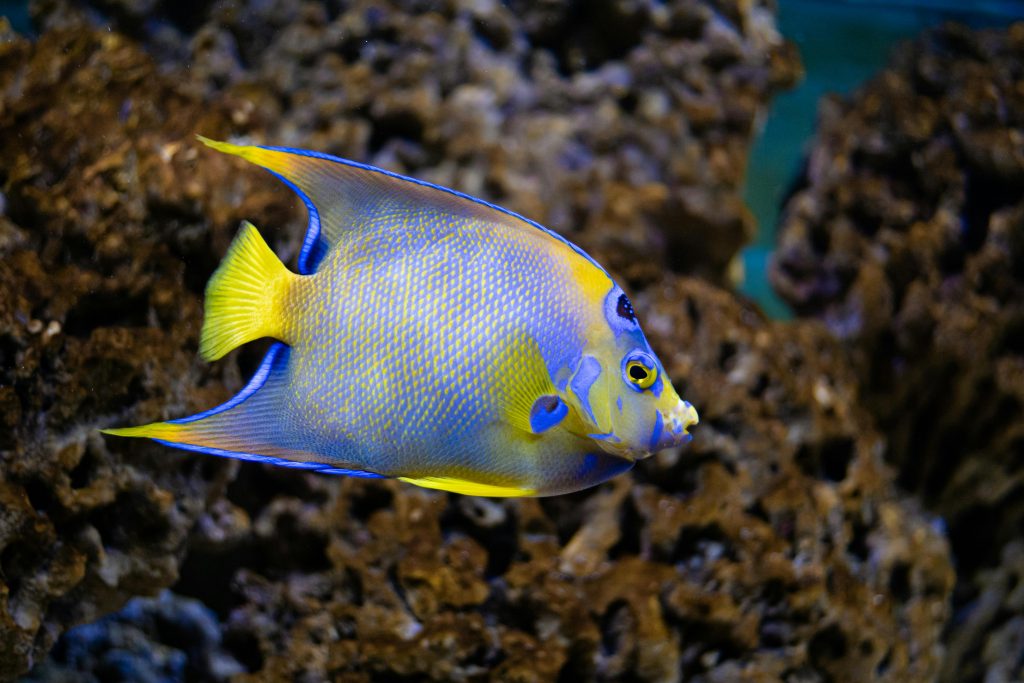
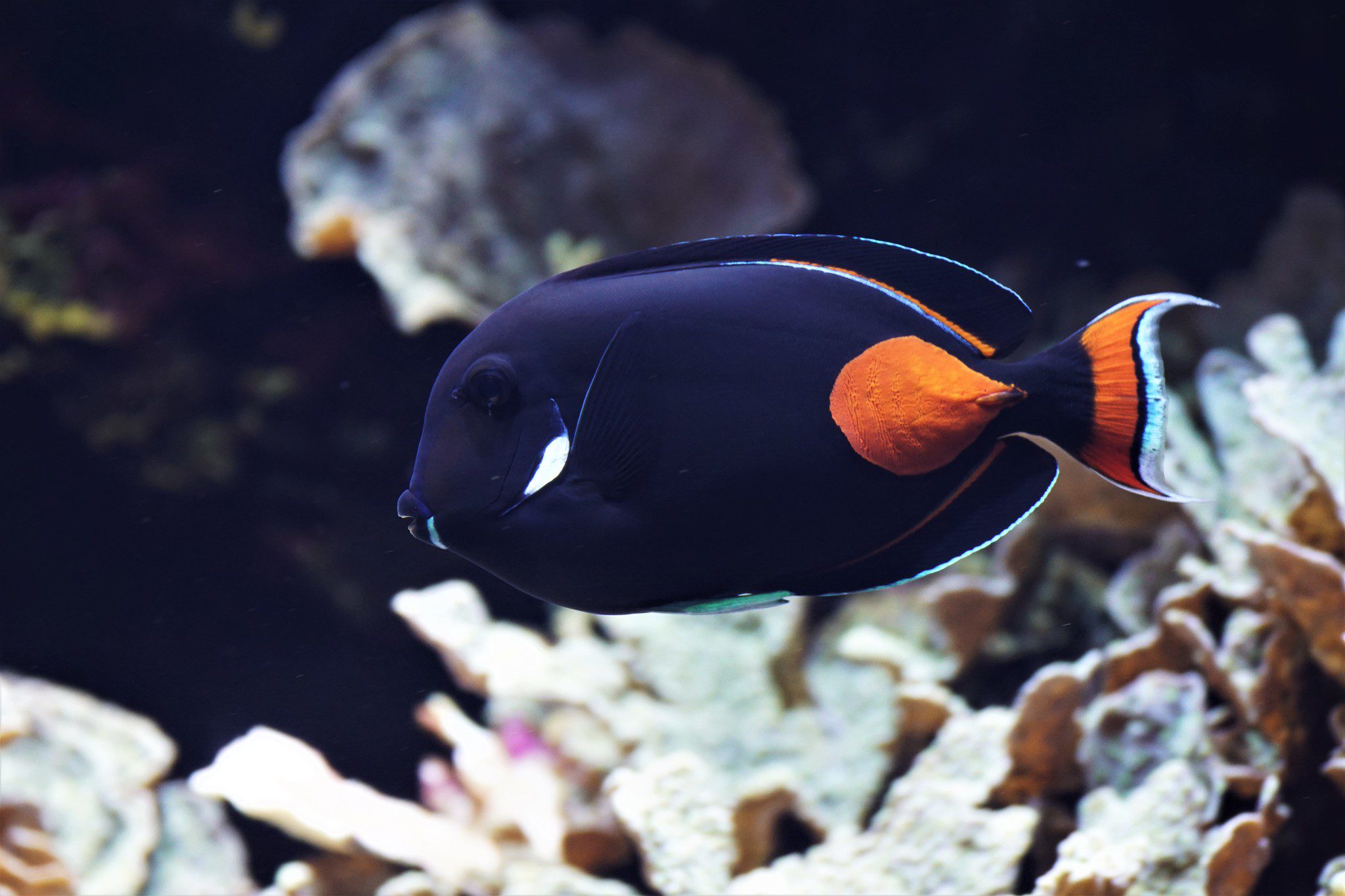
Soft corals are usually reef safe with most community fish. Clownfish, gobies, blennies, wrasses, and many reef-safe tangs coexist well. Problems come from coral nippers. Some angelfish, butterflyfish, and large omnivores may pick at polyps or irritate colonies repeatedly.
Most clean-up crew invertebrates are safe. Snails, hermits, and shrimp usually cause no issues. Large crabs can bulldoze frags. Urchins may dislodge unsecured colonies. Always glue frags well and place delicate pieces away from heavy traffic areas.
Mixing soft corals with LPS and SPS needs more planning. Soft corals can irritate stony corals through toxins and overgrowth. LPS may sting soft corals with sweeper tentacles. SPS often react poorly to heavy soft coral chemical load. In mixed reefs, run carbon, leave extra space, and avoid overcrowding. Helpful reads include reef tank compatibility guide, best soft corals for beginners, and reef tank water parameters.
Step-by-Step Placement Strategy
Start by identifying your fastest growers. These include green star polyps, Xenia, clove polyps, and many zoanthids. Put them on isolated rocks first. Next, place larger leather corals in open areas with room above and around them. Then add mushrooms in lower light sections.
Leave more space than you think you need. Frags look small now. They will not stay small. A gap of several inches can disappear in months. Watch each colony weekly. If one starts leaning, stretching, or touching another coral, act early.
Use carbon after adding new corals or fragging existing colonies. Perform a water change if several corals close at once. Keep notes on placement and behavior. This helps you spot patterns. For more layout ideas, see reef aquascaping tips and how to dip coral frags.
Propagation and Fragging
When to Frag Soft Corals
Frag soft corals when they begin crowding neighbors or shading lower colonies. Regular trimming is often part of normal care. Fast growers need active management. Waiting too long makes removal harder and increases stress across the reef.
How to Frag Safely
Use clean tools and wear gloves. Some corals, especially zoanthids, require extra caution. Cut healthy tissue cleanly. Mount frags to rubble or plugs with mesh, rubber bands, or reef-safe glue when appropriate. Run carbon after fragging to reduce irritation from released compounds.
How Fragging Helps Compatibility
Fragging controls spread and restores spacing. It also improves flow around colonies. A trimmed reef usually looks cleaner and functions better. Planned fragging is one of the best long-term compatibility tools in a mixed soft coral aquarium.
Common Problems
Soft Corals Staying Closed
Check flow, lighting, and recent chemical changes. New carbon, epoxy, fragging, or a new coral can trigger temporary closure. Test salinity and temperature first. Then inspect for nearby stings, detritus buildup, or pests.
One Coral Taking Over the Rockwork
This usually means the coral was placed without a boundary. Remove or trim it early. Isolated islands work best for invasive species. Manual control is easier when the colony is still small.
Leather Coral Shedding and Not Opening
Leathers often shed a waxy film. This is normal. Increase indirect flow slightly and give it time. If the coral stays closed too long, test water quality and run fresh carbon.
Zoanthids or Mushrooms Irritating Nearby Corals
Look for direct contact first. Then consider shading and overgrowth. Move one colony if needed. Small changes in placement often solve the issue before tissue damage becomes severe.
Frequently Asked Questions
Can soft corals touch each other?
Sometimes, but it is risky. Some tolerate contact better than others. It is safer to leave space between colonies.
Are soft corals easier than LPS or SPS?
Usually, yes. They are often more forgiving. Still, they can create compatibility issues through toxins and fast growth.
Do I need activated carbon for a soft coral tank?
It is strongly recommended in mixed reefs. Carbon helps reduce chemical warfare and keeps the water clearer.
Which soft coral is most invasive?
Green star polyps, Xenia, and clove polyps are common problem growers. Zoanthids can also spread quickly in the right tank.
Can I mix soft corals with SPS?
Yes, but it takes planning. Leave extra space, maintain strong filtration, and watch for soft coral chemical aggression.
Soft coral compatibility is manageable when you plan for growth, not just appearance. Give invasive species their own islands. Leave space around leathers. Use carbon regularly. With smart placement and steady maintenance, soft corals can form a colorful, hardy, and long-lasting reef display.
Was this helpful?
Related Posts
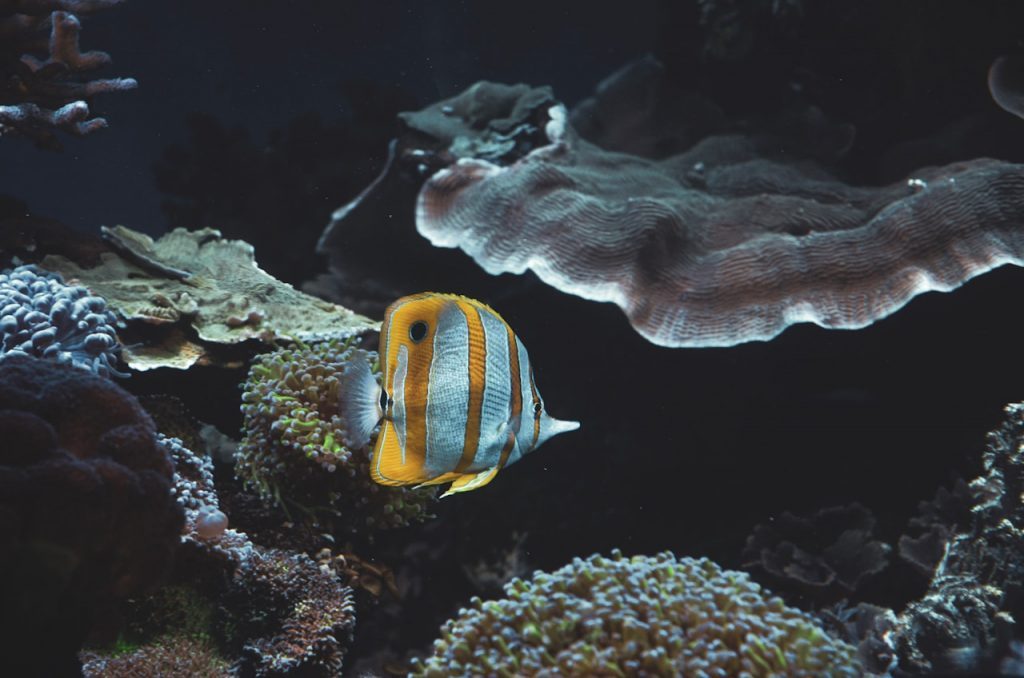
Butterflyfish Care in Marine Aquariums
Practical butterflyfish care for marine aquariums, including tank size, feeding steps, and quarantine tips for healthy long-term success.
 By
By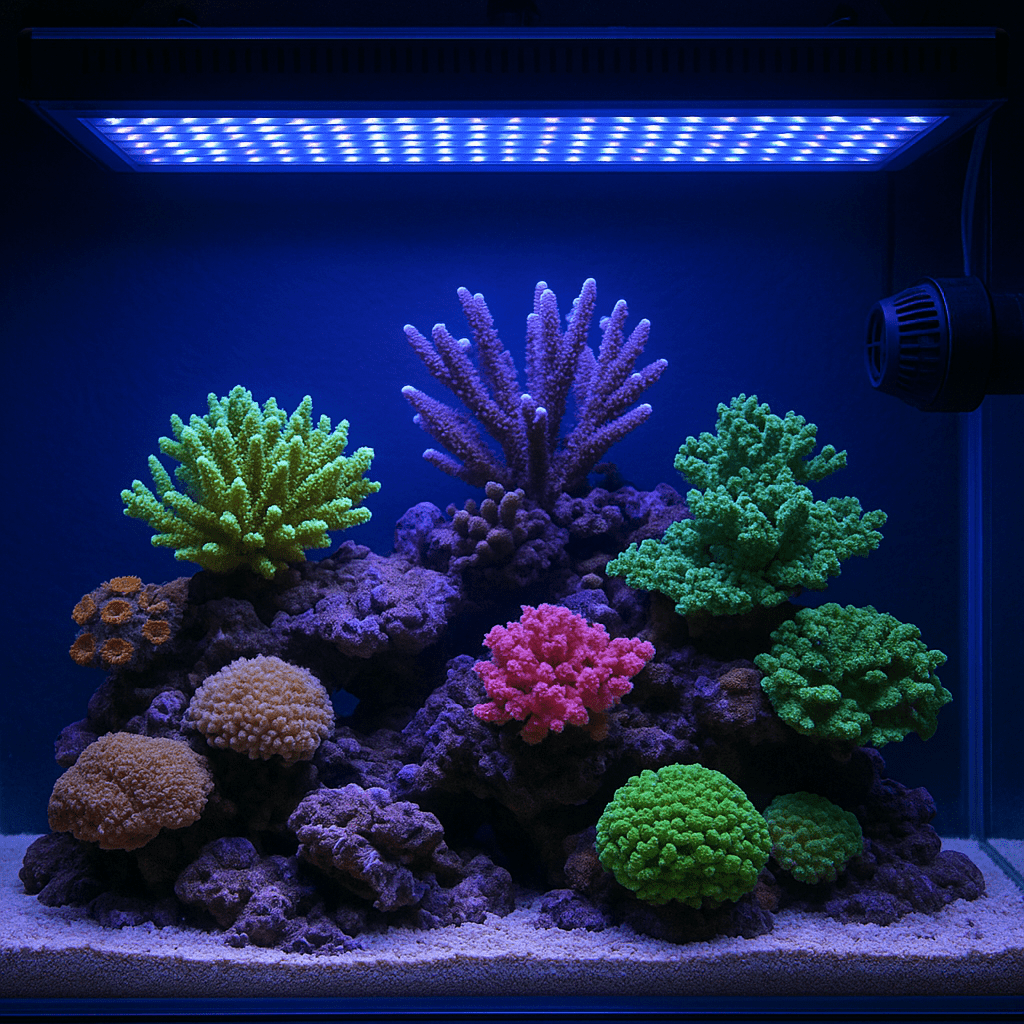
Reef Tank Plumbing Basics
Learn reef tank plumbing basics, including drains, return pumps, sump flow, noise control, and flood prevention for a…
[favorite_button]
My Bookmarks:
To see full list click here
[user_favorites user_id="" include_links="true" site_id="" post_types="" include_thumbnails="true" thumbnail_size="thumbnail" include_excerpt="false"]