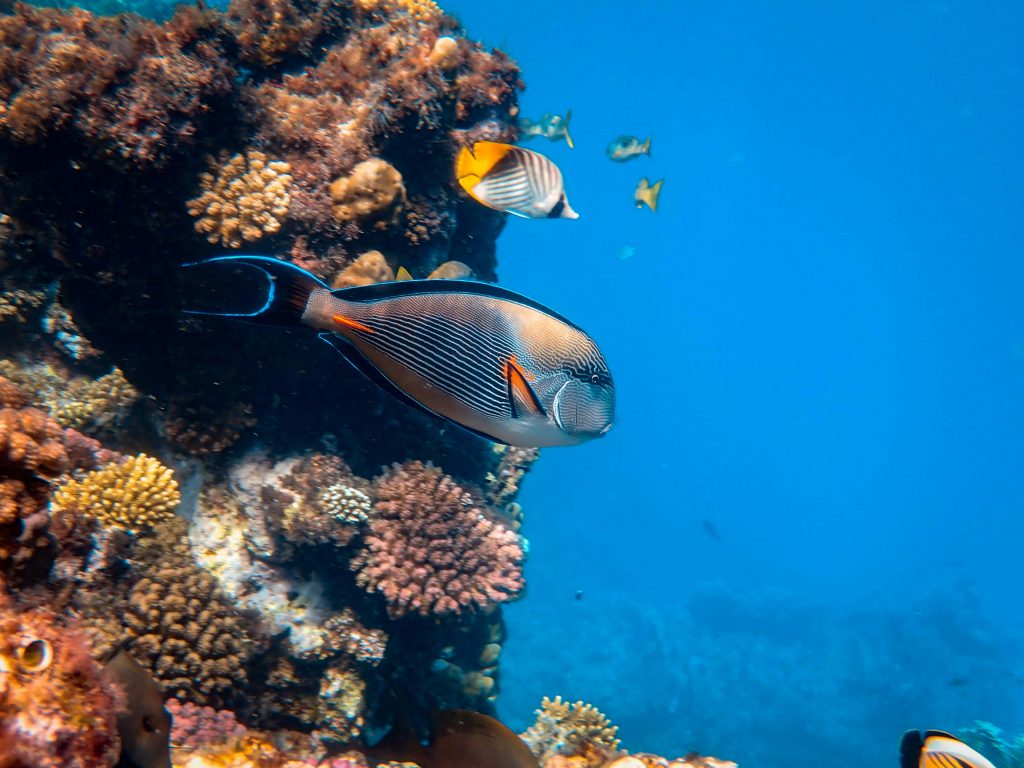
The Sohal tang (Acanthurus sohal) is stunning and intense. It is also one of the most aggressive tangs in the hobby. Success starts with the right tank size, planning, and strict quarantine.
Tank size, aquascape, and water targets
A Sohal tang needs space to sprint and turn fast. Plan for 180 gallons minimum, with 6 feet of length. Many keepers see better behavior in 240 gallons or larger. Adults can reach 14–16 inches in captivity.
Build a rockscape with long swim lanes and several caves. Use two to three distinct rock “islands” if you can. This breaks lines of sight and reduces chasing. Leave open sand for tight turns and speed bursts.
Keep parameters stable and boring. Target 25–26°C (77–79°F), salinity 1.025–1.026, and pH 8.1–8.4. Aim for alkalinity 8–9 dKH and nitrate 5–15 ppm. Keep phosphate near 0.03–0.10 ppm for reef tanks.
Strong flow helps oxygen and reduces stress. Shoot for 20–40x turnover in a reef setup. Add surface agitation and a skimmer sized for heavy feeding. For setup basics, review our cycling guide before adding this fish.
- Use tight-fitting lids and covered overflows to prevent jumps.
- Add a large algae clip zone on a front pane for easy feeding.
- Run carbon and change it every 2–4 weeks for clear water.
Feeding, health, and quarantine steps
Sohal tangs burn calories all day. Feed at least two times daily, and three is better. Offer nori or seaweed sheets in the morning and afternoon. Add a meaty food at night, like mysis or enriched brine.
Rotate foods to prevent HLLE and fading color. Use spirulina flakes, pellets with kelp, and frozen blends with sponge. Soak foods in vitamins two to three times per week. Include omega-3 supplements for fin and skin health.
Quarantine is not optional with this species. Use a 40–75 gallon QT for juveniles, and larger for big fish. Provide PVC elbows for shelter and strong aeration. Watch for ich, velvet, and bacterial mouth issues from transport stress.
A practical QT plan is 30 days with observation plus proactive treatment. Many hobbyists run copper for 14–21 days at a tested level. Then they follow with praziquantel for flukes. For a full workflow, see our quarantine protocol.
- Test copper daily with a matched test kit for your product.
- Keep QT salinity at 1.023–1.025 for stable osmoregulation.
- Do small water changes every 2–3 days to control ammonia.
Compatibility and aggression management
Sohal tangs often become the tank boss. They may harass new fish and similar-shaped tangs. Zebrasoma and other Acanthurus species are common targets. The risk rises in tanks under 8 feet long.
Add the Sohal as the last fish in most community builds. If it must go in earlier, plan future additions carefully. Use an acclimation box for 3–7 days for new arrivals. This lets the Sohal see them without contact.
Use feeding to distract and reduce conflict. Feed nori on two clips at opposite ends of the tank. Add a third clip during new introductions. Keep the fish busy grazing instead of patrolling.
Watch for torn fins, missing scales, and corner hiding. Those are early signs of bullying. If attacks persist, remove the Sohal for a week. Rearranging rock can also reset territory. For stocking ideas, check our reef fish compatibility guide.
- Avoid adding small, timid fish after the Sohal settles in.
- Skip other Acanthurus tangs unless the tank is 300+ gallons.
- Keep a fish trap ready for fast removal if needed.
The Sohal tang rewards preparation with bold color and constant motion. Give it a large tank, heavy feeding, and strict quarantine. Plan for aggression from day one, and your reef will stay calmer and healthier.
Sources: FishBase species summary (Acanthurus sohal); Scott W. Michael, Marine Fishes; Humblefish community disease treatment references.
Was this helpful?
Related Posts
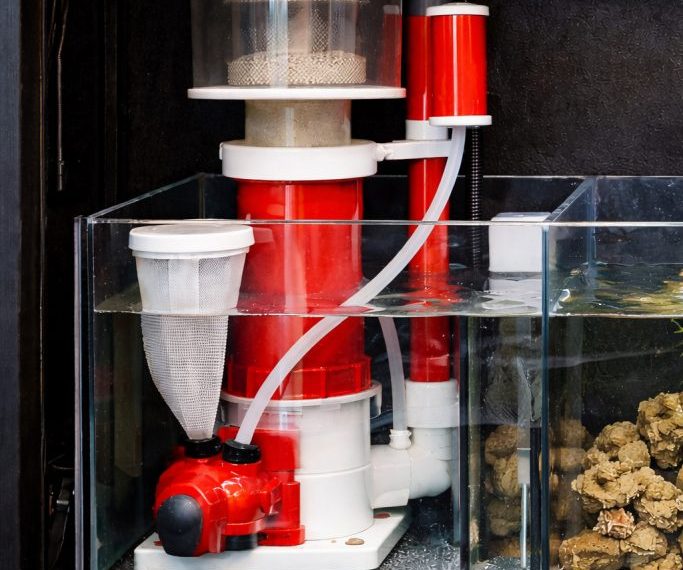
Protein Skimmer Reef Tank Guide
Learn how a protein skimmer works, how to size one, and how to tune it for a cleaner,…
 By
By
Reef Aquarium Water Parameters
Learn the ideal reef aquarium water parameters, safe ranges, and how to keep salinity, alkalinity, nutrients, and pH…