SPS corals reward stable tanks with fast growth and sharp color. They also punish swings with tissue loss. This guide covers simple, repeatable SPS coral care basics.
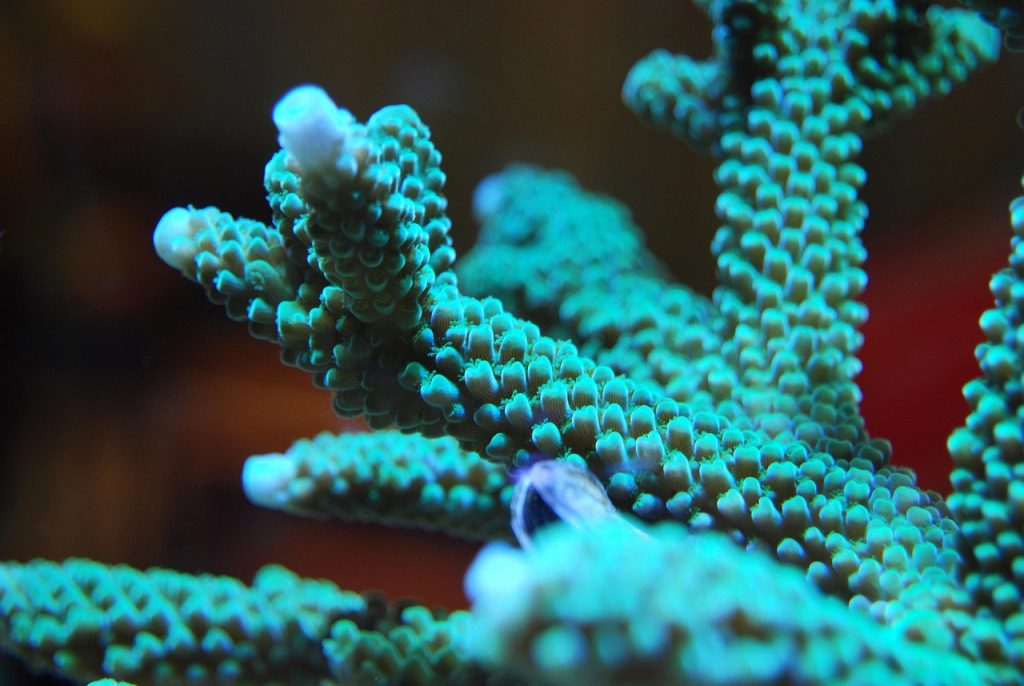
Start with stability, not gadgets
SPS need steady parameters more than “perfect” numbers. Keep salinity at 1.025–1.026 specific gravity. Hold temperature at 25–26°C (77–79°F). Avoid daily swings over 0.5°C.
Alkalinity drives growth and can crash fast. Target 7.5–9.0 dKH for most mixed reefs. Keep daily change under 0.3 dKH. Calcium should sit near 420–450 ppm. Magnesium should stay 1280–1400 ppm.
Pick a nutrient range and keep it consistent. Nitrate at 2–10 ppm works for many tanks. Phosphate at 0.03–0.10 ppm is a common target. Ultra-low nutrients can pale corals. High nutrients can brown them.
Use testing that matches your schedule. Test alkalinity 3–5 times weekly at first. Log results in a note app. When stable, test 1–2 times weekly. For setup steps, see reef tank parameter guide.
- Mix saltwater to 35 ppt and match tank temperature.
- Do water changes of 5–10% weekly for trace balance.
- Calibrate refractometers monthly with 35 ppt fluid.
Light and flow: set them with intent
SPS need strong light, but they need time to adapt. Many Acropora and Montipora do well at 250–350 PAR. Some thrive at 200–250 PAR in nutrient-rich tanks. Start lower and ramp up over 2–4 weeks.
Use a consistent photoperiod. Run 8–10 hours of peak intensity. Add 1–2 hours of ramp if you like. Avoid changing spectrum weekly. Stick to a blue-heavy reef spectrum for steady results.
Flow should be high and chaotic. Aim for 20–40x tank turnover per hour. Use two pumps facing each other for random turbulence. Dead spots cause detritus and tissue recession. Direct blasts can strip tissue from tips.
Place new frags mid-level with good crossflow. Watch polyp extension at night and day. If tissue looks dull or tight, reduce PAR by 10–15%. If algae grows on the base, increase flow and reduce detritus.
- Acclimate light by raising fixtures or lowering intensity 20%.
- Clean pump guards and powerheads every 4–6 weeks.
- Keep SPS away from sand storms and direct return outlets.
Feeding, dosing, and common troubleshooting
SPS still benefit from food, even with strong light. Feed fish well to support nutrients. Add small coral foods 1–3 times weekly. Turn off skimmers for 20–30 minutes during feeding. Avoid heavy dosing that spikes phosphate.
Match dosing to consumption. Two-part works for small systems. Start at 0.5–1.0 ml per 10 gallons daily. Adjust after three days of alkalinity readings. For larger reefs, a calcium reactor can smooth demand. Learn options in reef alkalinity dosing.
Quarantine and dip all frags. Use a coral dip for 5–10 minutes. Rinse in clean saltwater before placement. Inspect for flatworms and red bugs with a flashlight. Check again at day 7 and day 14.
Common issues have patterns. Tip burn often means alkalinity rose too fast. Browning often means low light or high nutrients. STN at the base can signal low flow or pests. If you see rapid tissue loss, frag healthy tips fast. Mount them on clean plugs. For pest control basics, see coral pest control.
- If alkalinity swings, check dosing pump calibration and tubing clogs.
- If phosphate hits 0.00, feed more and reduce phosphate media.
- If cyano appears, increase flow and reduce dissolved organics.
SPS success comes from repeatable routines. Keep parameters steady and changes small. Set light and flow, then stop chasing daily tweaks. With patience, your frags will encrust, branch, and color up.
Sources: Randy Holmes-Farley, “Alkalinity in Reef Aquaria” (Reefkeeping Magazine); Dana Riddle, “Light and Photosynthesis in Reef Aquaria” (Advanced Aquarist); Julian Sprung, The Reef Aquarium (Vol. 1–3).
Was this helpful?
Related Posts
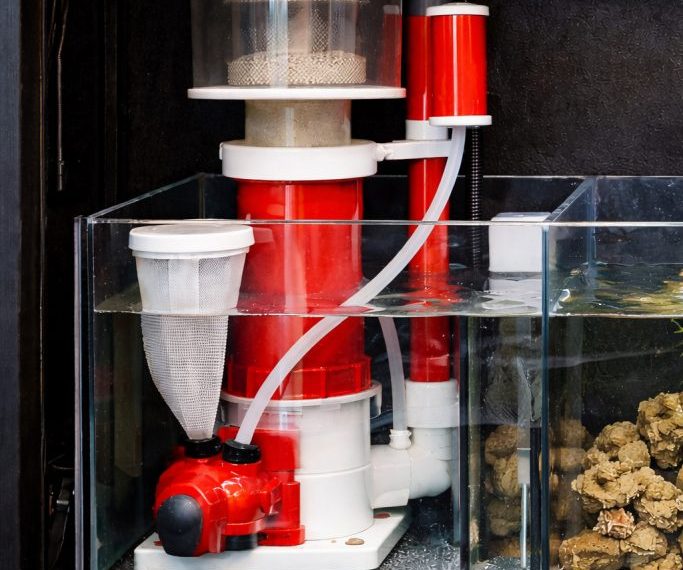
Protein Skimmer Reef Tank Guide
Learn how a protein skimmer works, how to size one, and how to tune it for a cleaner,…
 By
By
Reef Aquarium Water Parameters
Learn the ideal reef aquarium water parameters, safe ranges, and how to keep salinity, alkalinity, nutrients, and pH…