How to Plan and Stock a Saltwater Aquarium the Smart Way
Stocking a saltwater aquarium is one of the most exciting parts of the hobby—and one of the easiest places to make mistakes. Adding fish too quickly, choosing incompatible species, or overloading your system can lead to stress, disease, and disappointment. With a bit of planning, you can build a thriving, peaceful reef or fish-only tank that’s a joy to watch and easy to maintain.
Start with a Stocking Plan, Not a Shopping Spree
Before you buy your first fish, take a step back and design a stocking plan around your tank size, filtration, and experience level. If you’re still in the planning phase, check out our guide on setting up a saltwater aquarium so your system is ready long before the first fish arrives.
Know Your Tank’s Limits
Saltwater systems handle bioload differently than freshwater. A common beginner guideline is to stock lightly and slowly:
- 20–30 gallons: 3–5 small fish (clownfish, gobies, firefish)
- 40–75 gallons: 6–10 small to medium fish
- 75+ gallons: Room for larger or more active species, but still stock gradually
These are rough ranges, not hard rules. Filtration capacity, aquascape, and maintenance habits all matter. When in doubt, understock.
Research Compatibility and Behavior
Not all beautiful fish play nicely together. When building your list, consider:
- Temperament: Peaceful, semi-aggressive, or aggressive?
- Territory: Do they defend a rock, a cave, or the whole tank?
- Diet: Carnivore, omnivore, herbivore—will they eat your corals or inverts?
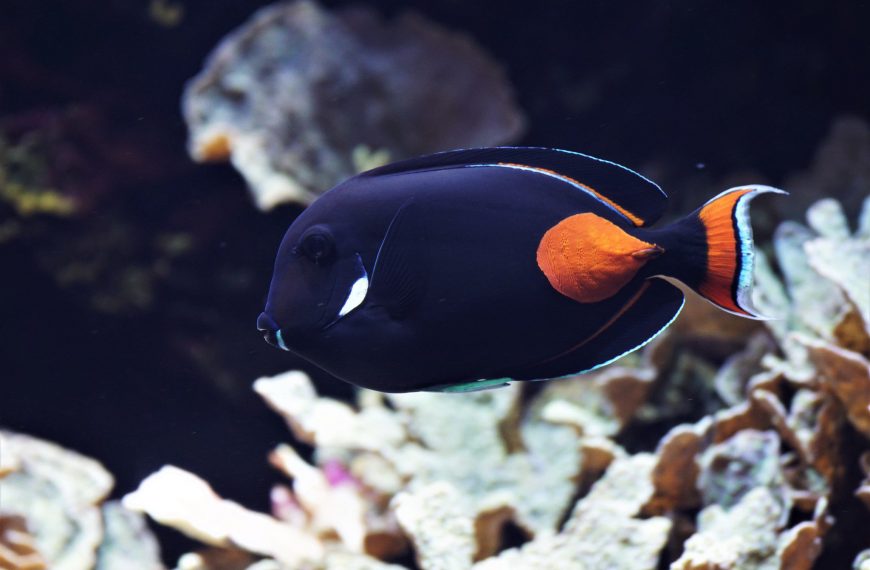
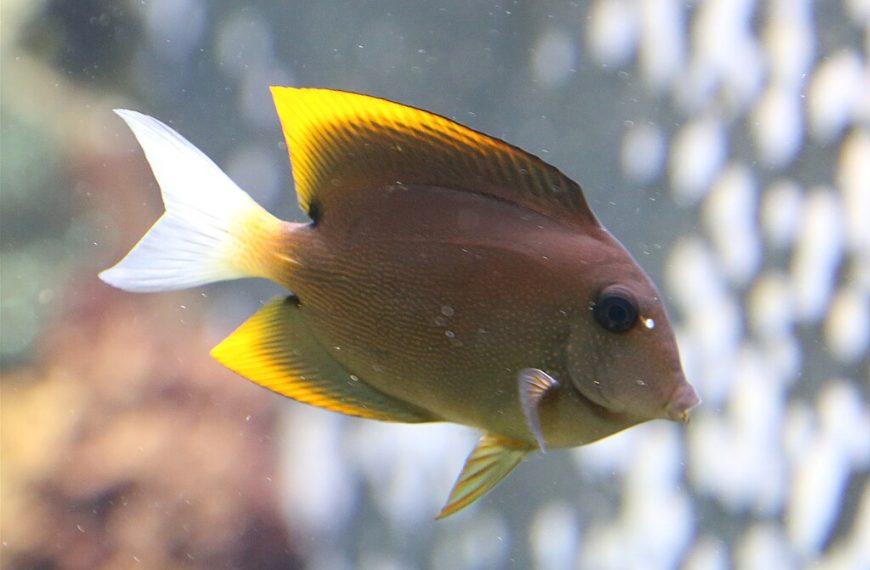
- Adult size: That cute 2-inch juvenile tang can grow to 8–10 inches.
Many hobbyists like to start with hardy, peaceful fish such as clownfish, gobies, and blennies, then add more specialized species later.
Tip: Make a written stocking list in order of introduction, and bring it to your local fish store. It helps you avoid impulse buys that don’t fit your plan.
Order of Introduction: Who Goes In First?
The order you add fish can make or break your tank’s long-term harmony. As a rule, add the most peaceful and least territorial fish first, and save the more assertive species for last.
A Simple Stocking Order for Beginners
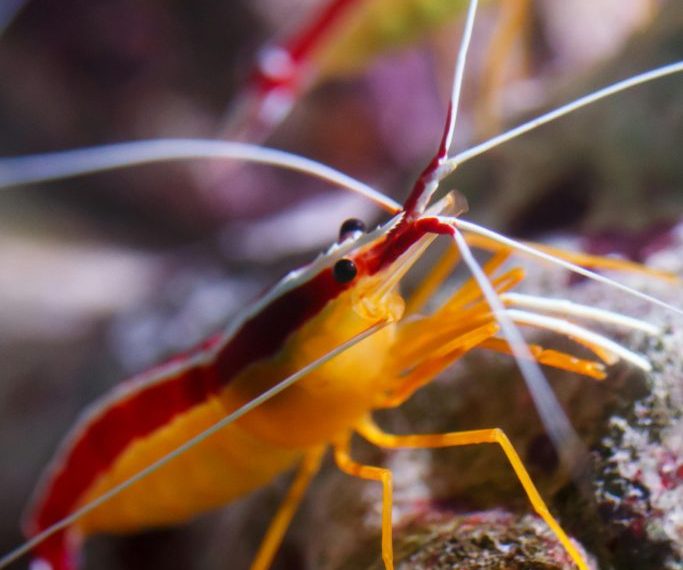
- Phase 1 – Clean-up crew: Snails, hermit crabs, and other inverts once ammonia and nitrite are zero.
- Phase 2 – Hardy, peaceful fish: Clownfish, firefish, small gobies.
- Phase 3 – Active swimmers: Wrasses, dwarf angelfish (if reef-safe), larger gobies.
- Phase 4 – Semi-aggressive fish: Tangs, dottybacks, or other territorial species added last.
Introduce new fish one or two at a time and allow your biological filtration to catch up. For more on preparing your system, see our article on cycling a saltwater tank.
Quarantine and Acclimation
Quarantining new arrivals protects your display tank from parasites and disease. A simple 10–20 gallon quarantine tank with basic filtration and hiding spots can save you from major headaches later.
- Observe new fish for 2–4 weeks.
- Watch for signs of ich, velvet, or bacterial infections.
- Use drip acclimation to gently match salinity and temperature before transfer.
Stocking for Long-Term Success
Think of stocking as a slow, ongoing project rather than a one-day event. Test water parameters regularly, especially after adding new fish, and be ready to pause stocking if nutrients or aggression spike. As your experience grows, you can explore more challenging species and even corals—our guide to beginner reef tank corals is a great next step.
With patience, research, and a thoughtful stocking plan, your saltwater aquarium will become a stable, vibrant ecosystem where fish and invertebrates thrive for years.
Sources
- Fenner, R. (2008). The Conscientious Marine Aquarist. TFH Publications.
- Sprung, J., & Delbeek, J. (1994–2005). The Reef Aquarium Vol. 1–3. Ricordea Publishing.
- Humphreys, R. (2020). Marine Aquarium Handbook: Beginner to Breeder. TFH Publications.
Was this helpful?
Related Posts
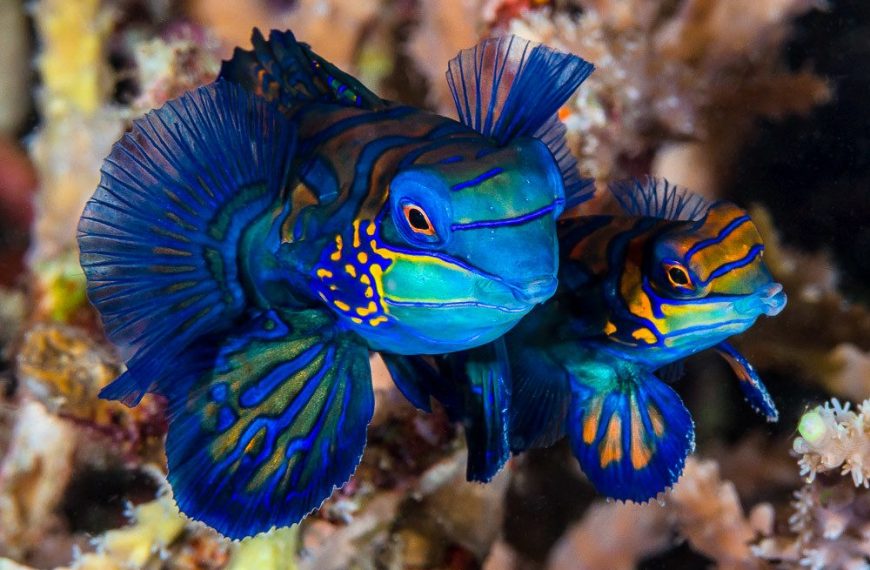
Dragonets Fish Care
Dragonets are beautiful reef fish, but they need mature tanks and steady food sources. Learn how to keep…
 By
By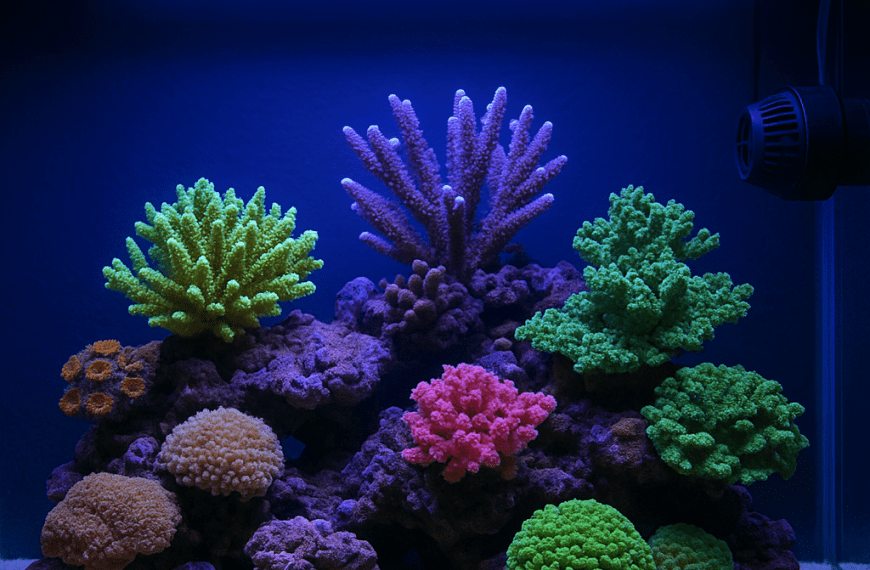
Lighting For Aquarium
Lighting for Aquarium: Getting Saltwater Illumination Right Lighting for a saltwater aquarium is about much more than simply…