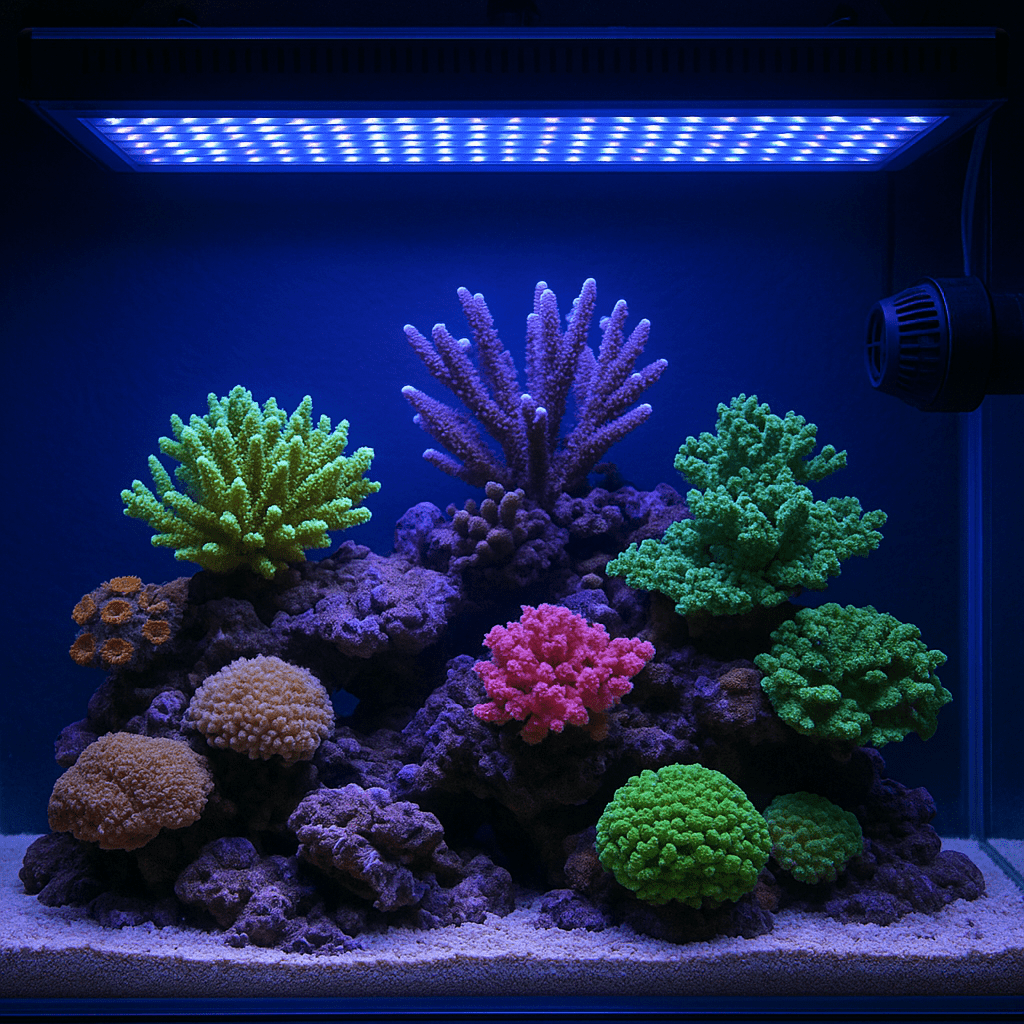
A reef tank sump adds water volume, hides equipment, and improves stability. The right sump setup also makes maintenance easier. In this guide, you will learn how to choose a sump, plan each chamber, set water height, and avoid common mistakes.
Many reef keepers treat the display tank as the main system. In practice, the sump often decides how easy the tank is to run. A good sump keeps heaters, skimmers, probes, and reactors out of sight. It also gives you space for filtration and top off water management. That means a cleaner display and more stable water chemistry. Beginners often feel overwhelmed by baffles, drains, and return pumps. The good news is that most successful sump setups follow the same simple rules. You need reliable drainage, enough empty space for power outages, and a layout that matches your goals. This article covers sump types, chamber design, plumbing basics, equipment placement, and troubleshooting tips for reef tanks of all sizes.
Quick Reference Table
| Topic | Best Practice |
|---|---|
| Sump size | Aim for 20 to 40 percent of display volume |
| Drain type | Herbie or Bean Animal for quieter, safer flow |
| Skimmer chamber | Keep stable water depth based on skimmer manual |
| Return section | Make it large enough to limit salinity swings |
| Flow through sump | Usually 3 to 7 times display volume per hour |
| Power outage space | Leave enough empty volume for drain-down water |
| ATO use | Strongly recommended for stable salinity |
| Refugium lighting | Run opposite display lights to help pH stability |
This table gives you a fast starting point. Fine tuning still matters. Your skimmer, plumbing, and livestock goals should guide the final layout.
What a Sump Does for a Reef Tank
A sump is a second tank below the display. Water drains down to it and then returns by pump. This simple loop creates several major benefits. First, it increases total water volume. More water means slower swings in temperature, salinity, and nutrients. That helps corals handle daily changes better. Second, it hides equipment. Heaters, skimmers, probes, and media reactors can stay out of the display. Your aquascape looks cleaner and fish have more room. Third, a sump improves gas exchange. Water moving through the overflow and sump brings in oxygen and releases carbon dioxide. This supports fish health and can help pH. Finally, a sump makes upgrades easier. You can add a refugium, roller mat, UV feed line, or dosing lines without cluttering the display. For many reef keepers, a sump is the biggest quality of life improvement after an auto top off system.
Types of Sump Setups
There is no single perfect sump design. The best option depends on your tank size, budget, and filtration style. Standard glass aquarium sumps are common and affordable. Many hobbyists use a 20 gallon long, 40 breeder, or similar tank with baffles added. Acrylic sumps are lighter and often include built-in filter sock holders and probe mounts. They are popular for custom systems. All-in-one reef tanks usually skip a separate sump. Instead, they use rear chambers. Those work well on smaller tanks but offer less flexibility. Some reef keepers prefer simple sumps with only a drain chamber and return section. Others want a refugium, roller filter, dosing container area, and manifold. Neither approach is automatically better. Simpler systems are easier to maintain. More complex systems offer more filtration options. The key is to match the sump to your real needs, not every possible future upgrade. Extra features only help if you will use and maintain them.
Main Sump Chambers Explained
Most reef sumps use three basic zones. The first is the drain or mechanical filtration chamber. This is where water enters from the overflow. It often holds filter socks, a fleece roller, or a cup for coarse debris. The second is the skimmer or refugium section. In many layouts, the skimmer sits first because it processes raw surface water. Some hobbyists place a refugium before the skimmer. Others place it after. Both can work if flow is sensible. The third is the return section. This is where the return pump sits and sends water back to the display. It is also the only section where water level changes from evaporation in most designs. That makes it the usual place for the ATO sensor. Some sumps include a bubble trap between sections. This uses baffles to reduce microbubbles. Keep chamber design practical. Leave enough room to remove the skimmer cup, clean pumps, and access plumbing without draining the sump.
How to Size a Sump Correctly
Bigger is usually better, but only if it fits safely in the stand. A good target is 20 to 40 percent of display volume. For a 75 gallon reef, a sump around 20 to 30 gallons works well. For a 120 gallon reef, many hobbyists choose 30 to 50 gallons. The most important sizing rule is power outage capacity. When the return pump stops, water drains from the overflow and return lines into the sump. The sump must hold that extra water without overflowing. Test this before the tank is stocked. Fill the system, turn off the pump, and watch the highest water line. Mark a maximum operating level below that point. Also think about maintenance space. A cramped sump becomes frustrating fast. You need room to remove socks, clean the skimmer, and pull out the return pump. If your stand is tight, a well planned smaller sump can outperform a large but inaccessible one.
Plumbing Basics for Quiet and Safe Operation
Good plumbing prevents noise, floods, and flow issues. For reef tanks with drilled overflows, a Herbie drain is a strong choice. It uses a full siphon main drain and an emergency drain. This setup is quiet and reliable when tuned correctly. A Bean Animal adds a third pipe and offers even more safety. Single drain systems are common on budget tanks, but they are louder and less forgiving. On the return side, use a pump matched to your head height. Many hobbyists oversize the pump and then throttle it back. That works, but it can waste power. Include unions and valves where needed. Unions let you remove pumps or plumbing for cleaning. A gate valve is ideal for tuning a siphon drain. Avoid check valves as your only flood protection. They can fail from debris or snail shells. Instead, keep return nozzles near the surface and leave enough sump space for drain-down. Simple, serviceable plumbing beats complicated plumbing every time.
Step by Step: Building a Practical Reef Sump Setup
Start by measuring the inside of your stand. Confirm the sump can fit through the door opening too. Next, decide your chamber order. A common layout is drain and mechanical filtration, then skimmer or refugium, then return. Choose a sump that leaves room for equipment removal. Install the overflow and plumbing. Dry fit everything first. Add unions near the pump and key plumbing points. Set the sump in place and level it. Install the skimmer in a chamber with the correct water depth. Add the return pump and route the return line to the display. Place the ATO sensor in the return section. Fill the system with freshwater for a leak test. Turn the pump on and tune the drain. Then cut power and confirm the sump can hold all drain-down water. After that, drain the test water and fill with saltwater. Let the system run for a day before adding livestock. This process prevents costly mistakes and gives you time to correct noise or water level issues.
Equipment Placement and Best Practices
Place equipment where it works best and stays easy to service. Filter socks or a roller mat belong where drain water enters. They catch detritus before it breaks down. Protein skimmers usually perform best in a chamber with stable water depth. Check the manufacturer recommendation before setting baffle height. Heaters can go in the skimmer chamber or return chamber if flow is strong. Temperature probes should sit in an area with steady circulation. Media reactors can draw water from the sump and return it there. Keep their outlets away from the return pump intake when possible. This improves contact time. The return section should stay uncluttered. It needs enough room for the pump, ATO sensor, and maybe a small heater or probe. If you use a refugium, give macroalgae moderate flow and a dedicated light. Keep cords organized and use drip loops. Label plugs if you use multiple controllers. Small organization steps make future maintenance much easier.
Refugium or No Refugium?
A refugium can be useful, but it is not mandatory. It usually holds macroalgae, live rock rubble, and sometimes copepods. The main benefit is nutrient export. As macroalgae grows, it consumes nitrate and phosphate. Harvesting it removes those nutrients from the system. A refugium can also support pod populations for mandarins and other picky feeders. Some hobbyists run the refugium light opposite the display schedule. That may help reduce nighttime pH drops. Still, refugiums are not magic. They need space, proper lighting, and regular algae harvests. If neglected, they can collect detritus and become less effective. On smaller tanks, a simple sump without a refugium may be easier to maintain. If your nutrients already run very low, a refugium can strip them further and stress corals. Choose one if it fits your nutrient goals and maintenance style. Skip it if you prefer a cleaner, simpler filtration approach.
Water Level, Evaporation, and ATO Management
Water level control is one of the most important sump topics. In most designs, the skimmer chamber stays at a fixed height. The return section changes with evaporation. As water evaporates, salinity rises and the return section drops. If that section is too small, salinity can swing quickly. That is why an auto top off system is strongly recommended. The ATO adds fresh water to replace evaporation and keeps salinity stable. Place the sensor in the return chamber. Keep it away from splashing and turbulence. Test the system often and clean the sensor regularly. Also size your ATO reservoir for your home. Dry climates and open top tanks evaporate more water. During setup, mark the normal operating water level on the sump. This helps with daily checks. Never top off with saltwater unless you removed saltwater physically. Evaporation leaves salt behind. Use fresh RO/DI water for top off. Stable salinity is critical for coral health and long term reef success.
Common Problems
Why is my sump so noisy?
Noise usually comes from the drain, not the return pump. Air mixing with water in the standpipe is the most common cause. Tune a Herbie drain slowly with a gate valve. Make sure the emergency drain stays open and dry during normal operation. Also check for splashing where water enters the sump. Lowering the drain outlet under the water surface can help. Filter socks and roller mats often reduce splash noise too.
Why do I have microbubbles in the display?
Microbubbles often come from a new skimmer, a leak on the pump intake, or poor baffle design. Check that the skimmer is broken in and not overflowing. Inspect plumbing unions and fittings for air leaks. Make sure the return pump is not sucking in bubbles from the skimmer outlet or drain chamber. A sponge or bubble trap can help, but fix the source first.
Why does my sump water level keep changing?
If the skimmer chamber changes, your baffle layout may be wrong or your drain tuning may be unstable. If only the return section changes, that is normal evaporation. An ATO solves this. Also check for salt creep or snails affecting overflow performance. Inconsistent drain flow can make water levels swing more than expected.
Why did my sump nearly overflow during a power outage?
Your operating water level is likely too high. Lower it and retest. Also keep return nozzles near the surface so they break siphon quickly. Do not rely only on check valves. Test real power-off conditions after any plumbing change. This should be part of routine system checks.
Maintenance Tips for Long Term Success
Sumps work best when they stay clean and accessible. Replace or wash filter socks often. Dirty socks trap waste and raise nutrients. Empty and clean the skimmer cup regularly. Wipe salt creep from plumbing and stand walls before it builds up. Inspect the return pump every few months and remove calcium deposits. Check ATO sensors for film or snails. If you run a refugium, harvest macroalgae before it overgrows and shades itself. Vacuum detritus from dead spots during water changes. Also test your power outage capacity after major equipment changes. New nozzles or plumbing runs can change drain-down volume. Keep spare tubing, unions, and a backup return pump if possible. Small failures happen at the worst times. Preventive maintenance protects your reef and reduces stress. A sump should make reef keeping easier. If it feels hard to service, simplify the layout and remove equipment you rarely use.
Frequently Asked Questions
Do all reef tanks need a sump?
No. Many nano reefs succeed without one. Still, a sump adds flexibility, hides equipment, and improves stability. Larger reefs benefit the most.
How much flow should go through a reef sump?
Most systems do well at about 3 to 7 times display volume per hour. Internal flow pumps handle coral flow needs inside the display.
Should the skimmer be before or after the refugium?
Either can work. Many hobbyists place the skimmer first to process raw water. Choose the layout that best fits your sump and maintenance habits.
Can I use a freshwater tank as a reef sump?
Yes. Many reef keepers use standard glass aquariums as sumps. Just add proper baffles and confirm the tank fits your stand and drain-down volume.
What is the most important sump upgrade for beginners?
An auto top off system is often the best upgrade. It keeps salinity stable and reduces daily maintenance.
Related FancyReef Guides
- reef tank setup guide
- protein skimmer for reef tank
- reef tank water parameters
- auto top off systems
- reef tank plumbing basics
A sump does not need to be complicated to work well. Focus on safety, stable water levels, and easy maintenance. If your sump is quiet, accessible, and tested for outages, you are already ahead of many reef keepers. Build around your actual goals, and your reef will be easier to manage for years.
Was this helpful?
Related Posts
Reef Tank Top Off
Reef tank top off replaces evaporated water with fresh RODI to keep salinity stable. Learn manual top off,…
 By
ByCoral Lighting Basics
Learn coral lighting basics, including PAR, spectrum, and simple reef light schedules for healthy coral growth and color.