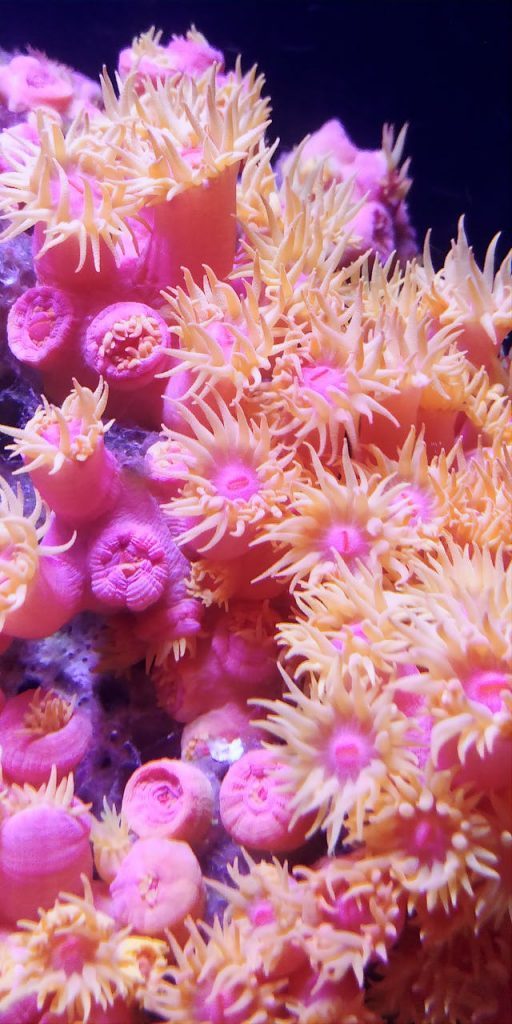
Sun corals are bold, bright, and surprisingly hardy. They also break one common reef rule. They do not rely on light for food.
These corals thrive when you feed them well and keep water stable. This guide covers setup, feeding, and fixes for common problems.
Understanding sun coral needs
Sun corals (Tubastraea) are non-photosynthetic. They get energy from captured food. You can place them in shade or low light without issues.
Start with stable reef parameters. Aim for 24–26°C (75–79°F) and salinity 1.025–1.026. Keep alkalinity 8–9 dKH, calcium 400–450 ppm, and magnesium 1250–1400 ppm.
Flow matters more than light. Use moderate, indirect flow that keeps food moving. Avoid blasting the tissue with a powerhead.
Sun corals prefer low competition. Keep them away from aggressive LPS sweepers. Leave 10–15 cm of space from stinging neighbors.
- Best placement: shaded ledge, cave entrance, or vertical rock face
- Target nutrients: nitrate 2–15 ppm, phosphate 0.03–0.10 ppm
- Stability goal: salinity swing under 0.001 per day
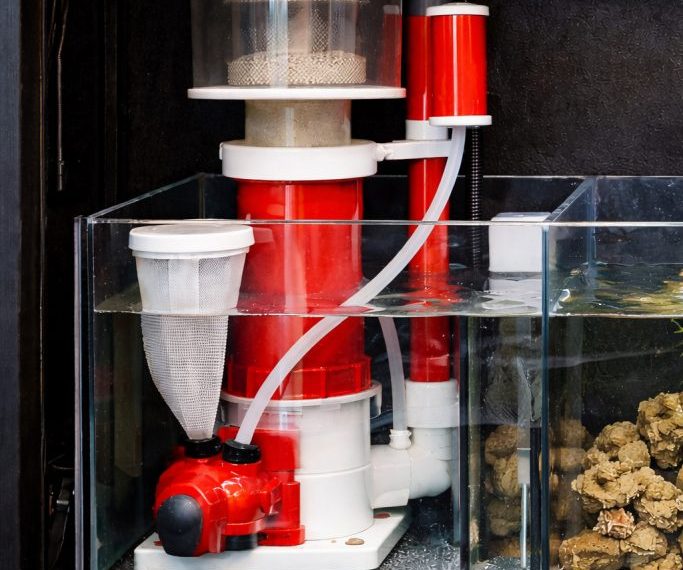
If your tank runs ultra-low nutrients, feeding becomes harder. You may need to dose nutrients or feed heavier. Review your export plan in protein skimmer tuning.
Feeding routine that actually works
Feeding is the make-or-break step. Plan to feed 4–6 times per week at first. Daily feeding often gives faster recovery and growth.
Train the coral to open on schedule. Feed at the same time each day, often after lights out. Start by adding a small cloud of food to the water.
Wait 10–15 minutes for tentacles to extend. Then target feed each polyp. Use a pipette or turkey baster from 2–5 cm away.
Use meaty foods with mixed particle sizes. Good options include mysis, brine, finely chopped shrimp, and reef roids-style powders. Rinse frozen food to reduce phosphate spikes.
- Step 1: turn off return and skimmer for 20–30 minutes
- Step 2: “prime” with a small food cloud
- Step 3: target feed 1–3 small pieces per polyp
- Step 4: restore flow, then restart skimmer after 30–60 minutes
If fish steal food, use a feeding dome or cut bottle top. Place it over the colony during feeding. This also helps shy polyps eat.
Heavy feeding raises nutrients. Plan extra export and testing. See nitrate and phosphate control for balanced methods.
Troubleshooting, growth, and long-term care
Closed polyps are the top complaint. First, check flow and feeding timing. Many colonies open best in low light and low disturbance.
If tissue recedes, suspect starvation or pests. Increase feeding frequency for two weeks. Inspect for vermetid snails, aiptasia, and flatworms near the base.
Algae overgrowth is common on shaded rock. Brush the skeleton gently with a soft toothbrush. Improve flow and keep nitrate under 20 ppm.
Sun corals can be fragged once healthy. Cut between heads with bone cutters. Glue the frag to rubble and feed daily for 10 days.
- Common mistake: relying on broadcast feeding only
- Common mistake: placing in dead flow where detritus settles
- Quick win: feed smaller portions more often for better capture
Quarantine helps with hitchhikers. Dip carefully and avoid harsh exposure. Our coral dip guide covers safer options and timing.
Sources: Borneman, E. (2001) Aquarium Corals; Delbeek & Sprung (1994–2005) The Reef Aquarium series; Fenner, R. (2003) The Conscientious Marine Aquarist.
Sun corals reward consistent feeding and stable water. Set a schedule and track nutrients weekly. With practice, your colony will open on cue and grow new heads.
Was this helpful?
Related Posts
Protein Skimmer Reef Tank Guide
Learn how a protein skimmer works, how to size one, and how to tune it for a cleaner,…
 By
By
Reef Aquarium Water Parameters
Learn the ideal reef aquarium water parameters, safe ranges, and how to keep salinity, alkalinity, nutrients, and pH…