

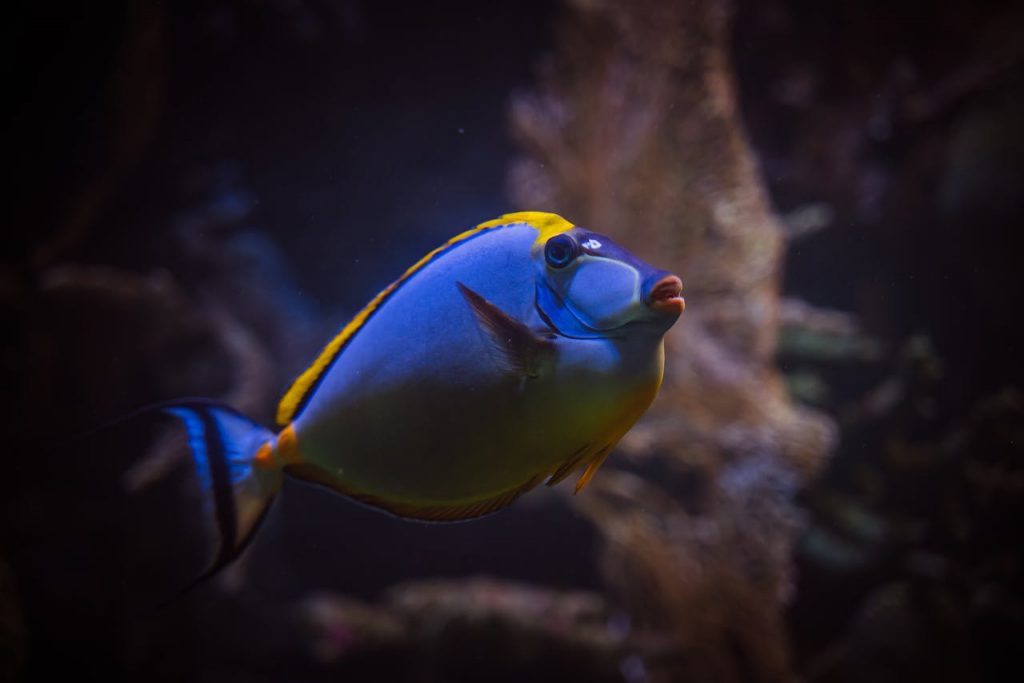
Tangs need more space than many new reef keepers expect. Most species are fast swimmers, constant grazers, and territorial fish. The right tank size depends on adult length, activity level, and temperament. In this guide, you will learn minimum tank sizes for popular tangs, how to plan for long-term growth, and how to avoid common stocking mistakes.
Tangs are among the most desired saltwater fish in the hobby. They bring bright color, nonstop movement, and useful algae grazing. They also create many problems when kept in tanks that are too small. A cramped tank leads to stress, aggression, poor body condition, and disease outbreaks. Many hobbyists buy a small juvenile tang and assume it will adapt. That usually ends badly. Tank size for tangs is not just about gallons. It is also about swimming length, rock layout, oxygen levels, and compatibility with tankmates. This article explains realistic tang tank size requirements for common species. It also shows how to choose a tang that truly fits your reef aquarium.
Tang Tank Size Quick Reference
| Species | Adult Size | Minimum Tank Size | Notes |
|---|---|---|---|
| Kole Tang | 7 inches | 70 gallons | Good bristletooth option for smaller reefs |
| Tomini Tang | 6 inches | 70 gallons | One of the best tangs for modest systems |
| Yellow Tang | 8 inches | 90 gallons | Active swimmer with territorial behavior |
| Purple Tang | 8 to 10 inches | 120 gallons | Beautiful but often aggressive |
| Powder Blue Tang | 9 inches | 125 gallons | Needs pristine water and strong flow |
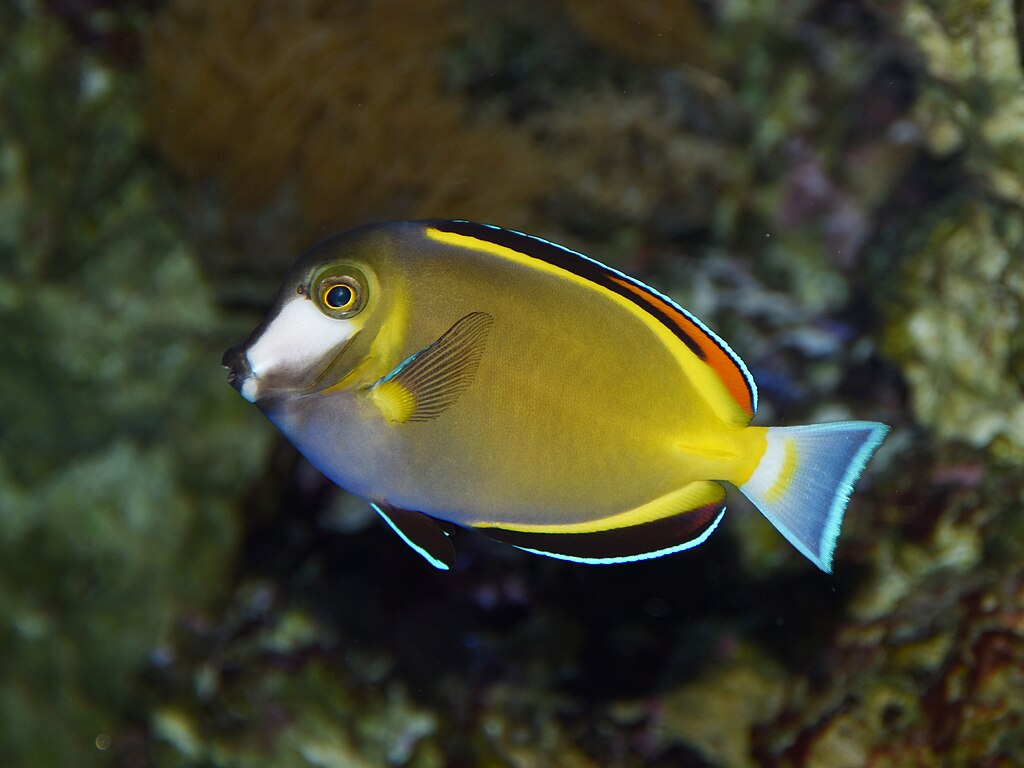
| Powder Brown Tang | 8 inches | 125 gallons | Active and disease prone under stress |
| Sailfin Tang | 15 inches | 180 gallons | Very large adult with broad body shape |
| Naso Tang | 18 inches | 220 gallons | Needs major swimming room long term |
| Hippo Tang | 10 to 12 inches | 180 gallons | Fast swimmer that outgrows small tanks |
These numbers are practical minimums for long-term care. Bigger is always better with tangs. A tank that merely meets the minimum still needs excellent aquascaping and strong filtration.
Why Tang Tank Size Matters So Much
Tangs are built for movement. In nature, they spend the day cruising reefs and grazing algae. They do not hover in one cave like a goby. They need open lanes and room to turn easily. This is why a short tank often fails, even if the gallon count sounds decent.
Small tanks create several issues fast. Stress is the first problem. A stressed tang often stops grazing well. Then its body weight drops. Its immune system weakens. This raises the risk of marine ich and other infections. Aggression is another major issue. Tangs often claim the whole tank when space is limited. They may chase new fish nonstop. They may also fight other algae grazers.
Waste load matters too. Tangs eat often and produce a lot of waste. A larger tank gives more stability. That helps maintain oxygen, pH, and nutrient balance. For active fish like tangs, stability is part of proper tank size.
How to Choose the Right Tank Size for a Tang
Start with the fish’s adult size, not its store size. A two-inch juvenile yellow tang looks tiny. It still grows into a strong, active fish. Next, consider body shape. Deep-bodied tangs need more turning room than slender fish. Activity level matters too. Powder blue tangs and hippo tangs are constant swimmers. They need long tanks with open water.
Tank footprint is often more important than raw volume. A four-foot 90-gallon tank works for some medium tangs. A tall but short tank with the same volume does not work as well. Length gives better swimming space. Width helps reduce stress during turns and chases. Aquascape also changes usable space. A wall of rock from end to end shrinks the swimming area. Open structures are better.
Finally, think about your stocking plan. A tang in a peaceful fish community behaves differently than one in a crowded tank full of other assertive fish. More fish means more competition and less room.
Minimum Tank Sizes for Popular Tang Species
Bristletooth tangs are usually the best choice for smaller reef tanks. This group includes the kole tang and tomini tang. They stay smaller than many surgeonfish and spend more time picking at film algae on rocks. A 70-gallon tank is a fair minimum for one adult, though larger is still safer.
Yellow tangs need more room than many care sheets claim. A 90-gallon tank is a realistic minimum for one adult. Purple tangs are more aggressive and should have at least 120 gallons. Powder blue and powder brown tangs also need at least 125 gallons. They are active, sensitive, and prone to stress-related disease.
Larger tangs need very large systems. Hippo tangs need around 180 gallons long term. Sailfin tangs also need about 180 gallons due to their tall, broad bodies. Naso tangs belong in 220-gallon systems or larger. They become huge, powerful fish. They are not suitable for average home reefs.
If your tank is under 70 gallons, it is best to skip tangs entirely. There are better algae eaters for nano and small reef tanks.
Aquarium Setup for Tangs
Tangs need a layout that balances shelter and swimming room. Build rockwork with arches, islands, and gaps. Leave open lanes across the front and center of the tank. Avoid stacking rock into a solid wall. That traps detritus and limits movement.
Strong filtration helps a lot. Tangs eat heavy vegetable-based diets and produce steady waste. Use an efficient protein skimmer. Maintain good flow throughout the tank. Surface agitation is especially important because tangs have high oxygen demand. Stable salinity and temperature also matter. Rapid swings increase stress and disease risk.
Use a secure lid if possible. Some tangs can bolt during aggression or sudden fright. Add grazing opportunities as well. Natural film algae on rocks is useful, but it should not be the only food source. Clip seaweed in several areas if you keep more than one herbivore. This reduces competition during feeding.
Natural Habitat and What It Tells Us
Tangs come from reef environments with constant water movement and long grazing routes. Many species live on reef slopes, lagoon edges, or outer reef zones. They spend much of the day searching for algae, biofilm, and tiny plant material. Some species move alone. Others form loose groups or schools.
This natural behavior explains why they struggle in cramped aquariums. They are not ambush predators. They are active herbivores with a daily routine built around movement. Their bodies reflect that lifestyle. Many have narrow profiles for speed and sharp scalpels near the tail for defense. In a small tank, normal behavior turns into pacing, circling, or aggression.
When you understand their habitat, tank size recommendations make more sense. A tang does not need space because it is simply big. It needs space because its whole biology depends on swimming, grazing, and maintaining social distance.
Feeding and Its Link to Tank Size
Tangs should eat often. Most do best with algae-based foods offered daily, and often more than once per day. Dried nori, spirulina blends, herbivore pellets, and quality frozen foods all help. Some species also benefit from mysis and other meaty foods in moderation.
Why does this matter for tank size? Heavy feeding increases waste. In a small tank, nutrients rise quickly and oxygen can fall at night. Tangs then face poor water quality and weak immune response. A larger aquarium handles this feeding routine better. It also allows multiple feeding stations, which reduces fighting.
Watch body shape closely. A healthy tang should look full through the belly and shoulders. Pinched sides often mean underfeeding, bullying, internal parasites, or chronic stress from poor housing. If a tang cannot feed calmly, the tank may be too small or too crowded.
Compatibility and Stocking Considerations
Tangs can work well in reef tanks, but compatibility depends on space. In larger aquariums, many tangs coexist with clownfish, wrasses, gobies, blennies, and reef-safe angelfish. In small tanks, even peaceful tangs may become dominant. They often target fish with similar shape or feeding habits.
Keeping multiple tangs is advanced. It usually requires a large tank, careful species selection, and strategic introduction order. Tangs from the same genus often fight the hardest. For example, yellow and purple tangs can clash badly. Bristletooth tangs may mix better with zebrasoma or acanthurus species in very large tanks, but success is never guaranteed.
Coral safety is usually not the issue. Most tangs are considered reef safe. The real risk is territorial stress in the fish community. If you want more than one tang, plan for extra length, extra feeding stations, and backup removal options.
Step-by-Step: Deciding If Your Tank Can House a Tang
- Measure tank length and width, not just gallons.
- Check the tang’s true adult size from reliable sources.
- Choose the minimum tank size based on adult needs.
- Review your aquascape for open swimming lanes.
- Count existing fish and note any aggressive species.
- Confirm you can provide strong flow and oxygenation.
- Plan a daily herbivore feeding routine.
- Quarantine the tang before display introduction.
- Use an acclimation box if aggression is likely.
- Have a backup plan if the fish outgrows the system.
If any of these steps reveal a weak point, wait. It is better to choose a smaller grazer than force a tang into the wrong setup.
Common Problems
My tang paces the glass all day
This usually points to stress, limited swimming space, or reflection chasing. Check tank length first. Review rock placement and open lanes. Reduce visual reflections on side panels. Also watch for bullying from other fish.
My tang became aggressive after a few months
This often happens as the fish matures and claims territory. Small tanks make it worse. Increase feeding frequency, add algae clips in multiple spots, and consider reworking rockwork. If aggression continues, the tank may be too small for that species.
My tang keeps getting ich
Tangs are very prone to visible parasite outbreaks under stress. Poor quarantine is one cause. Another is chronic stress from crowding, poor water quality, or unstable conditions. Improve husbandry and address the root issue. A too-small tank often plays a major role.
Can I buy a small tang and upgrade later?
Sometimes, but it is risky. Upgrades get delayed often. The fish then spends too long in poor conditions. Only do this if the upgrade is already funded, planned, and near completion. Otherwise, buy species that fit your current tank.
Frequently Asked Questions
What is the smallest tank for a tang?
About 70 gallons is the practical floor, and only for smaller bristletooth tangs like tomini or kole tangs. Smaller tanks are not suitable long term.
Can a yellow tang live in a 75-gallon tank?
A 75-gallon tank is borderline and often too small long term. A 90-gallon tank is a more realistic minimum for an adult yellow tang.
Can I keep two tangs in a 120-gallon tank?
Sometimes, but it depends on species, tank length, aquascape, and temperament. It is possible in some six-foot tanks, but it is not beginner friendly.
Are tangs reef safe?
Most tangs are reef safe with corals. The bigger concern is aggression toward other fish and stress from poor stocking choices.
Which tang is best for beginners?
Tomini tangs and kole tangs are often the best beginner options if the tank is large enough. They stay smaller and are usually less demanding than powder blue or naso tangs.
Final Thoughts
Tang tank size requirements are often underestimated. These fish need room, oxygen, stable water, and a smart aquascape. If you match the species to the system, tangs can thrive for years and become standout reef fish. If you force the wrong tang into the wrong tank, problems appear fast. Choose based on adult needs, not impulse. Your reef will be healthier, calmer, and much easier to manage.
Related reading: best reef safe algae eaters | yellow tang care guide | marine fish quarantine guide | reef tank stocking guide | how to lower nitrates in a reef tank
Was this helpful?
Related Posts
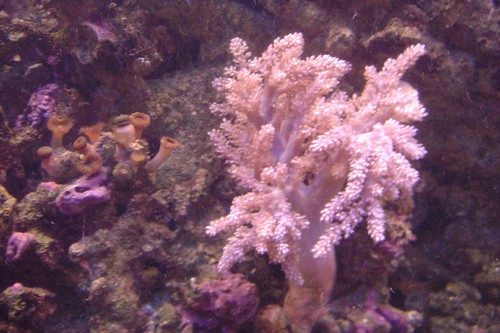
Kenya Tree Corals
Kenya Tree corals are hardy soft corals with easy care, moderate light needs, and fast growth. Learn placement,…
 By
By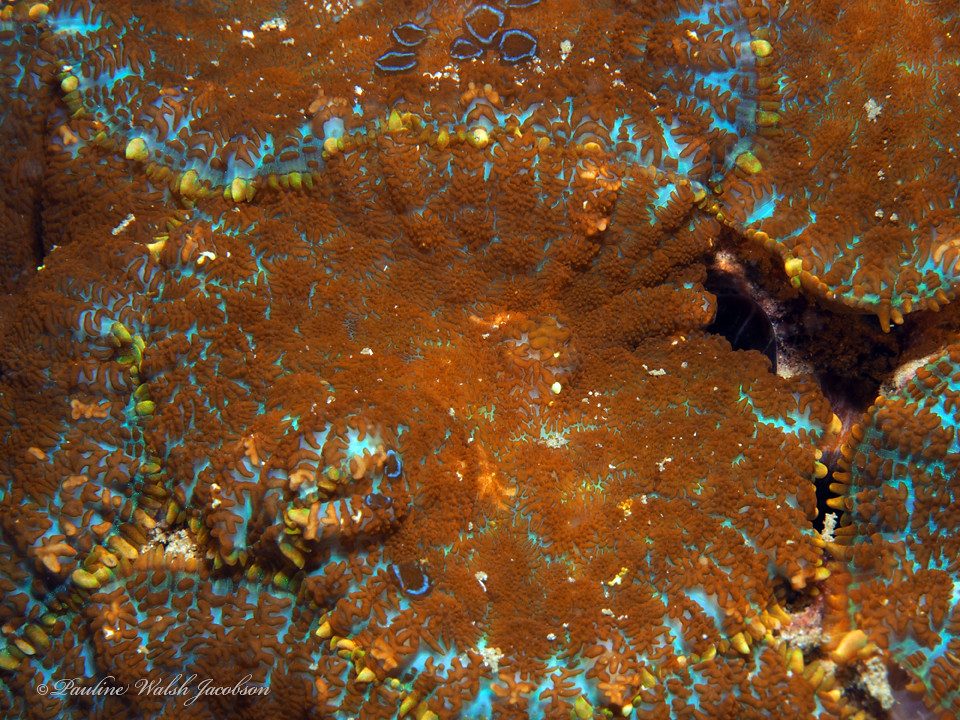
Rhodactis Mushrooms Care
Rhodactis mushrooms are hardy reef corals that prefer low to moderate light, gentle flow, and stable water. Learn…
[favorite_button]
My Bookmarks:
To see full list click here
[user_favorites user_id="" include_links="true" site_id="" post_types="" include_thumbnails="true" thumbnail_size="thumbnail" include_excerpt="false"]