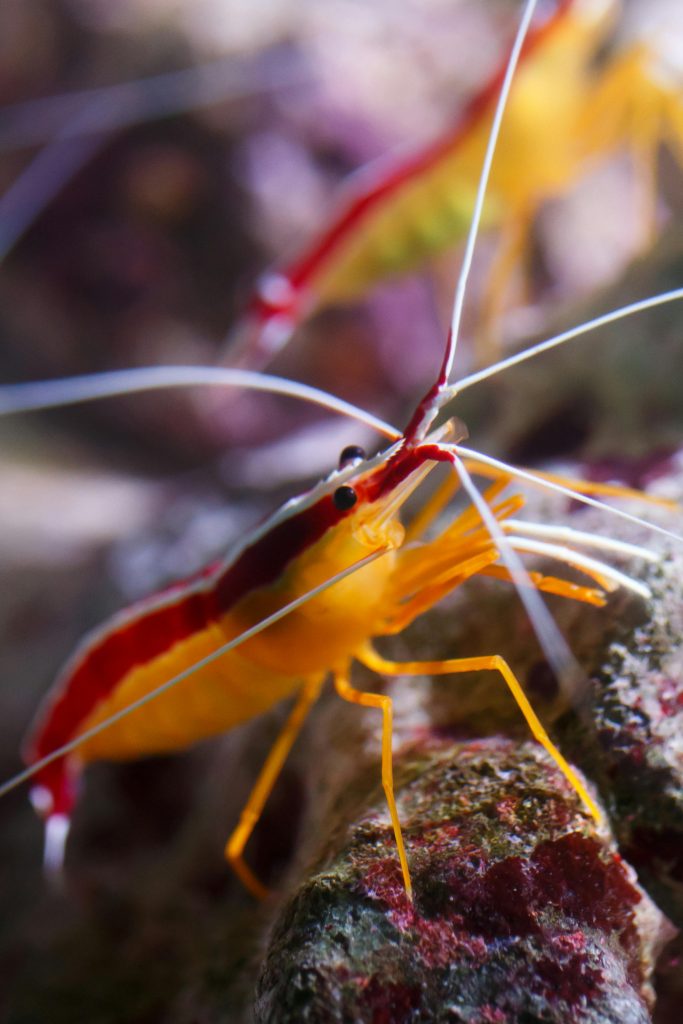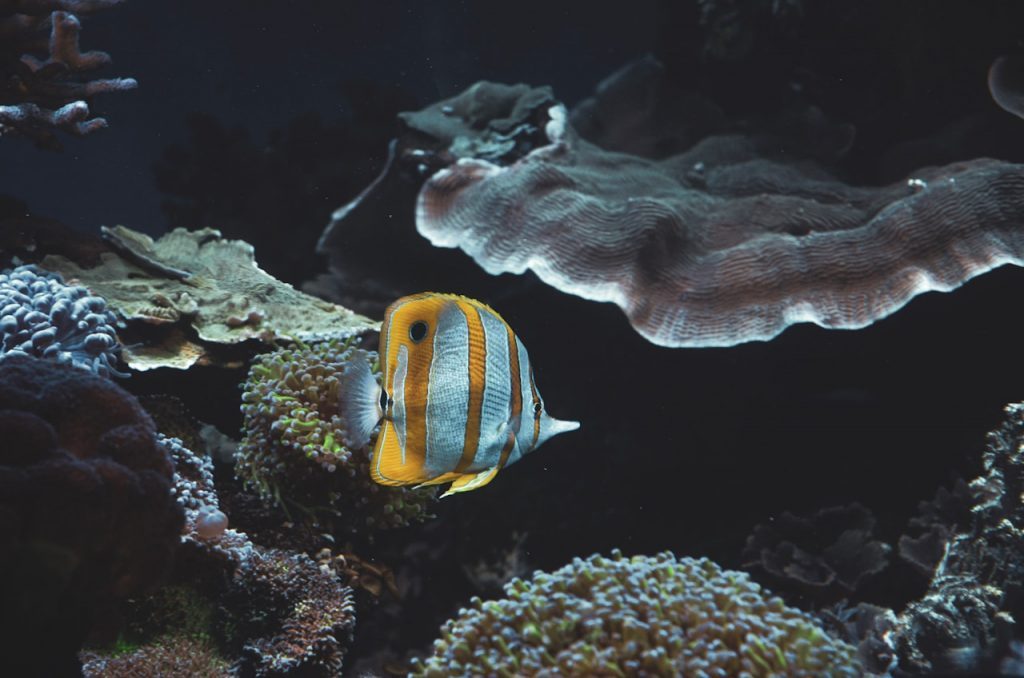
A vibrant blue tang fish swimming gracefully in an underwater coral reef scene.
Photo by konat umut budak

Tang compatibility depends on tank size, species choice, aquascape, and introduction order. Some tangs mix well in large systems. Others fight hard over territory, food, and swimming space. This guide explains which tangs work together, which combinations often fail, and how to reduce aggression in a reef aquarium.

Tangs are among the most popular reef fish for good reason. They are active, colorful, and useful algae grazers. They also create many stocking problems for reef keepers. New hobbyists often ask if two tangs can live together, or if a yellow tang will bully a new addition. The answer depends on more than simple temperament labels. Body shape, genus, tank footprint, and feeding pressure all matter. In this FancyReef guide, you will learn how tang aggression works, which species are safer choices, how to introduce them, and what to do when a pairing turns hostile.

Quick Reference Table

Tang GroupCompatibility LevelBest Tank SizeMain RiskBest Practice
ZebrasomaModerate to poor with same shape125 gallons and upTerritorial chasingAdd together or keep one
CtenochaetusUsually better than most75 gallons and upFood competitionProvide strong grazing area
AcanthurusOften aggressive180 gallons and upSevere fightingOnly in large tanks
ParacanthurusModerate125 gallons and upStress and ichMix with dissimilar tangs
NasoUsually peaceful but large180 gallons and upOutgrowing tankPrioritize swimming room

Use this table as a starting point only. Individual fish still vary. A peaceful species can become a tank tyrant in a cramped layout. A more assertive tang can behave well in a long tank with heavy feeding and smart introduction timing.

Why Tang Compatibility Is Difficult

Tangs are built for constant movement. In nature, many species travel large areas while grazing algae. In aquariums, that roaming behavior turns into territory defense. They often claim rockwork, feeding lanes, or open water zones. When another tang enters that space, conflict starts fast.

Body shape matters a lot. Tangs often react most strongly to fish that look like them. A yellow tang and purple tang share a similar Zebrasoma profile. That means they often see each other as direct rivals. A yellow tang may ignore a bristletooth tang more easily because the silhouette is different.

Their scalpel-like tail spines add risk. Tang fights are not always harmless chasing. They can slash fins, damage eyes, and stress weaker fish into disease outbreaks. This is why quarantine, planning, and backup removal tools are essential before adding any tang combination.

Natural Habitat and What It Tells Us

Most tangs live on reefs across the Indo-Pacific, Red Sea, and Hawaii. They spend the day grazing algae films, detritus, and plant material from rocks and reef surfaces. Many species use wide reef slopes and surge zones. Others patrol lagoons and outer reef faces.

This natural behavior explains two common aquarium problems. First, tangs need long swimming lanes. They do not thrive in short tanks packed wall to wall with rock. Second, they need frequent access to food. A hungry tang becomes a more aggressive tang. Constant grazing opportunities reduce tension.

Some species also form loose groups in the wild. That does not mean they will school peacefully in a home aquarium. Wild reefs offer escape routes and huge feeding areas. Your aquarium does not. Always translate natural behavior carefully. Use it to guide setup, not to justify risky stocking.

Best Tang Species for Mixed Tanks

Ctenochaetus tangs are often the safest starting point. This group includes the kole tang, tomini tang, and white-tail bristletooth tang. They stay smaller than many tangs. They also focus heavily on film algae and detritus. Their temperament is often more manageable.

Yellow tangs can work in community reefs, but they are not always peaceful. In larger tanks, a single yellow tang often does well. Problems rise when you add another Zebrasoma species later. Purple tangs are beautiful but usually more assertive. They need careful tankmate planning.

Hippo tangs can coexist with dissimilar tangs in bigger systems. They are active and prone to stress. They also need excellent water quality and quarantine due to ich sensitivity. Naso tangs are often less aggressive, but they get very large. Their adult size rules them out for many home reefs.

Tang Combinations That Often Cause Trouble

The riskiest mixes usually involve same-genus tangs, especially in medium tanks. Yellow tang plus purple tang is a classic example. It can work in a large aquarium, but it often turns into nonstop posturing and chasing in smaller systems. Two yellow tangs can also fight hard unless added as a group in a very large tank.

Acanthurus species bring even more risk. Powder blue tangs, powder brown tangs, and Achilles tangs are stunning fish. They are also demanding and often aggressive. Mixing multiple Acanthurus tangs is advanced territory. It needs a large tank, strong husbandry, and a backup plan.

Do not assume juvenile peace will last. Small tangs often tolerate each other at first. As they mature, aggression rises. Many hobbyists report success for six months, then sudden conflict. Always plan for adult behavior, not temporary calm.

Aquarium Setup for Better Tang Compatibility

Tank length matters more than total gallons alone. A six-foot tank gives tangs room to pass each other and break line of sight. This lowers repeated confrontations. Open water is important. Do not build a solid rock wall from end to end.

Create several caves and arches, but leave broad swimming lanes. Visual barriers help weaker fish escape attention. Place algae clips in more than one area. This reduces crowding at feeding time. Strong oxygenation also matters because tangs are active fish with high metabolic demand.

Stable water quality reduces stress and aggression. Keep temperature, salinity, and pH steady. Maintain low nitrate and phosphate without starving the tank. If you need a refresher, see reef tank parameters and protein skimmer setup. Healthy tangs tolerate social pressure better than stressed fish.

Lighting and Water Flow Considerations

Tangs do not have strict lighting demands like corals do. Still, lighting affects their environment. Bright reef lighting encourages algae growth on rocks and glass. That gives tangs more natural grazing opportunities. It also supports a stable reef ecosystem.

Water flow should be strong and varied. Tangs come from oxygen-rich reef zones. They enjoy active water movement and open circulation paths. Avoid dead spots where waste collects. Good flow also helps your corals and filtration perform better.

Be careful with sudden light or flow changes during introductions. A stressed new tang may hide and stop eating. Keep the environment predictable. Let the fish settle before making major equipment adjustments.

Feeding Strategies That Reduce Aggression

Underfeeding is a major cause of tang aggression. These fish graze all day in nature. In captivity, one small feeding is rarely enough. Offer algae sheets daily. Many tanks benefit from two or three smaller feedings instead of one large feeding.

Use a varied diet. Nori is the staple. Add quality herbivore pellets, frozen mysis, spirulina blends, and occasional fresh macroalgae if available. Bristletooth tangs also appreciate mature biofilm and microalgae on rock surfaces.

Feed at multiple stations when keeping more than one tang. This simple trick prevents one fish from guarding the only clip. A full tang is not always a peaceful tang, but hunger makes conflict much worse. For broader feeding help, read best food for reef fish.

Step-by-Step Guide to Adding a New Tang

First, quarantine the new tang. Watch for ich, velvet, bacterial damage, and feeding issues. Tangs are disease magnets when stressed. Do not skip this step.

Second, evaluate your tank honestly. Check size, current stocking, and existing aggression. If your resident tang already bullies other fish, adding another tang is risky.

Third, rearrange some rockwork before introduction. Small changes can weaken established territories. Do not destroy coral placement, but break up familiar boundaries.

Fourth, add the new tang near lights out if possible. Use an acclimation box when needed. This lets both fish see each other without direct contact.

Fifth, feed heavily for the first few days. Offer nori in multiple locations. Watch for nonstop chasing, torn fins, or refusal to eat. Be ready to remove one fish if aggression escalates.

Compatibility With Reef Fish, Corals, and Invertebrates

Tangs are usually reef safe with corals. They rarely bother stony corals or soft corals directly. In some tanks, a hungry tang may nip fleshy LPS or zoanthids. This usually points to poor diet or limited grazing.

They mix well with many reef fish, including clownfish, wrasses, gobies, and reef-safe angelfish. Avoid combining them with highly aggressive fish in tight spaces. Triggers, large angels, and territorial rabbitfish can add stress in smaller tanks.

Most tangs ignore shrimp, snails, and crabs. They are generally safe with common cleanup crew members. If you are building a balanced reef community, review clean up crew for reef tank for support species that complement tang husbandry.

Common Problems

Why is my tang chasing every new fish?

This usually means the tang has claimed the whole tank. Small tanks, limited rock breaks, and late additions make this worse. Try an acclimation box, rockwork changes, and heavier feeding. If the behavior continues, the tang may need removal.

Can two tangs live in a 75-gallon tank?

Usually, no. A 75-gallon tank may hold one smaller tang, such as a tomini tang, depending on dimensions and long-term care. Two tangs in that space often leads to stress and fighting. Tank length and adult size are the deciding factors.

My tang stopped eating after I added another tang

This is a danger sign. The fish may be too stressed to compete. Use an acclimation box or divider. Offer nori close to its hiding area. Check for physical injuries. If appetite does not return quickly, separate the fish.

Do mirrors help with tang aggression?

Sometimes, but only short term. A mirror can distract an aggressive tang for a few hours or days. It is not a permanent fix. Use it as a temporary tool while you trap or rehome a bully.

Frequently Asked Questions

What is the most peaceful tang for beginners?

Bristletooth tangs are often the best choice. Tomini and kole tangs are popular starter options. They stay smaller and usually show less aggression than many larger tangs.

Can I keep a yellow tang and hippo tang together?

Yes, this pairing can work in a large tank. A six-foot aquarium is the safer starting point. Introduce carefully and provide heavy feeding and open swimming space.

Should tangs be added first or last?

Tangs are usually better as later additions. This is especially true for assertive species. Adding them last reduces their chance of claiming the entire tank early.

Are same-species tang groups possible?

Sometimes, but only in very large aquariums with careful planning. Groups of juveniles added together have the best chance. Even then, success is never guaranteed.

Do tangs need algae in the tank to stay healthy?

They do not need visible nuisance algae if you provide a strong herbivore diet. Still, mature rock with biofilm and natural grazing surfaces helps them thrive.

Final Thoughts

Tang compatibility is never just about mixing pretty fish. It is about space, shape, food, timing, and backup plans. If you choose species carefully, many tangs can live well in reef aquariums. If you rush the process, even a famous “peaceful” tang can become a problem. Start with the tank size. Pick dissimilar species when possible. Feed often. Quarantine every fish. And always prepare for the chance that one tang may need a new home.

Was this helpful?

Yes
No
Thanks for your feedback!

Related Posts

Bristleworms

Bristleworms are usually helpful reef tank scavengers. Learn how to identify them, control numbers, and spot the rare…

ByByfancy blogger Apr 5, 2026

What is a Chaeto Reactor, and How Does it Help Control Nutrients?

A chaeto reactor grows macroalgae in a sealed chamber to remove nitrate and phosphate, helping reef tanks control…

ByByfancy blogger Mar 18, 2026