Tank Maintenance for a Healthy Saltwater Aquarium
Consistent tank maintenance is the backbone of a thriving saltwater aquarium. Whether you keep soft corals, SPS, or a fish-only system, a simple, repeatable routine will prevent most problems before they start. In this guide, we’ll break tank care into manageable tasks so you can spend more time enjoying your reef and less time fixing emergencies.
Daily & Weekly Maintenance Routines
Daily and weekly habits keep your system stable and your livestock stress-free. Pair these ideas with your existing routines, such as feeding and top-offs.
Daily Checks
- Visual inspection: Look for abnormal fish behavior, closed polyps, or cloudy water. Catching issues early is key.
- Temperature & equipment: Confirm heaters, return pumps, and lights are on and functioning. A quick glance at your thermometer can save a tank.
- Top off evaporated water: Use fresh RO/DI water to maintain salinity. Avoid topping off with saltwater, which slowly raises salinity.
- Feed consistently: Feed small amounts and remove uneaten food to reduce nutrient spikes.
For more on system stability, see our guide on keeping stable reef parameters, which pairs perfectly with a good maintenance plan.
Weekly Tasks
- Water testing: Check salinity, temperature, alkalinity, nitrate, and phosphate at minimum. Log results so you can spot trends.
- Glass cleaning: Use a magnetic scraper on the display and a soft pad on corners and overflows to remove film algae.
- Filter maintenance: Rinse filter socks or mechanical sponges in old tank water to keep detritus from breaking down.
- Light cleaning: Wipe salt spray from light fixtures and lids to maintain PAR and prevent corrosion.
Pro tip: Set a weekly “tank night” on your calendar. Treat it like an appointment so maintenance becomes a habit, not a chore.
Monthly & Deep-Clean Maintenance
Once your daily and weekly routine feels easy, layer in monthly and quarterly tasks. These deeper cleanings keep nutrients in check and equipment efficient.
Water Changes & Substrate Care
- Water changes: Perform a 10–20% water change every 2–4 weeks, depending on bioload. Match temperature and salinity to avoid shocking livestock.
- Siphon detritus: Lightly vacuum open sand areas and the sump to remove settled waste while avoiding deep disturbance of a mature sand bed.
- Mixing station: Use a dedicated container, heater, and powerhead to mix saltwater for 24 hours before use.
If you’re unsure how much water to change, check our post on creating a saltwater water-change schedule tailored to your tank size and stocking.
Equipment Cleaning & Media Replacement
- Protein skimmer: Empty and clean the cup weekly; give the body and pump a vinegar bath every 1–3 months to remove calcium buildup.
- Pumps & powerheads: Soak in a 50/50 mix of vinegar and water, then scrub gently to restore flow and reduce heat.
- Filter media: Replace carbon and other chemical media every 4–6 weeks, or as recommended by the manufacturer.
- RO/DI filters: Monitor TDS and replace cartridges before they allow impurities into your system.
For a full breakdown of essential gear and how often to service it, see our saltwater aquarium equipment checklist.
Building a Simple Maintenance Schedule
The best tank maintenance routine is one you can actually follow. Start small and build:
- Create a written checklist for daily, weekly, and monthly tasks.
- Use a phone reminder or calendar app to schedule water changes and deep cleans.
- Keep a logbook for test results, dosing, and any issues you notice.
With a steady routine, your saltwater tank becomes far more predictable. Algae blooms, parameter swings, and equipment failures are easier to prevent—and your fish and corals will reward you with vibrant color and steady growth. Stick to the basics, stay consistent, and tank maintenance will become one of the most satisfying parts of the hobby.
Sources
- Sprung, J. & Delbeek, J. C. The Reef Aquarium (Volumes 1–3).
- Fenner, R. The Conscientious Marine Aquarist.
- Holmes-Farley, R. “Water Changes in Reef Aquaria,” Advanced Aquarist.
Was this helpful?
Related Posts
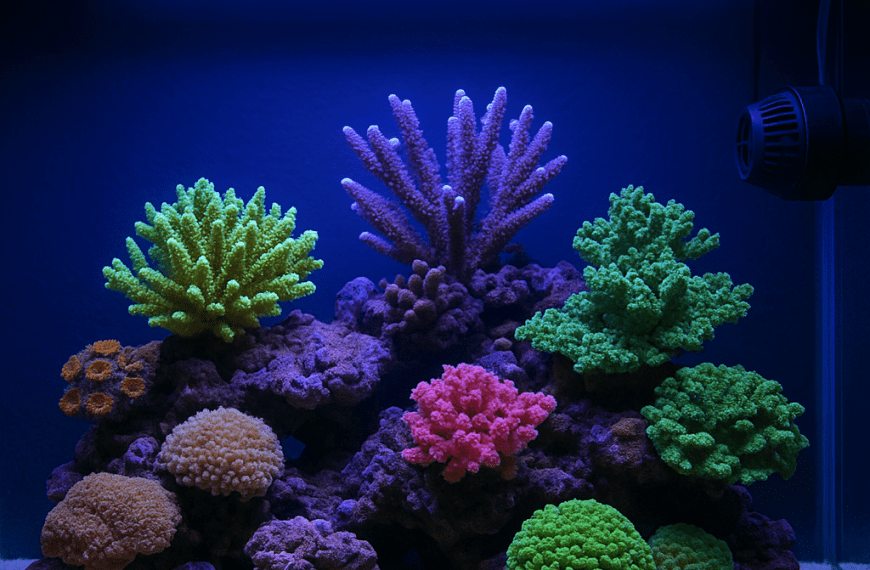
Reef Safe Fish for Beginners
Discover the best reef safe fish for beginners, plus tank size, feeding, and compatibility tips for a peaceful…
 By
By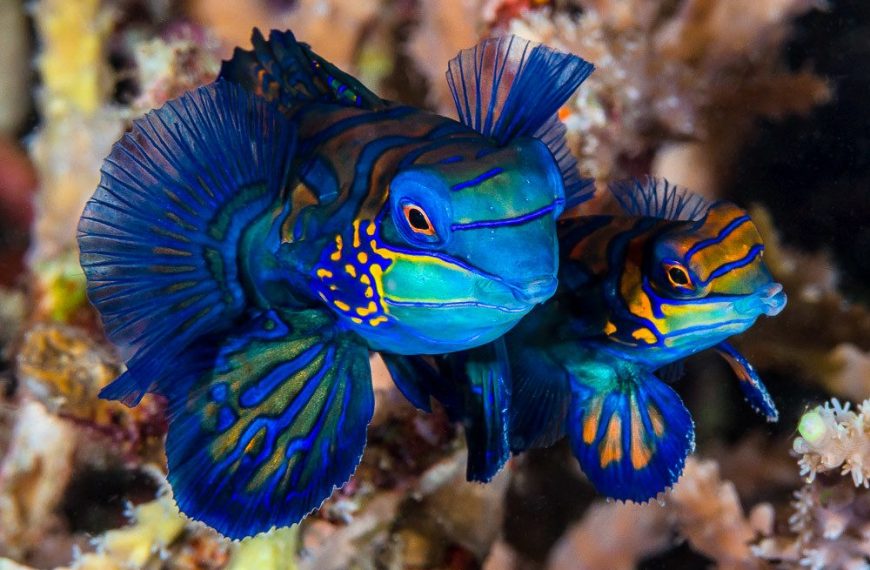
Dragonets Fish Care
Dragonets are beautiful reef fish, but they need mature tanks and steady food sources. Learn how to keep…