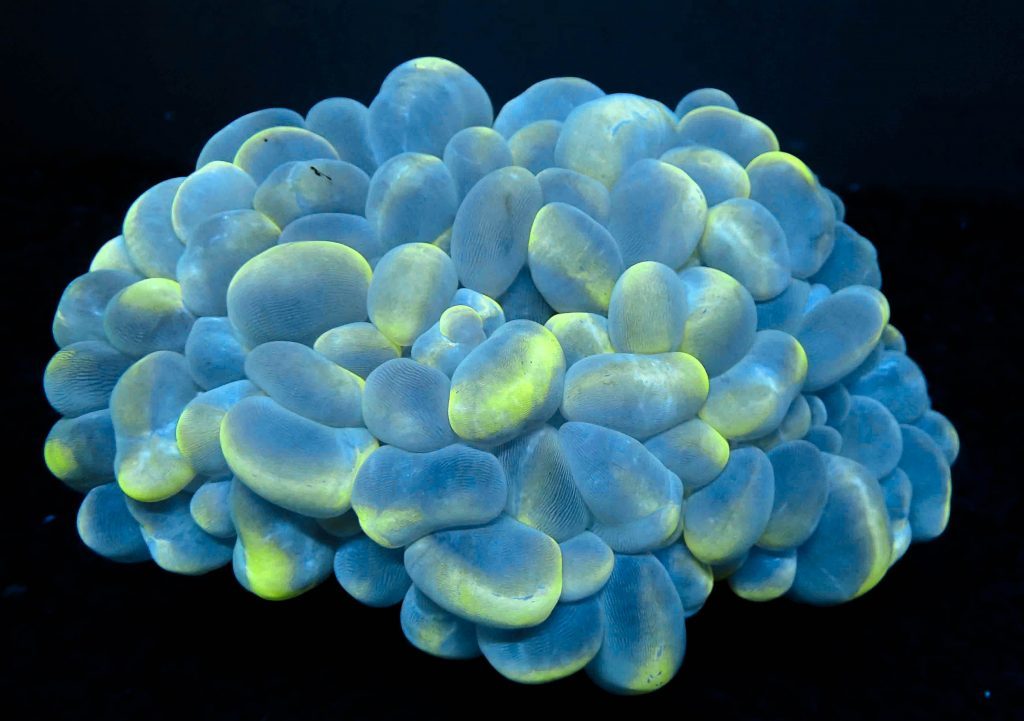
LPS corals can grow fast when they get regular, meaty meals. Target feeding helps food reach the coral, not the filtration. It also reduces waste when done with control.
Why target feeding works for LPS
Many LPS corals capture larger particles than most fish foods. Think mysis, krill bits, and reef roids sized blends. Their fleshy polyps and tentacles pull food to the mouth. This can boost tissue thickness and color.
Target feeding is also about timing and consistency. Feed after lights dim or at dusk mode. Many LPS extend feeder tentacles then. A simple cue helps, like a small “scent feed” first.
Stable water matters more than heavy feeding. Keep alkalinity steady at 8–9 dKH. Keep nitrate around 5–15 ppm. Keep phosphate around 0.03–0.10 ppm. Avoid big swings after feeding days.
Not every LPS needs the same approach. Euphyllia often prefers smaller pieces. Acanthophyllia and scolymia can take larger chunks. If food is too big, it gets spit out later. That raises nutrients and pests.
- Best feeding window: 30–90 minutes after lights start ramping down
- Good starting frequency: 1–2 times per week per coral
- Target flow: gentle sway, not blasting tissue
Step-by-step: a clean target feeding routine
Start with the right tools. Use a turkey baster, pipette, or feeding syringe. Keep a small cup for thawing frozen foods. Rinse frozen mysis with RO water if nutrients run high.
Mix a small portion, not a full cube. A good starting amount is 1–2 ml of slurry. Use 50% thawed mysis and 50% fine coral food. Add a few drops of tank water for flow.
Turn off the return pump for 10–15 minutes. Leave powerheads on low if possible. This keeps oxygen moving. It also prevents food from blowing away. Some reefers use a feed mode timer.
Do a “scent feed” first. Gently cloud a small amount upstream. Wait 5–10 minutes for tentacles. Then place a small portion on each polyp. Aim for pea-sized total per head, not per squirt.
- Feed LPS with mouths: acans, favia, chalice, scolymia, euphyllia
- Size food to the mouth: 2–5 mm for most colonies
- Resume return flow after the coral closes around food
For more on nutrient control after feeding, see our reef tank nutrient control guide. If you need a safer start, read beginner coral feeding basics.
Troubleshooting and common mistakes
Food stealing is the top problem. Cleaner shrimp and nassarius snails rush the coral. Use a feeding dome or cut bottle top as a shield. Keep it over the coral for 10 minutes. Then remove it gently.
If the coral spits food out, reduce portion size. Try softer foods like minced mysis or calanus. Check flow direction too. Direct blasts can tear tissue. Aim for indirect, pulsing movement.
Watch your test numbers the next day. If nitrate jumps above 20 ppm, feed less. If phosphate rises above 0.15 ppm, cut back and export more. Increase skimming, change 10% water, or refresh GFO carefully.
Some LPS look worse after feeding. That often means irritation or low oxygen. Keep surface agitation strong during feed mode. Avoid oily foods that film the surface. Also confirm salinity at 1.025–1.026 and temperature at 25–26°C.
- Signs you overfed: cloudy water, algae burst, brown jelly risk on stressed LPS
- Signs feeding helps: fuller tissue, faster heads splitting, stronger feeding response
- Weekly routine: feed, test next day, adjust portions by 25%
If you see repeated recession, pause feeding for a week. Confirm alkalinity stability first. Then restart with tiny portions. Our LPS coral health checklist can help you narrow causes.
Target feeding LPS corals works best with small portions and stable parameters. Feed with intention, not habit. When you match food size, timing, and flow, your LPS can thrive without nutrient spikes.
Sources: Borneman, E. (2001) Aquarium Corals; Delbeek, J. & Sprung, J. (1994–2005) The Reef Aquarium series; Fenner, R. (2003) Reef Invertebrates.
Was this helpful?
Related Posts
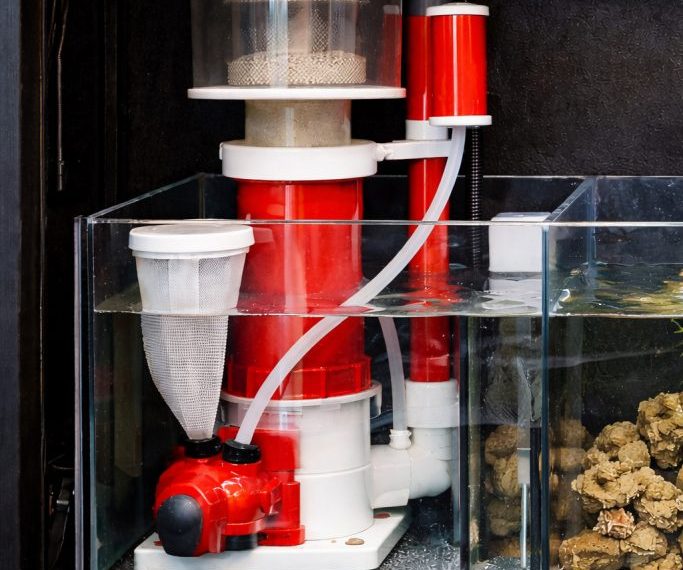
Protein Skimmer Reef Tank Guide
Learn how a protein skimmer works, how to size one, and how to tune it for a cleaner,…
 By
By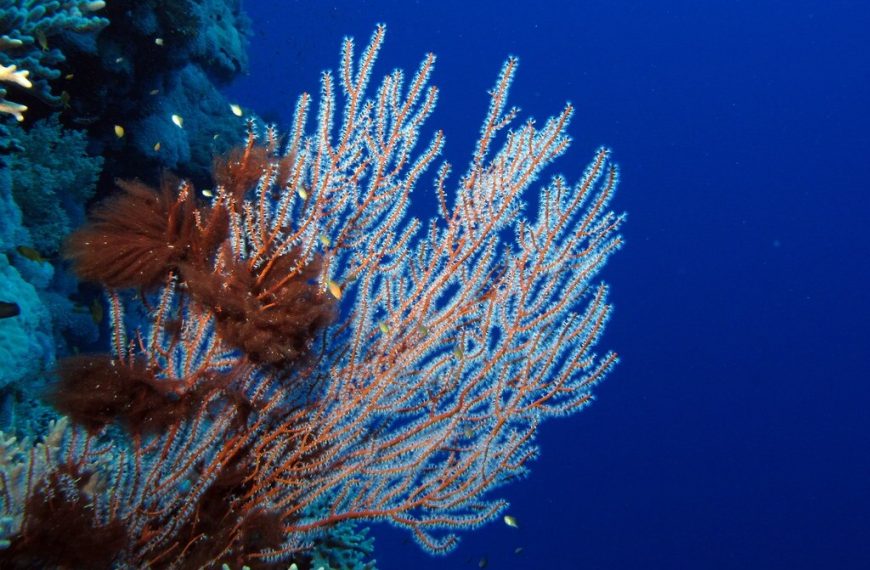
Reef Aquarium Water Parameters
Learn the ideal reef aquarium water parameters, safe ranges, and how to keep salinity, alkalinity, nutrients, and pH…