

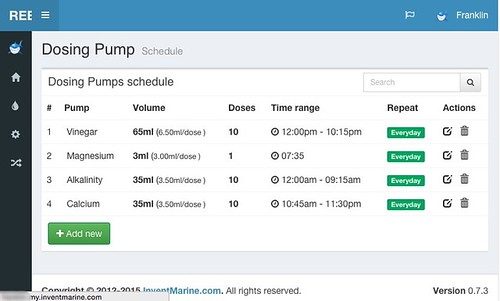
Two-part dosing is one of the simplest ways to keep alkalinity and calcium stable in a reef tank. It works well for mixed reefs, SPS tanks, and growing coral systems. The goal is simple. Replace what corals consume each day. When done correctly, two-part dosing supports steady growth, better color, and fewer chemistry swings.
Many reef keepers start with water changes alone. That works for light demand systems. It often stops working as stony corals grow. This guide explains how two-part dosing works, when to start, how to calculate your daily dose, and how to avoid common mistakes. You will also learn how magnesium fits into the picture, where to place dosing lines, and how to troubleshoot unstable parameters.
Quick Reference Table
| Parameter | Recommended Range | Why It Matters |
|---|---|---|
| Alkalinity | 7.5–9.0 dKH | Supports coral skeleton growth and pH stability |
| Calcium | 400–450 ppm | Required for calcification |
| Magnesium | 1250–1400 ppm | Helps stabilize calcium and alkalinity |
| pH | 7.9–8.4 | Affects coral growth and alkalinity use |
| Dose Timing | Separate parts | Prevents precipitation |
| Best Method | Dosing pump | Improves consistency and stability |
Use these ranges as a starting point. Stability matters more than chasing a perfect number. A tank that stays at 8.0 dKH every day is usually healthier than one that swings between 7.2 and 9.0 dKH. The same rule applies to calcium and magnesium.
What Is Two-Part Dosing?
Two-part dosing adds alkalinity and calcium back into the aquarium. Corals, coralline algae, clams, and other calcifying organisms use these elements to build skeletons. As they grow, your water loses alkalinity and calcium. Water changes can replace some of that demand. Heavy growth usually outpaces that replacement.
The first bottle contains alkalinity. This is usually a carbonate or bicarbonate solution. The second bottle contains calcium. This is usually calcium chloride. Many reef keepers also dose magnesium as a third part. Magnesium is not consumed as quickly, but it helps keep the system balanced.
Two-part systems are popular because they are easy to understand. They are also easy to automate. Compared with kalkwasser or a calcium reactor, two-part is often the easiest entry point for beginners and intermediate reef keepers.
When Should You Start Two-Part Dosing?
Start dosing when your tank can no longer hold stable alkalinity and calcium with normal water changes alone. The clearest sign is falling alkalinity between tests. Alkalinity is usually the first parameter to drop. Calcium often falls more slowly. If you keep LPS, SPS, clams, or heavy coralline growth, demand can rise faster than expected.
Test your tank at the same time each day for several days. If alkalinity drops consistently, your tank is consuming it. For example, if your alkalinity falls from 8.4 to 7.8 dKH in 24 hours, your tank needs supplementation. Do not wait until corals show stress. Once you see slow growth, pale tissue, or burnt tips from swings, the imbalance has already started.
New tanks with very few stony corals may not need dosing yet. Mature reef tanks usually do. The key is testing, not guessing.
How to Calculate Your Daily Two-Part Dose
Start by testing alkalinity, calcium, and magnesium with reliable kits. Record the results. Test alkalinity again 24 hours later without dosing anything. That tells you your daily consumption. Alkalinity is the easiest number to use for setup because it changes faster and gives clearer trends.
Next, use the instructions from your dosing product or an online reef chemistry calculator. Enter your system water volume, current level, and target level. Then calculate how much solution raises the parameter to the desired range. Do not make large corrections all at once. Raise alkalinity slowly. Large jumps can stress SPS corals.
Once you know your daily consumption, split that amount into several smaller doses. This reduces swings. For example, if your tank needs 24 ml of alkalinity per day, dose 6 ml four times daily. Do the same for calcium. Re-test after a few days. Then adjust up or down as needed.
Step-by-Step Setup Guide
- Test alkalinity, calcium, and magnesium.
- Confirm your salinity is correct first.
- Measure real water volume, not tank size alone.
- Determine daily alkalinity consumption over 2–3 days.
- Choose a quality two-part product or DIY recipe.
- Use a dosing pump if possible.
- Place dosing lines in a high-flow sump area.
- Separate alkalinity and calcium dosing times.
- Re-test after three to five days.
- Adjust slowly until levels stay stable.
This process works because it builds around actual consumption. It also prevents the most common beginner mistake. That mistake is dosing equal amounts without testing. Many tanks use alkalinity faster than calcium. Some tanks consume both at near equal rates. Your tank decides the answer.
Best Practices for Dosing Placement and Timing
Always dose into a high-flow area. A sump return chamber often works well. Strong water movement dilutes the solution quickly. This lowers the chance of precipitation. Never dose alkalinity and calcium into the same small area at the same time. When concentrated solutions meet, they can form calcium carbonate. That wastes additives and lowers effectiveness.
Stagger the doses by at least several minutes. Many reef keepers separate them by 15 to 30 minutes. That is usually enough. Spread total daily dosing into smaller additions. This keeps chemistry stable. It also reduces pH spikes from alkalinity supplements.
If you dose manually, try to dose at the same times each day. If you use pumps, inspect tubing often. Salt creep, clogs, and slipping lines can cause silent failures. A simple maintenance check can prevent major swings.
Do You Need Magnesium Too?
Yes, in many reef tanks magnesium matters a lot. It helps prevent calcium and carbonate from precipitating too easily. If magnesium gets too low, it becomes harder to maintain alkalinity and calcium. You may feel like your tank is “eating” supplements. In reality, the chemistry is less stable.
The good news is magnesium is consumed more slowly. Most tanks do not need daily magnesium dosing unless coral growth is heavy. Test it every week or two. If it falls below your target range, correct it slowly. Avoid large one-day jumps. Follow the product directions and spread corrections over time.
Think of magnesium as support chemistry. It is not usually the first number to drift, but it often explains why calcium and alkalinity feel difficult to control.
Aquarium Setup Considerations
Two-part dosing works in nano reefs and large systems. Tank size changes the margin for error. Small tanks swing faster. A missed dose or overdose has a bigger effect. Large tanks are more forgiving, but they often need more total supplement. In both cases, stable salinity and strong gas exchange help chemistry stay predictable.
Aquascaping also matters. Dense SPS structures increase demand. Coralline-covered rock does too. If your reef has many fast-growing Acropora, Montipora, or Euphyllia colonies, expect consumption to rise over time. Review your dosing every few weeks. What worked three months ago may now be too little.
If you run a sump, keep dosing containers away from heat and light. Label each line clearly. This sounds basic, but it prevents expensive mistakes.
Compatibility With Other Supplement Methods
Two-part dosing can work alongside other methods. Some hobbyists use kalkwasser for baseline demand and two-part for fine tuning. Others switch from two-part to a calcium reactor as coral growth increases. There is no single best method for every tank.
Be careful when combining methods. More supplementation means more complexity. If you use kalkwasser and two-part together, test often. It is easy to oversupply alkalinity. That can lead to burnt SPS tips, cloudy water, or precipitation on heaters and pumps.
For many reef keepers, two-part alone is enough for years. It is simple, scalable, and easy to adjust. That is why it remains one of the most popular reef dosing strategies.
Common Problems
Why does alkalinity keep dropping?
The most common cause is underdosing. Your coral demand increased, but your dose stayed the same. Test daily for a few days and recalculate. Also check salinity. Low salinity can distort parameter readings. Finally, inspect your dosing pump. A clogged tube or slipping head can reduce output.
Why is calcium stable but alkalinity falls?
This is common. Alkalinity often shows consumption faster than calcium. Test kit resolution also makes alkalinity changes easier to see. Adjust alkalinity first. Then monitor calcium weekly. Do not force equal corrections unless your tests support it.
Why is there white buildup on pumps and heaters?
That is often precipitation. It happens when alkalinity and calcium are dosed too close together, or when pH gets too high. Dose in a stronger flow area. Separate the dosing times. Review whether your levels are being pushed too high.
Can two-part dosing raise pH too much?
Some alkalinity formulas can raise pH, especially soda ash products. This is not always bad. Many reef tanks run low pH. Still, large single doses can create spikes. Spread alkalinity additions through the day. If needed, switch to a bicarbonate-based alkalinity product for a gentler effect.
Why do my corals look worse after I started dosing?
The issue is often instability, not the supplements themselves. Large corrections stress corals. So do inaccurate test results. Verify your kits, calibrate salinity tools, and make changes slowly. Corals usually respond best to stable numbers, not aggressive chasing.
Frequently Asked Questions
Can I dose equal parts of alkalinity and calcium?
You can start that way with many commercial products, but testing must guide final adjustments. Real reef tanks often consume them unevenly.
How often should I test while dialing in dosing?
Test alkalinity daily at first. Test calcium every few days. Test magnesium weekly or biweekly. Once stable, you can test less often.
Is manual dosing okay?
Yes, especially on smaller tanks. Consistency matters. Dosing pumps simply make that consistency easier to maintain.
Should I dose at night or during the day?
Either can work. Many hobbyists spread doses across the full day. Some prefer more alkalinity at night to help support pH.
What is more important, exact numbers or stability?
Stability is more important. Healthy reefs tolerate slightly different numbers better than repeated swings.
Final Tips for Long-Term Success
Keep your routine simple. Test often enough to catch trends early. Make small adjustments. Refill dosing containers before they run dry. Clean pump heads and replace tubing on schedule. Most dosing problems come from neglect, not from the chemistry itself.
As your reef grows, your dose will change. That is normal. Review consumption after adding new coral colonies, changing salt brands, or increasing pH with better aeration. Reef chemistry is dynamic. Good dosing habits turn it into a predictable system.
For more reef chemistry help, see our guides on reef tank alkalinity, reef tank calcium, reef tank magnesium, and how to use a dosing pump.
Was this helpful?
Related Posts
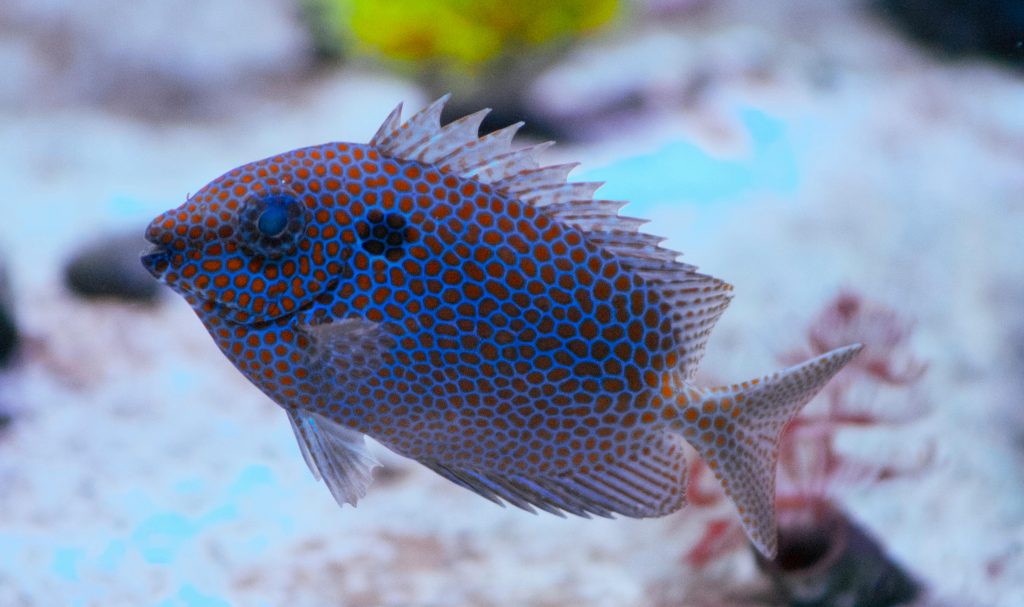
Gold Spotted Rabbitfish (Siganus Punctatus)
Gold Spotted Rabbitfish care includes large tanks, heavy algae feeding, and caution with corals. Learn tank size, diet,…
 By
By
Sharknose Goby (Elacatinus evelynae)
Sharknose Goby care is simple in stable reef tanks. Learn feeding, tank setup, compatibility, and common problems for…
[favorite_button]

My Bookmarks:
To see full list click here
[user_favorites user_id="" include_links="true" site_id="" post_types="" include_thumbnails="true" thumbnail_size="thumbnail" include_excerpt="false"]