Buying used reef equipment can save serious money. It can also create expensive problems if you choose poorly. The safest secondhand gear is simple, durable, and easy to test. Pumps, tanks, and dry rock can be great buys. Heaters, old lights, and worn RO/DI units need much more caution.
Many reef hobbyists upgrade often. That creates a strong secondhand market. Beginners can build a better system for less money. Intermediate reef keepers can stretch their budget for premium gear. Still, not every bargain is worth the risk. Saltwater equipment lives in a harsh environment. Salt creep, corrosion, heat, and neglect shorten the life of many items. In this guide, you will learn what reef equipment is usually safe to buy used, what should be avoided, how to inspect items before purchase, and how to clean and test everything before it enters your tank.
Quick Reference Table: Safe vs Risky Used Reef Equipment
| Equipment | Usually Safe Used? | What to Check | Risk Level |
|---|---|---|---|
| Aquariums | Yes | Scratches, chips, seam condition, leaks | Medium |
| Stands | Yes | Water damage, swelling, level support | Medium |
| Return pumps | Yes | Noise, impeller wear, rust, cracks | Low |
| Powerheads | Yes | Magnet swelling, shaft wear, startup reliability | Medium |
| Protein skimmers | Yes | Cracks, pump health, missing parts | Low |
| LED reef lights | Sometimes | Fan noise, rust, spectrum age, app support | High |
| Heaters | No | Thermostat failure risk | Very High |
| RO/DI units | Sometimes | Membrane age, housing cracks, TDS output | High |
| Live rock | Sometimes | Pests, bound phosphate, contamination | High |
| Dry rock | Yes | Copper exposure, residue, absorbed organics | Medium |
| Test kits | No | Expiration dates, reagent age | Very High |
| Dosing pumps | Sometimes | Tubing wear, calibration accuracy | Medium |
Why Buying Used Reef Gear Makes Sense
Reef equipment is expensive. That is especially true for larger systems. A quality skimmer, return pump, and light can cost more than the tank itself. Used gear lowers the entry cost. It also lets you buy better brands than your new-equipment budget allows. A used premium pump often beats a cheap new pump.
The secondhand market also helps when building quarantine tanks, frag systems, or backup setups. Many reef keepers sell excellent gear after an upgrade. Some break down tanks due to moving or life changes. Those sellers may offer high-end equipment at a steep discount. Still, reef gear is not like used furniture. It must work reliably around saltwater and livestock. If a return pump fails, your tank suffers. If a heater sticks on, your reef can crash. Smart buying matters more than cheap buying.
What Reef Equipment Is Usually Safe to Buy Secondhand
The safest used items are simple mechanical products with few hidden failure points. Glass aquariums are often good candidates. Inspect the silicone seams closely. Look for chips near the edges. Ask for a leak test if possible. Minor scratches are cosmetic. Damaged seams are not.
Return pumps and powerheads can also be smart used buys. These are easy to test in a bucket. Listen for grinding, rattling, or startup hesitation. Open the pump and inspect the impeller. Calcium buildup is normal. Rust is not. Protein skimmers are also fairly safe. Acrylic bodies last well if not cracked. Replacement pumps and parts are often available.
Stands can be safe too. Focus on structural integrity. Avoid swollen particle board and soft wood. Sumps are another good option. Check baffles for cracks and sloppy repairs. Dry rock is usually safer than live rock. It should still be cleaned and evaluated for past contamination. For more planning help, see reef tank setup checklist, saltwater aquarium equipment guide, and beginner reef tank mistakes.
What Reef Equipment Is Risky or Best Avoided
Some used equipment carries too much risk. Heaters top that list. Heater failure is common even when new. A used heater has unknown wear and thermostat reliability. Skip it. Buy new. Test kits are another poor used purchase. Reagents expire. Old kits produce bad readings. Bad readings lead to bad decisions.
Used RO/DI systems need caution. The frame and canisters may be fine. The filters, membrane, and resin often are not. If you buy one, assume all consumables need replacement. Old reef lights are also risky. LEDs lose output over time. Fans fail. Salt creep corrodes boards. App-controlled fixtures may lose software support. Cheap used black box lights can still work, but inspect them carefully.
Be careful with used live rock, sand, and media. These can import pests, dinoflagellates, aiptasia, bryopsis, vermetid snails, or nuisance algae. They can also hold phosphate and organics. Avoid old sand entirely in most cases. It often contains trapped waste. New sand is usually the better choice.
How to Inspect Used Reef Equipment Before You Buy
Always inspect in person when possible. Bring a flashlight. Bring a small towel. Ask the seller to plug in powered gear. For pumps, test startup several times. A weak pump may run once but fail later. Remove covers and inspect impellers, shafts, and magnets. Swollen magnets are a major warning sign.
For tanks, inspect every seam from inside and outside. Look for bubbles in silicone, peeling seams, or repaired corners. Ask how long the tank ran and whether it was moved often. For lights, check lens clarity, rust near screws, fan operation, and mounting hardware. For skimmers, make sure the collection cup, lid, gate valve, and pump are included.
Ask simple questions. Why are you selling it? How old is it? Was it used on a medicated fish-only tank? Copper exposure matters for porous items. Request photos of the gear when it was running. If a seller avoids basic questions, move on. Good deals appear often in this hobby.
Step-by-Step Guide: Buying Used Equipment Safely
- Make a list of what you actually need. Avoid impulse deals.
- Research the brand and model first. Check part availability.
- Compare used pricing to new pricing. Savings should justify the risk.
- Ask the seller for age, usage history, and clear photos.
- Inspect for cracks, corrosion, swelling, and missing parts.
- Test powered gear in water when possible.
- Assume all consumables need replacement. This includes bulbs, filters, and tubing.
- Clean and sanitize everything before use.
- Run a bench test for 24 hours if possible.
- Only then add the item to your reef system.
This process protects both your money and your livestock. It also prevents hidden failures from showing up after installation. A rushed purchase often becomes a double purchase. You pay once for the bargain. Then again for the replacement.
Cleaning and Preparing Used Reef Equipment
Never place used equipment straight into your tank. Clean it first. For pumps, skimmers, and acrylic parts, soak in warm water with white vinegar. This dissolves calcium buildup. Use a soft brush to remove debris. Rinse well. For stubborn buildup, a citric acid soak also works well.
For tanks and sumps, use freshwater and vinegar only. Avoid soap. Soap residue is hard to remove and dangerous to reef systems. If copper contamination is possible, be extra cautious with porous items like rock, ceramic media, and old sand. In many cases, it is safer to skip them. Replace old tubing on dosing pumps and reactors. Replace O-rings if they look flattened or brittle.
After cleaning, run the equipment in a test container. Check for leaks, noise, heat, and restart reliability. This matters most for pumps and ATO gear. For more on water quality protection, read RO/DI water for reef tanks and reef tank maintenance schedule.
Common Problems
Used pump works, then stops restarting
This usually points to a worn impeller, swollen magnet, or damaged shaft. Calcium buildup can also cause startup issues. Disassemble the pump and inspect every moving part. If replacement parts are unavailable, skip the purchase. A return pump must restart every time.
Used tank leaks after setup
Leaking often comes from old seams, twisted stands, or unnoticed chips. Always leak test in a garage or patio first. Check that the stand is level and fully supports the tank bottom. Never trust a used tank without a freshwater test.
Used rock causes algae or phosphate problems
Old rock can absorb waste and phosphate over time. When reused, it may release nutrients back into the tank. Cure the rock in saltwater first. Test phosphate during curing. Use water changes and phosphate media if needed. If the rock came from a neglected system, expect extra work.
Used light seems dim or unstable
LEDs can lose output slowly. Fans and drivers also age. Compare the fixture to current PAR expectations if possible. Watch for flickering channels, app disconnects, and loud fans. If coral health depends on the light, buying new is often safer.
Best Places to Buy Used Reef Equipment
Local reef clubs are often the best source. Hobbyists there care about reputation. They usually describe gear honestly. Local pickup also lets you inspect items before paying. Aquarium forums and social media groups can be excellent too. Ask for timestamped photos and videos.
Be more careful with general marketplaces. Great deals exist there, but so do vague listings and incomplete equipment. Avoid shipping large used tanks unless professionally packed. Fragile gear can crack in transit. If buying online, use payment methods with buyer protection. Save all messages and listing screenshots.
Frequently Asked Questions
Is it safe to buy a used reef tank?
Yes, if the seams are sound and it passes a leak test. Avoid tanks with damaged silicone or chipped corners.
Should I buy a used heater for my saltwater aquarium?
No. Heaters are inexpensive compared to the risk. Buy new and use a temperature controller if possible.
Can used live rock introduce pests?
Yes. It can bring algae, aiptasia, flatworms, and unwanted hitchhikers. Quarantine or cure it before use.
Are used protein skimmers worth buying?
Usually, yes. Skimmers are durable and easy to inspect. Just confirm the pump works and parts are included.
How much should used reef equipment cost?
A common target is 40 to 70 percent of new price. Older gear or unsupported models should cost less.
Final Thoughts
Used reef equipment can be a smart way to save money and build a better system. The key is choosing the right items. Buy durable gear with visible condition and easy testing. Avoid hidden-risk items like heaters, expired test kits, and questionable old media. Inspect carefully. Clean thoroughly. Test everything before use. If you stay selective, secondhand reef gear can be one of the best tools for building a successful aquarium on a realistic budget.
Was this helpful?
Related Posts
What to Do During a Power Outage
A reef tank power outage demands fast action. Protect oxygen, temperature, and circulation first to keep fish and…
 By
By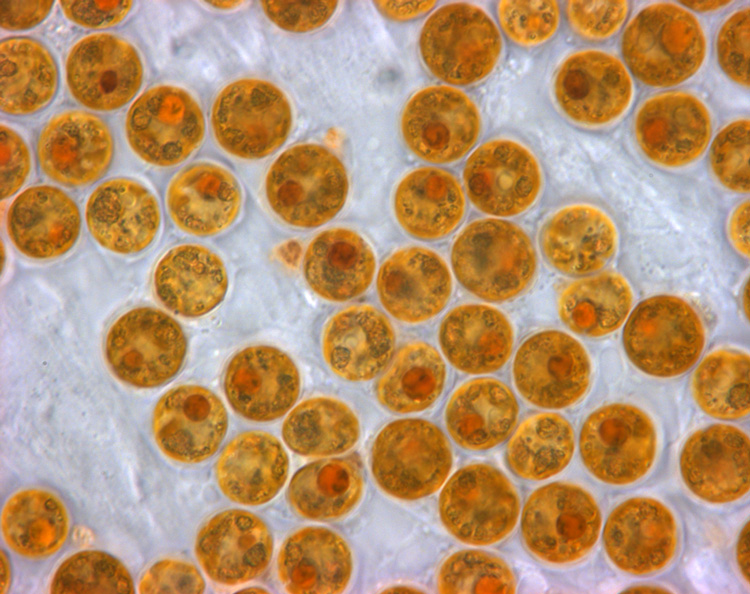
What is Zooxanthellae, and What Role Does it Play in Coral Survival?
Zooxanthellae are symbiotic algae that power coral growth through photosynthesis. They are essential to coral color, health, and…
 By
By