

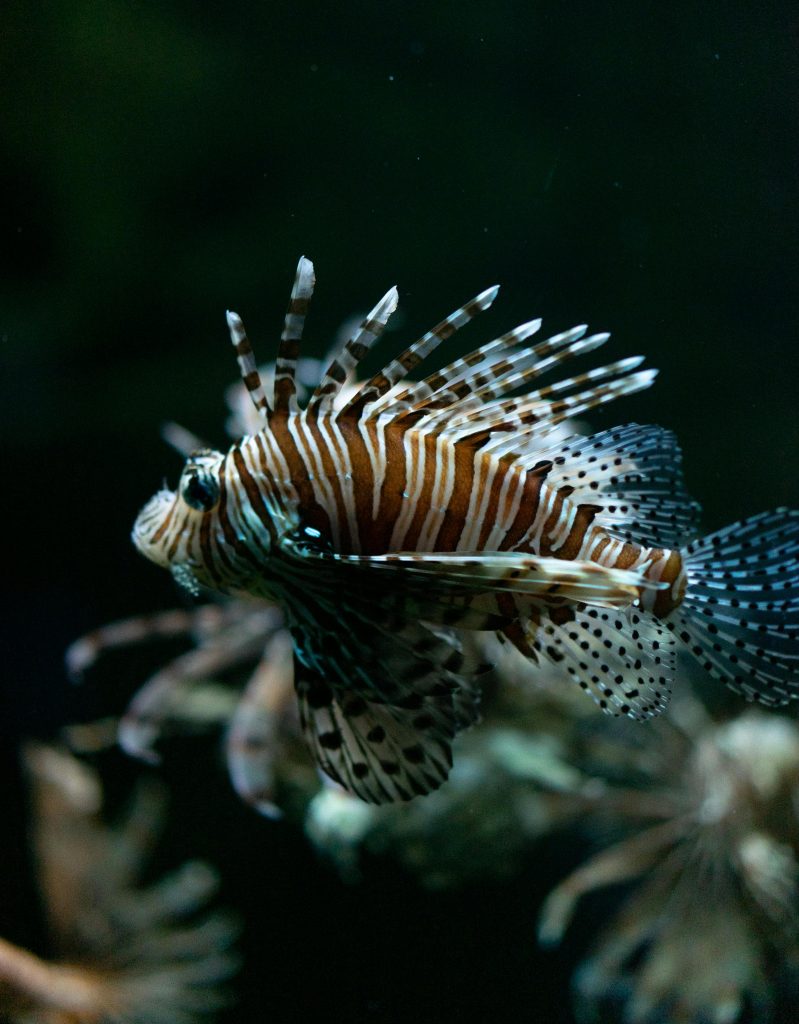
The Volitan Lionfish is a striking predator with bold fins, venomous spines, and a calm but deliberate hunting style. It suits experienced marine keepers best. Success depends on a large tank, stable water quality, careful tankmate choices, and a feeding plan that avoids long-term reliance on live foods.
Many hobbyists fall for this fish at first sight. The flowing finnage and zebra pattern are hard to ignore. Yet this species is not a casual purchase. Pterois volitans grows large, eats surprisingly big prey, and can outgrow mixed community plans fast. It also carries venomous dorsal, anal, and pelvic spines, which changes how you feed, net, and maintain the aquarium. In this guide, you will learn how big a Volitan Lionfish gets, what tank size it really needs, how to feed it safely, which tankmates work, and how to prevent common health and husbandry mistakes.
Quick Reference Care Table
| Common name | Volitan Lionfish |
| Scientific name | Pterois volitans |
| Care level | Moderate to advanced |
| Temperament | Predatory, peaceful toward larger non-prey fish |
| Adult size | Up to 15 inches |
| Minimum tank size | 120 gallons, larger preferred |
| Diet | Carnivore |
| Reef safe | With corals, but not with shrimp, crabs, or small fish |
| Temperature | 75–80°F |
| Salinity | 1.024–1.026 |
| pH | 8.1–8.4 |
| Flow | Moderate |
| Lighting | Low to moderate preference, adaptable |
This table gives the basics. The details matter even more with this species. Adult size, feeding strategy, and tankmate selection will determine long-term success.
Natural Habitat
Volitan Lionfish occur across the Indo-Pacific. They are found around lagoons, coastal reefs, rocky ledges, and sheltered reef slopes. Juveniles often use shallow protected areas. Adults move into deeper reef zones and caves. They spend much of the day hovering under overhangs or near structure. At dusk, they become more active and begin hunting.
In nature, they feed on small fish, shrimp, and other crustaceans. They use stealth rather than speed. A lionfish will corner prey with its large fins and strike quickly. This behavior explains many aquarium issues. Tiny tankmates are seen as food. Ornamental shrimp are usually temporary. It also explains why lionfish prefer secure rockwork and dimmer zones. Replicating that sense of cover reduces stress. A fish that feels secure will show better color, stronger feeding response, and calmer behavior during the day.
Aquarium Setup
A juvenile can start in a smaller system, but that rarely saves money. This species grows fast with good feeding. A 120-gallon tank is the practical minimum for a single adult. A 150-gallon or larger tank is better. The fish needs turning room for its fins and body. Narrow aquariums become awkward once the fish matures.
Build the aquascape with open swimming lanes and a few solid hiding areas. Use stable rockwork. Avoid loose shelves that can shift during maintenance. Leave shaded caves or overhangs where the fish can rest. Keep aggressive stinging corals away from its usual perches. Lionfish often hover in one spot for long periods. They can rub against nearby rock or coral if the layout is cramped.
Strong filtration is essential. Lionfish are messy carnivores. They produce heavy waste after large meals. Use an oversized protein skimmer if possible. Mechanical filtration helps capture debris. Stay on top of nitrate and phosphate. These fish tolerate a range of conditions, but they still do best in stable, clean marine systems. For more on system planning, see: saltwater aquarium setup.
Lighting Requirements
Volitan Lionfish do not need intense lighting. They often prefer dimmer areas and indirect light. In fish-only systems, moderate lighting works well. In reef tanks, they can adapt to brighter fixtures if shaded retreats are available. The key is choice. Give the fish places to move out of direct intensity.
Very bright tanks with no cover can make a new specimen hide constantly. This is common in bare, open aquascapes. It does not mean the fish is sick. It often means the environment feels exposed. Add overhangs and reduce sudden changes in light schedule. A gradual ramp-up period helps. If you run a reef system with strong LEDs, watch where the fish rests. If it avoids the upper half of the tank all day, create more shadowed structure lower down.
Lighting matters less than stress control. Stable water quality, secure territory, and predictable feeding have a bigger impact on health than PAR levels for this species.
Water Flow
Moderate flow is ideal. Lionfish do not enjoy being blasted by direct current all day. Their long fins create drag. Constant strong flow can make them work harder than necessary and limit where they rest. Aim for varied circulation instead of one harsh stream.
Use broad, indirect flow patterns. Keep oxygen levels high and dead spots low, but leave calmer zones around caves and ledges. This balance supports both the fish and the filtration system. If the lionfish always hides behind one rock and rarely ventures out, check whether a powerhead is pointed into its preferred area. Small changes in pump angle can improve behavior quickly.
Good flow also helps export waste from feeding events. Uneaten chunks of silverside or shrimp can foul water fast. Siphon leftovers promptly. Do not depend on cleanup crews alone. Many common scavengers become lionfish snacks over time.
Feeding
Feeding is where many keepers struggle. New Volitan Lionfish often arrive trained to live foods. That creates excitement at first, but it causes problems later. Feeder goldfish and rosy reds are poor staples. They carry nutritional risks and can introduce disease. The goal should be a varied frozen or fresh marine-based diet.
Offer pieces of shrimp, marine fish, squid, scallop, clam, or mysis for smaller individuals. Use feeding tongs or a feeding stick. Present food so it moves naturally in the water. Most lionfish learn this routine with patience. Feed juveniles every other day or in smaller frequent portions. Feed adults two to three times weekly. Avoid overfeeding. Obesity and fatty degeneration are real issues in sedentary predators.
Variety matters. One food item is not enough long term. Rotate marine meats and use vitamin enrichment when possible. A healthy lionfish shows a strong strike response, full body shape, clear eyes, and intact fins. For broader nutrition basics, see: what do saltwater fish eat.
Compatibility
Volitan Lionfish are often called peaceful predators. That description is accurate. They do not usually chase similarly sized fish for dominance. Still, anything that fits in their mouth is prey. This includes small wrasses, dartfish, gobies, blennies, chromis, and many juvenile fish. Cleaner shrimp, peppermint shrimp, and small crabs are also at risk.
Good tankmates are robust fish too large to swallow and not prone to fin-nipping. Larger tangs, rabbitfish, some angels, bigger wrasses, and sturdy groupers can work in very large systems. Use caution with triggers and puffers. They may nip the lionfish’s fins or harass it during feeding. Avoid highly aggressive species in cramped tanks.
With corals, the species is generally safe. It does not eat coral tissue. The main issue is accidental contact. A large lionfish can perch near fleshy LPS corals and irritate them. Plan coral placement carefully. If you are building a mixed system, review: reef safe fish guide and reef tank compatibility chart.
Step-by-Step Acclimation Guide
Acclimation should be calm and deliberate. Safety matters for both you and the fish.
- Prepare the tank before arrival. Dim the lights and clear a path to the aquarium.
- Never handle the fish with bare hands. Use a specimen container, not a net, when possible.
- Float and temperature match first. Then drip acclimate for 30 to 45 minutes.
- Transfer the fish in a rigid container. Avoid pinning fins or spines in mesh.
- Release it near rock cover. Keep the room quiet for the first few hours.
- Do not force feeding on day one. Offer food after the fish settles.
- Observe breathing rate, posture, and swimming balance for the first week.
Quarantine is strongly recommended. It protects the display and helps with feeding conversion. A simple bare-bottom quarantine with PVC shelters works well. For disease prevention basics, read: saltwater fish quarantine.
Propagation and Breeding
Home breeding of Volitan Lionfish is uncommon. Spawning behavior is documented in the wild and in large public systems, but routine captive production is still rare for hobbyists. Sexing is not easy, and successful larval rearing is very difficult. The larvae are tiny, delicate, and need specialized live foods and controlled rearing conditions.
Because of these challenges, most specimens in the trade are wild collected. That makes careful purchasing important. Choose a fish that is alert, well-fleshed, and already feeding on non-live foods if possible. Supporting vendors who condition their lionfish before sale usually leads to better outcomes at home.
Common Problems
Volitan Lionfish Not Eating
This is the most common complaint. New imports may refuse dead foods. Stress is the first likely cause. Bright lights, no hiding spots, and aggressive tankmates all suppress feeding. Start with a dim tank and a secure perch. Offer food on a stick with gentle movement. Try different marine items. Do not cave in to poor feeder fish as a staple.
Rapid Breathing or Lethargy
Check ammonia first. Then check temperature and oxygen. Large carnivores react badly to poor gas exchange and waste spikes after feeding. Inspect for visible parasites if the fish was not quarantined. Heavy breathing can also follow shipping stress. Increase aeration and verify salinity with a calibrated instrument.
Cloudy Eyes or Fin Damage
Minor abrasions happen in cramped rockwork or during rough transfer. Review aquascape spacing and avoid nets. Fin damage also points to nipping tankmates. Remove the aggressor if needed. Improve water quality to support healing. Secondary bacterial issues can follow injuries in dirty systems.
Swallowed Tankmates
This is not a behavior problem. It is normal predation. If a fish can fit in the lionfish’s mouth, assume it is at risk. Many losses happen at night. Rehome tiny species before blaming the lionfish. Compatibility planning solves this better than any feeding trick.
Venomous Spine Injuries
Stings are painful and can be serious. Prevention is best. Always know where the fish is before placing your hands in the tank. Use tools for maintenance near its perch. If stung, seek medical advice promptly. Hot water immersion is commonly recommended for marine envenomation first aid, but professional care is still important.
Frequently Asked Questions
How big does a Volitan Lionfish get?
Adults can reach around 15 inches. Some appear even larger because of their extended fins. Plan for adult size from the start.
Is a Volitan Lionfish reef safe?
It is generally coral safe. It is not safe with small fish, shrimp, or other bite-sized invertebrates.
What is the minimum tank size for a Volitan Lionfish?
A 120-gallon tank is the realistic minimum for one adult. Larger tanks provide better swimming space and easier compatibility.
Can you keep two lionfish together?
It can work in very large aquariums with careful species and size matching. Space, feeding order, and visual barriers matter.
How often should I feed a Volitan Lionfish?
Adults usually do well with two or three meals per week. Juveniles need smaller, more frequent feedings while growing.
Final Thoughts
The Volitan Lionfish is one of the most dramatic fish in the marine hobby. It is also one of the easiest to misunderstand. Its calm nature hides its size, waste load, and predatory instincts. Keep it in a large, stable aquarium. Feed a varied marine diet. Choose tankmates with care. Respect the venomous spines at all times. If you do those things well, this species can become a hardy, impressive centerpiece that thrives for many years.
Was this helpful?
Related Posts
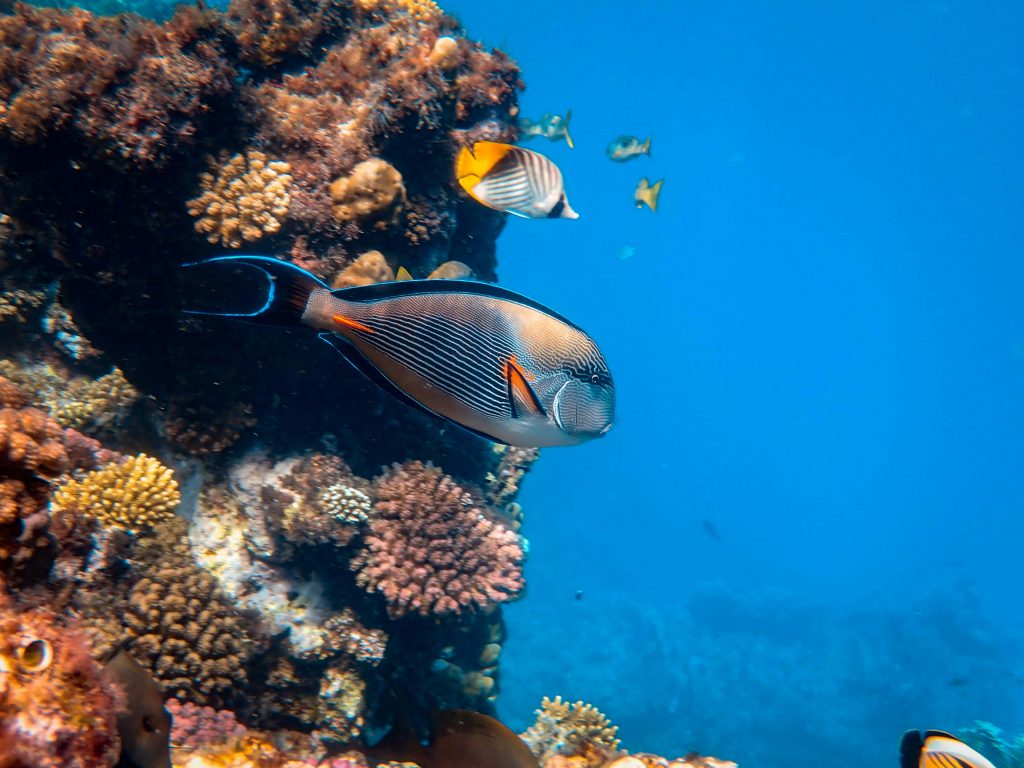
Sohal Tang (Acanthurus Sohal)
Sohal Tang care centers on space, heavy feeding, and aggression control. Learn tank size, diet, compatibility, and common…
 By
By
Reef Safe Fish Guide
Learn which reef safe fish work best in coral tanks, plus species to avoid, compatibility tips, and beginner-friendly…
[favorite_button]
My Bookmarks:
To see full list click here
[user_favorites user_id="" include_links="true" site_id="" post_types="" include_thumbnails="true" thumbnail_size="thumbnail" include_excerpt="false"]