

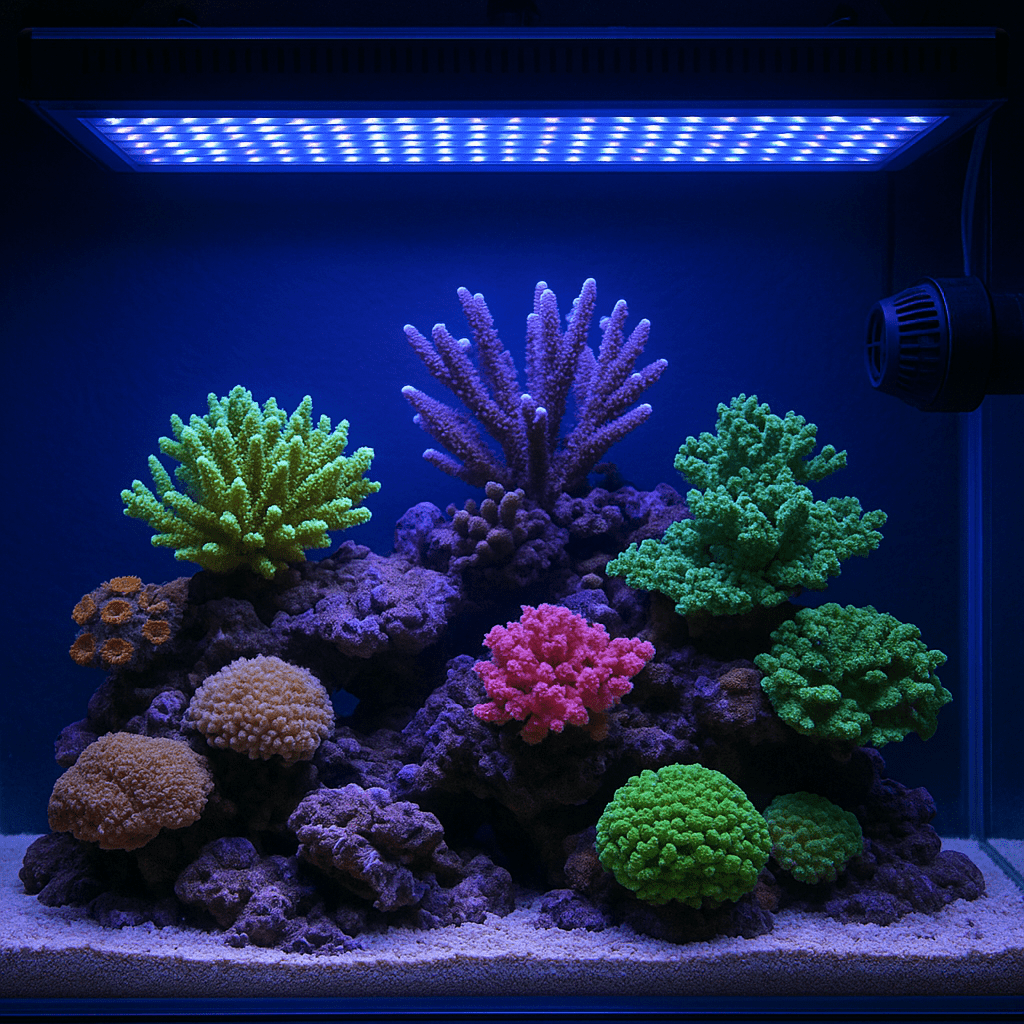
A calcium reactor is a piece of reef aquarium equipment that dissolves calcium carbonate media with carbon dioxide to supply a steady stream of calcium, alkalinity, and trace minerals back to the tank. For many hobbyists, it is not essential at the beginning, but in coral-heavy systems with rising demand, it can become one of the most stable and cost-effective ways to maintain water chemistry.
If you keep a mixed reef with a few LPS corals and soft corals, regular water changes or simple two-part dosing are often enough. But once SPS growth takes off, stony coral colonies get larger, and daily alkalinity consumption becomes harder to keep up with, a calcium reactor starts to make a lot more sense. Understanding when that tipping point happens is the key to deciding whether this equipment is worth adding to your setup.
What a Calcium Reactor Actually Does
A calcium reactor works by circulating aquarium water through a chamber filled with aragonite or other calcium carbonate media. Carbon dioxide is injected into that chamber, which lowers the pH enough to slowly dissolve the media. As the media dissolves, it releases calcium, carbonate alkalinity, magnesium in smaller amounts, and other minor elements that originally formed the skeleton material.
The reactor then returns this mineral-rich effluent to the aquarium or sump. Instead of adding calcium and alkalinity in separate doses, the reactor continuously replaces what corals, coralline algae, clams, and other calcifying organisms consume. In a healthy reef tank, this can create very stable chemistry when the reactor is tuned correctly.
That stability is the main reason advanced reef keepers use one. Corals generally respond better to consistency than to swings, especially SPS such as Acropora and Montipora. If your alkalinity rises and falls because manual dosing is inconsistent, growth and coloration often suffer.
Main Parts of a Calcium Reactor System
A complete calcium reactor setup usually includes several components working together:
- Reactor body with media chamber
- Calcium reactor media, usually aragonite-based
- CO2 cylinder to supply carbon dioxide
- CO2 regulator with needle valve and solenoid
- Bubble counter to estimate CO2 input
- Feed pump or manifold feed to push water through the reactor
- pH probe or controller for safer tuning and consistency
- Effluent line that returns dissolved minerals to the system
Some reactors are simple single-chamber designs, while others include a secondary chamber to help use excess CO2 and slightly raise effluent pH before it reaches the aquarium.
Why Reef Keepers Use Calcium Reactors
The biggest benefit of a calcium reactor is balanced, continuous supplementation. Corals consume calcium and alkalinity together as they build skeletons, and a reactor replenishes both in a natural ratio. This can reduce the need for frequent manual adjustments compared with some dosing methods.
Other advantages include:
- Excellent stability for calcium and alkalinity in high-demand tanks
- Lower long-term cost than large-volume liquid dosing on big systems
- Less daily maintenance once tuned properly
- Useful trace element contribution from dissolving aragonite media
- Scalable performance for growing SPS reefs
For reef keepers with mature systems full of stony corals, a calcium reactor can feel like a major upgrade in consistency and convenience.
When You Probably Do Not Need One Yet
Despite the benefits, a calcium reactor is not automatically the best choice for every reef tank. In fact, many beginner setups do better with simpler methods at first. If your tank has low to moderate calcium and alkalinity demand, a reactor may add unnecessary complexity.
You probably do not need a calcium reactor yet if:
- Your tank is new and still lightly stocked
- You mainly keep soft corals, zoanthids, mushrooms, or a few LPS corals
- Water changes maintain your parameters adequately
- Two-part dosing easily keeps alkalinity and calcium in range
- You are still learning basic reef chemistry and testing habits
For many hobbyists, it makes sense to master testing, dosing, and general reef stability before moving into a reactor setup. A reactor is powerful, but it is not a shortcut around understanding alkalinity, calcium, magnesium, and pH.
When Do You Need a Calcium Reactor?
You need a calcium reactor when your reef tank’s calcium and alkalinity demand becomes high enough that simpler methods start becoming expensive, inconsistent, or difficult to manage. This usually happens in mature tanks packed with SPS corals, large LPS colonies, clams, and heavy coralline algae growth.
Common signs that it may be time include:
- Alkalinity drops quickly every day even with regular dosing
- Two-part consumption becomes expensive on larger systems
- Dosing volumes are getting very high and require frequent refill
- Coral growth is increasing and demand keeps climbing
- You want more stable long-term supplementation with less daily intervention
As a rough guideline, many reef keepers begin seriously considering a calcium reactor when daily alkalinity consumption reaches a level where dosing pumps are pushing substantial amounts of two-part every day. There is no universal number because tank size, coral type, and stocking density all matter, but the pattern is clear. If demand is rising and your current method feels like constant catch-up, a reactor may be the better long-term solution.
Typical Tanks That Benefit Most
- SPS-dominant reef aquariums
- Large mixed reefs with many stony corals
- Systems over about 100 gallons with strong calcification demand
- Frag systems and grow-out tanks
- Mature reefs where alkalinity swings are limiting coral performance
Calcium Reactor vs Two-Part Dosing
Two-part dosing is usually easier to start with. It is straightforward, relatively inexpensive to set up, and works very well for many beginner and intermediate reef tanks. You dose alkalinity and calcium separately, either manually or with dosing pumps, and adjust based on test results.
A calcium reactor has a steeper learning curve and more equipment involved, but it often becomes more economical and stable for high-demand systems. Instead of adding bottled supplements, you dissolve media and continuously replace consumed minerals.
| Method | Best For | Pros | Cons |
|---|---|---|---|
| Two-part dosing | Low to moderate demand reefs | Simple, flexible, easy to adjust | Costs rise with demand, refill frequency increases |
| Calcium reactor | High demand stony coral systems | Stable, balanced supplementation, efficient long term | Higher upfront cost, more tuning required |
If you are deciding between the two, think less about which method is more advanced and more about which one best matches your tank’s actual consumption.
Potential Drawbacks of a Calcium Reactor
Calcium reactors are excellent tools, but they are not perfect. They come with a few tradeoffs that every hobbyist should understand before buying one.
- Higher upfront cost for the reactor, regulator, CO2 tank, and controller
- More setup complexity than dosing pumps
- pH impact because CO2 can lower aquarium pH if not managed well
- Tuning takes patience to match effluent rate and CO2 input to tank demand
- Maintenance is still required for media replacement, regulator checks, and cleaning
The pH issue is one of the most common concerns. Because the reactor uses carbon dioxide, some systems see a mild downward pull on pH, especially in homes with poor gas exchange. This can often be managed with good aeration, a refugium lit on a reverse schedule, outside air to the skimmer, or a secondary chamber on the reactor.
How to Know if Your Tank Is Ready
The best way to decide is by measuring actual demand. Test alkalinity at the same time each day for several days without changing your supplementation schedule too much. If alkalinity falls quickly, your reef is telling you that calcification demand is high. Calcium and magnesium should also be tracked, but alkalinity usually shows consumption trends fastest.
Your tank may be ready for a calcium reactor if:
- You test regularly and understand your baseline chemistry
- Your current dosing method is struggling to keep up
- You have enough sump space and budget for the equipment
- You are comfortable learning reactor tuning and CO2 safety basics
- You want long-term stability for a growing coral collection
If you are still dealing with unstable salinity, inconsistent testing, or major nutrient swings, solve those first. A calcium reactor helps maintain calcium and alkalinity, but it will not fix broader husbandry problems.
Basic Tips for Successful Calcium Reactor Use
If you decide to run one, start slowly. Most problems happen because the reactor is adjusted too aggressively. The goal is not to dump lots of effluent into the tank right away. The goal is to match your reef’s actual consumption over time.
- Use a quality regulator with stable CO2 control
- Monitor alkalinity closely during the first few weeks
- Check pH regularly, especially if your home has limited ventilation
- Clean feed lines and inspect the recirculation pump routinely
- Refill media before the chamber runs too low
- Make changes gradually and allow time before adjusting again
Many hobbyists pair a calcium reactor with a small amount of kalkwasser to help offset pH suppression. That can be a very effective combination in high-demand SPS systems, but it should be approached carefully and tested consistently.
Final Thoughts
A calcium reactor is one of the most effective tools for maintaining calcium and alkalinity in a demanding reef aquarium, but you only really need one when coral growth and mineral consumption outgrow simpler supplementation methods. For beginner reefs, it is often unnecessary. For mature SPS-heavy systems, it can be a game changer.
The best time to add a calcium reactor is when your testing shows clear, rising demand and your current dosing approach is becoming difficult to manage. If that sounds like your tank, a reactor may be the next logical step toward better stability, healthier coral growth, and less daily supplementation work.
Frequently Asked Questions
Is a calcium reactor good for beginners?
Usually not as a first supplementation method. Beginners often do better with water changes or two-part dosing until they understand reef chemistry and their tank’s consumption patterns.
Can a calcium reactor replace two-part dosing completely?
In many high-demand tanks, yes. Some reef keepers still use small supplemental adjustments, but a properly tuned calcium reactor can handle most calcium and alkalinity demand on its own.
Does a calcium reactor lower tank pH?
It can. Because the system uses CO2, pH may run lower if gas exchange is poor. Good aeration, outside air, or pairing with kalkwasser can help reduce that effect.
What corals make a calcium reactor more useful?
SPS corals, large LPS colonies, clams, and any reef with strong coralline algae growth increase demand for calcium and alkalinity, making a reactor more beneficial.
How do I know if my reef tank has high demand?
Track alkalinity daily at the same time for several days. If it drops quickly and your dosing needs keep increasing, your system likely has enough demand to justify a calcium reactor.
Was this helpful?
Related Posts
Best Filtration Systems
Best Filtration Systems for a Healthy Saltwater Aquarium Choosing the best filtration system for your saltwater aquarium is…
 By
By
Clown Triggerfish (Balistoides Conspicillum)
Clown triggerfish are stunning but aggressive marine fish that need very large tanks, strong filtration, and careful tankmate…
[favorite_button]



My Bookmarks:
To see full list click here
[user_favorites user_id="" include_links="true" site_id="" post_types="" include_thumbnails="true" thumbnail_size="thumbnail" include_excerpt="false"]