A propagation tank is a separate aquarium built for growing, healing, and multiplying coral frags. Reef hobbyists use it to improve survival, control conditions, protect display tanks, and create a simple workspace for fragging, trading, and long-term coral grow-out.
Many reef keepers start with a display tank and later hear about frag tanks, grow-out systems, or coral propagation setups. These systems all serve a similar goal. They give corals a stable place to recover after cutting and a practical place to grow into healthy colonies. A good propagation tank also makes maintenance easier. You can target lighting, flow, and nutrients without affecting your main reef. In this guide, you will learn what a propagation tank is, why hobbyists use one, how to set one up, and how to avoid common mistakes when growing coral frags at home.
Quick Reference Table
| Category | Best Practice |
|---|---|
| Primary purpose | Heal, grow, and organize coral frags |
| Common tank size | 20 to 60 gallons |
| Tank style | Shallow tank for easy access and strong light spread |
| Lighting | Moderate to high, based on coral type |
| Water flow | Random, moderate to strong, depending on species |
| Filtration | Shared sump or standalone with skimmer and media |
| Best for | SPS, LPS, soft coral frags, and grow-out pieces |
| Main benefit | Better control, easier fragging, safer recovery |
| Key risk | Parameter swings in small systems |
| Maintenance focus | Stability, pest control, and regular testing |
What Is a Propagation Tank?
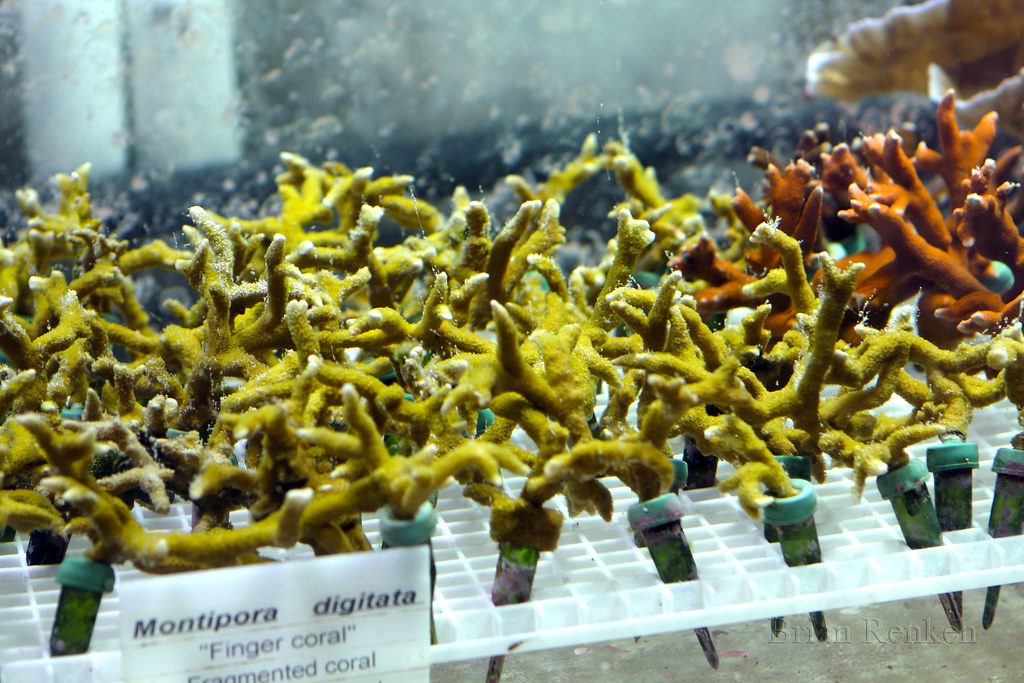
A propagation tank is a reef aquarium designed for coral frags instead of display aesthetics. It is usually shallow, open, and easy to access. Most hobbyists use egg crate racks, frag plugs, and simple aquascaping. The goal is function, not decoration.
Unlike a mixed reef display, a propagation tank focuses on coral growth and recovery. It gives frags stable placement. It also makes observation much easier. You can quickly spot pests, tissue loss, algae growth, or weak polyp extension. That matters after fragging, because fresh cuts are vulnerable.
Some reef keepers run a propagation tank as part of their main system. Others keep it separate. A connected system offers more water volume and better stability. A separate system gives stronger quarantine and pest control benefits. Both approaches can work well when managed properly.
In simple terms, a propagation tank is a coral workshop. It is where frags heal, encrust, and grow before being sold, traded, or moved into a display reef.
Why Reef Hobbyists Use a Propagation Tank
The biggest reason is control. Coral frags often need stable conditions after cutting. In a busy display tank, fish can knock over plugs. Crabs can irritate fresh cuts. Aggressive corals can sting nearby frags. A propagation tank removes many of those risks.
It also improves organization. You can group frags by species, light needs, or healing stage. That makes placement easier. It also helps when tracking growth. Many hobbyists use frag tanks to test whether a coral prefers stronger flow or lower light before moving it into the display.
Another major benefit is efficiency. Fragging, dipping, inspecting, and cleaning become much simpler in a shallow system. You do not need to reach around rockwork. You can remove racks in seconds. That saves time and reduces stress on the coral.
For collectors, a propagation tank also supports trading and backup colonies. If a display tank has a crash, your prized coral may still survive in the frag system. That alone makes one valuable for many reef keepers.
Natural Habitat and Why It Matters for Frags
Corals in nature grow on reefs with strong light, steady chemistry, and constant water movement. Many SPS corals come from shallow reef slopes and upper reef zones. They receive intense light and brisk flow. Many LPS corals prefer lower energy areas with moderate light and gentler movement.
A propagation tank works best when it respects those natural differences. Not every frag wants the same conditions. Acropora frags usually need higher light and stronger random flow. Zoanthids often tolerate lower light and moderate flow. Euphyllia frags prefer enough movement to sway gently, not blast sideways.
Understanding habitat helps you build better frag zones. Place high-demand SPS on upper racks. Put fleshy LPS lower down. Keep aggressive sweepers spaced apart. This approach reduces stress and improves healing.
Natural habitat also explains why stability matters. Reef corals do not thrive in daily swings. A propagation tank should mimic reef consistency as closely as possible.
Aquarium Setup: Tank Size, Layout, and Equipment
Most hobbyists choose a shallow tank between 20 and 60 gallons. Shallow tanks make coral access easy. They also spread light more evenly. Common choices include breeder tanks, low-iron frag tanks, and custom shallow raceways.
Keep the layout simple. Use frag racks, removable shelves, and open space for flow. Avoid large rock structures. They trap detritus and reduce working room. A bare bottom is common because it is easy to clean. Some hobbyists add a little live rock in the sump for biological support.
Core equipment includes a heater, reliable return pump if sump-fed, wavemakers, and strong reef lighting. A protein skimmer is helpful, especially in systems with heavy feeding. Auto top-off systems are strongly recommended. Small tanks swing fast when salinity changes.
If you plan to grow stony corals, dose alkalinity, calcium, and magnesium as needed. Test often. Consumption rises quickly once frags begin encrusting. Helpful reads include reef tank parameters, reef tank setup guide, and best salt mix for reef tank.
Lighting Requirements for Coral Frags
Lighting should match the corals you plan to grow. Soft corals and many zoanthids do well under moderate light. Many LPS corals prefer moderate ranges too. SPS corals usually need stronger light for color and growth.
In practical terms, many frag tanks run LEDs because they are adjustable and efficient. T5 lighting still works very well for even coverage. Hybrid systems are excellent for SPS-heavy propagation tanks. The key is consistency, not chasing extreme numbers.
Start new frags lower than you think. Then acclimate them upward over one to two weeks. Fresh cuts can bleach under sudden intensity. If a frag loses color fast, reduce light and check alkalinity stability. If it browns out, review nutrients, light level, and flow together.
Use a timer and stable photoperiod. Most hobbyists run reef lights for 8 to 10 hours of peak intensity. Avoid constant changes. Corals respond better to steady conditions than frequent adjustments.
Water Flow in a Propagation Tank
Flow is critical for coral health. It brings oxygen and nutrients to the tissue. It also removes waste and helps prevent detritus buildup. In propagation tanks, flow should be broad and random whenever possible.
Dead spots are a common issue. Frag racks can block circulation. Uneaten food and detritus settle under plugs and shelves. That leads to algae, cyanobacteria, and tissue irritation. Place powerheads so flow crosses the tank from different angles. Watch how polyps move. They should respond, not collapse.
SPS frags generally prefer stronger flow. LPS corals need more care. Too much direct flow can tear tissue or prevent feeding. Soft corals often tolerate a wide range, but they still benefit from good turnover.
Clean pumps often. Coralline algae and calcium deposits reduce output over time. If growth slows across the tank, weak flow may be part of the problem.
Feeding and Water Chemistry
Many corals get much of their energy from light, but feeding still helps growth. This is especially true for LPS corals and some soft corals. Offer fine coral foods, rotifers, reef roids, or small frozen foods in moderation. Target feed only when needed.
Do not overfeed a frag tank. These systems are often small. Extra food quickly raises phosphate and nitrate. Moderate nutrients are fine. Dirty water is not. Aim for stability over perfection. Chasing zero nutrients often hurts frags more than slightly elevated numbers.
Watch alkalinity closely. It is the parameter most often tied to SPS frag problems. Sudden alkalinity swings can cause burnt tips, tissue recession, or stalled growth. Calcium and magnesium should remain steady too. Temperature and salinity must stay stable every day.
If you want stronger growth, focus on consistency first. Stable alkalinity, good light, and proper flow matter more than expensive coral foods.
Compatibility With Fish, Corals, and Invertebrates
Many propagation tanks contain few or no fish. That reduces waste and limits frag damage. If you do add fish, choose peaceful species that will not nip coral. Small utility fish can help with pests and leftover food, but stocking should stay light.
Coral compatibility matters more than many beginners expect. Even tiny frags can sting each other. Euphyllia, Galaxea, and other aggressive corals need space. Zoanthids can overgrow nearby plugs. Encrusting corals can spread onto racks and neighboring frags.
Invertebrates need caution too. Some crabs are helpful. Others pick at fresh cuts. Snails are usually safe and useful for algae control. Urchins are risky in frag tanks because they bulldoze plugs and loose frags.
For pest prevention, many hobbyists keep new frags in a separate system before adding them to the main grow-out tank. This lowers the chance of flatworms, nudibranchs, vermetid snails, and algae outbreaks. See also coral dip guide and reef pests identification.
Step-by-Step: How to Use a Propagation Tank to Grow Coral Frags
First, set up the tank and stabilize it before adding frags. Make sure temperature, salinity, alkalinity, calcium, and nutrients are consistent. Add racks and test flow patterns.
Second, inspect and dip all incoming corals. Never skip this step. Pests spread fast in grow-out systems. After dipping, place frags in lower light for acclimation.
Third, mount frags securely on plugs or discs. Loose frags get damaged easily. Space them with future growth in mind. Label rare pieces if needed.
Fourth, monitor healing. Fresh cuts should show polyp extension and tissue stability within days. Encrusting often starts within weeks. Adjust placement only when necessary.
Fifth, maintain the system. Clean racks, siphon detritus, test water, and trim algae. As frags grow, move them apart. Once they are healed and established, they can be sold, traded, or moved into the display tank.
Propagation and Fragging
Choosing Healthy Parent Colonies
Frag only healthy corals. Strong color, polyp extension, and active growth are good signs. Avoid cutting stressed, recently imported, or diseased colonies. Healthy parent colonies produce stronger frags and recover faster.
Making Clean Cuts
Use clean tools. Bone cutters work for many branching corals. A saw works better for thick skeletons. Cut decisively. Ragged breaks damage tissue. Rinse tools between corals to reduce contamination risk.
Mounting and Healing
Mount frags with reef-safe glue or epoxy. Keep tissue away from excess glue. Place fresh frags in moderate flow so mucus and waste do not collect. Give them time. Healing is often faster when you avoid constant handling.
Common Problems
Why Are My Coral Frags Not Opening?
Check flow, light shock, pests, and salinity first. Fresh frags may stay closed for a day or two. Longer closure often points to irritation or unstable parameters. Inspect for nudibranchs, flatworms, and algae around the base.
Why Is Tissue Receding After Fragging?
Common causes include alkalinity swings, bacterial infection, excessive handling, and too much direct flow. Receding tissue after a fresh cut also happens when the parent colony was already stressed. Improve stability and remove dead areas if needed.
Why Do Frags Brown Out or Lose Color?
Brown frags often indicate low light, elevated nutrients, or both. Pale frags often suggest light shock or low nutrients. Review the full picture. Color problems rarely come from one factor alone.
Why Is Algae Taking Over My Frag Rack?
Detritus buildup, excess nutrients, and weak cleanup habits are common causes. Increase maintenance. Siphon under racks. Reduce overfeeding. Improve flow. Scrub or replace dirty plugs when needed.
Frequently Asked Questions
Do I need a propagation tank to frag corals?
No. You can frag corals in a display tank. A propagation tank simply makes the process easier, safer, and more organized.
Can a propagation tank share water with my display tank?
Yes. Many hobbyists connect both systems to one sump. This improves stability, but pests can spread between tanks.
What is the best tank size for a beginner frag tank?
A 20 to 40 gallon shallow tank is a strong starting point. It offers workable space without becoming too expensive.
Are bare bottom propagation tanks better?
Usually, yes. Bare bottoms are easier to clean and help you spot detritus, pests, and fallen frags quickly.
Which corals are easiest to grow in a propagation tank?
Zoanthids, mushrooms, many soft corals, and beginner LPS are often easiest. SPS can do very well too, but they demand tighter stability.
A well-run propagation tank is one of the most useful tools in reef keeping. It protects your display, improves frag survival, and creates a controlled space for coral growth. Start simple. Keep parameters stable. Stay strict about pest prevention. Over time, a good frag tank can turn a few coral pieces into a thriving collection.
Was this helpful?
Related Posts
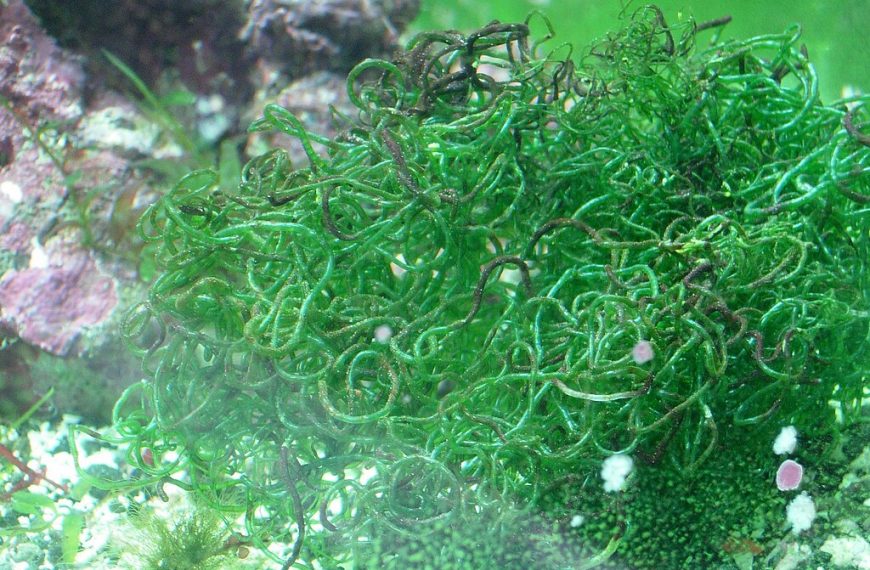
What is a Chaeto Reactor, and How Does it Help Control Nutrients?
A chaeto reactor grows macroalgae in a sealed chamber to remove nitrate and phosphate, helping reef tanks control…
 By
By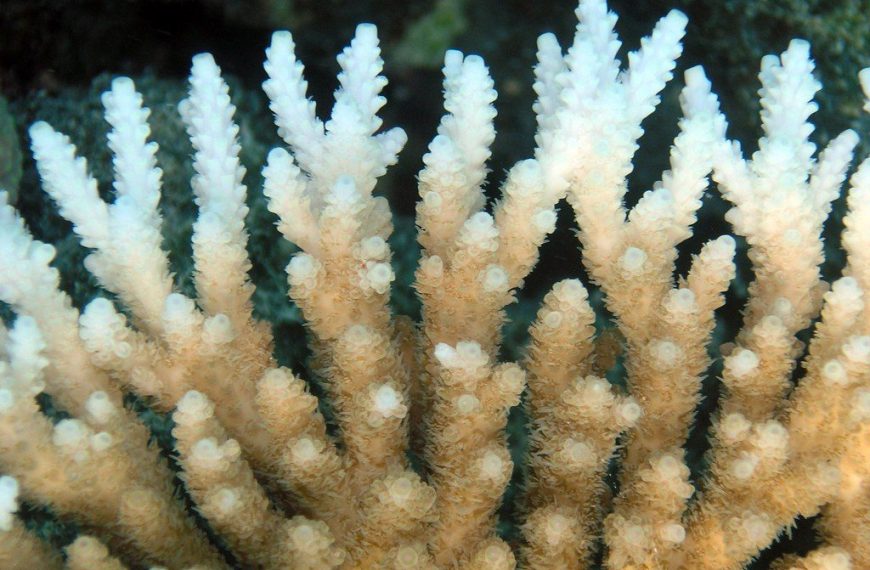
What is Coral Bleaching, and What Causes it in a Home Aquarium?
Coral bleaching happens when stressed corals lose their symbiotic algae. In reef tanks, heat, light shock, and unstable…